Pea Puffer
If you’re looking to add a small but fascinating fish to your aquarium, the Pea Puffer might just be the perfect choice for you. These tiny, vibrant creatures are full of personality and can bring a unique charm to your tank.
But before you dive in, it’s important to know what makes them special and how to care for them properly. Keep reading, and you’ll discover everything you need to create a happy home for your Pea Puffer and enjoy watching its lively antics every day.
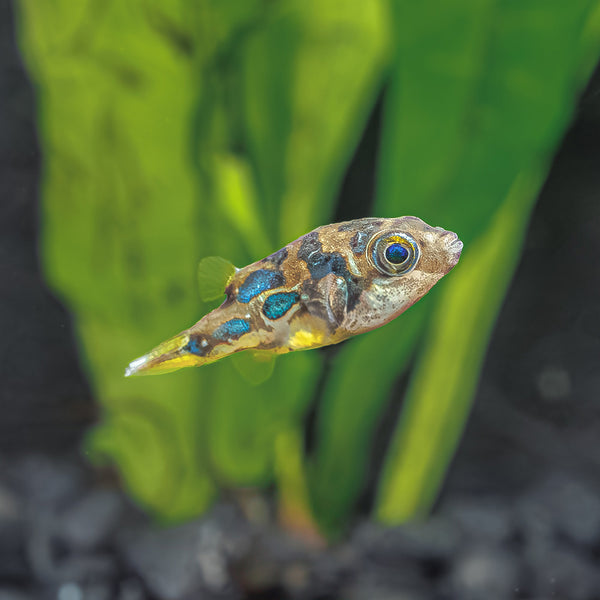
Credit: magneticpolefit.com
Pea Puffer Basics
The pea puffer is a tiny freshwater fish known for its unique look and lively personality. This little fish has captured the hearts of many aquarium lovers worldwide. Its small size makes it perfect for compact tanks.
Understanding the basics of the pea puffer helps in providing the best care. This section covers its physical features, natural habitat, and behavior traits. Each aspect reveals what makes this fish special and how to keep it happy.
Physical Features
Pea puffers are very small, usually growing up to 1 inch. Their bodies are round and compact, with a short snout. They have bright eyes and tiny fins that help them move quickly. Their skin often shows a greenish or yellowish color with dark spots. This pattern helps them blend into plants and riverbeds.
Natural Habitat
Pea puffers live in slow-moving streams and rivers in South Asia. They prefer areas with lots of plants and hiding spots. These waters are often shallow and warm, with clear visibility. The natural environment provides plenty of food and safe places to rest.
Behavior Traits
These fish are curious and active swimmers. They enjoy exploring their surroundings and looking for food. Pea puffers can be territorial and may act aggressive toward other fish. They often puff up when threatened, making themselves look bigger. This defense helps keep predators away.
Tank Setup
Setting up the tank for your Pea Puffer is important. A good tank keeps your fish healthy and happy. You must think about size, water, and decorations. Each part helps create a safe home for your Pea Puffer.
Tank Size And Shape
Pea Puffers need at least 5 gallons of water. A larger tank is better for more fish. A long tank gives more space to swim. Avoid tall tanks because Pea Puffers stay near the bottom. A wide tank helps plants and hiding spots grow well.
Water Conditions
Pea Puffers like clean water with gentle flow. Keep water temperature between 74 and 82°F. The pH should be neutral, around 7.0. Use a good filter to keep water clear. Change 25% of the water every week. Stable water conditions reduce stress and illness.
Plants And Decorations
Live plants help make the tank natural and healthy. Plants like Java moss and Anubias work well. Decorations provide hiding spots and reduce stress. Use smooth rocks and driftwood. Avoid sharp objects that can hurt your fish. Lots of hiding places make Pea Puffers feel safe.
Diet And Feeding
The Pea Puffer is a small but lively fish. Its diet plays a big role in keeping it healthy and happy. Feeding the right foods in the right amounts makes a difference. This section covers what to feed, when to feed, and how to avoid overfeeding.
Preferred Foods
Pea Puffers enjoy live and frozen foods. Bloodworms and brine shrimp are favorites. They also eat daphnia and small snails. These foods offer important nutrients for growth. Avoid dry flakes as a main diet. They don’t provide enough nutrition for Pea Puffers.
Feeding Schedule
Feed your Pea Puffer twice a day. Small portions work best. Each feeding should last just a few minutes. Remove any uneaten food quickly. This keeps the tank clean. Consistent feeding helps maintain their energy and health.
Avoiding Overfeeding
Overfeeding can harm Pea Puffers. It causes poor water quality and obesity. Watch your fish during feeding time. Stop when they lose interest. Offer only what they can eat in two to three minutes. Regular tank cleaning also helps keep them healthy.
Health And Care
Pea Puffers are small but sensitive fish. They need proper care to stay healthy. Understanding their health needs helps you enjoy watching them thrive.
Good care starts with knowing common diseases, signs of stress, and how to prevent problems. This keeps your Pea Puffer lively and strong.
Common Diseases
Pea Puffers can get diseases like Ich, fin rot, and swim bladder issues. Ich shows as white spots on their body. Fin rot causes torn or faded fins. Swim bladder problems affect their swimming balance. Early detection helps treat these illnesses faster.
Signs Of Stress
Stress in Pea Puffers shows in behavior and appearance. They may hide a lot or stop eating. Gasping at the water surface is a warning. Color may fade, or fins may clench. Stress weakens their immune system. Watch your fish daily for these signs.
Preventive Measures
Keep water clean and stable to prevent diseases. Change 20% of water weekly to remove toxins. Maintain temperature between 74-82°F for comfort. Feed varied food like snails and frozen treats. Avoid overcrowding to reduce stress. A healthy tank means healthy Pea Puffers.
Compatibility
Pea Puffers have unique needs for tank mates. Their compatibility depends on species behavior and size. Choosing the right companions helps keep your aquarium peaceful and healthy. Understanding which fish to avoid and which to include is key. Their social behavior also plays a big role in harmony.
Tank Mates To Avoid
Avoid large or aggressive fish. Pea Puffers are small and slow-moving. Big fish may bully or eat them. Fast swimmers can stress these puffers. Stay away from fin nippers. They can harm Pea Puffers’ delicate fins. Avoid fish that need different water conditions.
Suitable Companions
Small, peaceful fish work best as tank mates. Snails and shrimp are good choices. They do not compete for food or space. Other small, non-aggressive fish may also be fine. Always watch for signs of stress or aggression. Keep companions in similar water conditions.
Social Behavior
Pea Puffers can be territorial. They may show aggression toward their own kind. Keep only one male per tank. Females usually get along better together. Provide plenty of hiding spots to reduce stress. Observe their interactions daily for signs of conflict.

Credit: microaquaticshop.com.au
Breeding Pea Puffers
Breeding Pea Puffers can be a rewarding challenge for fish keepers. These tiny fish show interesting behaviors during the breeding period. Understanding their needs helps ensure a healthy breeding process and strong offspring. Patience and care are essential throughout.
Breeding Environment
Set up a separate tank for breeding. Use soft, slightly acidic water with a pH around 6.5. Keep the temperature between 78°F and 80°F. Add plenty of plants and hiding spots. These create a safe, natural space for the fish. Avoid strong water currents. Pea Puffers prefer calm water for breeding.
Spawning Process
Pea Puffers lay eggs on plant leaves or flat surfaces. Males chase females during courtship. This behavior helps stimulate egg laying. Females release small batches of eggs. Males fertilize the eggs immediately after. The parents may guard the eggs for a short time. Remove adults after spawning to protect eggs.
Raising Fry
Fry hatch in about three days. They need tiny food like infusoria or baby brine shrimp. Feed small amounts several times daily. Keep water clean with gentle changes. Avoid strong lighting to reduce stress. Grow fry in a separate tank until large enough for the main tank. Healthy fry grow fast with proper care.
Tips For Beginners
Starting with Pea Puffers can be fun and rewarding. These small fish have unique needs. Beginners must know key tips to keep them healthy and happy. Understanding their care basics makes a big difference. Simple steps help avoid common problems.
Mistakes To Avoid
Avoid overfeeding your Pea Puffers. They need small meals twice a day. Overfeeding causes water pollution and health issues. Do not keep them with aggressive fish. Pea Puffers are shy and can get stressed. Avoid crowded tanks; they need space to swim.
Maintaining Water Quality
Clean water is crucial for Pea Puffers. Use a good filter to keep water clear. Test water often for ammonia, nitrite, and nitrate levels. Keep temperature steady between 74°F and 82°F. Use a water conditioner to remove chlorine and chloramine. Proper water quality helps prevent diseases.
Regular Maintenance
Change 20-30% of water weekly. This removes waste and keeps water fresh. Clean the tank glass and decorations gently. Check filter parts monthly and clean if needed. Feed only what Pea Puffers can eat in two minutes. Regular care keeps fish healthy and active.

Credit: twinfallszoo.com
How Smart Pets Lover Can Help You with Pea Puffer
Learning Through Pea Puffer Care
Taking care of a pea puffer is more than just maintaining a tank—it’s an opportunity to deepen your understanding of aquatic life and responsible pet ownership. From setting up the perfect environment to mastering their unique diet and feeding habits, each step invites you to learn and adapt. For instance, observing their compatibility with other tank mates can teach valuable lessons about social behaviors in fish.
At Smart Pets Lover, we believe that every pet journey, including that of a pea puffer, helps build a stronger bond between pet and parent. By focusing on health and care basics, you develop not only practical skills but also empathy and patience—traits essential for any pet lover. Should you need further guidance or have questions, reaching out to knowledgeable communities or pet care experts can offer personalized support and enrich your experience.
Remember, nurturing a pea puffer is a small but meaningful way to connect with nature’s wonders, where every wag, purr, and chirp—and even every bubble—tells a story.
Frequently Asked Questions
What Is A Pea Puffer Fish?
A Pea Puffer is a small, freshwater fish native to India. It is known for its tiny size and vibrant colors. This species is popular in home aquariums due to its unique appearance and playful behavior.
How Big Do Pea Puffers Grow?
Pea Puffers typically grow up to 1 inch (2. 5 cm) in length. Their small size makes them ideal for nano aquariums. Despite their size, they have big personalities and are quite active swimmers.
What Do Pea Puffers Eat?
Pea Puffers mainly eat live or frozen foods like bloodworms and brine shrimp. They prefer protein-rich diets and rarely accept flakes or pellets. Providing varied food ensures their health and vibrant coloration.
Are Pea Puffers Aggressive To Other Fish?
Pea Puffers can be territorial and mildly aggressive, especially towards their kind. They do best in species-only tanks or with non-aggressive tank mates. Proper tank size and hiding spots help reduce aggression.
Conclusion
Pea puffers are small fish with big personalities. They need clean water and a peaceful tank. Feeding them fresh food keeps them healthy and happy. These fish bring life and color to any aquarium. Caring for pea puffers can be fun and rewarding.
They are great pets for those who enjoy unique fish. Keep learning about their needs to give them the best home. Pea puffers remind us that small creatures can be fascinating.