Paradise Betta
Are you looking to add a splash of color and life to your home or office? Paradise Betta might be exactly what you need.
These stunning fish are not only beautiful but also surprisingly easy to care for. Imagine watching your vibrant betta swim gracefully, bringing calm and joy to your day. You’ll discover everything you need to know about Paradise Betta—how to choose the right one, care tips, and why they make the perfect pet for you.
Keep reading, and you’ll soon see why Paradise Betta can transform your space and brighten your mood.
Betta Fish Basics
Betta fish are popular pets known for their bright colors and flowing fins.
They are easy to care for and can live in small tanks.
Understanding their types, natural home, and looks helps in better care.
Types Of Betta Fish
There are many betta fish types. Each has a unique fin shape and color.
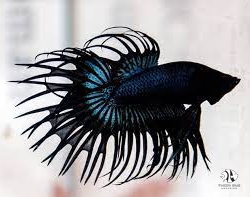
Common types include Veil Tail, Crowntail, and Halfmoon.
Some bettas have short fins; others have long, fancy fins.
Natural Habitat
Betta fish come from Southeast Asia, especially Thailand and Cambodia.
They live in shallow water like rice paddies and slow rivers.
The water is warm and low in oxygen, so they breathe air from the surface.
Physical Features
Betta fish have bright colors: red, blue, green, and more.
Their fins can be smooth or spiky, wide or narrow.
They have a small, pointed face with big eyes.

Credit: articles.hepper.com
Caring For Paradise Betta
Caring for Paradise Betta requires attention to their environment and diet. These fish thrive in clean, stable conditions. Proper care helps them live long and stay healthy. Understanding their needs makes fishkeeping enjoyable and rewarding.
Tank Setup
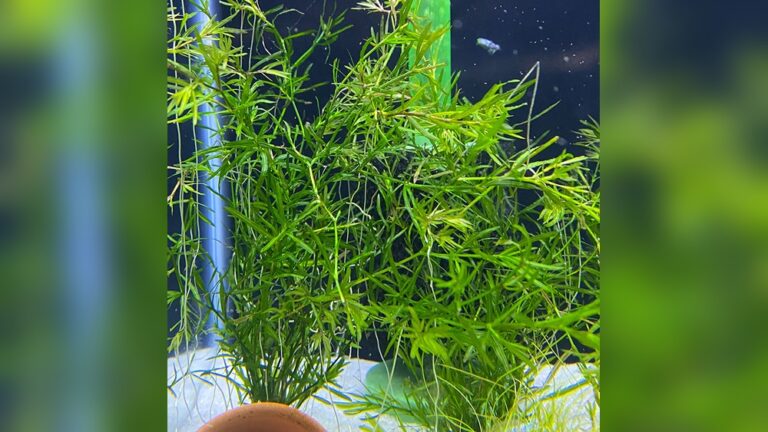
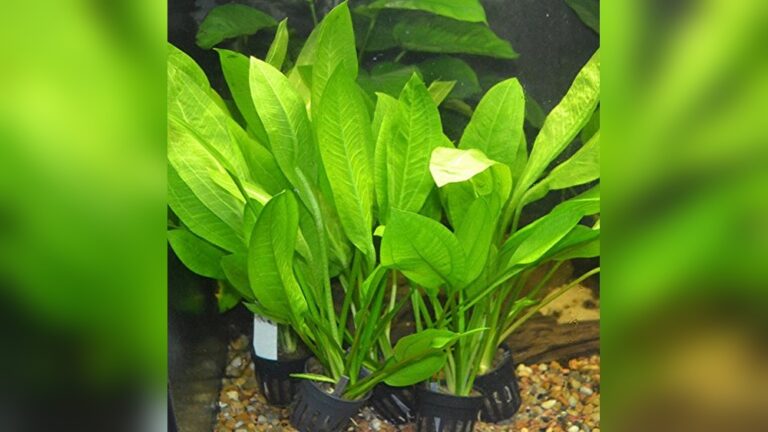
Choose a tank of at least 5 gallons. Paradise Bettas need space to swim freely. Use a gentle filter to keep water clean. Add plants and hiding spots for comfort. Avoid strong currents that stress the fish. A tank lid prevents jumping accidents.
Water Conditions
Maintain water temperature between 75 and 82°F (24-28°C). Keep pH level near neutral, around 6.5 to 7.5. Change 25% of the water weekly. Use a water conditioner to remove chlorine. Stable water quality reduces stress and illness.
Feeding Guidelines
Feed Paradise Betta a balanced diet. Use high-quality betta pellets or flakes. Offer live or frozen foods like bloodworms or brine shrimp. Feed small amounts once or twice daily. Remove uneaten food to prevent water pollution.
Common Health Issues
Watch for signs of fin rot and ich. Poor water quality often causes illness. Stress weakens their immune system. Quarantine new fish before adding them. Regular tank cleaning helps prevent diseases.
Behavior And Temperament
The Paradise Betta displays fascinating behavior and temperament traits. Understanding these helps in caring for them properly. Their actions reflect their natural instincts and environment. Observing their interactions can be rewarding for any fish enthusiast.
Social Interaction
Paradise Bettas are semi-aggressive by nature. They prefer to live alone or with peaceful tank mates. Males often show territorial behavior toward other males. Females tend to be less aggressive and can sometimes live in groups. Watching their social habits helps maintain a balanced aquarium.
Breeding Behavior
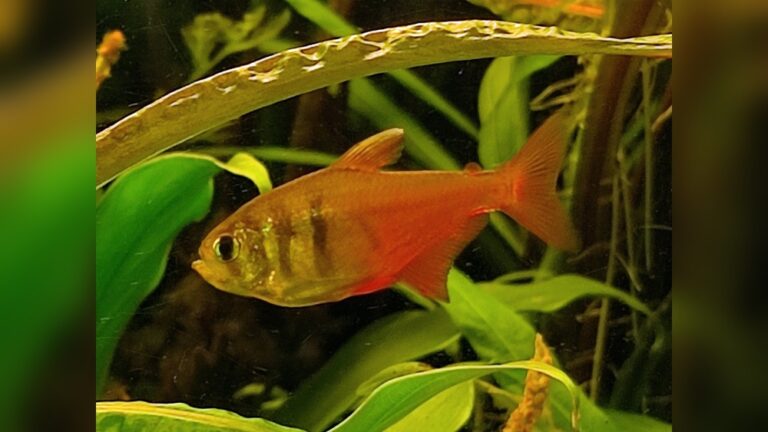
During breeding, males build bubble nests at the water surface. They guard the nest fiercely and care for the eggs. Females show readiness by displaying vertical stripes on their bodies. The courtship involves dancing and flaring fins. Breeding requires a calm and clean environment for success.
Handling Aggression
Aggression is common among male Paradise Bettas. They flare their fins to appear larger and warn rivals. Providing plenty of hiding spots reduces fights. Separate males if aggressive behavior persists. Using divided tanks or separate aquariums works well. Understanding their aggressive nature helps prevent stress and injury.
Credit: thienducaquarium.com
Breeding Paradise Betta
Breeding Paradise Betta can be a rewarding experience. These fish have bright colors and interesting behaviors. Breeding them requires care and patience. Knowing how to choose pairs, manage spawning, and raise fry helps ensure success.
Selecting Breeding Pairs
Choose healthy, vibrant Paradise Bettas for breeding. Select males with bright colors and strong fins. Females should have a full belly and calm behavior. Avoid fish with signs of illness or damage. Keep pairs in separate tanks before introducing them. This reduces stress and aggression.
Spawning Process
Prepare a shallow tank with warm water around 78°F (25.5°C). Add plants or floating leaves for the male to build a bubble nest. Introduce the female to the male’s tank carefully. Watch their behavior closely. The male wraps around the female to fertilize eggs. He then collects eggs and places them in the bubble nest. Remove the female after spawning to prevent harm.
Raising Fry
Keep the tank clean and water warm for fry development. The eggs hatch in about two days. Fry remain near the bubble nest for several days. Feed them infusoria or specialized fry food at first. Increase food size as they grow. Change water regularly to keep it fresh. Avoid strong currents that can harm young fry.
Enhancing Betta Appearance
Enhancing the appearance of Betta fish is a popular focus among hobbyists. These fish are admired for their vibrant colors and elegant fins. Small changes can make a big difference in their look. Many Betta enthusiasts enjoy exploring various options to improve their fish’s beauty. Understanding different traits helps in choosing the best Betta for your collection.
Color Varieties
Betta fish come in many bright colors. Red, blue, green, and yellow are common choices. Some Bettas have mixed or gradient colors. Iridescent scales add a shimmering effect. Color intensity varies by genetics and care. Colorful Bettas catch the eye easily in any tank.
Fin Types
Fins give Bettas their unique style. Common fin types include veil tail, crown tail, and halfmoon. Each fin type shows a different shape and spread. Wide, flowing fins look graceful and soft. Crown tails have spiky, webbed edges. Fin shape influences the fish’s overall charm.
Selective Breeding
Selective breeding enhances Betta features over generations. Breeders choose fish with desired colors and fins. This method improves traits in offspring. It helps create rare and stunning Betta varieties. Careful selection keeps the fish healthy and strong. Breeding focuses on quality and beauty together.
Common Mistakes To Avoid
Keeping a Paradise Betta healthy and happy requires careful care. Many beginners make simple mistakes that harm their fish. Avoiding these common errors helps your betta thrive. Read on to learn what to watch out for.
Overfeeding
Overfeeding is a common problem for Paradise Betta owners. Betta fish have small stomachs. Feeding too much causes bloating and poor water quality. Offer small portions once or twice a day. Remove leftover food quickly to keep the tank clean.
Improper Tank Size
Many people keep Paradise Bettas in very small bowls. Bettas need space to swim and explore. A tank of at least 5 gallons gives enough room. Small tanks cause stress and shorten their life. Use a properly sized tank with a lid.
Ignoring Water Quality
Water quality affects your Paradise Betta’s health the most. Dirty or untreated water can cause illness. Test water regularly for ammonia, nitrites, and nitrates. Change 25% of the water weekly. Use a filter and heater to keep conditions stable.

Credit: www.plantedtank.net
How Smart Pets Lover Can Help You with Paradise Betta
Learning Through Caring for Your Paradise Betta
Understanding the delicate balance of Paradise Betta care opens up wonderful practical learning moments. From observing their unique behavior and temperament to mastering the art of breeding, each step deepens your connection and knowledge. For example, recognizing subtle signs in their activity can teach you how to tailor their environment for optimal health and happiness.
Additionally, enhancing your Betta’s appearance isn’t just about aesthetics—it’s a hands-on way to learn about nutrition, water quality, and stress reduction techniques. Avoiding common mistakes, like improper tank setup or overfeeding, transforms you into a more confident pet parent, ready to nurture these vibrant companions responsibly.
- Track behavior changes to understand moods and needs
- Experiment safely with breeding techniques to learn genetics basics
- Refine care routines based on appearance and health observations
At Smart Pets Lover, we believe every interaction with your Paradise Betta is an opportunity to become more informed and connected. Should you need a trusted resource, feel free to reach out via our website’s contact page—we’re here to support your journey where every fin flick tells a story.
Frequently Asked Questions
What Is Paradise Betta Fish?
Paradise Betta is a vibrant, colorful freshwater fish. It’s known for its beautiful fins and peaceful nature, ideal for home aquariums.
How To Care For Paradise Betta Fish?
Provide clean, warm water (78-82°F) and a balanced diet. Regular tank maintenance and gentle water changes ensure their health.
What Do Paradise Betta Fish Eat?
They eat high-quality Betta pellets, frozen or live foods like brine shrimp and bloodworms. Variety supports optimal nutrition and color.
Can Paradise Betta Live With Other Fish?
Yes, but choose peaceful, non-fin-nipping species. Avoid aggressive or large tank mates to prevent stress or injury.
Conclusion
Paradise Betta offers a fun and exciting way to enjoy betting. It combines simple rules with many chances to win. Players can enjoy a safe and fair environment here. The platform fits both beginners and experienced bettors. Try it out and see how it feels to play.
You might find your new favorite game. Stay safe and bet responsibly every time. Paradise Betta could be just what you need today.