Panther Grouper
Have you ever wondered about the mysterious Panther Grouper? This striking fish is not only beautiful but also fascinating in its behavior and habitat.
If you’re curious to learn what makes the Panther Grouper unique and why it stands out in the underwater world, you’re in the right place. By the end of this article, you’ll discover secrets that even some divers and aquarium enthusiasts don’t know.
Ready to dive in and uncover the wonders of the Panther Grouper? Let’s get started!

Credit: aquanerd.com
Physical Features
The Panther Grouper is a striking fish known for its unique look. Its physical features help it stand out in the ocean. These features include its size, shape, color, and special markings. Each part plays a role in its survival and identification.
Size And Shape
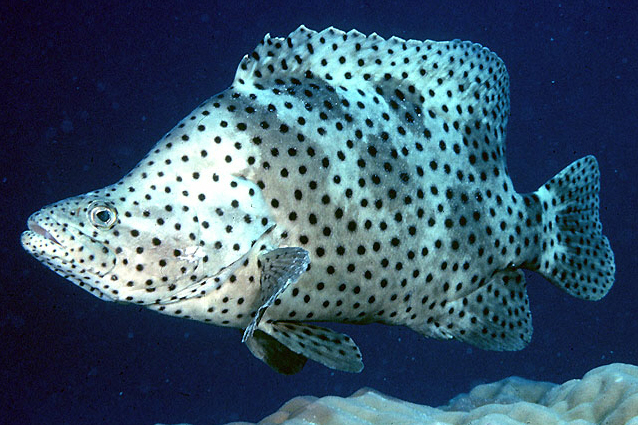
The Panther Grouper has a long, oval body. It grows up to 24 inches in length. Its body is thick and strong, built for swimming fast. The head is large with a wide mouth. This shape helps it catch prey easily.
Color Patterns
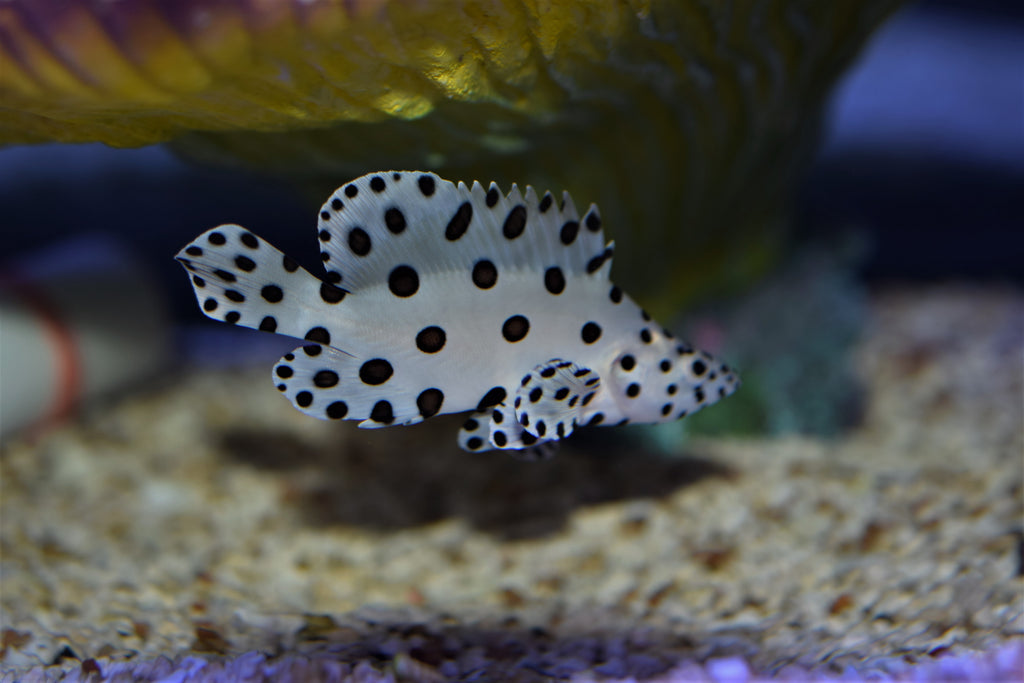
This fish shows a mix of dark brown and white colors. The white parts have a creamy tint. The colors create a high contrast look. This pattern helps it blend with coral reefs and rocky areas. The colors can look different depending on light and water clarity.
Distinctive Markings
The Panther Grouper has unique spots all over its body. These spots are dark brown or black. They are round and look like a leopard’s spots. The tail and fins also have these spots. These markings help to tell it apart from other groupers.
Habitat And Distribution
The Panther Grouper is a striking fish known for its unique pattern and size. Understanding its habitat and distribution helps us learn where this species thrives and how it impacts local ecosystems.
Native Regions
The Panther Grouper originally comes from the Indo-Pacific region. It is native to waters around Indonesia, the Philippines, and Papua New Guinea. These areas provide the warm and clear water the fish prefers.
Preferred Environments
This fish favors coral reefs and rocky bottoms. It hides among crevices and caves. Shallow waters up to 100 feet deep offer the best conditions. The Panther Grouper needs places to ambush prey and avoid predators.
Range Expansion
Recently, the Panther Grouper has been found outside its native range. It appears in the Atlantic Ocean, especially near Florida and the Caribbean. This spread likely comes from aquarium releases or accidental escapes. Its presence raises concerns for local fish populations.
Behavior And Diet
The Panther Grouper is a fascinating fish with unique behavior and diet. It lives in warm waters and is known for its striking appearance and hunting skills. Understanding its habits helps to appreciate its role in the ocean.
This fish is a predator that eats other smaller fish. It stays mostly hidden but strikes quickly when hunting. Its diet and daily actions keep the ocean ecosystem balanced.
Feeding Habits
The Panther Grouper mainly eats small fish and crustaceans. It prefers live prey over dead food. This fish hunts at night and rests during the day. It uses its strong jaws to capture and swallow prey whole.
Hunting Techniques
This grouper uses stealth to get close to its target. It moves slowly and blends with the reef. Then, it bursts forward to catch the prey. The Panther Grouper can also use its fins to corner fish in tight spaces.
Daily Activity
During the day, the Panther Grouper hides in caves or coral. It stays still to avoid predators and conserve energy. At night, it becomes active and searches for food. This cycle helps it survive in a busy reef environment.
Credit: absolutelyfishnaturals.com
Reproduction And Life Cycle
The reproduction and life cycle of the Panther Grouper reveal fascinating details about its survival and growth. This fish has unique behaviors during mating and development. Understanding these stages helps us appreciate this species more deeply.
Mating Rituals
Panther Groupers perform elaborate mating rituals. Males display bright colors to attract females. They swim around each other in slow, graceful movements. This dance strengthens the bond before spawning. Males may also guard the chosen female closely. These rituals ensure successful reproduction in the wild.
Spawning Season
The spawning season occurs mainly in warm months. During this time, groups gather in shallow waters. Females release eggs while males fertilize them externally. This process happens at night to protect eggs from predators. The eggs float freely, carried by ocean currents. Spawning can last several days in one location.
Growth Stages
After hatching, larvae drift with plankton for weeks. They start small and fragile, feeding on tiny organisms. As they grow, they develop patterns and colors. Juveniles settle near reefs for shelter and food. Adults reach full size in about two years. Each stage faces challenges, shaping their survival chances.
Impact On Ecosystems
The Panther Grouper affects marine ecosystems in many ways. This fish plays a strong role in the food chain and can change the balance of ocean life. Understanding its impact helps us protect native species and habitats.
Its presence can cause shifts in local marine communities. These changes may lead to fewer native fish and less biodiversity. The Panther Grouper’s behavior and diet make it a powerful force in the waters it invades.
Predatory Role
The Panther Grouper is a fierce predator. It hunts small fish and crustaceans with quick attacks. This hunting can reduce populations of native prey species. Less prey means other predators may struggle to find food. The Panther Grouper often competes with native predators for resources.
Effect On Local Species
Local fish suffer when Panther Groupers move in. They lose food and shelter to this strong competitor. Some native species may decline or disappear in affected areas. This change lowers the variety of life in the ecosystem. The loss of native fish can disrupt the food web.
Invasive Potential
The Panther Grouper can spread fast in new waters. It adapts well to different environments and climates. This ability allows it to invade many regions beyond its home range. Once established, it is hard to control or remove. Its invasive nature poses a threat to marine biodiversity worldwide.
Credit: nas.er.usgs.gov
Care In Aquariums
The Panther Grouper is a striking fish popular among aquarium enthusiasts. Caring for this species requires specific attention to its environment and diet. Proper care helps the Panther Grouper thrive and show its best colors. Understanding its needs ensures a healthy, active fish in your tank.
Tank Requirements
The Panther Grouper needs a large tank, at least 100 gallons. It requires plenty of swimming space and hiding spots. Use sturdy decorations, as this fish can push objects around. Maintain water temperature between 75 and 82°F. Keep pH levels stable, around 8.1 to 8.4. Good filtration is crucial to keep water clean and oxygen-rich.
Feeding In Captivity
The Panther Grouper is a carnivore and needs a protein-rich diet. Feed it fresh or frozen fish, shrimp, and squid. Offer food two to three times a day in small amounts. Avoid overfeeding to prevent water pollution and health problems. Live feeder fish may be accepted but use them sparingly to avoid disease.
Common Health Issues
This fish can suffer from parasites like ich and flukes. Watch for signs such as white spots or unusual swimming. Stress can cause weakened immunity and infections. Keep water quality high and avoid sudden changes. Regular tank cleaning and quarantine of new fish help prevent diseases.
How Smart Pets Lover Can Help You with Panther Grouper
Learning from the Panther Grouper: A Hands-On Journey into Marine Care
For anyone captivated by the Panther Grouper’s striking physical features and fascinating behavior, diving deeper into practical learning can be incredibly rewarding. Understanding its habitat and distribution not only enriches your appreciation but also informs responsible aquarium care—something every dedicated pet parent strives for. Observing their diet and reproductive patterns offers clues to creating a balanced environment that supports their well-being.
At Smart Pets Lover, we believe knowledge fosters connection. When you explore these aspects thoughtfully, you’re not just caring for a fish—you’re honoring its place in the ecosystem and your home. Whether you’re setting up a marine tank or simply curious, integrating what you learn about their life cycle and environmental impact helps build a nurturing space.
- Track water quality and mimic natural habitats
- Offer a diet reflecting their carnivorous preferences
- Respect their behavioral cues to reduce stress
If you ever want to chat or need guidance on Panther Grouper care, reaching out to marine specialists or communities can be a great step. Remember, every little detail you embrace turns your aquarium into a living story—where every splash and swim speaks volumes.
Frequently Asked Questions
What Is A Panther Grouper Fish?
The Panther Grouper is a large, colorful marine fish native to the Indo-Pacific. It has distinct spots and stripes. It grows up to 3 feet long and is popular in aquariums. It’s a predatory fish, known for its unique hunting technique.
Where Do Panther Groupers Naturally Live?
Panther Groupers are found in coral reefs of the Indo-Pacific region. They prefer warm, tropical waters. These fish inhabit depths between 10 to 50 meters. They thrive around rocky and coral habitats. Their natural range includes areas like Indonesia, Philippines, and Papua New Guinea.
How To Care For A Panther Grouper In Aquariums?
Provide a large tank with at least 180 gallons. Maintain water temperatures between 75-82°F and good filtration. Feed them a diet of live or frozen fish and shrimp. Avoid keeping small fish as tank mates. Regular water changes help keep them healthy.
What Does Panther Grouper Eat In The Wild?
In the wild, Panther Groupers prey on small fish, crustaceans, and squid. They use ambush tactics to catch prey. Their diet is carnivorous and protein-rich. They are opportunistic hunters, feeding mostly at night. This diet supports their fast growth and vibrant colors.
Conclusion
The Panther Grouper is a fascinating fish to learn about. It lives mostly in warm ocean waters and has a unique look. This fish grows fast and can be quite large. It plays a role in its underwater home by hunting smaller fish.
Keeping the ocean healthy helps protect creatures like the Panther Grouper. Watching this fish helps us appreciate the ocean’s many wonders. Remember to respect marine life and their habitats always. The Panther Grouper reminds us how diverse and special sea life really is.