Panda Cories
Are you looking to add a splash of life and charm to your aquarium? Panda Cories might be just what you need.
These small, energetic fish are not only beautiful but also easy to care for, making them perfect for both beginners and experienced hobbyists. Imagine watching your tank come alive as these playful fish dart around, bringing a sense of calm and joy.
Keep reading to discover everything you need to know about Panda Cories and how they can transform your underwater world.
:strip_icc()/catfish-5ad3a581eb97de0037fc0e18.jpg)
Credit: www.thesprucepets.com
Panda Cory Basics
Panda Cory basics help you understand this popular freshwater fish. These small fish are loved for their calm nature and easy care. They brighten up community tanks with their unique look.
Knowing their traits, habitat, and size helps you care for them better. This section covers essential facts about Panda Cory.
Physical Traits
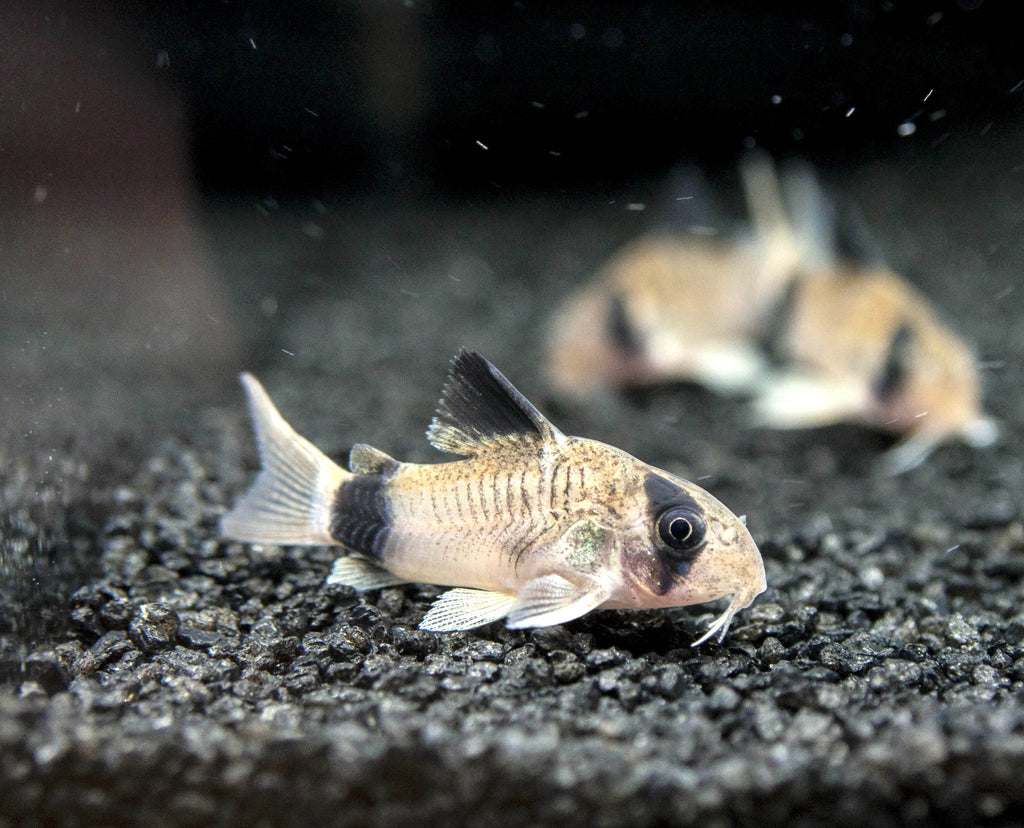
Panda Corys have a white body with black patches. The black marks look like panda spots on their face and body. They have a rounded belly and a flat head.
These fish have small whiskers called barbels near their mouth. Their fins are clear or slightly tinted. They grow to about 2 inches long.
Natural Habitat
Panda Corys come from slow-moving rivers in South America. They live in soft, sandy river bottoms with plants. These fish like calm water and hiding spots.
They prefer water with a warm temperature and low current. The natural habitat has plenty of leaves and wood for shelter.
Lifespan And Size
Panda Corys live about 3 to 5 years in good care. Their size usually stays around 2 inches, making them perfect for small tanks. Proper diet and clean water help them live longer.

Credit: www.theshrimpfarm.com
Tank Setup
Panda Cories need a well-planned tank to stay happy and healthy. Setting up their home right helps them swim and explore freely. Proper tank setup also keeps water clean and safe for these small fish.
Each part of the aquarium plays a role in their comfort. Let’s look at the key elements to create the best environment for Panda Cories.
Ideal Aquarium Size
A tank of at least 20 gallons is best for Panda Cories. These fish like to live in groups, so space is important. More room means less stress and more swimming freedom.
Keep in mind that a larger tank helps maintain stable water conditions. It also allows room for decorations and hiding spots.
Water Conditions
Panda Cories thrive in clean, well-oxygenated water. The ideal temperature is between 72°F and 78°F. Keep the pH level around 6.5 to 7.5 for a healthy tank.
Regular water changes help keep ammonia and nitrate levels low. Use a gentle filter to avoid strong currents that stress the fish.
Substrate And Decorations
Soft, sandy substrate is best for Panda Cories. It protects their delicate barbels from damage. Avoid sharp gravel that can hurt them.
Include smooth rocks, driftwood, and plants for hiding spots. These decorations mimic their natural habitat and reduce stress. Leave open space for swimming and bottom foraging.
Feeding Panda Cory
Feeding Panda Cory is simple and fun. These small fish enjoy a varied diet. Proper feeding keeps them healthy and active. Understanding their food needs helps you care for them well.
Diet Preferences
Panda Cory prefers a mix of foods. They eat both plant and animal matter. They like sinking pellets designed for bottom feeders. Live or frozen foods are also favorites. They enjoy bloodworms, brine shrimp, and daphnia. Vegetables like zucchini or cucumber are good too.
Feeding Frequency
Feed Panda Cory once or twice daily. Small amounts are best to avoid waste. Remove leftover food after a few minutes. Overfeeding can harm water quality. Watch their behavior to adjust feeding times.
Best Foods
Sinking pellets are ideal for Panda Cory. High-quality flakes can work if broken down. Live foods boost their nutrition and activity. Frozen bloodworms and brine shrimp are excellent. Fresh veggies add fiber and variety. Rotate foods to keep them interested and healthy.
Behavior And Temperament
Panda Cories are small freshwater fish known for their peaceful nature. They bring calm energy to any aquarium. Understanding their behavior helps keep them happy and healthy. Their temperament suits community tanks well. Observing their habits makes fishkeeping more rewarding.
Social Nature
Panda Cories are social fish. They like to stay in groups of five or more. Being in groups reduces stress and encourages natural behavior. Alone, they may hide or become shy. Their social bonds show through swimming and resting together. A group creates a lively and natural aquarium scene.
Interaction With Tank Mates
These fish get along well with many species. They avoid aggression and rarely start fights. Panda Cories prefer calm tank mates. Fast or aggressive fish can scare them. They share space without competition for food. Their peaceful nature helps maintain harmony in the aquarium.
Activity Patterns
Panda Cories are mostly active during the day. They search the bottom for food and explore hiding spots. At night, they rest quietly in groups. Their small size makes them quick and agile. Watching their gentle movements adds life to any tank.
Health And Care Tips
Panda Cories need proper care to stay healthy and happy. Good health helps them live longer and show their best colors. Understanding their needs can prevent many problems.
Regular care and attention keep these fish active and strong. Knowing the signs of illness and stress helps you act fast. This section covers key health tips for Panda Cories.
Common Diseases
Panda Cories often face diseases like ich, fin rot, and fungal infections. Ich causes white spots on their body and fins. Fin rot makes their fins look ragged and torn. Fungal infections appear as cotton-like patches on their skin. Early detection helps in quick treatment and recovery.
Preventive Measures
Keep the tank clean by changing water regularly. Use a good filter to remove waste and toxins. Feed Panda Cories a balanced diet with fresh and quality food. Avoid overcrowding; it causes stress and spreads diseases. Quarantine new fish before adding them to the tank.
Signs Of Stress
Stress shows in Panda Cories through unusual hiding or lack of movement. They may stop eating or swim erratically. Color fading and clamped fins also signal stress. Sudden changes in behavior need your immediate attention. Reduce noise and bright light near the tank to keep them calm.
Credit: aquaticarts.com
Breeding Panda Cory
Breeding Panda Cory is a rewarding experience for aquarium hobbyists. These small catfish are peaceful and easy to care for. They show interesting behaviors during breeding. Understanding their needs helps ensure success.
Breeding Conditions
Maintain a clean tank with soft, slightly acidic water. The temperature should be around 75 to 78°F (24-26°C). Provide plenty of hiding spots using plants and smooth surfaces. Feed them high-quality live or frozen foods to improve health. A well-maintained environment encourages spawning.
Spawning Process
The female lays eggs on flat surfaces like plant leaves or aquarium glass. Males chase the female gently to fertilize the eggs. Spawning usually happens early in the morning. Eggs are small and transparent. Parents do not guard the eggs, so removing adults is recommended.
Raising Fry
Fry hatch in about 3 to 5 days. Feed them tiny foods like infusoria or crushed flakes at first. Keep the water clean with gentle filtration. Change water regularly but avoid sudden changes. Fry grow fast with proper care and nutrition.
Common Challenges
Panda Cories are popular aquarium fish loved for their striking colors and peaceful nature. Despite their charm, keeping them comes with some common challenges. Understanding these issues helps in creating a healthy environment for them.
These challenges affect their health and behavior. Knowing how to address them improves their well-being and lifespan.
Aggression Issues
Panda Cories are usually peaceful. But sometimes, they show aggression towards tank mates. This happens if the tank is too small or overcrowded. Aggression also occurs during feeding times. To reduce fights, provide enough space and hiding spots.
Water Quality Problems
Good water quality is vital for Panda Cories. Poor water leads to stress and disease. These fish need clean, well-filtered water with stable temperature. Regular water changes and testing prevent harmful conditions. Watch out for ammonia and nitrite spikes.
Feeding Difficulties
Panda Cories can be picky eaters. They prefer sinking pellets or wafers. Sometimes they miss food if it floats. Overfeeding causes water pollution and health problems. Feed small amounts several times a day for best results.
How Smart Pets Lover Can Help You with Panda Cories
Learning Through Panda Cory Care: A Hands-On Journey
Welcoming Panda Cories into your home is more than just setting up a tank; it’s a practical way to deepen your understanding of aquatic life. Observing their behavior and temperament offers valuable lessons in patience and attentiveness, essential skills for any pet parent. As you manage their feeding routines and tackle common challenges like maintaining water quality, you gain hands-on experience that enriches your knowledge of fish care.
At Smart Pets Lover, we believe every interaction with your Panda Cory is a chance to connect more meaningfully—not only with your pet but with the rhythms of nature itself. Whether you’re fine-tuning your tank setup or navigating breeding basics, these moments build confidence and foster a genuine bond. For personalized advice or to share your experiences, feel free to reach out to our community. Remember, where every wag, purr, and chirp tells a story, your Panda Cory’s story is just beginning.
Frequently Asked Questions
What Are Panda Cories And Their Main Characteristics?
Panda Cories are a small, peaceful freshwater fish known for their black and white patterns. They are bottom dwellers and great for community tanks. These fish grow up to 2 inches and prefer calm waters with hiding spots.
How To Care For Panda Cories In Aquariums?
Keep Panda Cories in a tank with soft, slightly acidic water and temperatures between 72-78°F. Provide plenty of plants and hiding places. Feed them a varied diet including sinking pellets, algae wafers, and occasional live foods.
Are Panda Cories Suitable For Community Tanks?
Yes, Panda Cories are peaceful and compatible with other small, non-aggressive fish. They thrive in groups of at least six. Avoid housing them with large or aggressive species that may stress or harm them.
What Do Panda Cories Eat In Captivity?
Panda Cories eat sinking pellets, algae wafers, and frozen or live foods like bloodworms. They are bottom feeders and enjoy a varied diet to stay healthy and active. Feeding twice daily in small amounts is ideal.
Conclusion
Panda Cories are peaceful and colorful fish for many aquariums. They stay small and enjoy living in groups. These fish help keep tanks clean by eating leftover food. They adapt well to different water conditions. Feeding them is simple with common fish food.
Watching their playful nature brings joy to fishkeepers. Adding Panda Cories can brighten any freshwater tank. They offer beauty and activity without much effort. A perfect choice for both beginners and experts. Consider them to make your aquarium lively and healthy.