Oranda Goldfish
If you’ve ever wanted a pet that’s both beautiful and calming, the Oranda goldfish might be just what you need. With its unique, flowing fins and distinctive head growth, this fish stands out in any aquarium.
But there’s more to the Oranda than just looks—it’s a fish that can bring a sense of peace and joy to your home. You’ll discover everything you need to know to care for your Oranda goldfish, keep it healthy, and watch it thrive.
Ready to make your aquarium truly special? Let’s dive in.
Credit: coburgaquarium.com.au
Oranda Goldfish Features
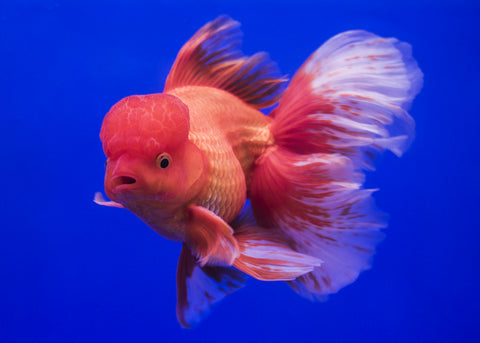
The Oranda goldfish is famous for its unique and charming features. This fish stands out in any aquarium. Its look is a mix of elegance and curiosity. Many people love Orandas for their special traits.
Understanding these features helps in caring for them better. Each trait has a role in their beauty and health. Below are the main features that define Oranda goldfish.
Physical Characteristics
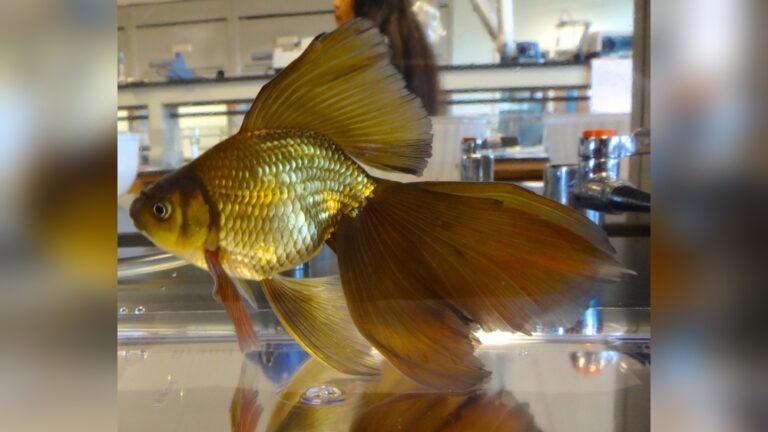
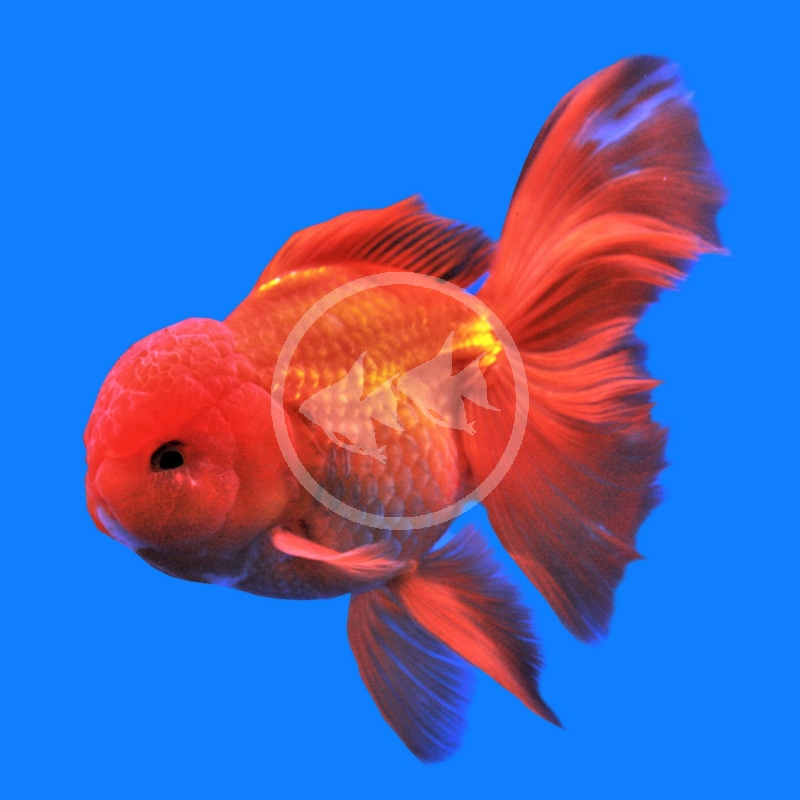
Oranda goldfish have a round, egg-shaped body. Their fins are long and flowing, adding grace. They grow to about 6 to 8 inches in length. Their eyes are large and bright, showing alertness. The tail fin is fan-shaped and splits into two lobes. These fish move slowly but with a smooth flow.
Color Variations
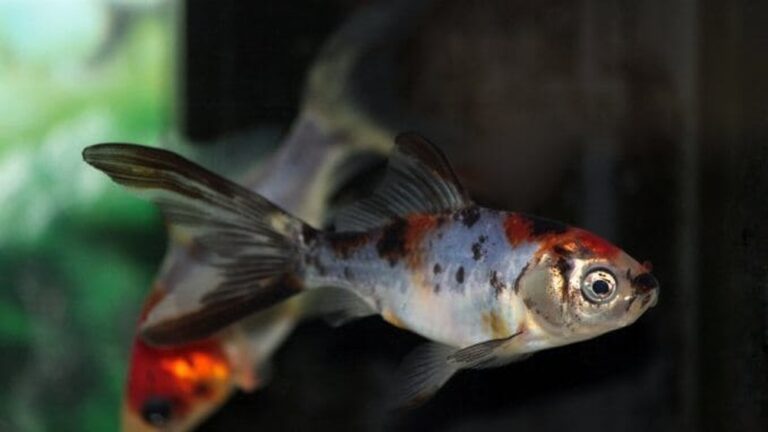
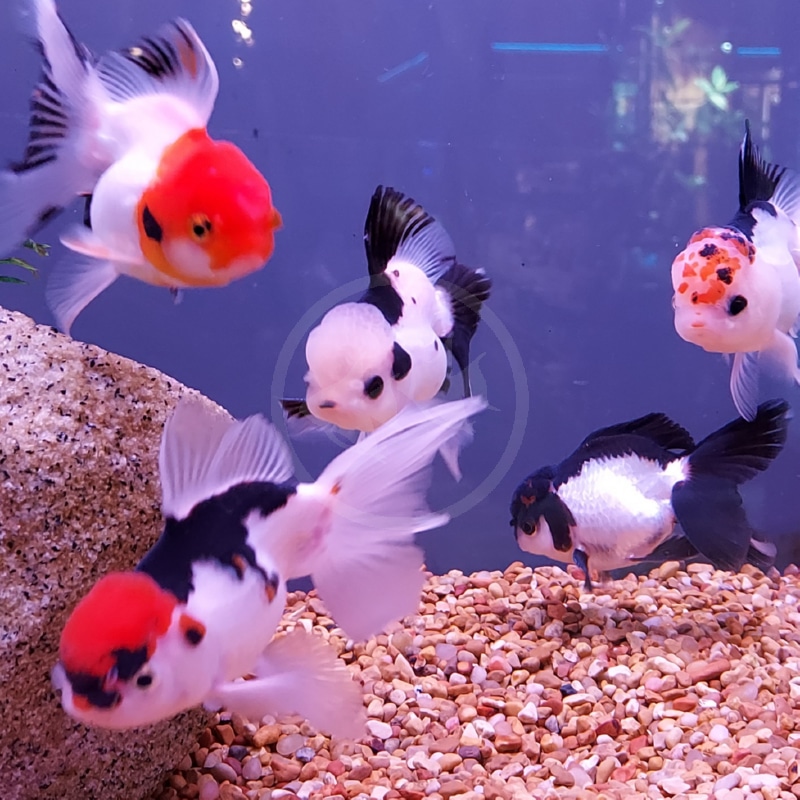
Orandas come in many colors. Red and white are the most common. Some have black, blue, or chocolate shades. There are also rare colors like calico and orange. Their colors can be solid or mixed. Bright colors make them a lovely addition to tanks.
Wen Development
The wen is the head growth on Orandas. It looks like a soft crown or cap. This feature starts to appear when the fish is young. The wen grows larger as the fish matures. It covers the top and sides of the head. Care must be taken to keep it clean and healthy.
Oranda Care Basics
Oranda goldfish are beautiful and delicate pets. They need proper care to stay healthy and happy. Understanding the basics of their care is important for every owner. This section covers the essential points about their tank setup, water conditions, and feeding.
Simple steps can make a big difference in their life. Clear, easy tips help you create the best environment for your Oranda goldfish.
Tank Setup
Choose a tank with at least 20 gallons of water for one Oranda. These fish need space to swim freely. Use a smooth substrate to protect their fins. Add decorations without sharp edges. Provide hiding spots with plants or ornaments. A good filter helps keep the water clean. Avoid strong water currents, as Orandas prefer calm water.
Water Conditions
Keep the water temperature between 65°F and 75°F (18°C to 24°C). Test water regularly for ammonia, nitrite, and nitrate levels. Keep ammonia and nitrite at zero, nitrate below 40 ppm. Perform weekly water changes of 25% to 30%. Use a water conditioner to remove chlorine and harmful chemicals. Maintain a pH level between 6.0 and 8.0 for best health.
Feeding Guidelines
Feed your Oranda two to three times a day. Offer small portions they can eat in two minutes. Use high-quality pellets or flakes made for goldfish. Supplement their diet with fresh vegetables like peas or spinach. Avoid overfeeding to prevent water pollution and health problems. Remove any uneaten food after feeding to keep the tank clean.
Health And Common Issues
Oranda goldfish are beautiful but need good care to stay healthy. Their unique head growth, called a wen, can cause health problems if not cared for. Knowing common health issues helps keep your Oranda happy and strong.
Watch for signs of illness early. Quick action can prevent serious problems. Clean water and a balanced diet support their health. Understanding their needs helps avoid stress and disease.
Wen Care And Problems
The wen on Oranda goldfish grows over time. It can trap dirt and bacteria. Clean the wen gently with a soft cloth during tank maintenance. Watch for swelling or redness. These signs may mean infection. If the wen grows too large, it can block vision or breathing. Regular checkups help spot problems early.
Disease Prevention
Keep the water clean and at the right temperature. Poor water quality causes most diseases. Use a good filter and change water often. Feed a balanced diet with quality flakes or pellets. Avoid overfeeding to prevent water pollution. Quarantine new fish before adding them to the tank. This stops disease spread. Look for unusual spots, swelling, or behavior changes.
Signs Of Stress
Orandas show stress by hiding or swimming erratically. Loss of appetite and faded colors also indicate stress. Gasping at the water surface means low oxygen. Stress weakens their immune system. Check water quality and tank conditions if you see these signs. Keep the environment calm and stable to reduce stress.
Credit: aquaticsunlimited.com
Oranda Behavior And Temperament
The Oranda goldfish is known for its calm and gentle nature. These fish have a peaceful temperament that makes them great pets. Understanding their behavior helps create a happy tank environment. Their actions show curiosity and they enjoy exploring their space.
Orandas are social creatures. They like company and interact well with other fish. They swim slowly and often stay near the middle or bottom of the tank. Their calm behavior makes them easy to care for and observe.
Social Interaction
Oranda goldfish enjoy being around others of their kind. They often swim together in small groups. They do not show aggressive behavior toward tank mates. Instead, they seem to recognize and respond to their companions. Orandas may follow each other and share space peacefully. Their friendly nature helps them feel secure and relaxed.
Compatibility With Other Fish
Orandas get along well with many other fish species. They prefer tank mates that are also calm and slow-moving. Fast or aggressive fish can stress them out. Suitable companions include other fancy goldfish and peaceful cold-water fish. Avoid small or very active fish that might get hurt. A peaceful community tank helps Orandas thrive and stay healthy.
Breeding Oranda Goldfish
Breeding Oranda Goldfish can be a rewarding experience for fish keepers. These fish are beautiful and have unique features. Breeding them requires care and patience. Understanding their needs helps increase success.
Proper conditions and good care of young fish are key. This guide explains the main steps for breeding Oranda Goldfish.
Spawning Conditions
Oranda Goldfish need the right water temperature to spawn. Keep the tank between 68°F and 74°F. A stable environment helps trigger breeding behavior.
Use plants or spawning mops for the fish to lay eggs on. Light should be moderate and consistent each day. Avoid sudden changes in water or temperature.
Feed the breeders with quality food before spawning. Live or frozen foods work well. Strong, healthy fish produce better eggs and sperm.
Raising Fry
Once eggs hatch, fry need special care. Keep water clean and well-oxygenated. Use a sponge filter to avoid harming tiny fish.
Feed the fry small foods like baby brine shrimp or crushed flakes. Feed many times a day but in small amounts. Remove uneaten food to keep water fresh.
Change water regularly but carefully. Avoid strong water currents that can stress the young fish. Watch them closely for any signs of illness.
Credit: aquaticsunlimited.com
Oranda Goldfish Popular Varieties
Oranda goldfish come in many beautiful varieties. Each type has unique colors and features. These varieties make Orandas popular among fish lovers.
Understanding the popular types helps you choose the right one for your aquarium. Here are three well-known Oranda goldfish varieties.
Red Cap Oranda
The Red Cap Oranda is famous for its bright red head. Its body is usually pure white. The red “cap” on its head looks like a little hat. This variety is very striking and easy to recognize.
Blue Oranda
Blue Orandas have a soft, bluish-gray body color. Their head growth, or wen, often matches or is lighter. This variety looks calm and elegant in any tank. Blue Orandas are less common but highly admired.
Black Oranda
Black Orandas are rare and eye-catching. Their whole body and wen are deep black. This dark color makes them unique among goldfish. Black Orandas add a bold look to your fish collection.
How Smart Pets Lover Can Help You with Oranda Goldfish
Learning from Your Oranda Goldfish Experience
Welcoming an Oranda Goldfish into your home is more than just a pet choice—it’s a hands-on lesson in aquatic care, behavior, and even breeding. As you observe their unique features and temperament, you naturally gain insight into responsible fish care, including recognizing common health issues early. This practical experience deepens your understanding of how delicate water conditions and proper feeding routines impact their well-being.
For those curious about breeding or exploring various Oranda varieties, the journey offers a rewarding opportunity to connect with the nuances of genetics and fish behavior. Each step reinforces responsible pet ownership, something we cherish at Smart Pets Lover, where sharing knowledge helps pet parents feel confident and connected.
- Track your Oranda’s behavior and health to spot changes quickly.
- Experiment with tank setups based on Oranda care basics to find what suits your fish best.
- Document your observations to build a personal care guide tailored to your pet.
If you ever need guidance or want to share your experiences, reach out to communities or experts who understand the special bond between pet parents and their finned friends. After all, every wag, purr, and chirp tells a story—yours includes a splash of gold and fins.
Frequently Asked Questions
What Is An Oranda Goldfish?
An Oranda Goldfish is a fancy goldfish variety known for its distinctive hood or wen. It has a rounded body and flowing fins. This breed is popular among aquarium enthusiasts for its unique appearance and calm temperament.
How Do You Care For Oranda Goldfish?
Oranda Goldfish require a spacious tank with clean, well-filtered water. Maintain water temperature between 65-72°F. Feed them a balanced diet of flakes, pellets, and occasional vegetables. Regular tank cleaning and monitoring water quality are essential for their health.
What Is The Lifespan Of An Oranda Goldfish?
Oranda Goldfish can live 10 to 15 years with proper care. Providing a clean environment and balanced diet helps maximize their lifespan. Regular health checks prevent common diseases and keep them thriving.
Can Oranda Goldfish Live With Other Fish?
Orandas are peaceful and can live with other gentle fish. Avoid aggressive or fast-swimming species that may stress them. Ensure tank mates have similar water requirements and temperaments to maintain harmony.
Conclusion
Oranda goldfish are beautiful and fun pets to keep. They need clean water and proper food to stay healthy. These fish enjoy calm tank environments with gentle care. Watching their bright colors and flowing fins brings joy. Caring for Orandas helps you learn patience and responsibility.
Start with simple steps and enjoy your fish’s growth. They bring life and color to any home aquarium. Choose them if you want a peaceful, lovely fish friend.