Nerite Snails
Are you looking for a simple and effective way to keep your aquarium clean and beautiful? Nerite snails might be exactly what you need.
These little creatures are not just charming to watch—they work hard to control algae and keep your tank sparkling. If you want to learn how Nerite snails can transform your aquarium and how to care for them easily, keep reading.
Your fish tank will thank you!
Credit: aquaticarts.com
Nerite Snail Species
Nerite snails are popular in aquariums for their algae-eating skills. They come from different species with unique traits. These snails live in fresh, brackish, and saltwater habitats.
Each species has special colors and patterns. This variety makes them attractive to hobbyists. Understanding the main species helps in choosing the right snail for your tank.
Common Varieties
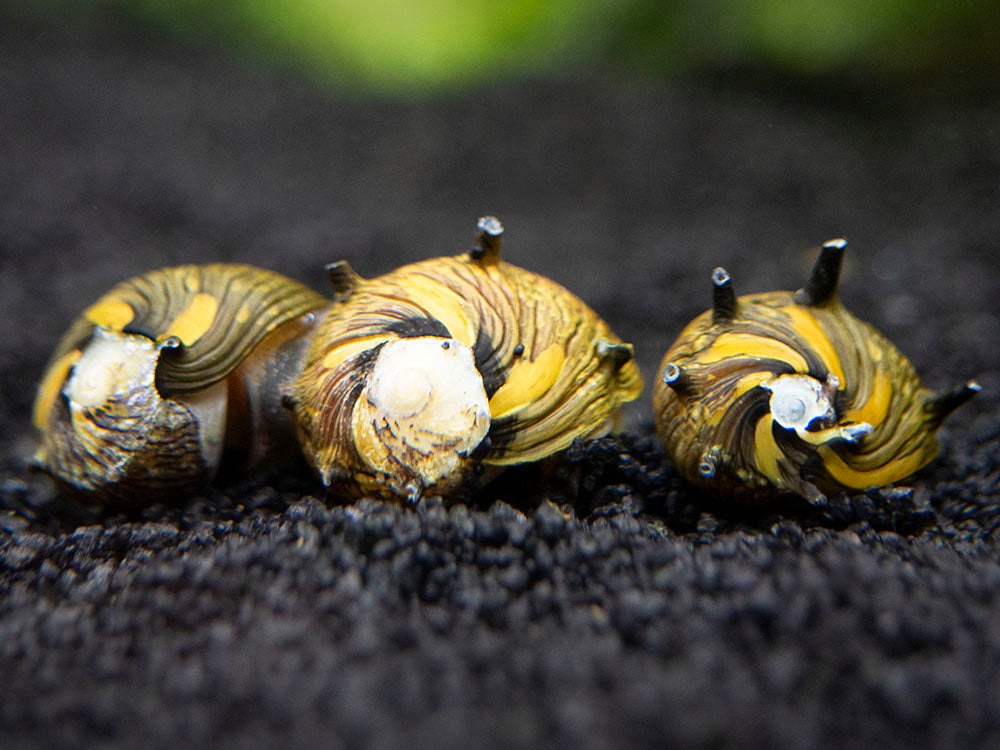
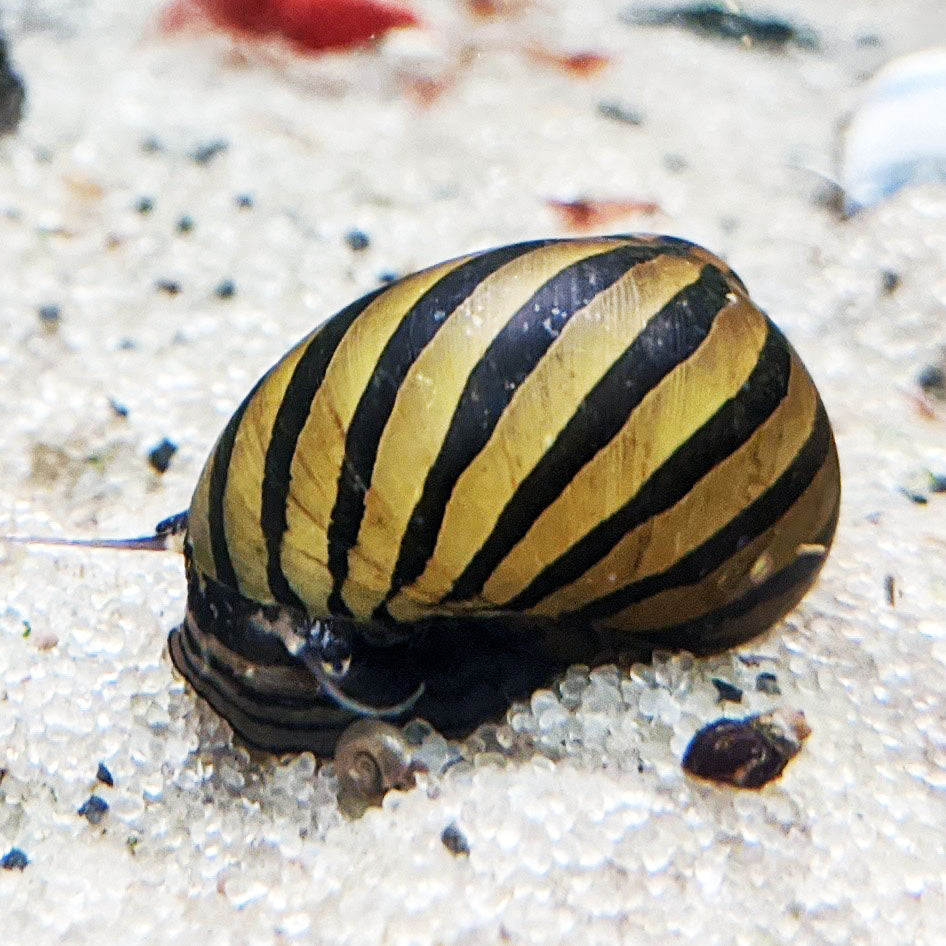
The Zebra Nerite is one of the most known types. It has black and white stripes like a zebra. The Tiger Nerite shows bold black and yellow stripes.
The Olive Nerite is smaller and has a smooth shell. The Horned Nerite has small horn-like shapes on its shell. Other types include the Black Racer and the Red Racer.
Color And Pattern Differences
Nerite snails have many shell colors. Some shells are yellow, orange, or red. Others show black, white, or brown tones. Patterns range from spots to stripes to swirls.
Colors can change slightly based on water conditions. Patterns help with camouflage and protection. These differences add beauty to any aquarium setup.

Credit: www.aquariumcoop.com
Habitat And Distribution
Nerite snails are popular freshwater and brackish water creatures. Their habitat and distribution reveal their adaptability. These snails thrive in diverse environments. Understanding where they live helps in caring for them properly.
Natural Environments
Nerite snails live in rivers, streams, and estuaries. They prefer clean water with moderate flow. These snails often cling to rocks, wood, and plants. They graze on algae, helping keep surfaces clean. Some species tolerate brackish water, mixing fresh and saltwater. Their ability to survive in different habitats makes them unique.
Geographic Range
Nerite snails are found worldwide, mostly in tropical regions. They live in Africa, Asia, and the Americas. Some species inhabit Pacific and Indian Ocean islands. Their distribution covers both freshwater and coastal areas. This wide range shows their strong survival skills. Each species adapts to local water conditions and food sources.
Physical Characteristics
Nerite snails have distinct physical features that make them popular in aquariums. Their appearance varies by species but shares common traits. These features help them survive and thrive in different water environments.
Shell Structure
The shell of a Nerite snail is hard and smooth. It often has bright colors and unique patterns. These patterns can be stripes, spots, or swirls. The shell’s shape is usually round or slightly oval. It protects the snail from predators and harsh water conditions. The shell also grows as the snail ages.
Size And Growth
Nerite snails stay small and compact. Most species grow between one to two inches. Growth depends on food, water quality, and tank conditions. They grow quickly during their first few months. After reaching full size, growth slows down. Small size makes them suitable for many aquariums.
Behavior And Activity
Nerite snails show calm and interesting behavior in aquariums. They stay active mostly during the day. Their movements and feeding help keep the tank clean. Watching them can be quite relaxing. Understanding their habits helps in caring for them well.
These snails are peaceful and rarely bother other tank inhabitants. They explore surfaces slowly and methodically. Their activity varies with light and tank conditions. They prefer smooth surfaces to crawl on. This behavior makes them good algae cleaners.
Feeding Habits
Nerite snails mainly eat algae and biofilm. They use a small tongue-like organ called a radula to scrape food. This helps keep the aquarium glass and decorations clean. They also eat leftover fish food but avoid overfeeding. Feeding them vegetables like zucchini can be beneficial.
These snails do not need extra food if algae are present. Overfeeding can cause water quality problems. Their appetite changes with the tank’s cleanliness and light. They prefer fresh, soft algae over tough types. This selective feeding keeps the tank balanced.
Movement Patterns
Nerite snails move slowly but steadily across surfaces. They explore the tank searching for food and safe spots. Their movement is mostly horizontal on glass, rocks, and plants. They rarely climb the tank walls too high. This helps them avoid drying out or falling.
They tend to be more active during daylight hours. At night, they rest or hide in corners. Sudden movements or loud noises can make them retreat. Their slow pace makes them easy to observe. Movement patterns reflect their calm and gentle nature.
Tank Setup Tips
Nerite snails are a popular choice for many aquariums. They help keep tanks clean by eating algae. Setting up the tank right is key to their health and happiness. Small details in the tank environment make a big difference.
Proper water conditions and compatible tank mates create a safe and comfortable space. This section covers essential tank setup tips to keep your Nerite snails thriving.
Ideal Water Conditions
Nerite snails prefer water with a pH between 7.5 and 8.5. The water should be hard, with calcium to keep their shells strong. Temperature should stay between 72°F and 78°F (22°C to 26°C). Keep the water clean and well-filtered. Avoid sudden changes in water parameters to prevent stress.
Compatible Tank Mates
Choose peaceful fish that will not harm Nerite snails. Avoid aggressive or snail-eating species like some cichlids. Small tetras, guppies, and shrimp are good companions. Keep in mind that fast-moving fish might scare the snails. A calm tank helps Nerite snails feel safe and active.
Credit: shrimpybusiness.com
Diet And Nutrition
Nerite snails have a simple and natural diet. They mainly eat algae and biofilm found in aquariums. This helps keep tanks clean and balanced. Proper nutrition keeps them healthy and active.
Understanding what Nerite snails eat helps maintain their well-being. Their diet is easy to manage with the right foods. Feeding them correctly supports their shell growth and energy.
Preferred Foods
Nerite snails love eating algae. Green algae and soft algae sheets are ideal. They also graze on diatoms and film on rocks. Spirulina flakes or algae wafers work well too. These foods supply essential nutrients and fiber.
They rarely eat fresh vegetables but enjoy blanched zucchini or spinach. Avoid overfeeding to prevent water pollution. Clean tanks help snails find natural food easily.
Supplementing Diet
Sometimes algae growth is low in tanks. Offering calcium supplements strengthens their shells. Crushed coral or cuttlebone can be placed in the aquarium. This slowly releases calcium into the water.
Occasional feeding of fish flakes or sinking pellets adds protein. Avoid foods high in fats or oils. Balanced supplements improve snail health and lifespan.
Breeding Nerite Snails
Breeding Nerite snails can be a rewarding experience for aquarium hobbyists. These snails are known for their unique shells and algae-eating habits. Understanding their breeding process helps create the right environment for successful reproduction. This section explains how Nerite snails lay eggs and how to raise their young.
Egg Laying Process
Nerite snails lay small, round eggs on hard surfaces like glass, rocks, or plants. The eggs look like tiny white clusters and are often found near the waterline. Female snails can lay hundreds of eggs at a time. The eggs take about two weeks to hatch, depending on water temperature. It is important to keep the tank clean and stable during this time.
Raising Juveniles
Raising Nerite snail babies requires special care. The young snails are very tiny and need clean water with enough food. They mainly eat algae and biofilm. Providing a separate tank for the juveniles helps protect them from predators. Regular water changes and gentle feeding promote healthy growth. With patience, the juveniles will grow into beautiful adult snails.
Common Health Issues
Nerite snails are hardy creatures but can face some health problems. Knowing common issues helps keep them safe and healthy. Watch your snails closely for signs of trouble. Early care improves their chances of recovery.
Shell Damage
Shell damage is a frequent problem with nerite snails. Cracks or holes can happen from rough handling or sharp decorations. Poor water quality also weakens shells over time. Soft or pitted shells indicate a calcium deficiency. Provide calcium-rich foods or supplements to help. Avoid sudden changes in water pH to protect their shells.
Parasites And Diseases
Parasites can infect nerite snails and cause illness. Signs include slow movement and unusual spots on the shell. Bacterial infections may show as slimy patches or discoloration. Quarantine new snails before adding them to the tank. Keep the tank clean to reduce disease risks. Treat infections early with safe aquarium medicines.
Benefits In Aquariums
Nerite snails bring many benefits to home aquariums. They help keep the tank healthy and attractive. Their natural behavior supports the balance of the ecosystem inside the aquarium.
Algae Control
Nerite snails are excellent algae eaters. They eat many types of algae that grow on tank surfaces. This helps prevent algae overgrowth, which can harm fish and plants. Their eating habits reduce the need for chemical cleaners. Snails reach places that are hard to clean by hand. Their constant grazing keeps the aquarium looking clear and fresh.
Tank Cleanliness
These snails also help keep the tank clean. They eat leftover food and dead plant matter. This reduces waste that pollutes the water. Cleaner water means healthier fish and plants. Nerite snails do not produce much waste themselves. Their presence helps maintain a balanced and stable environment. They work quietly and effectively without disturbing other tank inhabitants.
How Smart Pets Lover Can Help You with Nerite Snails
Learning Through Caring for Nerite Snails
Understanding the behavior and activity of Nerite snails offers a wonderful chance to observe nature’s quiet engineers at work. Their unique physical characteristics and tank setup needs create practical learning moments about aquatic ecosystems and water chemistry. For example, maintaining the right tank conditions not only benefits the snails’ health but also deepens your appreciation of how habitat influences species survival.
- Explore their diet and nutrition to see how algae control contributes to a balanced aquarium environment.
- Observe their breeding challenges to learn patience and the complexities of aquatic life cycles.
At Smart Pets Lover, we believe that each pet experience can bring joy and knowledge, helping pet parents feel confident and connected. If you ever need advice on caring for your Nerite snails or want to share your experiences, don’t hesitate to reach out through our website. After all, where every wag, purr, and chirp tells a story, even the quietest snail has lessons to share.
Frequently Asked Questions
What Do Nerite Snails Eat In Aquariums?
Nerite Snails mainly eat algae, biofilm, and leftover fish food. They help keep tanks clean by grazing on green algae. Avoid overfeeding to prevent water quality issues. They do not eat live plants, making them safe for planted tanks.
How Long Do Nerite Snails Live?
Nerite Snails typically live 1 to 2 years in aquariums. Their lifespan depends on water quality, diet, and tank conditions. Proper care and stable environment can extend their life. Regular tank maintenance supports their health and longevity.
Can Nerite Snails Reproduce In Freshwater Tanks?
Nerite Snails usually cannot reproduce in freshwater tanks. Their eggs require brackish or saltwater to hatch. They may lay eggs, but these won’t develop in freshwater. This makes them ideal for controlling snail population naturally.
Are Nerite Snails Safe For Planted Tanks?
Yes, Nerite Snails are safe for planted tanks. They do not eat live plants or harm roots. They clean algae without damaging plants. Their peaceful nature makes them compatible with most aquarium inhabitants.
Conclusion
Nerite snails make great additions to freshwater tanks. They help keep algae under control and are easy to care for. These snails do not harm plants or fish, making them peaceful tank mates. Their unique shell patterns add beauty to any aquarium.
Remember to provide a calcium source for healthy shells. Regular tank cleaning supports their health and activity. Enjoy watching these small, busy creatures as they clean your tank naturally. Nerite snails offer a simple way to improve your aquarium’s look and cleanliness.