Neon Tetra
If you’ve ever seen a small fish glowing with bright blue and red colors, you’ve probably met the neon tetra. These tiny fish are more than just beautiful—they can bring life and color to your aquarium like nothing else.
But how do you keep them healthy and happy? What makes neon tetras so special compared to other fish? You’ll discover everything you need to know about neon tetras, from their unique traits to the best care tips. Ready to make your aquarium shine?
Let’s dive in!
Neon Tetra Basics
Neon Tetras are small, colorful fish popular in home aquariums. They bring bright colors and peaceful behavior to any tank. Understanding their basics helps keep them healthy and happy.
These fish are easy to care for and great for beginners. Learning about their features, habitat, and lifespan is important before adding them to a tank.
Physical Features
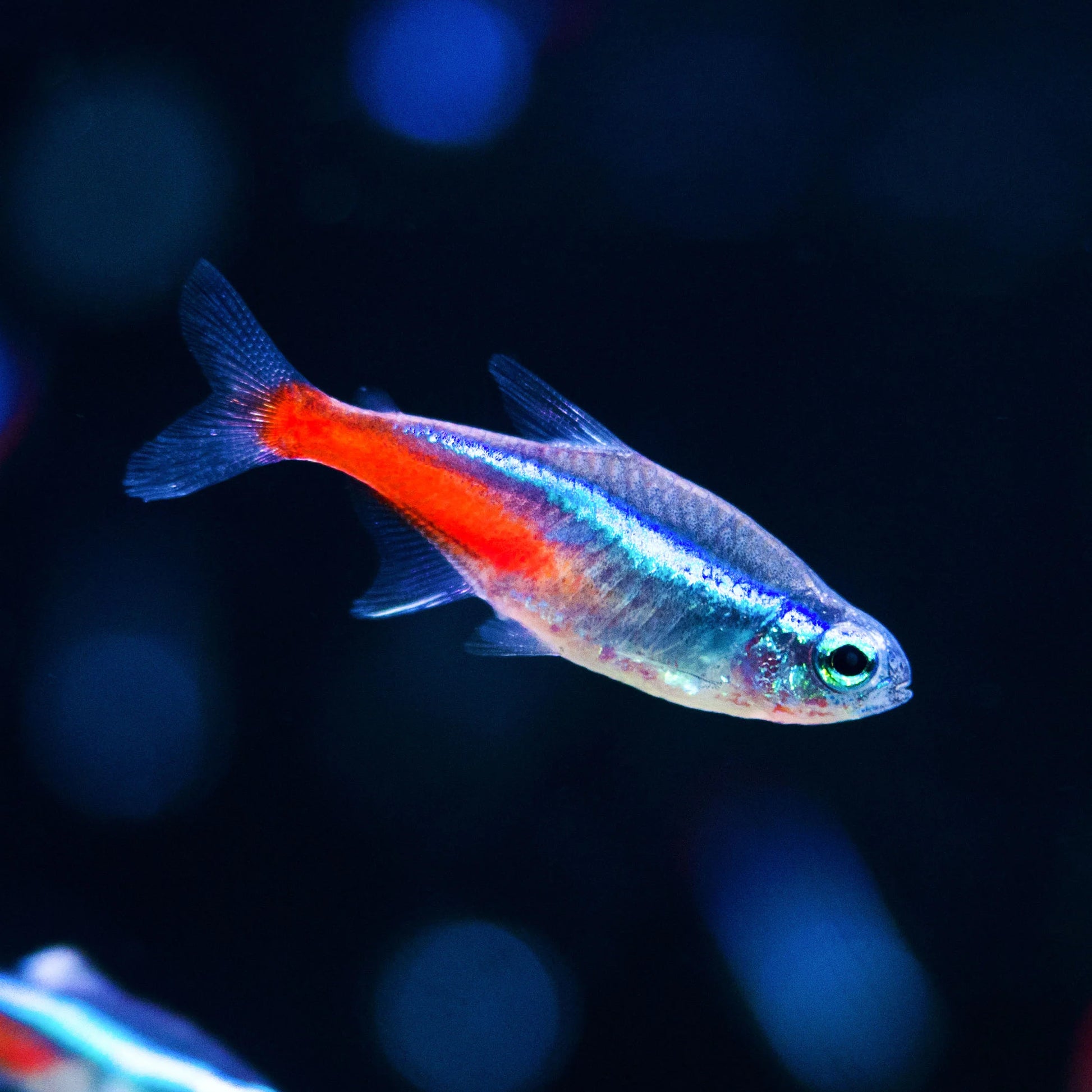
Neon Tetras have a bright blue stripe that runs from head to tail. Below this, a red stripe shines vividly. Their small size, about 1.5 inches, makes them perfect for community tanks. Their slim bodies and shiny colors attract many fish lovers.
Natural Habitat
Neon Tetras live in slow-moving waters of South America. They are found in rivers and streams with plenty of plants. The water is soft, warm, and slightly acidic there. Knowing this helps recreate the best home for them in an aquarium.
Lifespan
Neon Tetras usually live 5 to 10 years in good care. Proper water conditions and food increase their lifespan. Stress and poor water quality can shorten their life. Regular tank maintenance keeps them healthy and active.

Credit: en.wikipedia.org
Tank Setup
Setting up a tank for Neon Tetras is important for their health and happiness. A well-prepared environment helps these small fish thrive. Each part of the tank setup matters, from size to decorations.
Tank Size
Neon Tetras are small but active fish. A tank of at least 10 gallons is best for a small group. More space means they can swim freely and stay healthy. Crowded tanks cause stress and illness.
Water Conditions
Neon Tetras prefer soft, slightly acidic water. Keep the pH between 6.0 and 7.0. The temperature should stay between 70°F and 81°F. Regular water changes keep the tank clean. Stable conditions reduce stress and disease risks.
Plants And Decorations
Live plants provide hiding spots and improve water quality. Use plants like Java moss or Anubias. Decorations should be smooth and safe. Avoid sharp edges that can hurt the fish. Dark substrate and dim lighting mimic their natural habitat.
Feeding Neon Tetras
Feeding Neon Tetras is simple but important for their health. Good nutrition keeps their colors bright and helps them live longer. Understanding what and how to feed them makes a big difference.
Neon Tetras enjoy a variety of foods. Their diet should be balanced and meet their needs.
Diet Types
Neon Tetras eat flakes, pellets, and live or frozen food. Flake food made for small tropical fish works well. Frozen or live foods like brine shrimp and daphnia add protein. Mixing different foods gives them a balanced diet. Plants and algae also help with vitamins and minerals.
Feeding Frequency
Feed Neon Tetras small amounts twice a day. This matches their natural eating habits. Offer only what they can eat in two minutes. Too much food can pollute the tank. Regular feeding keeps their energy up and colors bright.
Avoiding Overfeeding
Overfeeding causes water problems and fish illness. Leftover food breaks down and makes the tank dirty. Watch your fish during feeding time. Stop feeding when food remains uneaten. Clean the tank regularly to keep fish healthy. A clean tank means happy Neon Tetras.

Credit: www.completekoi.com
Behavior And Social Needs
Neon Tetras are small, colorful fish known for their lively behavior. They are peaceful and enjoy living in groups. Understanding their social needs helps keep them happy and healthy. Observing their behavior gives clues about their well-being.
Schooling Habits
Neon Tetras naturally swim in schools. They feel safe and confident in groups of six or more. Swimming together reduces stress and shows natural behavior. Alone, they may hide or become shy. Group swimming creates a beautiful, moving display in the tank.
Compatibility With Other Fish
Neon Tetras get along well with many peaceful fish. Avoid aggressive or much larger tank mates. They prefer calm environments with similar-sized fish. Good companions include guppies, rasboras, and small catfish. Keeping them with calm fish reduces stress and prevents injury.
Health And Disease
Neon Tetras are small, bright fish that brighten any aquarium. Keeping them healthy is important for their colors and activity. Like all fish, they can face health problems. Knowing about common illnesses helps you care better for them.
Common Illnesses
Neon Tetras often get diseases like Neon Tetra Disease, fin rot, and Ich. Neon Tetra Disease causes muscle weakness and color loss. Fin rot makes fins look ragged and torn. Ich shows as white spots on the fish’s body and fins. These illnesses can spread fast in an aquarium.
Prevention Tips
Clean water is key to keeping Neon Tetras healthy. Change tank water regularly and remove uneaten food. Avoid overcrowding the tank. Keep the water temperature steady between 70°F and 81°F. Use a good filter to keep water clean. Quarantine new fish before adding them to your tank.
Treatment Options
Early treatment improves recovery chances. For Neon Tetra Disease, no cure exists, but you can keep sick fish separate. Treat fin rot with antibacterial medicines. Ich requires raising the water temperature and using special Ich treatment. Always follow medicine instructions carefully. Maintain clean water during treatment to help fish heal faster.
Credit: vedaaquarium.com
Breeding Neon Tetras
Breeding Neon Tetras can be a rewarding experience for aquarium enthusiasts. These small, colorful fish are peaceful and easy to care for. Creating the right environment helps encourage spawning. Understanding their needs makes the process smoother and increases success.
Patience and attention to detail are key. Observing their behavior gives clues about readiness to breed. Careful preparation leads to healthy eggs and strong fry.
Spawning Conditions
Neon Tetras prefer soft, slightly acidic water for spawning. Keep the temperature between 75°F and 80°F (24°C to 27°C). Dim lighting helps simulate their natural habitat. Use a separate breeding tank to protect eggs and adults. Provide fine-leaved plants or spawning mops for egg attachment. Maintain clean water with gentle filtration. Avoid strong water currents. Feed adults nutritious live or frozen foods before breeding.
Egg Care
Eggs are very small and transparent. Remove adult fish after spawning to prevent egg eating. Keep the water clean and oxygenated. Use a gentle air stone or sponge filter. Avoid bright light, as it can harm eggs. Eggs hatch in about 24 to 36 hours. Remove any fungus-infected eggs to protect healthy ones. A slight water change each day helps maintain water quality.
Raising Fry
Fry are tiny and fragile at first. They need infusoria or liquid fry food for the first few days. After a week, introduce newly hatched brine shrimp or powdered fry food. Feed small amounts several times a day. Keep water temperature stable and clean. Use a sponge filter to avoid sucking up fry. Watch for signs of stress or illness. As fry grow, gradually increase tank size and food variety.
How Smart Pets Lover Can Help You with Neon Tetra
Learning Through Caring for Neon Tetras
Welcoming Neon Tetras into your home is more than just adding vibrant colors to your tank—it’s an opportunity to deepen your understanding of aquatic life. As you set up their tank, paying attention to water parameters and decor not only creates a healthy environment but also sharpens your skills in maintaining balanced ecosystems.
Feeding Neon Tetras a varied diet encourages observation of their behavior and social needs, helping you notice subtle signs of health or stress. This hands-on experience builds confidence in spotting and addressing common diseases early, reinforcing responsible pet ownership.
At Smart Pets Lover, we believe that every pet journey teaches us something new. Whether you’re a seasoned aquarist or just starting, exploring breeding techniques can be a rewarding way to connect more deeply with your Neon Tetras and appreciate the delicate cycles of life.
If questions arise, don’t hesitate to reach out to local aquatic specialists or online communities—learning is always ongoing, and every small step brings you closer to being the best pet parent you can be.
Frequently Asked Questions
What Is A Neon Tetra Fish?
Neon Tetra is a small freshwater fish known for its bright blue and red colors. It is popular in home aquariums due to its peaceful nature and vibrant appearance. This fish thrives in groups and prefers calm, planted tanks.
How Long Do Neon Tetras Live?
Neon Tetras typically live between 5 to 10 years with proper care. Their lifespan depends on water quality, diet, and tank conditions. Regular maintenance and a balanced diet help them stay healthy and live longer.
What Is The Ideal Tank Size For Neon Tetras?
A 10-gallon tank is ideal for a small group of Neon Tetras. They prefer to live in schools of six or more, so a larger tank is better for their social needs. Proper filtration and hiding spots are essential.
What Do Neon Tetras Eat?
Neon Tetras are omnivores and eat flakes, small pellets, and live or frozen foods. A varied diet including brine shrimp and daphnia keeps them healthy. Feeding small amounts twice daily is recommended.
Conclusion
Neon Tetras add bright colors to any aquarium. They are peaceful and easy to care for. These fish live well in groups and enjoy calm water. Feeding them simple flakes or small live food works best. Watching their glowing bodies swim brings joy and calm.
Many beginners find Neon Tetras a great start. Small tanks can host these lively little swimmers. Keep water clean and stable for their health. A tank with plants and hiding spots helps them feel safe. Neon Tetras brighten homes with their gentle charm.