Nano Fish
Are you looking to add a splash of life and color to your space without needing a big tank? Nano fish might be exactly what you need.
These tiny, vibrant fish bring beauty and calm to any room, even if you have limited space or time. Imagine watching their graceful movements right on your desk or shelf, creating a peaceful corner just for you. You’ll discover everything you need to know about nano fish—from choosing the right species to caring for them easily.
Ready to make your space more lively and relaxing? Keep reading, and let’s dive into the fascinating world of nano fish together.
What Are Nano Fish
Nano fish are tiny fish species that live comfortably in small tanks. They are perfect for small spaces and beginner fish keepers. These fish are colorful, active, and easy to care for. Nano fish bring life and beauty to any small aquarium.
Many people choose nano fish because they require less water and space. Despite their size, they offer a full aquarium experience. They come in many shapes, colors, and styles.
What Defines A Nano Fish?
Nano fish are usually less than 2 inches long. Their small size makes them ideal for tanks under 10 gallons. These fish adapt well to small environments. Their tiny bodies need less food and produce less waste.
Common Types Of Nano Fish
Popular nano fish include guppies, neon tetras, and dwarf rasboras. Each type has unique colors and behaviors. They often form schools and swim actively. These fish add movement and charm to small tanks.
Care Requirements For Nano Fish
Nano fish need clean water and stable temperatures. Regular water changes keep them healthy. They prefer calm water with gentle filtration. Feeding should be small but frequent to match their size.
Popular Nano Fish Species
Nano fish are small but full of life. They fit perfectly in tiny tanks. Many species stay small yet show bright colors and active behaviors. These fish are great for beginners and experts. They bring beauty to small spaces without much effort.
Here are some popular nano fish species. Each has unique traits and charm. They add variety and interest to nano aquariums.
Betta Splendens
Betta splendens, also called Siamese fighting fish, are famous for their colors. Males have long, flowing fins and bright shades. They live well alone in small tanks. Bettas are easy to care for and adapt to many conditions. They like calm water and regular feeding.
Neon Tetras
Neon tetras are tiny fish with glowing blue and red stripes. They swim in groups, creating a lively scene. Neon tetras enjoy planted tanks with soft water. They are peaceful and do well with other small fish. These fish are hardy and good for beginners.
Celestial Pearl Danios
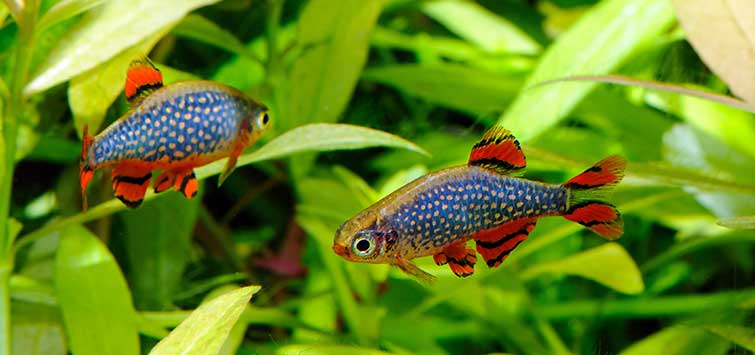
Celestial pearl danios are small with pearl-like spots on their bodies. They have bright fins with red tips. These fish like cooler water and planted tanks. They are shy but curious and stay in schools. Celestial pearl danios add sparkle to any nano aquarium.
Dwarf Rasboras
Dwarf rasboras are tiny, peaceful fish with a light orange color. They live well in small groups and planted tanks. These fish prefer calm water and clean conditions. Dwarf rasboras are easy to feed and active swimmers. They bring gentle movement to nano tanks.
Setting Up A Nano Aquarium
Setting up a nano aquarium requires careful planning and attention. A small tank needs the right environment to keep nano fish healthy and happy. Small spaces mean every detail counts.
Creating a balanced habitat helps fish thrive. Proper tank setup supports good water quality and fish comfort. Below are key elements to focus on for a successful nano aquarium.
Tank Size And Shape
Choose a tank between 2 to 10 gallons for most nano fish. Smaller tanks are easier to place in any room. Rectangular tanks offer more swimming space than tall or narrow ones. Shape affects water flow and fish movement.
Filtration And Aeration
Use a gentle filter suited for small tanks. Strong currents can stress tiny fish. A sponge filter or a small hang-on-back filter works well. Aeration keeps oxygen levels high and water fresh. An air stone or gentle bubbler is enough.
Lighting Needs
Provide moderate lighting for natural fish behavior. LED lights are energy-efficient and adjustable. Avoid bright or direct light to reduce fish stress. Proper lighting also helps plants grow if you add live plants.
Substrate And Decoration
Fine gravel or sand is best for nano tanks. It is safe and easy to clean. Add small decorations like rocks or driftwood for hiding places. Live plants improve water quality and create a natural look. Keep decorations minimal to allow swimming space.

Credit: aquaticarts.com
Water Conditions For Nano Fish
Nano fish need specific water conditions to stay healthy and happy. Small tanks mean water quality changes fast. Keeping water stable helps fish live longer and stay active.
Understanding the right temperature, pH, and hardness is key. Regular tank cleaning also plays a big role. These factors create a safe home for your tiny pets.
Temperature Range
Nano fish prefer water between 72°F and 78°F (22°C to 26°C). Avoid sudden temperature changes. Use a heater to keep the water warm and steady. Fish stress easily from cold or hot water.
Ph And Hardness
Most nano fish thrive in a pH range of 6.5 to 7.5. Water hardness should be soft to medium. Test water regularly with a simple kit. Balanced pH and hardness keep fish comfortable and healthy.
Regular Maintenance
Change 10-20% of the water weekly. Remove uneaten food and waste daily. Clean the filter but keep some beneficial bacteria. Good maintenance prevents harmful toxins and keeps water clear.
Feeding Nano Fish
Feeding nano fish requires care and attention to keep them healthy. These small fish need the right food and proper feeding times. Feeding too much or too little can harm their health. Knowing what to feed and how often helps maintain a clean tank and happy fish.
Types Of Food
Nano fish eat different kinds of food. Flakes and pellets are common and easy to find. They provide good nutrition. Live food like brine shrimp and daphnia give extra protein. Frozen food is also a good choice. It keeps well and is nutritious. Variety keeps nano fish healthy and active.
Feeding Frequency
Feed nano fish small amounts two times a day. This matches their small stomachs. Overfeeding can cause water problems. Young fish may need more frequent feeding. Adult fish do well with less food. Watch your fish to see if they are eating well.
Avoiding Overfeeding
Overfeeding is a common mistake with nano fish. Leftover food pollutes the water and harms fish. Only give what nano fish can eat in two minutes. Remove any uneaten food quickly. Clean the tank regularly to keep water safe. Healthy fish need clean water and good food.
Credit: www.tfhmagazine.com
Common Health Issues
Nano fish are small and delicate creatures. Their health can change quickly. Knowing common health issues helps keep them safe. Watch for signs early. Act fast to avoid serious problems. Understanding how to prevent and treat illnesses keeps nano fish happy and thriving.
Signs Of Illness
Look for unusual behavior like slow swimming or hiding. Check for faded colors or spots on the body. Gasping at the water surface shows breathing trouble. Clamped fins or loss of appetite are warning signs. Monitor their movements and appearance every day.
Preventive Measures
Keep the water clean and at the right temperature. Change the water regularly to avoid toxins. Feed small amounts of balanced food daily. Avoid overcrowding the tank to reduce stress. Quarantine new fish before adding them to the main tank.
Treatment Options
Use aquarium salt or medicine for common infections. Follow the instructions on any treatment carefully. Remove sick fish to a separate tank if needed. Maintain water quality during treatment to help recovery. Consult a fish expert for serious conditions or advice.
Breeding Nano Fish
Breeding nano fish can be a rewarding experience for aquarium enthusiasts. These tiny fish have unique habits and needs during reproduction. Understanding their breeding process helps ensure success. Patience and care are key to raising healthy fry.
Breeding Conditions
Set up a small, quiet tank for breeding nano fish. Keep the water temperature between 75 and 80 degrees Fahrenheit. Use soft, slightly acidic water to mimic their natural habitat. Add plenty of plants or spawning mops for egg laying. Avoid sudden changes in water quality or temperature.
Spawning Behavior
Nano fish often show clear signs before spawning. Males become more colorful and active. They chase females gently and display courtship dances. Females scatter eggs on plants or other surfaces. Some species guard their eggs, while others do not. Watch closely for these behaviors to know when spawning occurs.
Raising Fry
Remove adult fish after spawning to protect the fry. Feed the fry tiny foods like infusoria or liquid fry food. Gradually introduce baby brine shrimp as they grow. Change water regularly but gently to keep it clean. Provide hiding spots with fine plants for fry to feel safe. Growth is slow but steady with proper care.
Community And Compatibility
Nano fish are small and delicate. Their community and compatibility matter a lot. Choosing the right tank mates helps create a peaceful environment. This section covers key points about living with nano fish and other species.
Understanding how nano fish behave and interact is important. Avoiding aggression keeps your tank safe and calm. Careful planning makes your aquarium a happy place for all fish.
Choosing Tank Mates
Pick small fish with similar water needs and size. Avoid big or aggressive species that may harm nano fish. Peaceful fish like small tetras or shrimp often work well. Always research the needs of each species before adding them.
Behavioral Considerations
Nano fish often stay shy and prefer calm spaces. They may hide if stressed or crowded. Watch how new fish behave before mixing them. Some fish swim in groups, while others like solitude. Understanding these traits helps keep the tank balanced.
Avoiding Aggression
Fight and stress hurt nano fish health. Separate fish that show chasing or nipping. Keep enough space and hiding spots for all fish. Avoid fish known for territorial behavior. Regular observation helps spot problems early and keep peace.
Benefits Of Keeping Nano Fish
Nano fish are small, colorful, and easy to care for. They fit perfectly into tiny tanks. Many people enjoy keeping them for their beauty and simplicity. Nano fish bring joy without needing a large space.
These fish suit beginners and experts alike. They add life to any room or office. Their small size means less water and fewer supplies. This makes care simple and affordable.
Compact Size Saves Space
Nano fish live comfortably in small tanks. You can place these tanks on desks or shelves. They do not require large aquariums or much room. Ideal for apartments or small homes.
Low Maintenance Needs
Small tanks need less water and fewer filters. Cleaning is quick and easy. Feeding nano fish takes only a few minutes each day. Perfect for busy people with little free time.
Variety Of Colors And Species
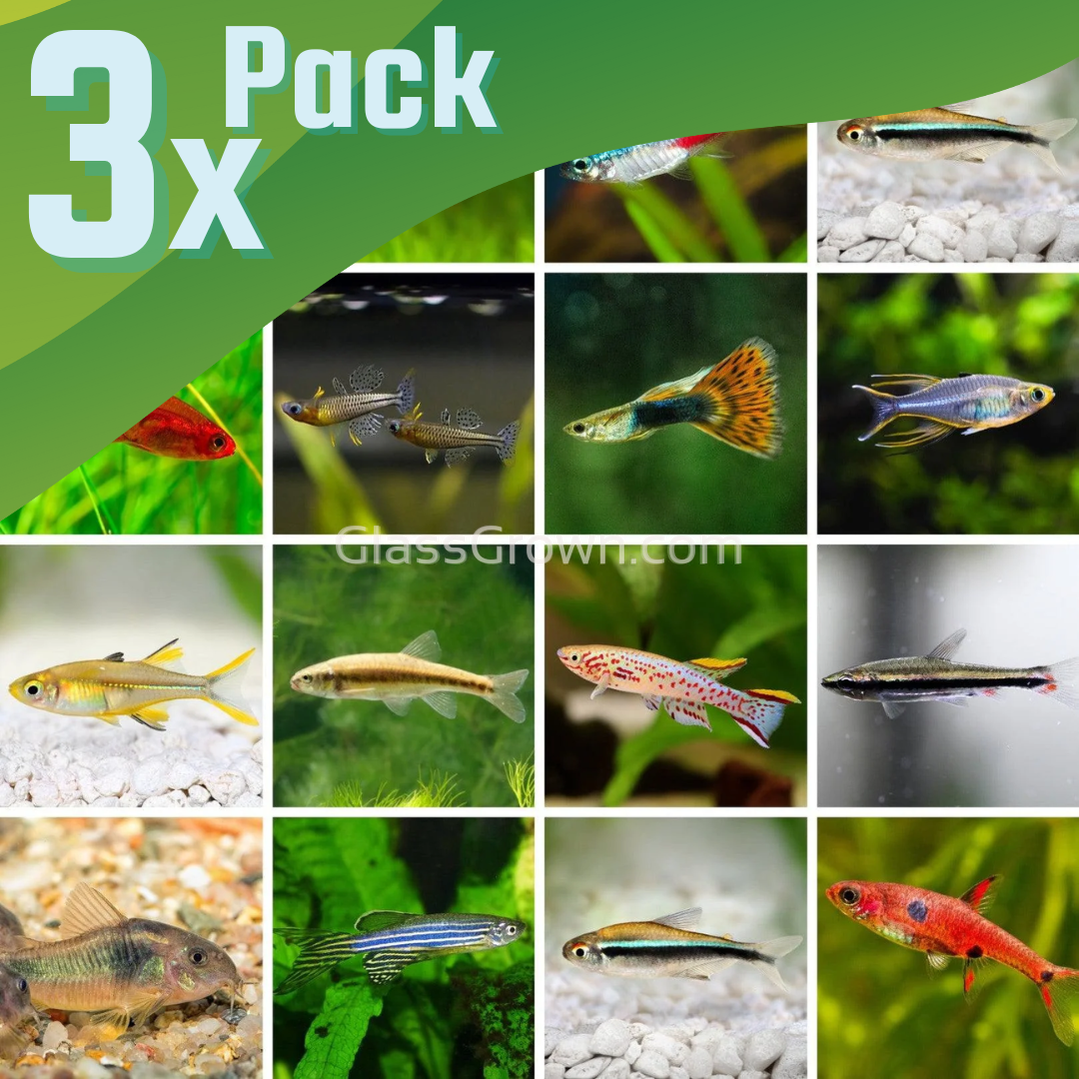
Nano fish come in many colors. You can find bright reds, blues, and yellows. Different species offer unique shapes and patterns. This variety keeps your aquarium interesting and lively.
Calming And Stress-reducing
Watching fish swim relaxes the mind. Nano fish create a peaceful atmosphere at home or work. They help reduce stress and improve mood. A small fish tank can be a soothing sight.
Educational For All Ages
Keeping nano fish teaches responsibility and care. Children learn about aquatic life and ecosystems. They develop patience and observation skills. A small aquarium is a great learning tool.
Credit: glassgrown.com
How Smart Pets Lover Can Help You with Nano Fish
Learning Through the World of Nano Fish
Embracing the care of nano fish opens up a wonderful avenue for practical learning, especially when you consider the nuances of setting up a nano aquarium and maintaining optimal water conditions. These small aquatic companions teach us patience and attention to detail—qualities essential for any pet parent.
By observing common health issues and understanding the right feeding practices, you develop a keen sense of responsibility and empathy, fostering a deeper connection with your tiny tank inhabitants. It’s a hands-on experience that goes beyond just watching fish swim; it’s about creating a balanced ecosystem and nurturing life in miniature form.
- Experiment with water parameters to see firsthand how they affect fish behavior.
- Keep a journal tracking feeding routines and any health changes.
- Explore compatibility and community dynamics within your nano tank.
At Smart Pets Lover, we believe every pet journey enriches your knowledge and heart. If you ever feel unsure, reaching out to fellow enthusiasts or experts can be a great way to learn more and share experiences—because every wag, purr, and even every tiny fin tells a story worth hearing.
For additional guidance, you can connect with our community or consult trusted resources to keep your nano fish thriving happily.
Frequently Asked Questions
What Is A Nano Fish And Why Choose It?
Nano Fish are small-sized aquarium fish ideal for compact tanks. They require minimal space and are easy to maintain. Their vibrant colors and active behavior make them popular for beginners and small aquariums.
How To Care For Nano Fish Properly?
Provide clean, warm water with regular changes. Maintain stable temperature and pH suitable for the species. Feed small amounts of quality food daily. Avoid overcrowding to reduce stress and promote healthy growth.
What Tank Size Suits Nano Fish Best?
A minimum of 5 gallons tank is recommended for Nano Fish. Small tanks allow easy maintenance and proper water quality. Ensure adequate filtration and hiding spots to keep them comfortable and healthy.
Are Nano Fish Compatible With Other Fish?
Most Nano Fish are peaceful and compatible with similar-sized species. Avoid aggressive or large fish that may harm them. Research species-specific behavior before mixing to ensure a harmonious aquarium environment.
Conclusion
Nano fish bring color and life to small aquariums. They need clean water and proper care to thrive. Watching their tiny movements can be very relaxing. These fish fit well in limited spaces. Choosing the right tank and plants helps them feel safe.
They are perfect for beginners who want a simple pet. Small but full of charm, nano fish brighten any room. Try adding them to your home and enjoy their peaceful presence.