Mystery Snail
Are you curious about adding a fascinating pet to your aquarium that’s both beautiful and easy to care for? Mystery snails might be exactly what you’re looking for.
These colorful, intriguing creatures can bring a unique charm to your tank while helping keep it clean. But there’s more to mystery snails than meets the eye. If you want to discover how they live, what they need, and why they’re so popular among aquarium lovers, keep reading.
This guide will answer all your questions and help you decide if a mystery snail is the right addition to your underwater world.

Credit: www.amazon.com
Mystery Snail Basics
Mystery snails are popular pets for many aquarium lovers. They add color and life to tanks. These snails are easy to care for and fun to watch. Understanding their basics helps keep them healthy and happy.
Here is an overview of their physical traits, natural home, and how they behave.
Physical Characteristics
Mystery snails have large, rounded shells. Their shells come in colors like yellow, blue, and brown. The shell has a smooth texture and spirals tightly. They grow up to two inches in size. Their bodies are soft and slimy. They use a small foot to move slowly.
Natural Habitat
These snails live in freshwater lakes and ponds. They prefer calm, shallow waters with plants. They hide under leaves and rocks during the day. Mystery snails need clean water and oxygen to survive. They breathe both air and water using a special siphon.
Behavior Patterns
Mystery snails are mostly active at night. They crawl on tank walls and plants. They eat algae, dead plants, and leftover fish food. They help keep tanks clean by eating waste. Mystery snails lay eggs above the water line. They are peaceful and avoid fights.
Types Of Mystery Snails
Mystery snails come in several types. Each type offers unique features for aquarium lovers. Understanding these differences helps you pick the best snail for your tank.
They vary in colors, sizes, and shell shapes. These traits add beauty and interest to any aquatic setup.
Common Varieties
The most common mystery snail is Pomacea bridgesii. It is popular for its hard shell and calm nature. Another variety is Pomacea diffusa, smaller but equally charming. Both types thrive in freshwater tanks.
Color Variations
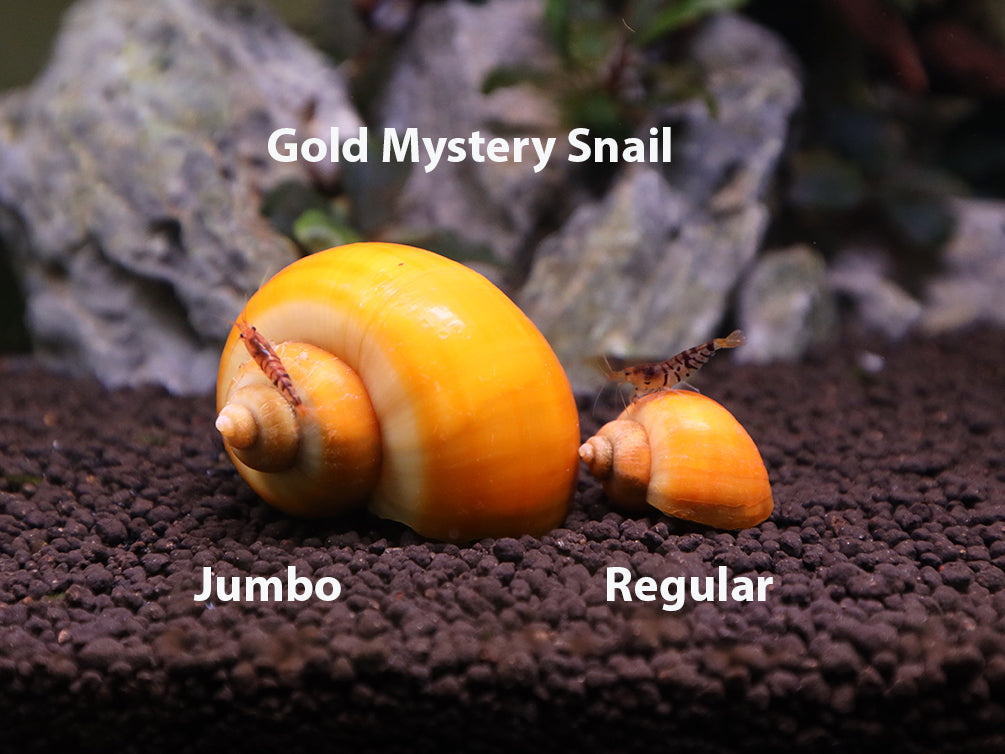
Mystery snails display a wide range of colors. Yellow, gold, and brown are the most frequent. Some have white or blue shells. Color depends on genetics and environment. Bright colors make them stand out in aquariums.
Size Differences
Size varies among mystery snails. Some grow up to 2 inches, while others stay smaller. Larger snails are easier to spot and handle. Smaller ones fit well in smaller tanks. Size affects their movement and feeding habits.
Setting Up A Tank
Setting up a tank for your mystery snail creates a safe and happy home. Proper preparation helps your snail thrive. Pay attention to space, water, and decoration needs.
Tank Size Requirements
A tank of at least 5 gallons is ideal for one mystery snail. Bigger tanks are better for multiple snails. Extra space helps keep water clean and stable. Avoid overcrowding to reduce stress and health issues.
Water Conditions
Keep water temperature between 68°F and 78°F. Maintain pH levels from 7.0 to 8.0 for best results. Avoid sudden changes in water quality. Use a gentle filter to keep water clear. Regular water changes keep the environment healthy.
Plants And Decorations
Live plants offer hiding spots and improve water quality. Choose hardy plants like Java fern or Anubias. Avoid sharp decorations that can hurt the snail. Smooth rocks and driftwood create a natural look. Provide enough space for your snail to move freely.
Feeding Mystery Snails
Feeding mystery snails is simple but important for their health. They need a balanced diet to stay active and live long. Offering the right foods helps their shell grow strong and keeps them happy.
Diet Essentials
Mystery snails eat plants and algae. Fresh vegetables like lettuce and spinach are good. They also enjoy algae wafers made for aquatic snails. Calcium is key for their shells, so add cuttlebone or crushed eggshells to their tank.
Feeding Frequency
Feed mystery snails once a day. Give only what they can finish in two hours. Avoid overfeeding to keep the tank clean. Watch your snails eat and adjust food amounts as needed.
Foods To Avoid
Do not feed mystery snails salty or processed foods. Avoid meat or oily foods, as they can harm snails. Stay away from citrus fruits and anything acidic. These can damage their shells and health.
Health And Care
Keeping a Mystery Snail healthy needs some care and attention. These snails are peaceful pets that add beauty to your aquarium. They need clean water, good food, and a safe environment. Watching their health closely helps spot problems early. This way, you can keep your snail happy and thriving.
Common Diseases
Mystery Snails can face diseases like shell rot and parasites. Shell rot looks like white or soft spots on the shell. Parasites may cause your snail to be inactive or lose appetite. Poor water quality often causes these illnesses. Regular water changes and good tank cleaning help prevent diseases.
Shell Maintenance
The shell is vital for a Mystery Snail’s safety. It needs calcium to stay strong and smooth. You can add crushed coral or cuttlebone to the tank for calcium. Avoid rough handling that can crack the shell. Keep the water clean and balanced to protect the shell’s health.
Signs Of Stress
Stress in Mystery Snails shows in many ways. They may hide more or stop moving. A stressed snail might close its shell tightly. Poor water conditions or sudden changes often cause stress. Watch for these signs and fix the tank environment quickly to reduce stress.

Credit: www.aquapets.ca
Breeding Mystery Snails
Breeding Mystery Snails is a rewarding experience for aquarium lovers. It offers a chance to observe nature closely. These snails are easy to breed with the right care. Understanding their needs helps increase the success rate of breeding.
Breeding Conditions
Maintain water temperature between 68°F and 78°F. Keep the pH level around 7 to 8.5 for best results. Provide a tank with plenty of plants and hiding spots. Ensure the water is clean and well-oxygenated. Feed snails a balanced diet with vegetables and algae.
Egg Laying Process
Female Mystery Snails lay eggs above the water line. They prefer surfaces like tank glass or plant leaves. Eggs look like small pink or white clusters. The female can lay hundreds of eggs at a time. Eggs hatch in about two to four weeks.
Raising Baby Snails
Baby snails need soft water and gentle currents. Feed them finely crushed fish food or algae wafers. Keep tank water clean and check daily for mold on eggs. Separate babies from adults to prevent accidental harm. Growth is slow but steady with proper care.
Tank Mates For Mystery Snails
Mystery snails are peaceful creatures that thrive in calm and friendly environments. Choosing the right tank mates helps keep them safe and happy. The right companions can create a balanced and lively aquarium without stress for your snails.
Compatible Species
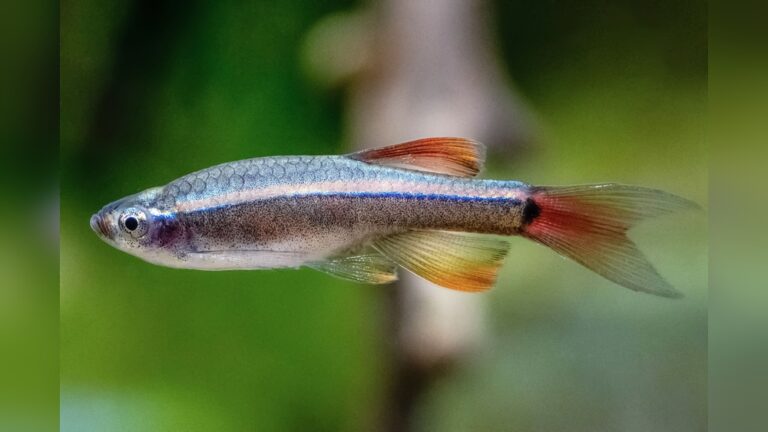
Small, gentle fish like tetras and guppies make good tank mates. Shrimp such as cherry shrimp also live well with mystery snails. Snails prefer calm species that don’t nip or chase them. Avoid large or aggressive fish that may harm the snails.
Avoiding Predators
Fish like cichlids and bettas can attack mystery snails. Larger fish might break snail shells or eat the snails whole. Keep snails away from any fish known for fin-nipping or aggressive behavior. Watch new tank mates closely for signs of aggression.
Community Tank Tips
Provide plenty of hiding spots with plants and decorations. This offers snails safe places to rest or escape threats. Feed the tank regularly so snails and fish both get enough food. Clean the tank often to keep water healthy for all species.
Credit: aquaticarts.com
Troubleshooting Common Issues
Troubles with Mystery Snails can happen in any aquarium. Knowing how to fix these problems helps keep your snails happy and healthy. Some issues happen often and can be solved with simple steps. This guide covers common troubles and how to handle them.
Algae Problems
Algae can grow fast and cover your tank. It may block light and harm snails. To reduce algae, limit sunlight and avoid overfeeding. Clean the tank walls and decorations often. Adding plants can compete with algae for nutrients. Check water quality to keep algae under control.
Snail Overpopulation
Mystery Snails breed quickly in good conditions. Too many snails can crowd the tank and waste food. To control numbers, remove some snails regularly. Avoid feeding too much, as it encourages breeding. Adding snail predators is another option, but choose carefully. Keep the tank clean to prevent extra eggs.
Water Quality Concerns
Clean water is key for snail health. Test water often for ammonia, nitrites, and nitrates. Poor water can cause illness or death. Change 20-30% of water weekly to keep it fresh. Use a water conditioner to remove harmful chemicals. Keep the tank temperature steady and suitable for snails.
How Smart Pets Lover Can Help You with Mystery Snail
Learning Through the World of Mystery Snails
Embracing Mystery Snails as pets opens up a wonderful opportunity for hands-on learning about aquatic ecosystems, animal care, and even biology. As you set up a tank, you naturally explore water chemistry and habitat needs, deepening your appreciation for how environment shapes life. Feeding your snails becomes a practical lesson in nutrition and routine, while observing their health and behavior sharpens your skills in identifying well-being and signs of distress.
- Understanding the nuances of breeding Mystery Snails teaches patience and responsibility, highlighting the cycles of life.
- Choosing compatible tank mates encourages research and respect for diverse species interactions.
- Troubleshooting common issues fosters problem-solving and resilience, essential traits for any pet parent.
At Smart Pets Lover, we believe every pet story—be it a wag, purr, or chirp—carries valuable insights. If you ever feel stuck or curious, don’t hesitate to reach out for guidance. Connecting with fellow enthusiasts can transform care into a joyful and confident journey, strengthening your bond with these fascinating creatures.
Frequently Asked Questions
What Is A Mystery Snail?
A mystery snail is a popular freshwater aquarium snail. It is known for its bright shell colors and algae-eating habits. These snails help keep tanks clean and add visual appeal to aquatic setups.
How Do Mystery Snails Reproduce?
Mystery snails lay eggs above the waterline in clutches. The eggs hatch into tiny snails within two weeks. They reproduce easily in home aquariums with proper conditions.
What Do Mystery Snails Eat?
Mystery snails primarily eat algae, dead plants, and leftover fish food. They help maintain a clean tank by consuming organic waste and controlling algae growth.
How Long Do Mystery Snails Live?
Mystery snails typically live 1 to 2 years. Their lifespan depends on tank conditions, diet, and water quality. Proper care can extend their life expectancy.
Conclusion
Mystery snails make great pets for many aquarium lovers. They help keep tanks clean and add beauty with their colors. These snails are easy to care for and fun to watch. Give them a proper home with clean water and good food.
They live longer and stay healthy that way. Enjoy the calm and quiet they bring to your tank. Mystery snails can brighten any aquatic environment. Simple care can lead to happy, lively snails. Try adding one to your tank soon.