Molly Fish Types
Are you curious about adding a splash of color and life to your aquarium? Molly fish might be exactly what you need.
These vibrant, easy-to-care-for fish come in many types, each with unique colors and patterns that can brighten up your tank. Whether you’re a beginner or an experienced aquarist, knowing the different molly fish types will help you choose the perfect ones for your setup.
Keep reading to discover which molly fish can bring beauty and harmony to your underwater world.
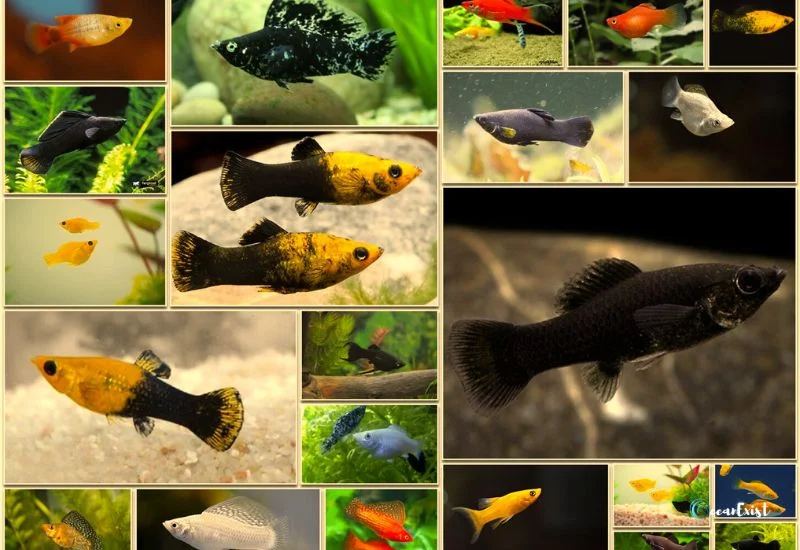
Credit: oceanexist.com
Common Molly Fish Varieties
Molly fish are popular in home aquariums due to their vibrant colors and peaceful nature. Many varieties exist, each with unique features and colors. These types adapt well to different water conditions. They bring life and color to freshwater tanks.
Understanding common Molly fish varieties helps choose the right one for your aquarium. Each type has distinct looks and care needs. Some have solid colors, while others show patterns or special fins.
Black Molly
Black Mollies are known for their solid, deep black color. They have smooth, shiny scales that stand out in any tank. These fish stay calm and get along well with others. They thrive in freshwater and slightly salty water. Black Mollies are easy to care for, making them perfect for beginners.
Dalmatian Molly
Dalmatian Mollies have a unique spotted pattern on their bodies. Their white or silver base color features black spots like a Dalmatian dog. This pattern makes them very eye-catching. They are active swimmers and enjoy plenty of space. Dalmatian Mollies need clean water and regular feeding.
Sailfin Molly
Sailfin Mollies have large, sail-like dorsal fins. These fins create a dramatic and elegant look. Their bodies come in various colors, including black, silver, and gold. Sailfin Mollies prefer warm water and a balanced diet. They add a regal touch to community tanks.
Lyretail Molly
Lyretail Mollies have long, flowing tails shaped like a lyre or harp. Their tails can be black, white, or a mix of colors. These fish swim gracefully and attract attention easily. Lyretail Mollies need a peaceful environment and clean water. They are a favorite for hobbyists who love fancy fish.

Credit: www.youtube.com
Physical Characteristics
Molly fish have unique physical traits that make them popular in home aquariums. Their looks can vary widely depending on the type. These differences help hobbyists choose the perfect molly for their tanks.
Color Patterns
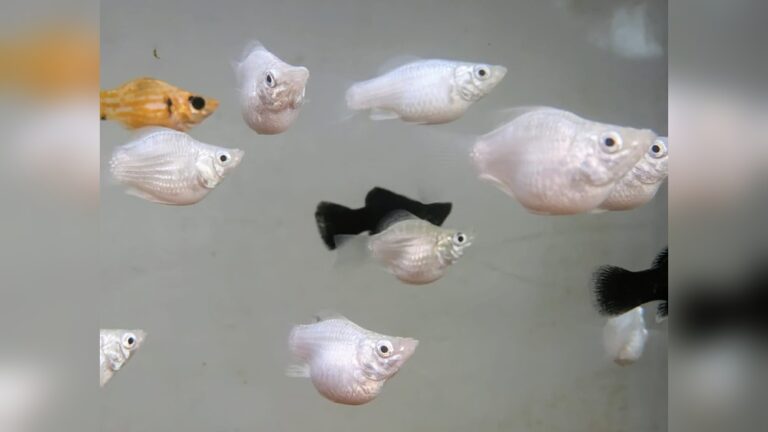
Molly fish come in many colors. Some have solid colors like black, white, or orange. Others show mixed patterns with spots or stripes. These patterns can be bold or subtle. Color changes may also happen as they grow or breed.
Size And Shape
Most molly fish grow between 3 to 4 inches long. Their bodies are oval or slightly rounded. Some types have a slender shape, while others appear fuller. Size and shape depend on the specific molly variety.
Fin Types
Fins vary greatly among molly fish. Some have short, simple fins. Others display long, flowing fins. The tail fin can be rounded, fan-shaped, or even sword-like. Fin style adds to their overall beauty and movement in water.
Habitat Preferences
Molly fish are popular pets because they adapt well to different water types. Knowing their habitat preferences helps keep them healthy and happy. Their natural environments vary, so tank conditions matter a lot.
Freshwater Vs Brackish Water
Molly fish can live in both freshwater and brackish water. Some types prefer pure freshwater. Others need a mix of salt and fresh water. Brackish water is a bit salty, like where rivers meet the sea. Choosing the right water type depends on the molly species you have.
Temperature Needs
Mollies like warm water. The ideal temperature is between 72°F and 78°F (22°C to 26°C). Water that is too cold or too hot can stress them. Use a reliable heater to keep the temperature steady. Sudden changes can harm your fish.
Tank Setup Tips
Provide plenty of plants and hiding spots. Mollies enjoy swimming space but need places to rest. Use a good filter to keep water clean. Test the water regularly for salt, pH, and temperature. A balanced tank setup promotes molly fish health and activity.
Feeding Habits
Molly fish have unique feeding habits that help them stay healthy and active. Understanding what they eat and how often they eat is important for their care. Proper feeding supports their growth and vibrant colors. It also prevents health problems caused by poor diet.
Diet Types
Molly fish are omnivores. They eat both plant-based and animal-based foods. This variety gives them balanced nutrition. They enjoy algae, small insects, and flakes. A mix of these foods keeps them strong and happy.
Feeding Frequency
Feed Molly fish small amounts two times a day. Overfeeding can cause water pollution. Uneaten food can harm their environment. Watch their behavior to adjust feeding times. Healthy fish are active and eat well.
Best Food Choices
Good food includes high-quality flakes and pellets. Fresh vegetables like spinach or lettuce are great. Live or frozen foods like brine shrimp boost protein intake. Avoid overfeeding to keep your Molly fish healthy.
Breeding Molly Fish
Breeding molly fish is a rewarding experience for aquarium enthusiasts. These fish breed easily in home tanks. They are livebearers, which means they give birth to live young instead of laying eggs. Understanding their breeding habits helps ensure healthy offspring.
Proper care and environment increase the chances of successful breeding. Mating behavior, gestation period, and raising fry are key to this process.
Mating Behavior
Male molly fish often chase females during courtship. They display their fins and swim around actively. Females may hide or swim away at first. Eventually, the male fertilizes the female’s eggs inside her body. This process can repeat many times in a week.
Gestation Period
The gestation period lasts about 60 days. It varies slightly depending on water temperature and diet. Warmer water speeds up development. The female’s belly grows larger as the fry develop inside. Watch carefully for signs of birth.
Raising Fry
Newborn molly fry are very small and fragile. They need gentle care and proper food. Use finely crushed flakes or special fry food. Keep the water clean and warm. Avoid adding adult fish that may eat the fry. Provide plants or hiding spots for safety.
Common Health Issues
Molly fish are popular pets but face some common health issues. Knowing these issues helps keep your fish healthy. Early care can prevent many problems. Watch your fish often for signs of illness. Quick action improves recovery chances.
Disease Symptoms
Look for white spots on the body or fins. Clamped fins and slow swimming show stress. Red or inflamed areas may mean infection. Loss of appetite or hiding often are warning signs. Cloudy eyes or swollen belly need attention.
Preventive Care
Keep the tank clean and water fresh. Test water regularly for pH and ammonia levels. Feed a balanced diet with high-quality food. Avoid overcrowding to reduce stress and disease spread. Quarantine new fish before adding them to the tank.
Treatment Options
Use medicated food or water treatments for infections. Follow dosing instructions carefully to avoid harm. Remove sick fish to a separate tank if possible. Change water frequently during treatment to keep it clean. Consult a vet for serious or unclear cases.
Choosing The Right Molly
Choosing the right molly fish is important for a healthy aquarium. Different types of mollies have unique needs and behaviors. Picking the right one helps your tank stay balanced and beautiful.
Think about your tank setup and your other fish before adding mollies. Each type fits differently with other fish and tank sizes. Cost and availability also affect your choice.
Compatibility With Other Fish
Mollies are peaceful but can be active swimmers. They get along well with other calm fish. Avoid very aggressive or very shy fish as tank mates. Mollies prefer fish that tolerate similar water conditions. Choose companions that do not nip fins or disturb mollies.
Tank Size Considerations
Mollies need space to swim freely. A tank of at least 20 gallons suits most molly types. Larger tanks reduce stress and improve health. Avoid overcrowding to keep water quality good. Bigger tanks support more fish and plants.
Cost And Availability
Some molly types are common and affordable. Others are rare and cost more. Prices vary by color, size, and breed. Check local stores and online shops for availability. Choose a type that fits your budget and care plans.

Credit: freshwateraquatica.org
How Smart Pets Lover Can Help You with Molly Fish Types
Practical Learning with Molly Fish Types
Understanding the different Molly fish types opens up exciting opportunities to deepen your hands-on knowledge. For instance, observing their unique physical characteristics alongside their habitat preferences can help you create a thriving aquarium environment tailored to each variety. This isn’t just about aesthetics—it’s about fostering a healthy, happy home for your fish.
Breeding Molly fish is another practical area to explore. By learning their feeding habits and common health issues, you can support successful breeding cycles and spot early signs of illness before they become serious. This kind of attentive care reflects the passion and responsibility every pet parent should embrace.
- Set up a small tank to experiment with different Molly varieties.
- Track their feeding responses to various foods for optimal nutrition.
- Document changes in behavior or appearance to monitor health closely.
At Smart Pets Lover, we believe that every step you take in understanding your Molly fish strengthens that special bond. If you ever want to chat or need guidance, reaching out to local fish care communities or trusted pet experts can be a wonderful next step.
Frequently Asked Questions
What Are The Most Popular Molly Fish Types?
Popular Molly fish types include Black Molly, Sailfin Molly, Dalmatian Molly, and Lyretail Molly. Each type varies in color and fin shape, making them ideal for diverse aquarium styles.
How Do Molly Fish Types Differ In Care Needs?
Most Molly fish types prefer similar care: warm water, pH 7. 5-8. 5, and moderate hardness. However, some, like Sailfin Mollies, need larger tanks due to their size.
Can Molly Fish Types Live Together Peacefully?
Yes, most Molly fish types are peaceful and social. They thrive in groups and can coexist with other non-aggressive fish.
What Colors Are Common Among Molly Fish Types?
Molly fish come in black, white, silver, orange, and spotted patterns. Their vibrant colors add visual interest to any aquarium.
Conclusion
Molly fish come in many beautiful types and colors. Each type has its own charm and care needs. Choosing the right Molly fish can brighten any aquarium. They are friendly, easy to care for, and active swimmers. Enjoy watching their lively movements and vibrant looks.
Keep their tank clean and water fresh for healthy fish. Molly fish add life and joy to your home tank. Exploring these types can make fishkeeping more fun and rewarding.