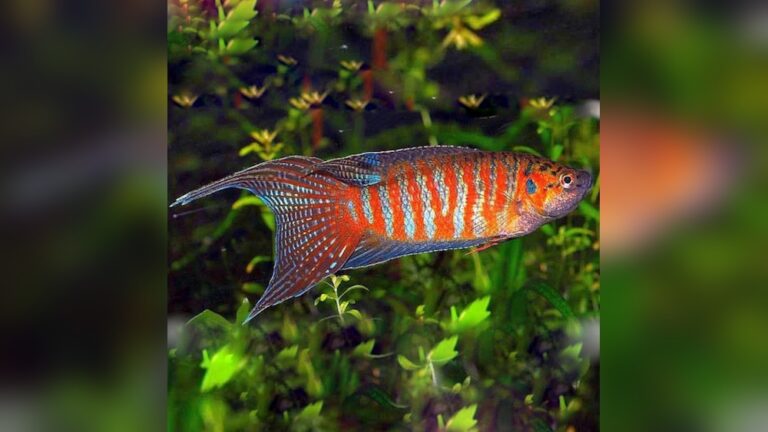
Molly Fish
Are you thinking about adding a lively, colorful fish to your aquarium? Molly fish could be the perfect choice for you.
These small, friendly fish are easy to care for and bring a splash of energy to any tank. Whether you’re a beginner or an experienced fish keeper, understanding Molly fish can help you create a vibrant underwater world you’ll love watching every day.
Keep reading to discover everything you need to know to keep your Molly fish happy and healthy.

Credit: www.youtube.com
Molly Fish Species
Molly fish species are popular freshwater fish loved by many aquarium hobbyists. They are easy to care for and come in many colors and shapes. These fish bring life and color to home tanks.
Understanding different types of molly fish helps choose the right one for your tank. Their physical features and natural habitats show how they live and grow. Let’s explore the world of molly fish species.
Types Of Molly Fish
Molly fish have several types. Common ones include the Black Molly, Sailfin Molly, and Dalmatian Molly. Each type has unique colors and fin shapes. Some have spots, while others have solid colors. These varieties make molly fish popular for different tank styles.
Physical Features
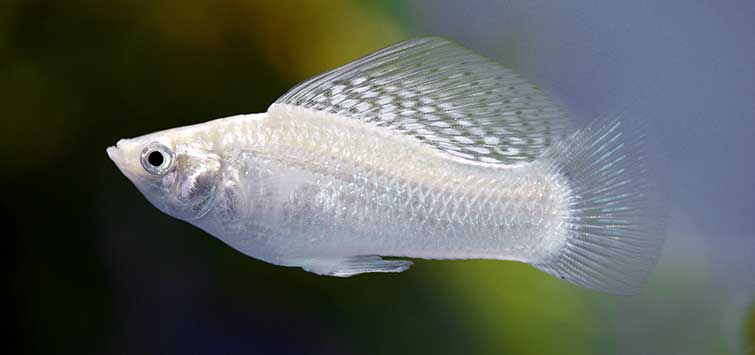
Molly fish have small, rounded bodies. Their fins can be large and flowing or short and rounded. Most have shiny, smooth scales. Colors range from black, white, orange, to spotted patterns. Males often have longer fins than females. They grow to about 3 to 4 inches in length.
Natural Habitat
Molly fish come from warm, slow-moving waters. They live in rivers, streams, and coastal areas of Central and South America. These waters have plants and rocks for hiding. Mollies adapt well to different water types, both fresh and slightly salty. This makes them strong and easy to keep in home tanks.

Credit: www.aquariumcoop.com
Tank Setup
Setting up a tank for Molly fish is important for their health and happiness. A good tank setup keeps the water clean and safe. It also provides a comfortable space for the fish to swim and explore. Understanding the right tank size, water conditions, and decorations helps create a perfect home for Mollies.
Ideal Tank Size
Molly fish need enough space to swim freely. A tank of at least 20 gallons works well for a small group. More space is better if you want to keep many Mollies. A bigger tank also helps maintain water quality and reduces stress for the fish.
Water Conditions
Mollies prefer warm water with temperatures between 72°F and 78°F. The water pH should be slightly alkaline, around 7.5 to 8.0. Keep the water clean by changing 25% of it weekly. Use a good filter to remove waste and toxins. Stable water conditions support healthy fish growth.
Plants And Decorations
Live plants help Mollies feel safe and add oxygen to the water. Choose plants like Java fern, Anubias, or hornwort. Smooth decorations prevent injuries and provide hiding spots. Avoid sharp objects that can harm the fish. A natural-looking tank makes Mollies more active and less stressed.
Diet And Feeding
Molly fish need a balanced diet to stay healthy and active. Their food should give them all the nutrients they need. Proper feeding helps them grow and show their best colors.
Feeding Molly fish the right food and amount is very important. It keeps them happy and avoids health problems. Let’s explore the best foods and feeding habits for Molly fish.
Recommended Foods
Molly fish enjoy a mix of plant and animal-based foods. High-quality flakes or pellets made for tropical fish work well. Include fresh vegetables like spinach or zucchini.
Live or frozen foods such as brine shrimp and bloodworms give extra protein. These help Molly fish stay strong and energetic. Variety in their diet keeps them interested and healthy.
Feeding Frequency
Feed Molly fish small amounts two to three times daily. This matches their natural eating habits. Small meals prevent waste and keep water clean.
Watch how much they eat in five minutes. Remove any leftover food to avoid water pollution. Consistent feeding times create a good routine for your fish.
Avoiding Overfeeding
Overfeeding can cause obesity and poor water quality. Uneaten food decomposes and harms fish health. Feed only what Molly fish can finish quickly.
Signs of overfeeding include swollen bellies and sluggish movement. Adjust food amounts if you notice these signs. Proper feeding keeps your aquarium safe and your fish lively.
Behavior And Temperament
Molly fish are popular in home aquariums because of their lively and gentle nature. Their behavior and temperament make them easy to care for. Understanding how they act helps keep them happy and healthy.
Social Traits
Molly fish are social creatures. They enjoy living in groups and feel safe with others. These fish often swim together and interact with their tank mates. Keeping them in groups of three or more reduces stress and promotes natural behavior.
Compatibility With Other Fish
Mollies get along well with many peaceful fish. They prefer calm tank mates that do not nip fins or show aggression. Avoid placing them with large or aggressive species. Proper compatibility helps maintain a peaceful tank environment.
Common Behaviors
Mollies are active swimmers. They explore the tank constantly and enjoy plants and hiding spots. These fish often nibble on algae and small foods. Males may display mild chasing during breeding, which is normal and not harmful.
Breeding Molly Fish
Breeding Molly Fish is a rewarding experience for aquarium hobbyists. These fish are livebearers, meaning they give birth to free-swimming young. Breeding them requires the right environment and care to ensure healthy offspring.
Breeding Conditions
Molly Fish thrive in warm water between 75 and 80°F. A pH level of 7.5 to 8.5 supports breeding. Provide plenty of plants for hiding spots. Keep the tank clean and well-filtered. A balanced diet of flakes and live food helps fish stay healthy and ready to breed.
Gestation Period
The gestation period lasts about 60 days. Female Mollies can store sperm and have multiple batches from one mating. You may notice a dark gravid spot near the female’s belly. This spot grows as the fry develop inside.
Caring For Fry
Fry need special care to survive. Move them to a separate tank to avoid being eaten. Feed small live foods like baby brine shrimp or crushed flakes. Change water regularly to keep it clean. Provide hiding places using plants or breeding mops. Watch them grow quickly with proper care.
Health And Disease
Molly fish are hardy and popular in home aquariums. Their health depends on clean water and proper care. Disease can quickly spread in small tanks. Knowing common illnesses helps keep mollies healthy. Early prevention and treatment improve their lifespan.
Common Illnesses
Mollies often face diseases like ich, fin rot, and fungal infections. Ich causes white spots on the body. Fin rot leads to torn, ragged fins. Fungal infections appear as cotton-like growths. Stress and poor water quality make fish vulnerable.
Preventive Care
Clean water is key to mollies’ health. Test water regularly for ammonia and pH levels. Feed a balanced diet with quality flakes or pellets. Avoid overcrowding the tank. Quarantine new fish before adding them to the aquarium. Proper tank maintenance reduces disease risk.
Treatment Options
Medications help treat common molly fish diseases. Ich responds well to temperature changes and salt baths. Fin rot requires antibacterial medicines. Fungal infections need antifungal treatments. Always follow dosage instructions carefully. Remove sick fish to a separate tank to avoid spreading illness.
Tips For Beginners
Starting with Molly fish can be exciting and fun. These fish are peaceful and easy to care for. Some simple tips help beginners give their fish a healthy home. Small steps make a big difference in keeping Molly fish happy.
Focus on choosing good fish, keeping water clean, and avoiding common errors. These tips help your fish live longer and stay healthy.
Selecting Healthy Fish
Pick Molly fish that swim actively and look bright. Clear eyes and smooth scales show good health. Avoid fish with torn fins or white spots. Choose fish from a clean tank. Ask the seller about the fish’s diet and care history.
Maintaining Water Quality
Keep the water clean to help Molly fish thrive. Test water for pH between 7.5 and 8.5. Change 25% of the water every week. Use a water conditioner to remove chlorine. Keep the tank temperature between 72°F and 78°F. Proper filtration removes waste and keeps water clear.
Avoiding Common Mistakes
Do not overfeed Molly fish; feed small amounts once or twice daily. Avoid overcrowding the tank; give each fish enough space. Do not mix aggressive fish with Mollies. Avoid sudden changes in water or temperature. Watch your fish daily for signs of illness.
Credit: intanaquariumfeeds.com
How Smart Pets Lover Can Help You with Molly Fish
Exploring the Joy of Learning with Molly Fish
Understanding Molly Fish goes beyond just knowing their species or tank setup—it opens up practical learning opportunities that deepen your connection as a pet parent. For instance, observing their behavior and temperament can teach patience and attention to detail, while caring for their diet and feeding routines offers valuable lessons in responsibility and consistency.
At Smart Pets Lover, we believe every experience with your Molly Fish contributes to a story of trust and care, helping you grow as a compassionate caregiver. Whether it’s troubleshooting common health issues or experimenting with breeding techniques, these hands-on moments foster confidence and a genuine bond.
- Track water quality and tank conditions to understand aquatic ecosystems better
- Practice recognizing signs of stress or illness for proactive health management
- Engage with community forums or expert resources to expand your knowledge
For further guidance or to share your experiences, reaching out to local aquarist groups or visiting Smart Pets Lover’s resource page can be a warm, welcoming next step. Remember, every ripple in your Molly Fish tank reflects a story of learning and love.
Frequently Asked Questions
What Is A Molly Fish?
Molly Fish is a popular freshwater aquarium fish known for its peaceful nature. It belongs to the Poeciliidae family and is easy to care for, making it ideal for beginners.
How Do Molly Fish Reproduce?
Molly Fish are livebearers, meaning they give birth to live young. Females can store sperm and produce multiple broods from a single mating.
What Water Conditions Suit Molly Fish Best?
Molly Fish thrive in slightly alkaline water with a pH between 7. 5 and 8. 5. They prefer temperatures from 72°F to 78°F for optimal health.
What Do Molly Fish Eat?
Molly Fish are omnivores and eat flakes, pellets, algae, and small live or frozen foods. A varied diet ensures their health and vibrant colors.
Conclusion
Molly fish make great pets for many aquarium lovers. They are easy to care for and come in many colors. These fish live peacefully with others and adapt well to different tanks. Feeding them is simple, and they stay healthy with proper care.
Enjoying molly fish can bring calm and beauty to your home. Try adding them to your aquarium for a lively touch. They offer joy without much work. A perfect choice for both beginners and experienced fish keepers.