Marsilea Hirsuta
If you’re looking to add a unique touch to your aquarium or garden, Marsilea Hirsuta might be just what you need. This fascinating aquatic plant offers more than just greenery—it brings texture and life to your space in a way few plants can.
Imagine watching your tank transform with its delicate, clover-like leaves, creating a lush, natural environment. Whether you’re a beginner or an experienced hobbyist, understanding how to care for Marsilea Hirsuta will make your setup stand out. Keep reading, and you’ll discover simple tips to help your plant thrive and turn your aquarium or garden into a vibrant, peaceful retreat.
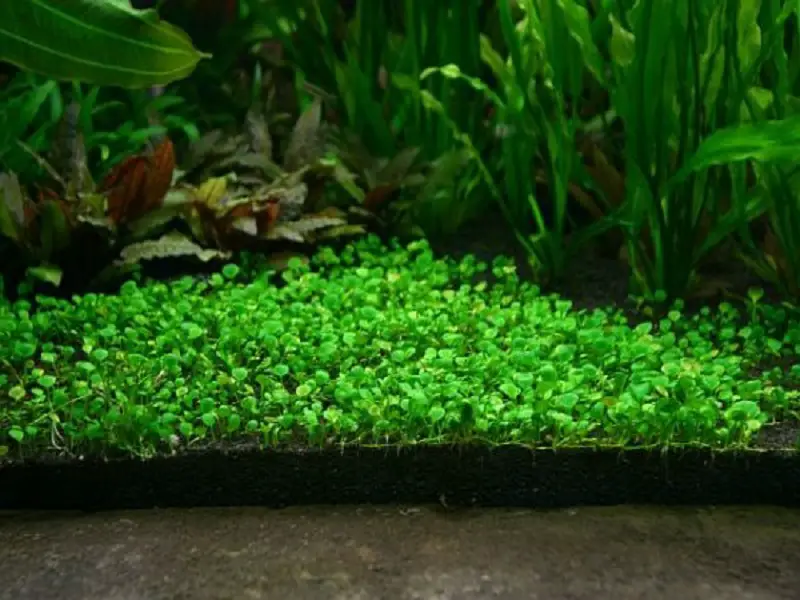
Credit: www.fishkeepingworld.com
Marsilea Hirsuta Basics
Marsilea Hirsuta is a unique aquatic plant. It is popular in aquariums and water gardens. This plant adds a natural touch to any water setup. Understanding its basics helps in proper care and growth.
Here are the key facts about Marsilea Hirsuta that every plant lover should know.
Plant Description
Marsilea Hirsuta looks like a small fern or clover. It has four rounded leaflets on each stem. The leaves are bright green and slightly hairy. This plant grows low and spreads across the surface. It stays small but covers a wide area.
Natural Habitat
This plant is native to Australia and parts of Asia. It thrives in wet, swampy areas and shallow waters. Marsilea Hirsuta prefers warm and humid climates. It grows well in places with soft, muddy soil. This plant is used to slow-moving or still water bodies.
Growth Patterns
Marsilea Hirsuta grows by sending out runners underground. These runners create new plants nearby. Growth is steady but not too fast. It spreads horizontally, covering the ground or substrate. The plant adapts well to underwater and partially submerged conditions.

Credit: glassboxdiaries.com
Cultivation Tips
Marsilea Hirsuta is a unique aquatic plant that thrives with proper care. Cultivating it requires attention to water, light, and soil. Each factor plays a key role in its healthy growth. Follow these tips to create the best environment for your Marsilea Hirsuta.
Ideal Water Conditions
Marsilea Hirsuta grows best in clean, fresh water. Keep the water temperature between 70 and 82 degrees Fahrenheit. The plant prefers soft to moderately hard water with a pH of 6.0 to 7.5. Change the water regularly to avoid algae and debris buildup. Avoid strong water currents as they can damage the delicate leaves.
Light Requirements
This plant thrives under moderate lighting. Provide 8 to 10 hours of light daily. Use fluorescent or LED aquarium lights for best results. Too much light can cause algae growth on the leaves. Too little light will slow down its growth and cause the plant to lose color. Place it where it gets indirect sunlight or filtered light.
Soil And Substrate Choices
Marsilea Hirsuta prefers fine-grain substrates like sand or small gravel. The substrate should be nutrient-rich to support root growth. Add a thin layer of nutrient soil below the sand for better nutrition. Avoid heavy or compacted soil that can suffocate the roots. Plant the rhizomes gently to avoid damage and allow room for spreading.
Aquarium Setup
Marsilea Hirsuta is a small aquatic plant that adds a fresh green look to aquariums. It grows low and spreads quickly, making it perfect for foreground planting. Setting up the right environment helps the plant thrive and stay healthy.
Good water quality and lighting are important for Marsilea Hirsuta. It prefers soft to moderately hard water and moderate light. Stable conditions help it grow well and keep its bright green color.
Tank Size Recommendations
A tank size of at least 10 gallons works well for Marsilea Hirsuta. This size gives enough space for the plant to spread. Larger tanks allow more room for growth and prevent overcrowding.
Smaller tanks may limit the plant’s growth and affect its health. Choose a tank with enough space to create a natural look.
Planting Techniques
Plant Marsilea Hirsuta by gently placing its roots into fine gravel or sand. Avoid burying the plant too deep. A small portion of the stem should stay above the substrate.
Plant in small clusters for a carpet effect. Regular trimming helps maintain a neat appearance and encourages new growth.
Companion Plants
Choose companion plants that have similar light and water needs. Java Fern and Anubias are good options. They add height and texture without overshadowing Marsilea Hirsuta.
Floating plants like Duckweed can help reduce light intensity and create a balanced environment. Avoid aggressive plants that might crowd or block light.
Maintenance And Care
Marsilea Hirsuta is a popular aquatic plant loved for its soft, clover-like leaves. Caring for it is simple but needs attention. Proper maintenance helps the plant stay healthy and vibrant. Understanding its needs makes a big difference. Here are key care tips to keep Marsilea Hirsuta thriving.
Trimming And Propagation
Trim Marsilea Hirsuta regularly to keep it neat. Cut dead or yellow leaves to encourage new growth. Use sharp scissors for clean cuts. Propagation is easy by dividing the plant. Gently pull apart the roots and replant pieces. This helps spread the plant in your aquarium or pond.
Nutrient Needs
Marsilea Hirsuta needs nutrients to grow well. Use liquid fertilizers designed for aquatic plants. Provide iron and other minerals for green, healthy leaves. Avoid overfeeding as it can harm the plant. Ensure the substrate has nutrients, or use root tabs for better growth.
Pest And Disease Control
Watch for pests like snails and algae on Marsilea Hirsuta. Remove pests by hand or with safe treatments. Keep water clean to prevent disease. Avoid harsh chemicals that can damage the plant. Regular checks help catch problems early and keep the plant healthy.
Benefits In Aquascaping
Marsilea Hirsuta is a popular plant in aquascaping. It offers many benefits that enhance the underwater environment. This plant is easy to care for and adds value to any aquarium. Its unique features help create a healthy and beautiful aquatic space.
Below are some key benefits of using Marsilea Hirsuta in aquascaping.
Aesthetic Appeal
Marsilea Hirsuta has small, clover-like leaves that create a soft carpet effect. Its bright green color adds freshness to the aquarium. The plant grows low and spreads quickly, covering the substrate evenly. It brings a natural and peaceful look to the underwater scene. This plant fits well with rocks and driftwood, making the layout more attractive.
Oxygenation And Water Quality
Marsilea Hirsuta helps produce oxygen during photosynthesis. This oxygen supports fish and other aquatic life. The plant absorbs harmful substances like nitrates and ammonia. This process improves water quality and clarity. Healthy water reduces algae growth and keeps the aquarium clean. It also balances the ecosystem inside the tank.
Habitat For Aquatic Life
The dense growth of Marsilea Hirsuta offers shelter for small fish and shrimp. It provides hiding spots that reduce stress for timid species. The plant’s roots offer surfaces for beneficial bacteria to grow. These bacteria break down waste and keep the environment stable. Marsilea Hirsuta creates a safe and comfortable habitat for many aquatic creatures.

Credit: dennerleplants.co.uk
Common Challenges
Marsilea Hirsuta is a beautiful aquatic plant, but it comes with some challenges. These problems can affect its growth and appearance. Understanding these issues helps keep the plant healthy. Here are some common challenges you might face with Marsilea Hirsuta.
Algae Issues
Algae can quickly cover Marsilea Hirsuta leaves. This blocks sunlight and stops photosynthesis. Algae thrive in tanks with too much light or excess nutrients. Regular water changes help control algae growth. Using algae-eating fish or snails also reduces algae buildup. Keep the tank clean for a healthy plant.
Growth Stagnation
Marsilea Hirsuta may stop growing for several reasons. Poor water quality is a common cause. Lack of nutrients or light also slows growth. Test your water regularly to check for issues. Provide balanced lighting and fertilizers. Healthy conditions encourage steady growth and vibrant leaves.
Adaptation To Different Environments
This plant can struggle when moved to new settings. Changes in water temperature or pH stress Marsilea Hirsuta. It may take weeks to adjust. Gradually change the environment to reduce shock. Watch for signs of stress like yellowing leaves. Patience helps the plant settle and thrive in new tanks.
How Smart Pets Lover Can Help You with Marsilea Hirsuta
Learning Through Marsilea Hirsuta Care
Getting to know Marsilea Hirsuta isn’t just about creating a beautiful aquascape—it’s a wonderful chance to deepen your understanding of aquatic plants and their unique needs. By applying cultivation tips and maintenance practices, you’ll develop a hands-on appreciation for how this resilient plant thrives in a well-set aquarium environment.
For example, adjusting lighting and substrate conditions as you care for Marsilea Hirsuta can teach you valuable lessons about water chemistry and plant biology. Encountering common challenges like algae growth or slow propagation offers practical problem-solving opportunities that enhance your confidence as a pet parent and aquarist alike.
- Observe how different aquarium setups impact growth.
- Experiment with nutrient levels to find the best balance.
- Track your plant’s response to changes in care routines.
At Smart Pets Lover, we believe every pet parent’s journey is enriched by learning through experience—whether with fish or plants. If you ever want to discuss your Marsilea Hirsuta care or share your observations, our community is here to listen and guide. Feel free to reach out anytime for advice or to exchange tips.
Frequently Asked Questions
What Is Marsilea Hirsuta Used For In Aquariums?
Marsilea Hirsuta is popular in aquariums for its lush, clover-like leaves. It creates a natural carpet effect and enhances tank aesthetics. This plant also provides hiding spots for fish and helps maintain water quality by absorbing excess nutrients.
How Do I Care For Marsilea Hirsuta Plants?
Marsilea Hirsuta thrives in moderate light and nutrient-rich substrates. Regular trimming encourages healthy growth. It prefers temperatures between 20-28°C (68-82°F) and benefits from CO2 supplementation but can grow without it.
Can Marsilea Hirsuta Grow Submerged Or Emersed?
Yes, Marsilea Hirsuta grows well both submerged and emersed. It adapts to fully aquatic environments and moist soil. This flexibility makes it suitable for aquariums and paludariums.
How Fast Does Marsilea Hirsuta Grow In Aquariums?
Marsilea Hirsuta has a moderate growth rate. Under optimal conditions, it spreads steadily to form a dense carpet. Growth speed depends on lighting, nutrients, and CO2 levels.
Conclusion
Marsilea Hirsuta is a unique aquatic plant that adds charm to any tank. It grows well in many water conditions and needs little care. Its delicate leaves create a natural look for fish and other aquatic life. This plant also helps keep water clean and healthy.
Whether new or experienced, hobbyists find it rewarding to grow. Try Marsilea Hirsuta to bring a fresh, green touch to your aquarium. Simple, beautiful, and easy to maintain—just what your underwater world needs.