Lampeye Tetra
If you’re looking to add a splash of vibrant color and lively movement to your aquarium, the Lampeye Tetra is a perfect choice for you. These small, glowing fish are not only stunning to watch but also easy to care for, making them ideal whether you’re a beginner or a seasoned fish keeper.
Imagine your tank coming alive with their shimmering blue eyes and peaceful schooling behavior. Keep reading to discover everything you need to know to keep your Lampeye Tetras happy and healthy, and transform your aquarium into a dazzling underwater scene.
Lampeye Tetra Basics
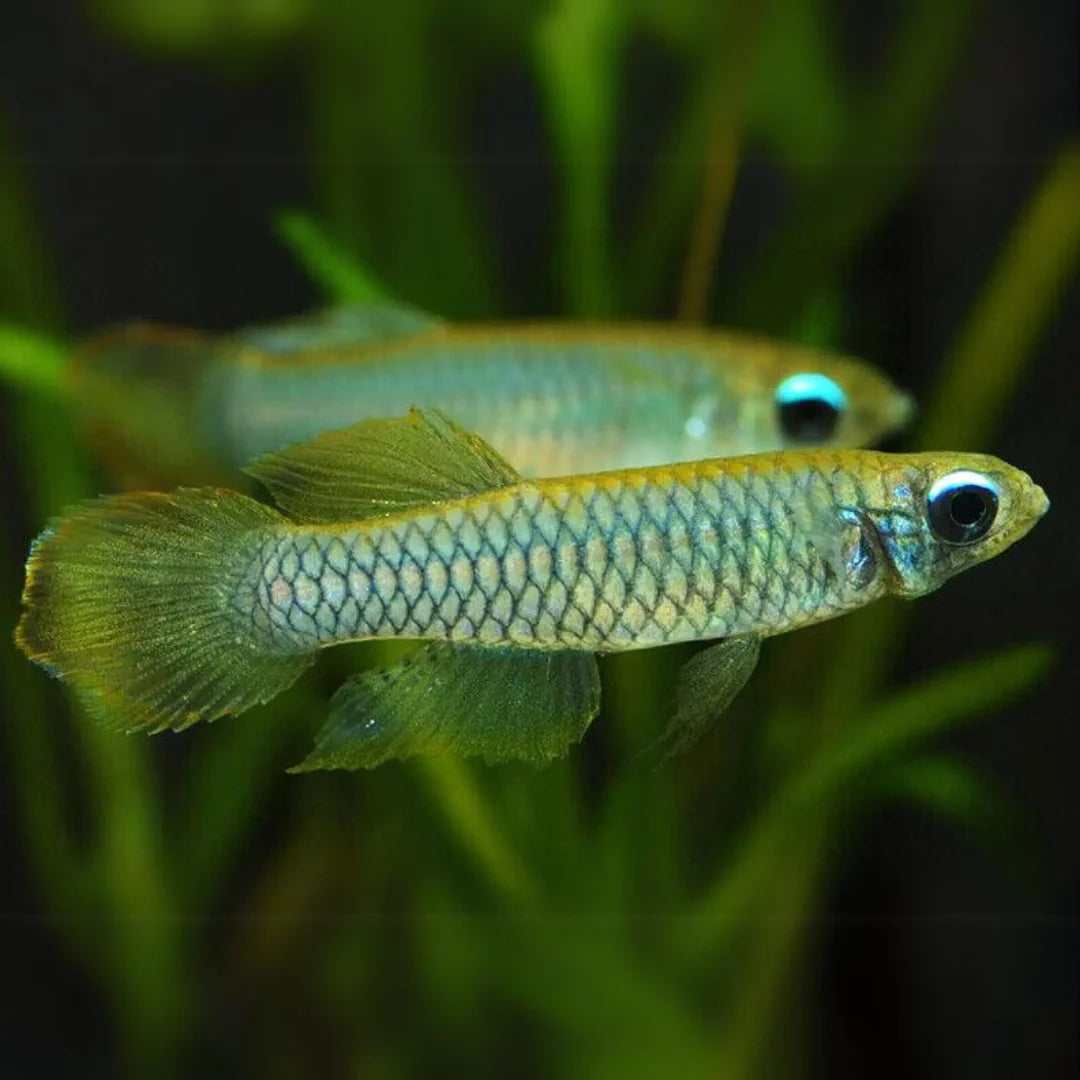
The Lampeye Tetra is a small, peaceful fish popular among aquarium hobbyists. It is known for its bright, reflective eyes that shine like tiny lamps. This fish is easy to care for and adds a splash of color to any freshwater tank.
Understanding the basics of the Lampeye Tetra helps in creating a healthy environment. Knowing its appearance, natural home, and behavior ensures proper care and enjoyment.
Appearance And Size
Lampeye Tetras are small fish, usually growing up to 1.5 inches long. Their bodies are slender and silver with a slight green or blue tint. The most striking feature is their bright, reflective eyes. These eyes shine blue or green under light, giving the fish its name. Their fins are clear or slightly tinted, adding to their delicate look.
Natural Habitat
These fish come from slow-moving streams and ponds in West Africa. The water there is warm, soft, and slightly acidic. Plants grow thickly in their natural habitat, offering many hiding spots. The environment is calm with little current, perfect for small fish like the Lampeye Tetra.
Behavior Traits
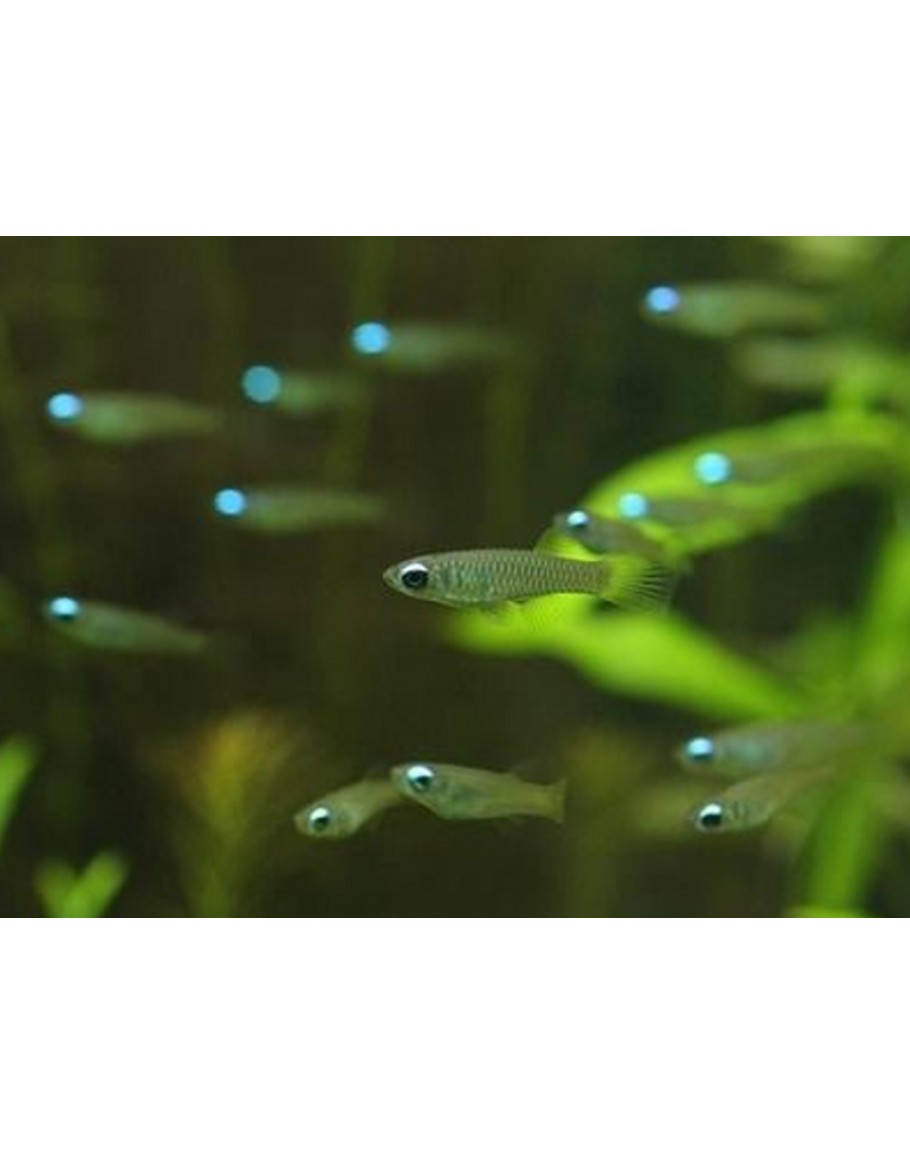
Lampeye Tetras are peaceful and social fish. They swim in groups, called shoals, and feel safer together. They are active during the day, exploring their surroundings. These fish usually stay near the middle or top of the water. They are gentle and get along well with other small, calm fish.
Tank Setup
Setting up the right tank for Lampeye Tetra is key to their health and happiness. These small fish need space to swim and a comfortable environment. Proper tank setup helps them show their bright, shining eyes and active behavior.
Creating a suitable home means paying attention to tank size, water quality, and decorations. Let’s explore what each part involves.
Ideal Tank Size
A tank of at least 20 gallons works well for a small group of Lampeye Tetras. They like to swim in schools, so having space for 6 or more is best. A larger tank helps keep water stable and gives fish room to move freely.
Water Conditions
Lampeye Tetras prefer soft, slightly acidic water. Keep pH between 6.0 and 7.0 for their comfort. Water temperature should stay between 72 and 79°F (22-26°C). Clean water with gentle filtration supports their health. Test water regularly to maintain these conditions.
Aquascaping Tips
Use live plants to create hiding spots and reduce stress. Floating plants can soften light and mimic their natural habitat. Add smooth stones and driftwood for natural decoration. Leave open swimming areas in the center. This balance keeps the tank lively and safe for the fish.
Feeding Lampeye Tetras
Feeding Lampeye Tetras is simple but important. These small fish need a balanced diet to stay healthy and active. Proper feeding helps them show their bright colors and swim energetically. Understanding their diet needs helps keep them happy in your aquarium.
Diet Requirements
Lampeye Tetras eat both plant and animal foods. They need protein for growth and energy. Small insects, larvae, and tiny crustaceans suit them well. They also benefit from some plant matter. A mix of protein and plants supports their health.
Feeding Frequency
Feed Lampeye Tetras two times a day. Give small amounts they can eat in 2-3 minutes. Overfeeding causes water problems and fish stress. Keep a regular schedule for their feeding times. Consistency helps their digestion and health.
Suitable Food Types
Flake food made for small tropical fish is good. Frozen or live foods like brine shrimp and daphnia are excellent choices. You can also offer finely crushed pellets. Fresh vegetable bits like spinach or lettuce work well too. Variety keeps their diet balanced and interesting.
Credit: vedaaquarium.com
Breeding Lampeye Tetras
Breeding Lampeye Tetras can be a rewarding experience for aquarium hobbyists. These small, colorful fish have simple needs for spawning. With the right setup, you can watch their unique blue eyes light up your tank.
Understanding the proper conditions and care is important. It helps ensure healthy eggs and strong fry. Let’s explore the key steps to breed Lampeye Tetras successfully.
Spawning Conditions
Use a separate breeding tank about 10 gallons in size. Keep the water soft and slightly acidic, with a pH around 6.5. The temperature should be between 75-78°F (24-26°C). Dim lighting helps reduce stress.
Provide fine-leaved plants or spawning mops for egg attachment. Feed the adults high-quality live or frozen foods. This encourages spawning behavior and improves egg quality. Remove the adult fish after spawning to protect the eggs.
Egg Care
Eggs hatch in about 24 to 36 hours under good conditions. Keep the water clean and well-aerated. Avoid strong water currents to prevent egg damage.
Remove any fungus or dead eggs promptly. Use a mild antifungal treatment if needed. Maintain stable temperature and water quality during this stage.
Raising Fry
Fry start swimming freely after 3 to 4 days. Feed them infusoria or liquid fry food at first. As they grow, offer finely crushed flakes or baby brine shrimp.
Keep the tank clean with gentle water changes. Avoid strong light and sudden movements to reduce stress. Watch the fry grow and enjoy their sparkling eyes.
Common Health Issues
Lampeye Tetras are hardy fish but can face some health problems. Knowing common health issues helps keep them safe and healthy. Early care can stop many diseases from getting worse.
Signs Of Illness
Watch for changes in swimming or eating habits. Fish may hide more or lose their bright colors. Look for white spots, ragged fins, or swollen bodies. Gasping at the water surface can mean low oxygen or illness.
Preventive Measures
Keep the aquarium clean and water fresh. Test water regularly for proper pH and temperature. Avoid overcrowding to reduce stress and disease spread. Feed balanced food and remove leftovers to prevent decay. Quarantine new fish before adding them to your tank.
Treatment Options
Isolate sick fish to stop infections spreading. Use aquarium medicines made for specific diseases. Follow dosage instructions carefully and complete the treatment. Change water often during treatment to keep it clean. Consult a vet or expert for serious problems or if unsure.
Credit: aqleisure.com
Tank Mates For Lampeye Tetras
Choosing the right tank mates for Lampeye Tetras is important for a peaceful aquarium. These small, active fish do best with calm companions. Proper tank mates help reduce stress and promote healthy behavior. It creates a balanced and lively tank environment.
Compatible Fish Species
Lampeye Tetras get along well with other small, peaceful fish. Good choices include Corydoras catfish, guppies, and small rasboras. These species share similar water needs and temperaments. Avoid large or aggressive fish that may harm the tetras. Keeping compatible species helps maintain harmony in the tank.
Avoiding Aggression
Aggression can stress Lampeye Tetras and cause injuries. Avoid fish known for territorial or aggressive behavior. Provide plenty of hiding spots with plants or decorations. This reduces competition and gives fish safe areas. Watch for signs of bullying and act quickly to separate fish if needed.
Schooling Benefits
Lampeye Tetras feel safest in groups of six or more. Schooling offers protection and reduces fear. It encourages natural swimming patterns and vibrant colors. Keeping a group improves their overall health and mood. A well-sized school creates a beautiful and dynamic display in the aquarium.
Credit: www.petsmart.com
How Smart Pets Lover Can Help You with Lampeye Tetra
Exploring Lampeye Tetra: A Hands-On Learning Experience
Understanding Lampeye Tetras goes beyond just knowing the basics—it invites a rewarding journey into practical pet care. Observing their behavior in a well-prepared tank setup teaches patience and attention to detail, essential skills for any fish enthusiast. Feeding them a balanced diet not only supports their vibrant health but also offers insight into nutritional needs that can be applied across aquatic pets.
- Try setting up a small planted aquarium to see how environment affects their activity.
- Monitor their interactions with peaceful tank mates to grasp social dynamics.
- Experiment with feeding schedules to learn what keeps them most energetic and colorful.
At Smart Pets Lover, we believe every moment spent with your Lampeye Tetra can deepen your connection and confidence as a pet parent. For any specific questions or guidance, reaching out to knowledgeable communities or pet care experts can make your learning even more enriching.
Frequently Asked Questions
What Is A Lampeye Tetra Fish?
Lampeye Tetra is a small freshwater fish known for its bright, reflective eyes. It originates from West African rivers and is popular in home aquariums due to its peaceful nature and vibrant appearance.
How To Care For Lampeye Tetra Fish?
Lampeye Tetras thrive in clean, well-filtered water with temperatures of 72-79°F. They prefer a planted tank with hiding spots and a pH between 6. 0 and 7. 5. Feeding them a varied diet of flakes and live food ensures optimal health.
Are Lampeye Tetras Good For Community Tanks?
Yes, Lampeye Tetras are peaceful and social, making them excellent community tank members. They do best in groups of six or more to feel secure and display natural schooling behavior.
What Do Lampeye Tetras Eat?
Lampeye Tetras are omnivores. They eat flakes, small pellets, live, and frozen foods like brine shrimp and daphnia. A balanced diet keeps them healthy and vibrant.
Conclusion
The Lampeye Tetra makes a bright, lively addition to any tank. Its small size and glowing eyes catch attention easily. Caring for this fish is simple and rewarding. They enjoy calm waters and peaceful company. Watching their gentle movements brings calm and joy.
This fish fits well in community tanks. Give your aquarium a splash of color with Lampeye Tetras. They brighten spaces and hearts alike. A great choice for both new and experienced fish keepers.