Kuhli Loach
If you’re looking to add a unique and peaceful fish to your aquarium, the Kuhli Loach might be just what you need. This little fish is not only fascinating to watch but also helps keep your tank clean.
You’ll love how its eel-like body moves gracefully through the water, making your aquarium come alive. But before you bring one home, there are important things you should know to keep your Kuhli Loach happy and healthy. Keep reading to discover everything about caring for these charming swimmers and why they could be the perfect addition to your underwater world.
Credit: flipaquatics.com
Kuhli Loach Basics
The Kuhli Loach is a small, peaceful fish popular in home aquariums. It adds life and charm with its unique look and calm nature. Understanding the basics helps in caring for this interesting species.
This section covers the Kuhli Loach’s physical features, natural habitat, and behavior traits. Each part gives clear details to know this fish better.
Physical Features
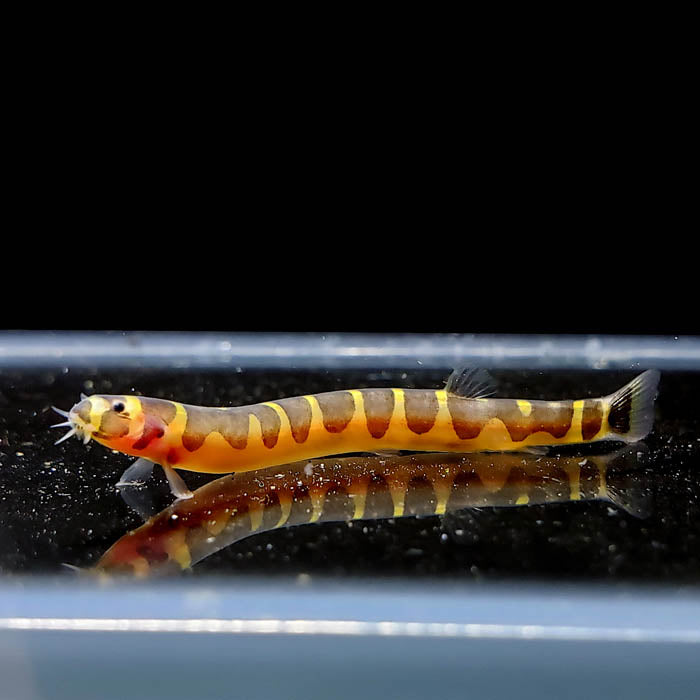
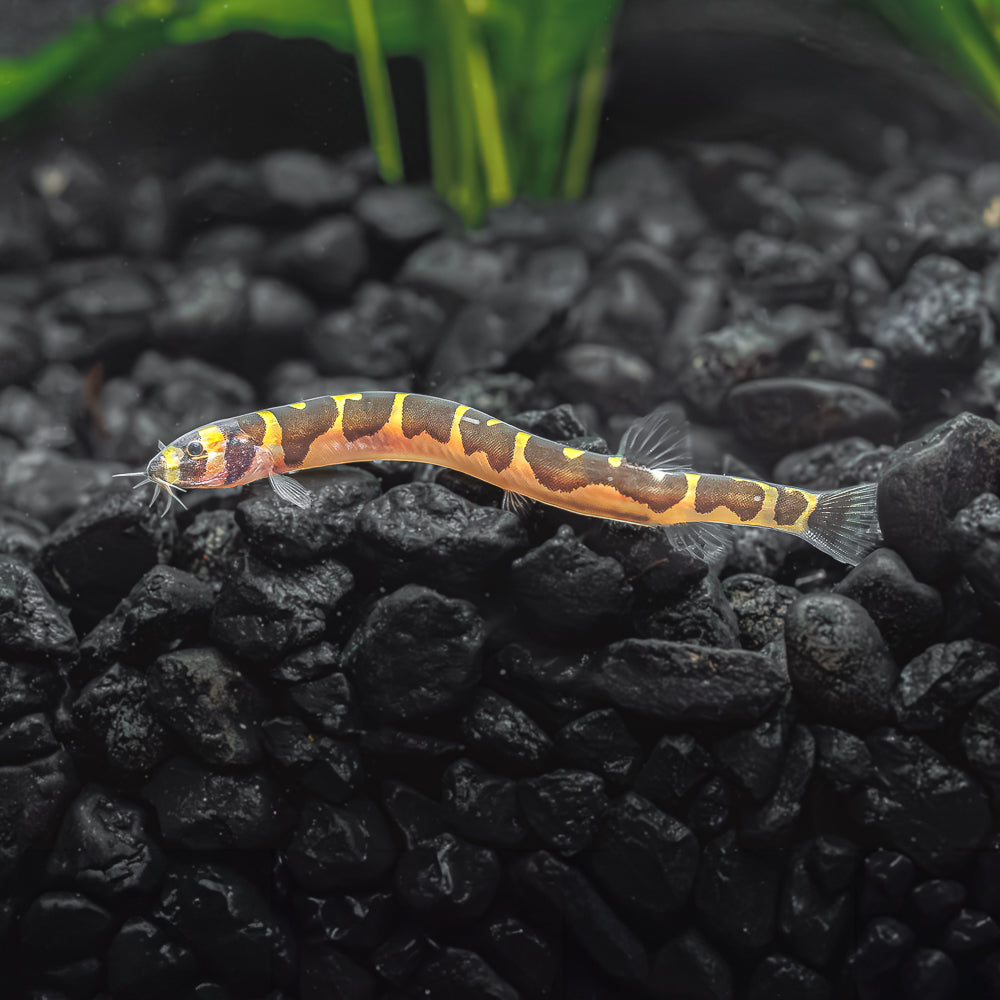
The Kuhli Loach has a long, slender body shaped like a worm. Its skin shows dark brown or black bands on a yellowish background. It grows up to 3 inches in length. Small barbels surround its mouth, helping it sense food. The fish has no scales, which makes its skin smooth and slippery.
Natural Habitat
Native to Southeast Asia, the Kuhli Loach lives in slow-moving waters. It prefers shallow streams and rivers with soft mud or sand beds. The water is usually warm and slightly acidic to neutral. Dense vegetation and leaf litter provide hiding spots. These conditions keep the fish safe and comfortable.
Behavior Traits
Kuhli Loaches are shy and mostly active at night. They spend much time hiding under rocks or plants. These fish like to swim in groups of five or more. They are peaceful and get along well with other fish. Their bottom-dwelling habit helps clean leftover food from the tank floor.
Tank Setup
Setting up a tank for Kuhli Loach is important for their health and happiness. These small fish need a calm and safe environment. The right tank setup helps them feel secure and active. Below are key points to create a perfect home for Kuhli Loach.
Ideal Tank Size
Kuhli Loach are small but active fish. A tank of at least 20 gallons works well. This size gives them space to swim and explore. More space means less stress and healthier fish. Avoid very small tanks to keep water stable and clean.
Substrate And Decorations
Soft substrate is best for Kuhli Loach. Sand or smooth gravel protects their delicate bodies. They like to dig and hide under soft materials. Add plenty of plants, rocks, and driftwood. These decorations create hiding spots and reduce stress. Avoid sharp objects that can hurt their skin.
Water Parameters
Kuhli Loach prefer warm water between 75°F and 86°F (24°C to 30°C). Keep pH levels around 6.0 to 7.5. They thrive in soft to moderately hard water. Regular water changes keep their tank clean. Stable water conditions help prevent diseases and keep them active.
Feeding Kuhli Loach
Kuhli Loach is a peaceful fish that loves to eat small food pieces. They spend most time at the bottom of the tank. Their feeding habits are simple but need care to keep them healthy.
Feeding Kuhli Loach the right food helps them stay active and bright. Knowing their diet and schedule is key to their well-being.
Diet Preferences
Kuhli Loach prefers soft and small foods. They enjoy worms, small insects, and sinking pellets. They eat better at night or when lights are dim. Vegetables like cucumber or zucchini also please them.
Feeding Schedule
Feed Kuhli Loach once or twice a day. Keep portions small to avoid leftover food. Remove uneaten food after 10 minutes. This keeps the tank clean and fish healthy.
Best Food Types
Live or frozen bloodworms are excellent choices. Tubifex worms and brine shrimp work well too. Sinking pellets designed for bottom feeders suit Kuhli Loach. Fresh vegetables can be offered occasionally for variety.

Credit: aquariumbreeder.com
Tank Mates
The Kuhli Loach is a peaceful fish that thrives best with the right tank mates. Choosing suitable companions helps keep your aquarium calm and healthy. This section covers which species get along with Kuhli Loaches and tips to avoid problems.
Compatible Species
Kuhli Loaches enjoy living with small, gentle fish. Tetras, guppies, and rasboras are good choices. Corydoras catfish also make excellent tank mates. Avoid large or aggressive fish that may bully or eat them. Shrimp and snails can live peacefully alongside Kuhli Loaches too.
Avoiding Aggression
Keep the tank spacious to reduce fighting. Provide plenty of hiding spots using plants and decorations. Avoid overcrowding the aquarium. Watch fish behavior closely and separate any aggressive individuals. Feeding all fish well can also reduce tension.
Community Tank Tips
Maintain clean water and stable conditions for all species. Introduce fish slowly to allow adjustment. Keep the tank dim or use soft lighting to mimic natural habitats. Group Kuhli Loaches in small schools for comfort. Regularly check for stress signs in all fish.
Health And Care
The health and care of Kuhli Loach are essential to keep them active and happy. These small fish need a clean environment and proper food to stay healthy. Good care helps prevent diseases and stress. Knowing common problems and signs of stress helps catch issues early. Following simple steps keeps Kuhli Loach safe and thriving.
Common Diseases
Kuhli Loach can get diseases like ich, fin rot, and skin infections. Ich shows as tiny white spots on their body and fins. Fin rot causes ragged edges on fins and tail. Skin infections make the fish look dull or have sores. These diseases happen from dirty water or poor tank conditions. Early treatment improves chances of recovery.
Signs Of Stress
Stress in Kuhli Loach shows in several ways. They may hide more than usual or swim erratically. Loss of appetite is a clear sign of stress. Look for faded colors or clamped fins. Stress lowers their immune system, making disease more likely. Spotting stress early helps protect their health.
Preventive Measures
Keep the tank clean by changing water regularly. Use a good filter to remove waste and toxins. Maintain stable water temperature and pH suitable for Kuhli Loach. Feed a balanced diet with sinking pellets and live food. Avoid overcrowding the tank to reduce stress. Quarantine new fish before adding them to the main tank.
Credit: flipaquatics.com
Breeding Kuhli Loach
Breeding Kuhli Loach can be a rewarding experience for aquarium enthusiasts. These small, eel-like fish have unique habits that make their breeding fascinating to observe. Understanding their needs is essential for successful spawning and raising healthy fry.
Breeding Conditions
Kuhli Loach prefers soft, slightly acidic water for breeding. The ideal temperature is between 78°F and 82°F. Provide plenty of hiding spots using plants and smooth stones. A clean tank with gentle water flow helps create a natural environment. Feeding them live or frozen foods boosts their readiness to breed.
Spawning Behavior
During spawning, Kuhli Loach become more active and swim together closely. Females release eggs in small clusters, usually hiding them under leaves or in crevices. Males fertilize the eggs quickly after they are laid. The process repeats several times over a few days. Watch for increased digging or burrowing as a sign of spawning.
Raising Fry
After hatching, fry stay hidden for several days. Provide fine foods like baby brine shrimp or powdered fry food. Keep water clean with gentle filtration to avoid disturbing the fry. Frequent small feedings support steady growth. Avoid strong light and sudden movements to reduce stress on young fish.
How Smart Pets Lover Can Help You with Kuhli Loach
Learning Through Caring for Your Kuhli Loach
Embracing the world of Kuhli Loaches offers more than just the joy of watching their graceful movements—it’s a hands-on way to deepen your understanding of aquatic life. From setting up the perfect tank that mimics their natural habitat to mastering the nuances of their feeding habits, each step invites practical learning. Paying attention to their health and care routines sharpens your observation skills, helping you spot subtle changes that might signal well-being or stress.
- Experiment with creating a soft, sandy substrate as covered in the tank setup section, encouraging your Kuhli Loach to exhibit natural burrowing behavior.
- Observe their feeding preferences to fine-tune your approach, enhancing both their nutrition and your connection.
- Note how compatible tank mates influence their activity, reinforcing the importance of thoughtful community planning.
At Smart Pets Lover, we know that every detail contributes to a richer pet-parent experience—where curiosity meets care. If you ever want to share your discoveries or seek guidance, feel free to reach out. After all, building confidence and connection with your aquatic companions is a journey worth celebrating.
Frequently Asked Questions
What Is A Kuhli Loach Fish?
Kuhli Loach is a small, eel-like freshwater fish native to Southeast Asia. It is popular in home aquariums for its peaceful nature and unique appearance. Kuhli Loaches are bottom dwellers and thrive in soft, warm water with plenty of hiding spots.
How Do Kuhli Loach Behave In Aquariums?
Kuhli Loaches are shy, nocturnal, and social fish. They prefer to stay hidden during the day and are active at night. They do best in groups of five or more and enjoy burrowing in soft substrate or hiding among plants and decorations.
What Is The Ideal Tank Setup For Kuhli Loach?
A tank with soft, sandy substrate and plenty of hiding places is ideal. They prefer temperatures between 75°F and 86°F and slightly acidic to neutral pH. Gentle filtration and low lighting help mimic their natural habitat and reduce stress.
What Do Kuhli Loach Eat In Captivity?
Kuhli Loaches are omnivores and eat a variety of foods. Their diet includes sinking pellets, live or frozen bloodworms, brine shrimp, and vegetable matter. Feeding them small portions twice daily ensures they stay healthy and active.
Conclusion
Kuhli Loaches make great additions to many aquariums. They stay active and enjoy hiding in plants or decorations. Feeding them is simple with the right diet. Their peaceful nature helps them live well with other fish. Keeping water clean and stable keeps them healthy.
Watching their unique movements brings calm to your tank. Small but full of charm, they delight hobbyists. Choose Kuhli Loaches for a lively and peaceful aquarium.