Koi Betta
Are you looking to add a splash of color and life to your home or office? Meet the Koi Betta—a fish that combines the vibrant patterns of koi with the bold personality of bettas.
If you want a pet that’s both beautiful and easy to care for, this could be the perfect choice for you. Keep reading to discover why the Koi Betta is capturing the hearts of fish lovers everywhere and how you can create the ideal environment for your new aquatic friend.
Your underwater adventure starts here!
Koi Betta Origins
The Koi Betta is a stunning fish with bright colors and unique patterns. It resembles the popular Koi fish but has the small, sleek body of a Betta. Understanding its origins helps appreciate this beautiful species.
The Koi Betta is the product of careful breeding. Its colors and patterns come from mixing Betta fish with traits inspired by Koi carp. This hybrid gives the fish its eye-catching look.
History And Breeding
Koi Betta was first developed by fish breeders in the early 2000s. They aimed to create a Betta with Koi-like colors. The breeding process took several years of trial and error.
Breeders selected Betta fish with strong color genes. They crossed these with others showing patterns similar to Koi. Over time, this led to the unique Koi Betta we see today.
Natural Habitat
Wild Betta fish live in shallow waters of Southeast Asia. They prefer rice paddies, slow rivers, and ponds with plenty of plants. These environments provide shelter and food.
Koi Betta, being a hybrid, does not have a natural wild habitat. It lives mostly in home aquariums where conditions mimic its natural Betta ancestors’ environments. Warm water and plants help keep it healthy.
Credit: www.coastgemusa.com
Physical Features
The physical features of Koi Betta fish make them a stunning choice for any aquarium. Their unique look draws attention easily. These fish show bright colors and interesting shapes. Each part of their body adds to their beauty and charm. Understanding these features helps you appreciate them more.
Color Patterns
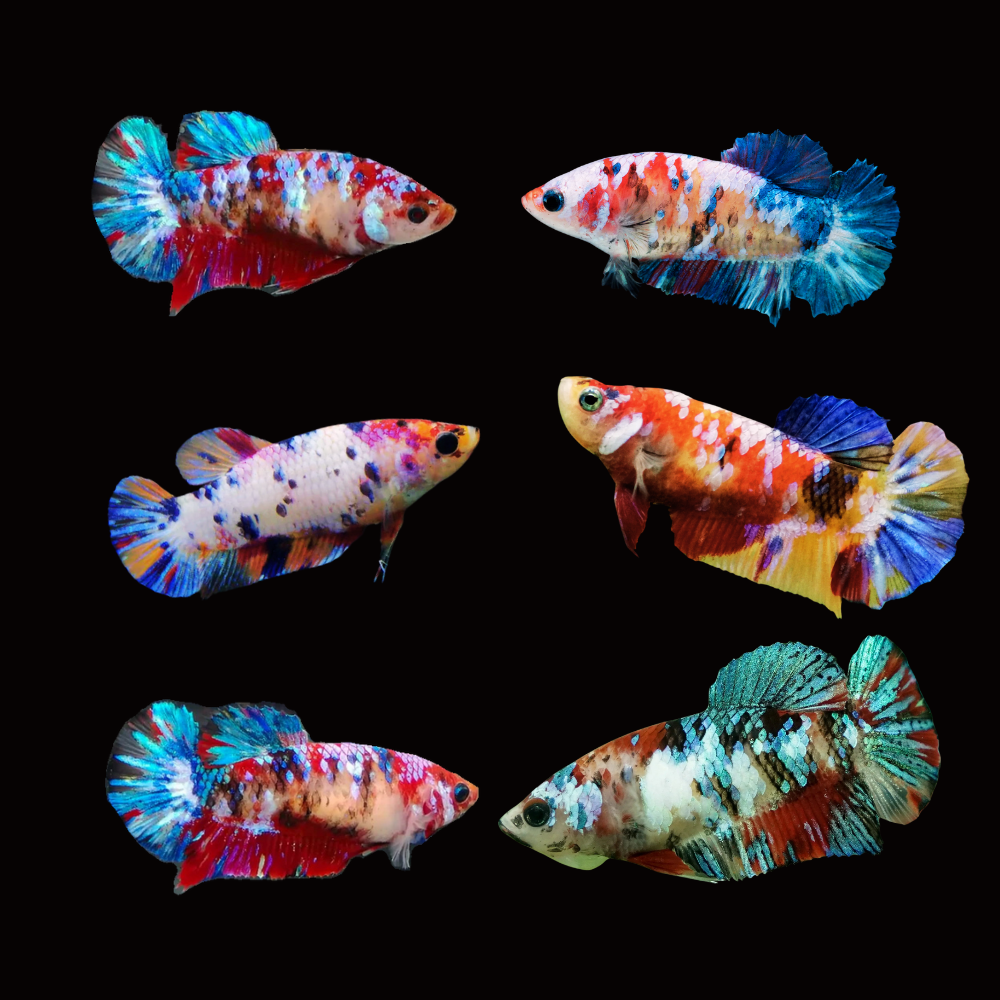
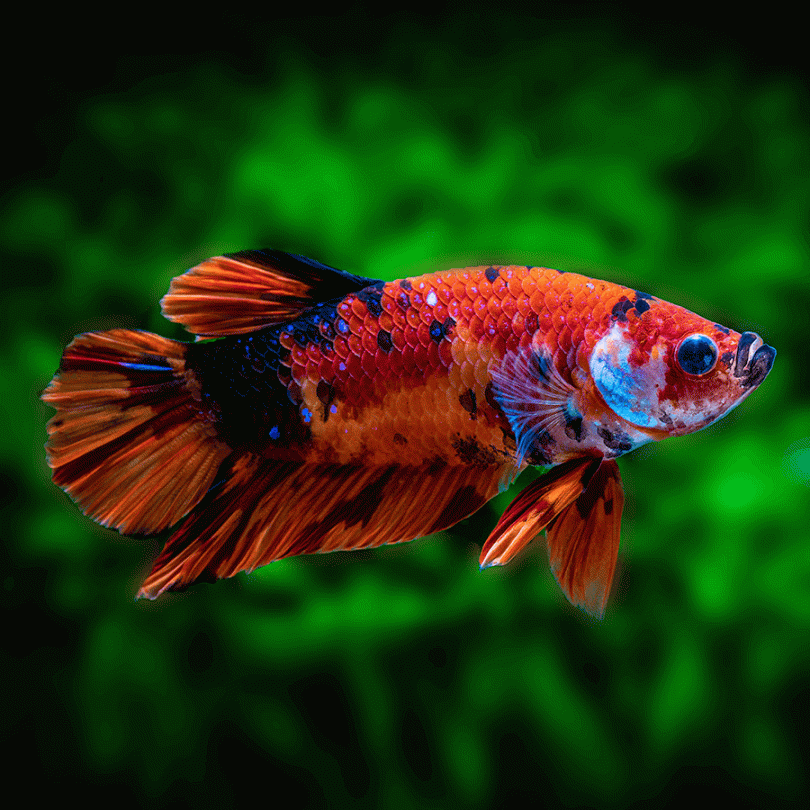
Koi Betta display vibrant color patterns that resemble koi fish. Their scales often show a mix of red, white, orange, and black. These colors appear in patches or spots across their body. The pattern is never the same twice. This variety makes every Koi Betta unique and special.
Size And Shape
Koi Betta are small fish, usually growing to about 2.5 inches. They have a compact, sturdy body shape. Their body is rounded with a slight taper towards the tail. This shape helps them swim smoothly in water. Their size makes them easy to care for in home aquariums.
Fin Types
The fins of Koi Betta come in different styles. Common types include veil tail, crown tail, and half-moon fins. Their fins are often long and flowing. These fins add grace as the fish moves. The fin edges can be smooth or spiky, creating diverse looks.
Tank Setup
Setting up the right tank is important for a happy Koi Betta. The tank must support their size and behavior. A good environment helps them stay healthy and show bright colors.
Proper water and decorations make the tank feel like home. This section explains how to prepare the best space for your Koi Betta.
Ideal Tank Size
Koi Bettas need space to swim freely. A tank of at least 5 gallons is best. Bigger tanks are easier to keep clean. They also reduce stress for your fish. Avoid very small bowls that limit movement.
Water Conditions
Keep the water clean and fresh. Temperature should stay between 75 and 80°F. Use a gentle filter to avoid strong currents. Check pH levels; Koi Bettas prefer 6.5 to 7.5. Change 25% of the water every week.
Decor And Plants
Soft decorations protect Koi Betta’s fins. Use smooth rocks and silk plants. Live plants like Java fern add oxygen and hiding spots. Avoid sharp or rough objects. Provide places to rest near the surface.
Credit: www.swelluk.com
Diet And Feeding
Koi Betta fish need a good diet to stay healthy and colorful. Feeding them the right food helps their growth and energy. It also keeps their colors bright and scales shiny.
Choosing the right food is important for their well-being. It should be nutritious and easy to eat. Overfeeding or underfeeding can cause health problems.
Best Food Options
High-quality Betta pellets are a great choice. They contain essential nutrients for Koi Betta fish. Freeze-dried or frozen foods like bloodworms and brine shrimp work well too. These foods add variety and help mimic their natural diet.
Avoid feeding only flakes. They might not have enough nutrients. Fresh or frozen foods provide better nutrition and taste.
Feeding Frequency
Feed your Koi Betta fish small amounts twice a day. This prevents overeating and water pollution. Only give what they can eat in two minutes. Skip feeding once a week to help their digestion.
Watch your fish during feeding time. If food remains, reduce the amount next time. A consistent schedule keeps your fish healthy and happy.
Behavior And Temperament
Koi Betta fish have unique behaviors that make them interesting pets. Their temperament is a mix of calmness and occasional bursts of energy. Understanding their behavior helps create a better environment for them to thrive.
Social Habits
Koi Bettas are not very social fish. They prefer to live alone most of the time. Males especially can be aggressive toward others of the same species. Females may tolerate company better but still need space.
These fish enjoy their own territory and can become stressed if crowded. They often flare their fins to show dominance or warn others away. This makes it important to provide enough room in their tank.
Interaction With Other Fish
Koi Bettas do not mix well with all fish types. They can attack smaller or long-finned fish. Peaceful, fast-swimming fish usually cause fewer problems. Avoid placing them with aggressive or large fish.
Introduce new tank mates slowly and watch their behavior closely. Some fish can coexist with Koi Bettas if given enough space. Choosing compatible species helps reduce stress and fighting.
Health Care
Proper health care is key to keeping Koi Betta fish happy and vibrant. Healthy fish show bright colors and active swimming. Understanding their health needs helps avoid common problems. Regular care supports their well-being and long life.
Common Diseases
Koi Betta fish face certain health issues. Ich, also called white spot disease, is common. It shows as tiny white dots on the body. Fin rot causes ragged or torn fins. Velvet disease appears as a gold or rust dust on the skin. These diseases can stress your fish and cause death if untreated.
Swim bladder disorder makes the fish swim oddly or float upside down. Dropsy leads to swelling and raised scales. These problems usually result from poor water quality or infections.
Preventive Measures
Clean water is the best defense against disease. Change 25% of the water weekly to keep it fresh. Use a good filter to remove waste and toxins. Keep water temperature stable between 75 and 80 degrees Fahrenheit.
Avoid overcrowding in the tank. Stress weakens the fish’s immune system. Feed high-quality food in small amounts twice a day. Remove uneaten food to prevent decay.
Quarantine new fish before adding them to the tank. This prevents spreading illness. Watch your Koi Betta daily for signs of sickness. Early action improves chances of recovery.
Breeding Koi Betta
Breeding Koi Betta fish can be a rewarding experience. These fish have bright colors and unique patterns. They need specific care to breed successfully. Setting up the right environment is key. Proper care helps the eggs develop and the fry grow strong.
Breeding Setup
Choose a small tank with clean water for breeding. The tank should be 5 to 10 gallons. Keep the water temperature around 78 to 80°F (25 to 27°C). Add a few floating plants or a breeding mop. These give the female a place to lay eggs. Use a sponge filter to keep water clean without harming eggs. Avoid strong water currents. Introduce one male and one female Koi Betta. Watch for signs like bubble nests and mating dances. Remove other fish to reduce stress and aggression.
Raising Fry
After spawning, remove the adult fish to protect the eggs. The eggs hatch in about 24 to 36 hours. Fry will start swimming after 3 to 4 days. Feed them infusoria or liquid fry food at first. Later, introduce baby brine shrimp or crushed flakes. Change water often but gently to keep water quality high. Keep the tank dim and quiet to reduce stress. Watch for signs of disease or slow growth. Healthy fry grow fast and show early colors.
Common Mistakes To Avoid
Keeping Koi Betta healthy and happy requires care and attention. Many beginners make simple mistakes that harm their fish. Avoiding these errors can improve your Koi Betta’s life and your enjoyment.
Overfeeding
Overfeeding is a common problem for Koi Betta owners. Giving too much food can cause water pollution and health issues. Feed small amounts once or twice daily. Remove leftover food after a few minutes. This keeps the tank clean and fish healthy.
Incompatible Tankmates
Not all fish get along with Koi Betta. Some species are aggressive or may stress your Betta. Choose peaceful, small fish that do not nip fins. Avoid large or fast swimmers that can bully your Betta. A calm tank helps your Koi Betta thrive.
Koi Betta Variations
Koi Betta fish show a stunning range of colors and shapes. These variations make them popular for fish lovers everywhere. Each Koi Betta has unique traits that catch the eye. They come in many beautiful forms, from bright colors to special fin types. Understanding these differences helps in choosing the right fish for your tank.
Color Morphs
Koi Betta color morphs mimic the patterns of koi fish. They often have red, orange, white, and black patches. These colors blend in many ways, creating a unique look for each fish. Some have more vibrant reds, while others show softer oranges or whites. Their colors can change slightly as they grow. This makes every Koi Betta a little different and exciting to watch.
Fin Styles
Koi Bettas come with several fin styles that add to their charm. Common types include the veil tail, crowntail, and halfmoon fins. Veil tails are long and flowing, giving a graceful appearance. Crowntails have a spiky, webbed look, making them stand out. Halfmoon fins spread wide, forming a perfect semicircle. Each fin style changes how the fish moves and looks in the water. Choose the fin style that fits your taste and tank environment.

Credit: tropicflow.com
How Smart Pets Lover Can Help You with Koi Betta
Turning Koi Betta Care into a Learning Experience
Understanding the nuances of Koi Betta care offers more than just a chance to enjoy their vibrant beauty—it’s a practical way to deepen your connection with these fascinating fish. By paying close attention to their unique physical features and behavior, you can fine-tune your tank setup to create a comfortable, healthy environment. This hands-on approach encourages patience and observation, skills that extend beyond fishkeeping.
Delving into their diet and feeding habits also teaches mindful pet care, reminding us how crucial balanced nutrition is for any pet’s well-being. Learning to recognize signs of common health issues sharpens your ability to respond promptly and responsibly.
At Smart Pets Lover, we believe every interaction with your pet is a chance to grow as a caregiver. If you ever need detailed guidance or have questions about your Koi Betta, reaching out to fellow enthusiasts or experts can be invaluable. Remember, nurturing these colorful companions is as much about heart as it is about knowledge—where every wag, purr, and chirp tells a story worth listening to.
Frequently Asked Questions
What Is A Koi Betta Fish?
A Koi Betta is a colorful Betta fish with patterns resembling Koi carp. They are popular for their vibrant colors and unique patterns.
How To Care For Koi Betta Fish?
Koi Betta fish need clean water, a 5-gallon tank, proper filtration, and a balanced diet. Regular water changes are essential.
Can Koi Betta Live With Other Fish?
Koi Betta can be aggressive, so they are best kept alone or with peaceful, non-fin-nipping fish in a spacious tank.
What Do Koi Betta Eat?
Koi Betta eat high-quality Betta pellets, frozen or live foods like brine shrimp and bloodworms. A varied diet promotes health.
Conclusion
Koi Betta fish bring bright colors and calm to any space. They need clean water and gentle care to thrive. Feeding them right helps keep them healthy and happy. Watching their graceful moves can ease your mind. Small tanks work well, but keep them clean.
These fish add life and beauty to your home. Caring for Koi Betta teaches patience and joy. Enjoy their charm every day with simple attention. A peaceful, colorful pet that fits many homes.