Kissing Gourami
Have you ever seen a fish that looks like it’s kissing? That’s the Kissing Gourami, a fascinating and unique fish that can bring life and charm to your aquarium.
If you’re curious about what makes this fish special and how to care for it, you’re in the right place. By the end of this article, you’ll know exactly why the Kissing Gourami is a must-have for your tank and how to keep it happy and healthy.
Keep reading to discover the secrets behind this intriguing fish!

Credit: aquariumfishonline.com.au
Kissing Gourami Traits
Kissing Gouramis are unique fish with interesting traits. These traits make them popular in home aquariums. Their appearance, behavior, and lifespan are worth understanding. Each trait helps the fish adapt and thrive in water.
Physical Appearance
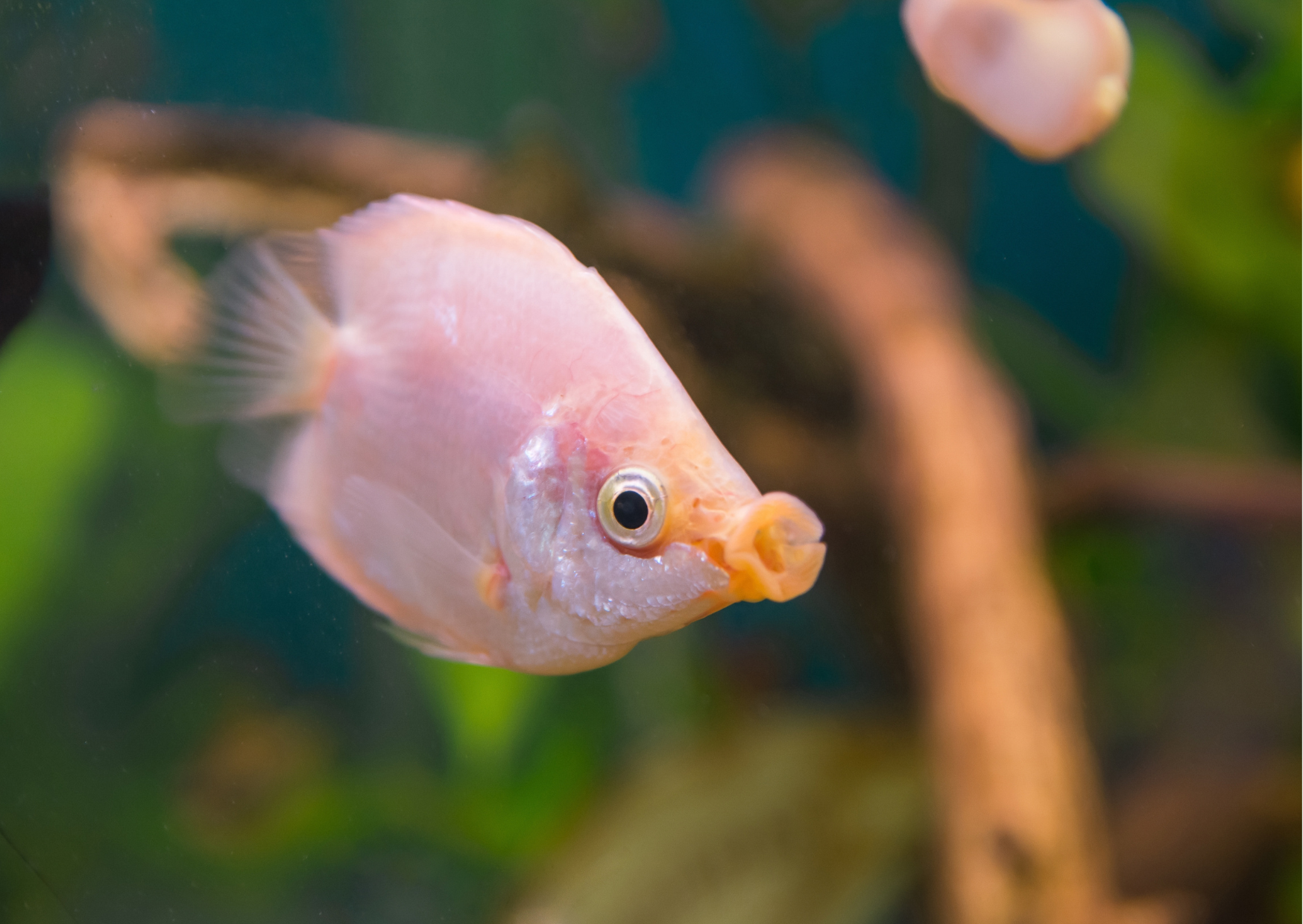
Kissing Gouramis have a flat, oval body shape. Their color ranges from pale pink to silvery green. They can grow up to 12 inches long. Their lips are thick and look like they are kissing. This look gives them their unique name.
Behavior Patterns
These fish are peaceful but can show mild aggression. They often “kiss” other fish, which is actually a form of communication. They enjoy swimming in groups and need space. They are active during the day and rest at night.
Lifespan And Growth
Kissing Gouramis live for 5 to 7 years. They grow quickly during their first year. Proper care and diet help them reach full size. A healthy environment supports their long life.
Credit: realaquatics.co.uk
Natural Habitat
The natural habitat of the Kissing Gourami shapes its behavior and health. This fish thrives in specific environments that support its unique needs. Understanding these habitats helps aquarists keep them happy and healthy.
Geographical Distribution
Kissing Gouramis are native to Southeast Asia. They live mainly in Thailand, Malaysia, and Indonesia. These fish inhabit slow-moving rivers and lakes. Their range covers both freshwater and brackish water areas. They avoid fast currents and deep waters.
Water Conditions
These fish prefer warm water with temperatures between 75 and 86°F (24-30°C). The water is usually soft to moderately hard. The pH level ranges from 6.0 to 8.0. Clear or slightly murky water suits them best. They thrive in well-planted areas with plenty of hiding spots.
Diet In The Wild
Kissing Gouramis feed mainly on algae and plant matter. They also eat small insects and larvae. Their lips help them scrape food off rocks and plants. This diet helps maintain the balance in their ecosystem. It also keeps their teeth healthy and strong.
Tank Setup
Setting up the right tank is key for a healthy Kissing Gourami. These fish need space, clean water, and a natural environment. Proper care starts with the tank setup.
Each part of the tank affects their health and behavior. Let’s explore the ideal tank size, water conditions, and decorations.
Tank Size And Shape
Kissing Gouramis grow quite large. A tank should be at least 55 gallons. Bigger tanks allow more swimming space.
A long tank shape helps. It gives room for movement. Avoid tall, narrow tanks. They limit their swimming area.
Water Parameters
Keep water temperature between 74°F and 82°F. Kissing Gouramis prefer warm water.
The pH should stay between 6.8 and 7.8. Maintain moderate water hardness. Clean water is essential. Change 25% weekly.
Decor And Plants
Use smooth rocks and driftwood for hiding spots. Avoid sharp decorations that can harm fish.
Add live plants like Java fern or Anubias. These plants are tough and grow well. They provide shelter and improve water quality.
Feeding Kissing Gouramis
Kissing Gouramis need a balanced diet to stay healthy and active. Their feeding habits affect their color, growth, and energy levels. Understanding their food needs helps keep them happy in your aquarium.
Proper feeding supports their natural behavior and prevents health problems. It is important to provide the right types of food in the right amounts.
Dietary Needs
Kissing Gouramis are mainly herbivores. They enjoy eating plant-based foods. They also eat some protein but in small amounts.
They need fiber to help with digestion. A diet rich in vegetables and algae works best. Avoid too many fatty or high-protein foods.
Feeding Frequency
Feed Kissing Gouramis two to three times daily. Small portions prevent waste and water pollution. Overfeeding can cause health issues.
Watch their behavior and appetite to adjust feeding times. Consistent feeding helps them stay healthy and active.
Suitable Foods
Offer fresh vegetables like lettuce, spinach, and peas. Algae wafers and spirulina flakes are good too. Include occasional live or frozen foods like brine shrimp.
Avoid feeding only flakes or pellets. Variety keeps their diet balanced and interesting. Clean any leftover food to maintain water quality.
Behavior In Captivity
Kissing Gouramis show unique behaviors in captivity. Understanding their actions helps keep them healthy and happy. These fish communicate and interact in interesting ways. Observing their social habits reveals much about their needs.
Social Interaction
Kissing Gouramis enjoy company. They often swim in small groups. They use their lips to “kiss” each other. This action is a form of communication. It can mean greeting or establishing social bonds. Group living reduces stress and promotes activity.
Aggression And Territoriality
These fish can be aggressive at times. Males especially show territorial behavior. They may chase or nip other fish. This behavior protects their space. Aggression rises during breeding seasons. Providing enough space helps reduce fights.
Compatibility With Other Fish
Kissing Gouramis usually live well with peaceful fish. Avoid keeping them with very small or slow fish. They might accidentally harm delicate species. Choose tank mates that tolerate active swimmers. Proper compatibility ensures a calm aquarium environment.
Breeding Tips
Breeding kissing gouramis can be rewarding but requires careful attention. Creating the right environment and understanding their behavior improves success. This section shares essential tips for breeding kissing gouramis.
Breeding Conditions
Keep water temperature between 78°F and 82°F. Use soft, slightly acidic water with a pH around 6.5 to 7.0. Provide plenty of plants and hiding spots. Bright lighting helps stimulate breeding. Maintain clean water by doing regular partial changes.
Spawning Behavior
Kissing gouramis form pairs before spawning. Males display by “kissing” each other to show dominance. The female lays eggs on plant leaves or aquarium glass. Males fertilize eggs immediately after. Spawning usually happens early in the morning.
Raising Fry
Remove adults after spawning to protect eggs. Eggs hatch in about 24 to 36 hours. Feed fry with infusoria or finely crushed flakes at first. Gradually introduce baby brine shrimp as they grow. Keep water clean and monitor fry closely for health.
Health And Diseases
Kissing Gouramis are beautiful and lively fish, but they can face health challenges. Knowing about their common diseases helps keep them strong. Good care prevents many problems. Early treatment improves their chances of recovery.
Understanding health and diseases is key to enjoying these unique fish. Watch for signs of illness and act fast. Healthy water and food support their well-being.
Common Illnesses
Ich, or white spot disease, is a frequent issue. It causes small white dots on the fish’s body. Fin rot leads to ragged fins and slow swimming. Bacterial infections can cause ulcers or redness. Poor water quality often triggers these illnesses. Stress weakens their immune system, making sickness more likely.
Preventive Care
Keep the tank clean with regular water changes. Use a good filter and test water parameters often. Feed a balanced diet with quality flakes or pellets. Avoid overfeeding; it pollutes the water. Quarantine new fish before adding them to the main tank. Provide hiding spots and avoid overcrowding. Stable water temperature reduces stress and disease risk.
Treatment Options
Use medication specific to the illness diagnosed. Salt baths can help with some infections. Increase aeration to improve oxygen levels. Remove sick fish to prevent spread. Follow medication instructions carefully for best results. Seek advice from a vet or experienced aquarist if unsure. Early treatment helps fish recover faster and stay healthy.
Common Challenges
Kissing Gouramis are popular aquarium fish with unique behaviors. They bring life and color to tanks. But they face challenges that can affect their health. Understanding these common problems helps keep them happy and healthy.
Stress Factors
Stress is a big problem for Kissing Gouramis. Loud noises and sudden movements scare them. Overcrowded tanks cause stress too. Stress weakens their immune system. It makes them more likely to get sick. Keeping a calm and stable environment is key.
Water Quality Issues
Clean water is vital for Kissing Gouramis. Poor water quality leads to illness and slow growth. High levels of ammonia, nitrites, or nitrates harm them. Regular water changes improve health. Using a good filter helps maintain water clarity. Test water often to keep conditions safe.
Behavioral Problems
Kissing Gouramis show unique social behaviors. Sometimes they become aggressive toward tank mates. Fighting can cause injuries and stress. Providing enough space reduces conflicts. Watching their interactions helps spot problems early. Introducing peaceful species can create harmony.
:strip_icc()/Helostoma_temminckii_3500_Daniel_Ahlqvist-56a32fe65f9b58b7d0d0dfc3.jpg)
Credit: www.thesprucepets.com
How Smart Pets Lover Can Help You with Kissing Gourami
Learning Through Caring for Your Kissing Gourami
Understanding the unique behavior of Kissing Gouramis opens up wonderful practical learning opportunities for any pet parent. Observing their natural tendencies in a well-prepared tank setup teaches patience and attentiveness—two essential traits for responsible fish care. For example, recognizing signs of stress or illness, such as changes in feeding habits or unusual swimming patterns, deepens your knowledge of fish health and diseases.
Feeding these vibrant fish offers a hands-on lesson in balanced nutrition, helping you appreciate how diet directly affects behavior and longevity. When you combine this with insights into their natural habitat, it becomes clear how replicating these conditions fosters a thriving aquatic environment.
- Monitor water quality consistently to mirror their natural surroundings.
- Provide a varied diet to support their health and activity.
- Observe social interactions to understand their behavior in captivity.
At Smart Pets Lover, we believe every moment spent with your Kissing Gourami is a chance to learn and grow as a caring pet parent. If you ever need guidance or want to share your experiences, feel free to reach out. After all, where every wag, purr, and chirp tells a story, your fish’s journey is just as meaningful.
Frequently Asked Questions
What Is A Kissing Gourami Fish?
Kissing Gourami is a tropical freshwater fish known for its unique “kissing” behavior. It has a flat, round body and can grow up to 12 inches. Popular in aquariums, it is peaceful but may show territorial behavior. It thrives in well-maintained tanks with warm water.
How Big Do Kissing Gouramis Grow?
Kissing Gouramis typically grow between 10 to 12 inches in length. Their size depends on tank conditions and diet. In spacious aquariums with proper care, they reach full size faster. They require large tanks to accommodate their growth comfortably and maintain good health.
What Do Kissing Gouramis Eat?
Kissing Gouramis are omnivores, eating both plant and animal matter. Their diet includes algae, vegetables, and small invertebrates. In aquariums, feed them high-quality flakes, pellets, and occasional live or frozen foods. A balanced diet helps maintain their vibrant color and health.
Are Kissing Gouramis Good Community Fish?
Yes, Kissing Gouramis are generally peaceful and adapt well to community tanks. However, they may show mild aggression during breeding or if overcrowded. They prefer tank mates of similar size and temperament. Proper tank size and hiding spots reduce stress and territorial disputes.
Conclusion
Kissing Gouramis make great pets for many fish lovers. They have unique shapes and fun behaviors. These fish need clean water and proper food to stay healthy. They can live with other peaceful fish too. Watching their gentle “kisses” is always interesting.
Remember to give them enough space in the tank. Caring for Kissing Gouramis is simple and rewarding. They bring life and charm to any aquarium. A happy Kissing Gourami means a happy home. Try adding one to your fish collection soon.