King Betta
Are you ready to discover the fascinating world of the King Betta? If you want a fish that stands out with vibrant colors and a strong personality, the King Betta might be the perfect addition to your aquarium.
You’ll learn everything you need to know to care for your King Betta, keep it healthy, and make it thrive. Keep reading, and you’ll soon feel confident about welcoming this stunning fish into your home.
King Betta Species
The King Betta species stands out with its striking appearance and unique traits. These fish are popular among aquarium lovers for their vibrant colors and interesting behavior. Understanding their origin, look, and temperament helps in caring for them properly.
Origin And Habitat
King Bettas come from Southeast Asia, mainly Thailand. They live in slow-moving waters like rice paddies and small streams. Their natural habitat is warm and shallow, filled with plants. This environment helps them hide and find food easily.
Physical Characteristics
King Bettas have a larger body than common bettas. Their fins are broad and flow like a royal cape. Colors range from deep reds to bright blues and greens. Males usually show brighter colors and bigger fins than females. Their scales shimmer under light, making them eye-catching.
Behavior And Temperament
These fish are known for their bold and active nature. Males can be territorial and may fight with other males. They enjoy exploring their tank and flaring their fins to show dominance. King Bettas are curious and often interact with their owners. They prefer calm environments with hiding spots to feel safe.
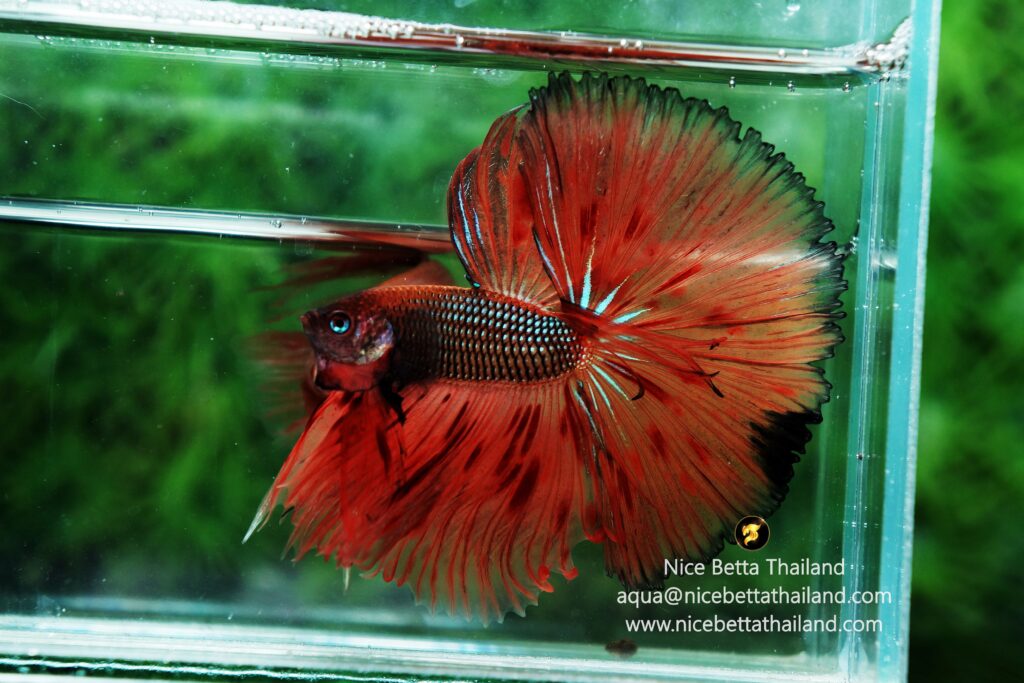
Credit: www.nicebettathailand.com
Tank Setup
Setting up the right tank for your King Betta is key for a healthy fish. The environment must suit its needs. Proper care starts with a good tank setup. This helps your King Betta live longer and stay active.
Tank Size And Type
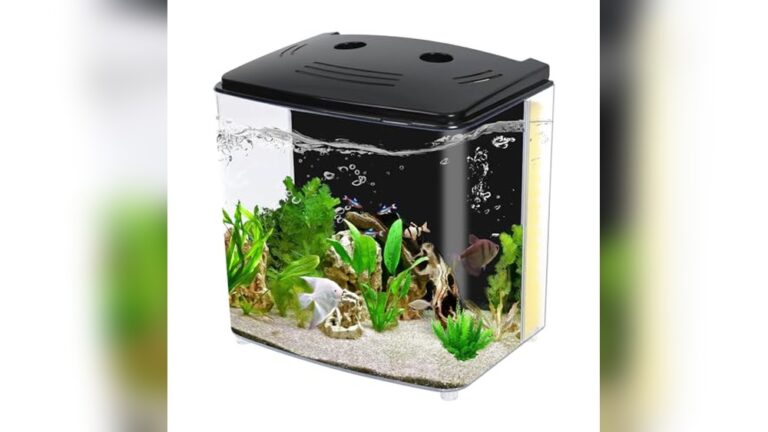
Choose a tank at least 5 gallons in size. Bigger tanks provide more space to swim and reduce stress. Glass tanks are best because they hold water well and are easy to clean. Avoid very small bowls that limit movement and water quality.
Water Conditions
Keep water temperature between 76°F and 82°F. Use a heater to maintain steady warmth. The pH level should be neutral, around 6.5 to 7.5. Clean water keeps the fish healthy. Change 20% of the water every week to remove waste.
Decor And Plants
Use smooth decorations to prevent fin damage. Avoid sharp or rough objects. Live plants add oxygen and hideouts. They also make the tank look natural. Silk plants work well if live plants are hard to care for.
Feeding King Betta
Feeding King Betta fish is a vital part of keeping them healthy and lively. Their diet affects their color, energy, and lifespan. Good feeding habits help avoid common health problems.
Understanding what and how much to feed King Bettas ensures they thrive in your care. Here are key points to keep in mind.
Diet Essentials
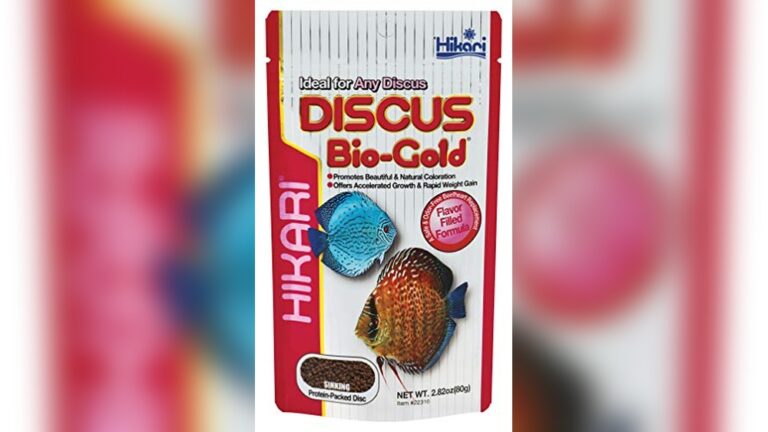
King Bettas need a varied diet rich in protein. High-quality betta pellets are a good staple food. Supplement with live or frozen foods like brine shrimp, bloodworms, and daphnia. These foods mimic their natural diet and provide extra nutrients. Avoid feeding only flakes or plants. They do not meet all nutritional needs.
Feeding Schedule
Feed King Betta once or twice daily. Small portions prevent waste and water pollution. Offer as much food as they can eat in two minutes. Remove leftovers to keep the tank clean. Young bettas may eat more often. Adult fish do best with fewer feedings. A regular schedule helps maintain their health.
Avoiding Overfeeding
Overfeeding can cause swim bladder problems and obesity. It leads to poor water quality and disease. Only give small amounts at each feeding. Watch your fish closely for signs of fullness. If they refuse food, skip the next feeding. Keep the tank clean to prevent leftover food buildup.

Credit: www.reddit.com
Health And Care
King Betta fish need good care to stay healthy and live longer. Their health depends on clean water, proper food, and a calm environment. Regular checks help catch problems early.
Understanding common diseases, how to prevent them, and signs of stress helps keep your King Betta happy.
Common Diseases
King Bettas can get fin rot, a disease that damages their fins. Swim bladder disorder affects their swimming ability. Ich is a parasite that causes white spots. These diseases need fast treatment to avoid harm.
Preventive Measures
Keep the tank clean by changing water often. Use a good filter and keep water temperature steady. Feed your King Betta small amounts of high-quality food. Avoid overcrowding the tank. Quarantine new fish before adding them.
Signs Of Stress
Look for clamped fins or faded colors. A stressed King Betta may hide a lot or stop eating. Rapid gill movement and erratic swimming are red flags. Stress lowers immunity, making diseases more likely.
Breeding King Betta
Breeding King Betta fish can be a rewarding experience. These vibrant fish display unique colors and patterns in their offspring. Understanding their breeding needs helps ensure success. Patience and care play key roles during the entire process.
Breeding Conditions
Set up a separate tank for breeding. Keep the water temperature between 78 and 82°F. Maintain clean water with gentle filtration. Use soft water with a pH around 6.5 to 7. Add plenty of plants and hiding spots. Dim lighting helps create a calm environment.
Spawning Process
The male builds a bubble nest at the surface. Introduce the female carefully and watch their behavior. The male wraps his body around the female to release eggs. He collects the eggs and places them in the bubble nest. This process may repeat several times. Remove the female after spawning to avoid aggression.
Caring For Fry
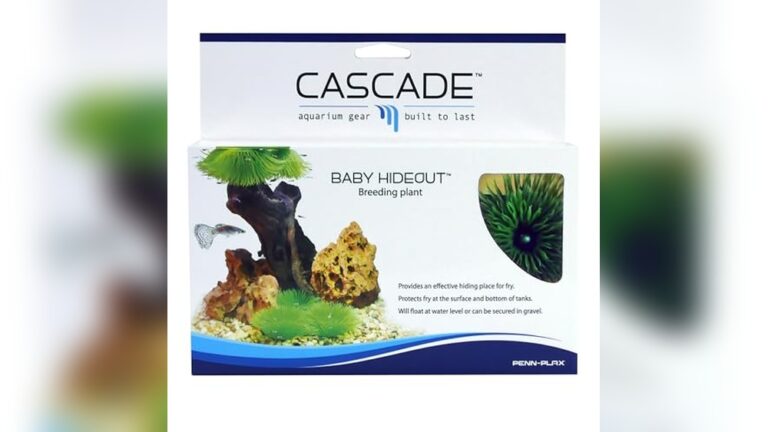
Fry hatch in about 24 to 36 hours. Keep the water clean and warm for their growth. Feed tiny foods like infusoria or commercially available fry food. Feed small amounts multiple times daily. Avoid strong water currents to protect the fry. Watch them closely for health and growth progress.
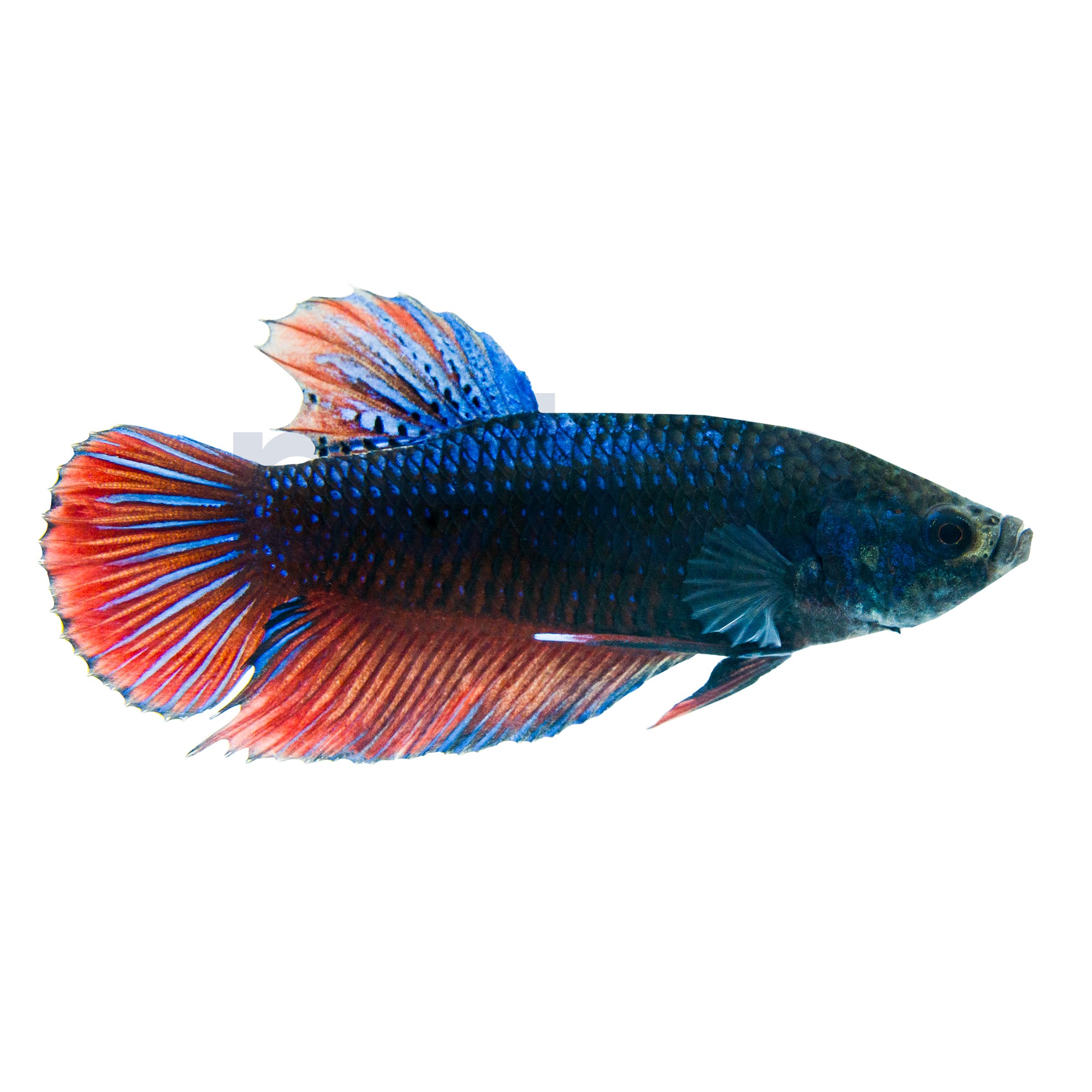
Credit: www.petco.com
Tank Mates
Choosing the right tank mates for your King Betta is important for a peaceful aquarium. King Bettas are known for their vibrant colors and bold personalities. They can live well with some fish but may fight with others. Careful selection helps avoid stress and harm to all fish in the tank.
Compatible Species
Small, peaceful fish work best with King Bettas. Species like Corydoras catfish, neon tetras, and kuhli loaches are good choices. These fish stay low or mid-level in the tank, avoiding direct competition. Snails and shrimp also make great tank mates. They clean the tank and do not bother the Betta.
Species To Avoid
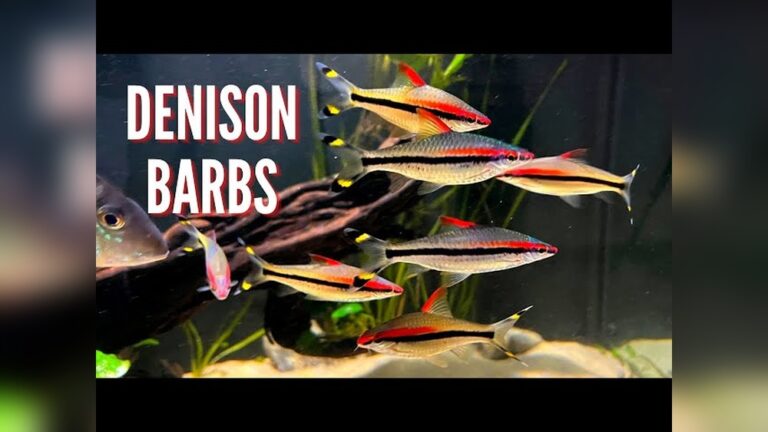
Avoid fish with long, flowing fins. They can trigger aggression in King Bettas. Examples include other male Bettas, guppies, and fancy goldfish. Aggressive or very active fish like cichlids or barbs cause stress. Large fish that may eat or hurt the Betta should be kept out.
Community Tank Tips
Provide plenty of hiding spots and plants. This helps reduce fights and stress. Keep the tank size at least 20 gallons for a community setup. Watch fish behavior daily for signs of bullying or stress. Separate fish if any problems appear to keep peace in the tank.
How Smart Pets Lover Can Help You with King Betta
Learning Through Caring for Your King Betta
Bringing a King Betta into your home opens up a wonderful opportunity to deepen your understanding of aquatic life and responsible pet ownership. From setting up the right tank environment to mastering their feeding routines, each step invites practical learning that strengthens your bond with these vibrant fish.
For instance, exploring the ideal tank setup and choosing compatible tank mates teaches patience and observation, as you watch how the King Betta interacts within its space. Paying close attention to health and care nuances sharpens your ability to detect early signs of stress or illness, making you a more attentive and confident pet parent.
- Experiment with different feeding schedules to see what suits your King Betta best.
- Observe behavior changes after introducing new tank mates.
- Document your tank maintenance routines to ensure consistency.
At Smart Pets Lover, we believe every pet journey is a story of learning and connection. If you have questions or want to share your experiences, feel free to reach out via our website’s contact page. Remember, nurturing your King Betta isn’t just about care—it’s about embracing a rewarding, ongoing learning adventure.
Frequently Asked Questions
What Is A King Betta Fish?
A King Betta is a large, colorful betta variant. It is known for its size and vibrant fins. King Bettas require spacious tanks to thrive. They are popular among aquarium enthusiasts for their striking appearance.
How Big Do King Betta Fish Grow?
King Betta fish can grow up to 4 inches long. This size is larger than typical betta fish. Their size demands larger tanks and proper care. Regular feeding and clean water support healthy growth.
What Tank Size Suits King Betta Fish?
A minimum 10-gallon tank is ideal for King Bettas. Larger tanks provide ample swimming space and stable water conditions. Proper filtration and heating are also important. This setup ensures a healthy and happy fish.
What Do King Betta Fish Eat?
King Bettas eat high-protein foods like pellets, flakes, and live or frozen insects. A varied diet promotes vibrant colors and good health. Feed small amounts twice daily to avoid overfeeding. Clean leftover food to maintain water quality.
Conclusion
King Betta stands out as a unique and exciting choice. It offers simple gameplay and clear goals. Players enjoy quick rounds and easy controls. The game suits both beginners and casual players. Dive in and see what makes King Betta fun.
Give it a try and enjoy the challenge. Your next favorite game might be just a click away.