Java Moss
If you’re looking to add a touch of natural beauty and life to your aquarium, Java Moss is one of the best choices you can make. This simple, green plant can transform your tank into a lush underwater garden without much effort.
Whether you’re a beginner or an experienced aquarist, Java Moss offers endless benefits—from providing shelter for your fish to improving water quality. Keep reading, and you’ll discover how easy it is to care for, why it’s so popular, and the surprising ways it can enhance your aquatic world.
Your tank deserves this green upgrade.
Credit: aquaticarts.com
Java Moss Basics
Java Moss is a popular plant in aquariums. It adds green color and helps keep water clean. Many fish like to hide and lay eggs in it. It grows well in many water types and is easy to care for.
Understanding Java Moss helps you create a healthy tank. Its simple nature makes it great for beginners. Let’s explore what Java Moss is, where it grows naturally, and how it looks.
What Is Java Moss
Java Moss is a small aquatic plant. It belongs to the moss family but grows underwater. It does not need soil to grow. It attaches to rocks, wood, or other surfaces in the tank. Java Moss grows slowly but steadily. It helps improve water quality by absorbing nutrients.
Natural Habitat
Java Moss is native to Southeast Asia. It grows in streams, rivers, and ponds. The water there is usually slow-moving and clean. It attaches to rocks and tree branches underwater. It thrives in shaded areas with low light. The plant adapts well to different water conditions.
Physical Characteristics
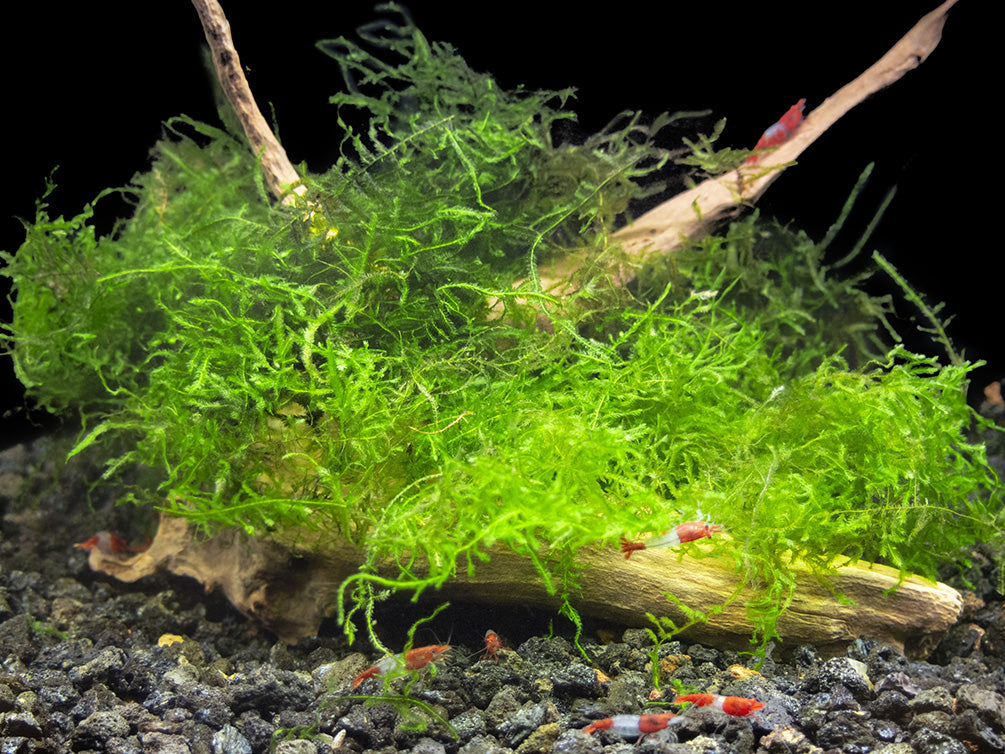
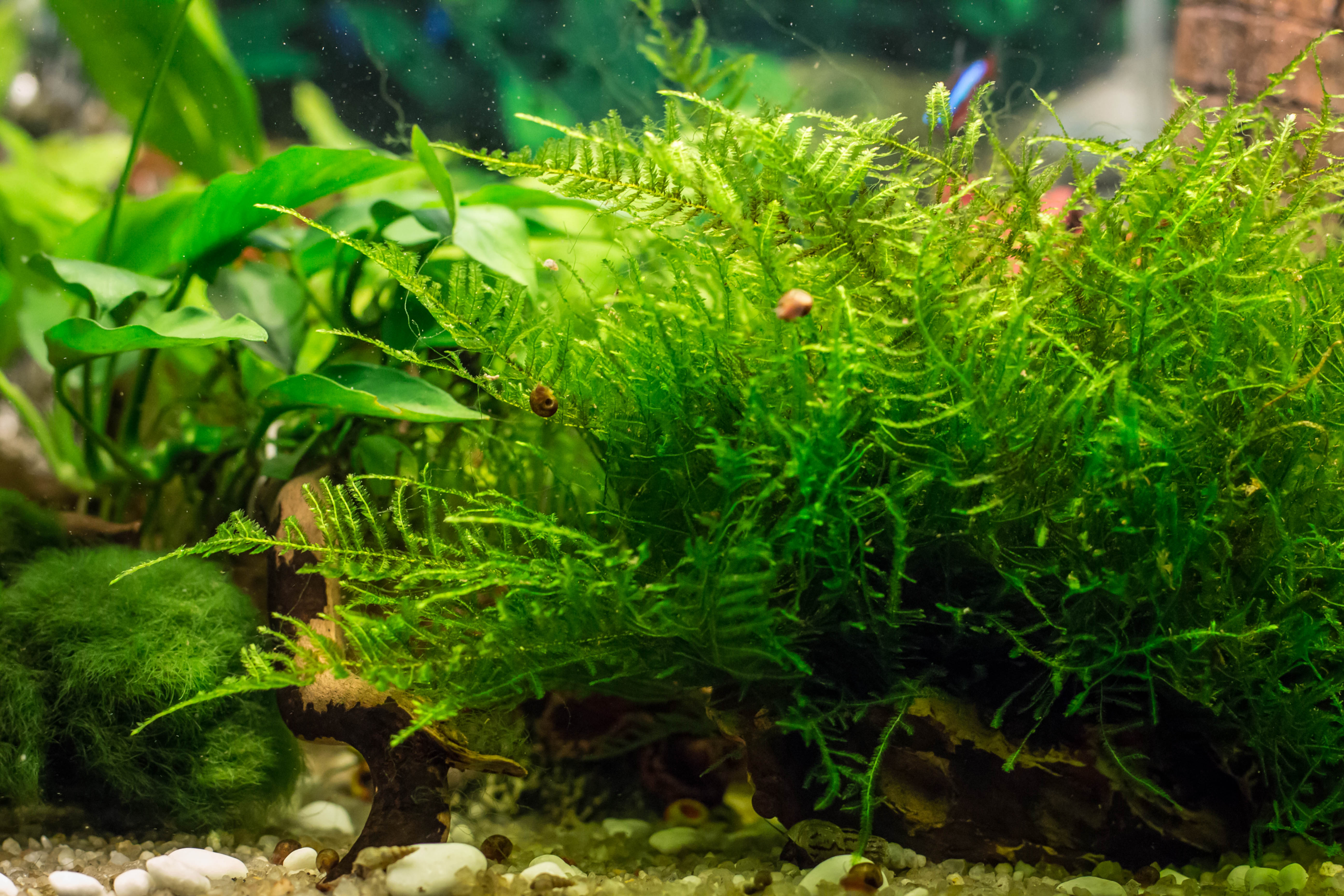
Java Moss has small, bright green leaves. The leaves are soft and fine. It forms dense mats or clumps. The plant can grow up to several inches long. Its thin stems hold the leaves tightly. Java Moss floats or sticks to surfaces easily. It changes color slightly with light and water quality.

Credit: www.eddiesaqua.com
Benefits In Aquariums
Java Moss is a popular plant in aquariums. It offers many benefits that improve the tank environment. This plant helps keep water clean and provides a safe space for fish and other creatures. Its easy care makes it a favorite for beginners and experts alike.
Below are some key benefits of Java Moss in aquariums.
Oxygen Production
Java Moss produces oxygen through photosynthesis. It adds oxygen to the water, which fish need to breathe. More oxygen means healthier fish and a balanced tank environment. This process also helps keep the water fresh and clear.
Water Filtration
The plant helps filter water naturally. Java Moss absorbs harmful chemicals and waste products. It reduces toxins like ammonia and nitrates in the tank. This keeps the water safer for all aquatic life. It also lowers the need for frequent water changes.
Shelter For Aquatic Life
Java Moss offers shelter for small fish and shrimp. It creates hiding spots, which reduce stress for shy species. Fish can lay eggs safely within its dense growth. It also provides a surface for beneficial bacteria to grow, supporting the tank’s health.
Growing Java Moss
Growing Java Moss is simple and rewarding. This plant adapts well to many aquarium setups. It offers a natural look and shelter for fish. Java Moss grows fast and helps keep water clean.
Knowing its basic needs helps it thrive. Focus on light, water, and temperature for best results. These factors affect how healthy and green the moss stays.
Light Requirements
Java Moss does well in low to moderate light. Bright light can cause algae to grow on it. Avoid direct sunlight to prevent damage. Use aquarium lights for 8 to 10 hours daily. Too little light slows growth but won’t kill it.
Water Conditions
This moss prefers clean water with little movement. Avoid strong currents that might uproot it. Keep water pH between 6.0 and 7.5 for best growth. Regular water changes help maintain good quality. Java Moss tolerates a wide range of hardness levels.
Temperature Range
Java Moss grows well in temperatures from 59°F to 86°F (15°C to 30°C). It can survive cooler water but grows slower. Avoid sudden temperature changes to keep it healthy. Stable conditions help the moss spread evenly.
Planting And Maintenance
Java Moss is a popular plant for aquariums due to its easy care and attractive look. Planting and maintaining it properly helps keep your tank healthy. This section covers simple steps to attach Java Moss, trim it, and stop algae growth. Follow these tips for a lush green carpet in your aquarium.
Attaching To Surfaces
Java Moss does not need soil. It grows by attaching to rocks, wood, or decorations. Tie small bunches gently with fishing line or thread. The moss will slowly stick and grow on the surface. Avoid burying it deep. This can cause decay and rot. Place it in areas with moderate water flow for best results.
Trimming Techniques
Trim Java Moss regularly to keep it neat. Use sharp scissors and cut small parts. Trimming encourages new, healthy growth. Remove dead or brown pieces quickly. Thin areas allow light and water to reach the moss. Keep trimming every few weeks to prevent overgrowth and maintain a clean look.
Preventing Algae Growth
Algae can harm Java Moss by blocking light. Control algae by limiting tank light to 8-10 hours daily. Avoid overfeeding fish. Excess food feeds algae. Regular water changes reduce nutrients that algae need. If algae appear, remove it by hand or with a gentle brush. Healthy moss grows better and stays green.
Common Challenges
Java Moss is a popular plant for aquariums. It looks great and helps keep water clean. Yet, growing Java Moss is not always easy. Some common problems can slow its growth or harm its health. Knowing these challenges helps you care for Java Moss better.
Algae Overgrowth
Algae can grow fast on Java Moss. It covers the moss and blocks light. This stops the moss from growing well. Algae appears when the tank has too much light or nutrients. Cleaning the tank and lowering light helps control algae. Regular water changes also keep algae away.
Slow Growth Issues
Java Moss sometimes grows very slowly. Low light or poor water quality often causes this. The moss needs clean water and some light to thrive. Lack of nutrients can also slow growth. Adding a small amount of fertilizer can help. Patience is key; growth takes time.
Pests And Diseases
Java Moss can get pests like snails or tiny bugs. These pests eat the moss or damage it. Diseases may also appear if the water is dirty. Keeping the tank clean stops most pests and diseases. Removing visible pests by hand helps too. Healthy water means healthy Java Moss.
Creative Uses
Java Moss is a versatile plant that fits many creative uses in aquatic and terrarium settings. Its easy growth and soft texture make it popular for hobbyists. This plant offers more than just decoration. It provides practical benefits and unique design possibilities.
Aquascaping Ideas
Java Moss creates natural-looking underwater landscapes. It can cover rocks, driftwood, and substrate. This gives the tank a lush, green appearance. It grows quickly and fills empty spaces well. Aquascapers use it to create moss carpets or moss walls. It helps hide equipment and tank edges for a clean look.
Breeding Grounds
Many fish and shrimp use Java Moss to breed. The dense moss offers shelter and protection for eggs and fry. It keeps young fish safe from predators. The moss traps tiny food particles for baby fish. It also improves water quality by absorbing excess nutrients. This makes it a perfect natural nursery.
Terrarium Applications
Java Moss thrives in humid terrariums and paludariums. It adds a soft green layer on soil or rocks. This boosts the natural feel of the environment. The moss helps keep moisture levels stable. It also reduces harmful bacteria growth. Java Moss is ideal for reptiles and amphibians needing humidity.
Credit: www.theshrimpfarm.com
How Smart Pets Lover Can Help You with Java Moss
Exploring Java Moss: Hands-On Learning for Every Aquarist
For those diving into the world of Java Moss, practical experience is one of the best teachers. As you experiment with planting and maintenance, you’ll notice how this resilient plant adapts to different aquarium setups, helping you understand its unique benefits. Observing how Java Moss enhances water quality and provides shelter for aquatic life deepens your appreciation for its role in a thriving ecosystem.
- Try attaching Java Moss to driftwood or stones to see how it grows in various conditions.
- Keep a journal noting growth patterns and any challenges you face, like algae buildup or maintenance routines.
- Connect with fellow pet parents who share their creative uses, sparking new ideas and solutions.
At Smart Pets Lover, we believe that learning through doing builds a stronger bond—not just with your plants, but with your aquatic companions too. If questions arise, don’t hesitate to reach out via our contact page for thoughtful, experience-backed advice. Remember, every step you take with Java Moss is a new chapter in your pet care story, where curiosity and care grow side by side.
Frequently Asked Questions
What Is Java Moss Used For In Aquariums?
Java Moss is popular for aquariums due to its low maintenance. It provides shelter and breeding grounds for fish and shrimp. It also helps improve water quality by absorbing nitrates and offers a natural look to tanks.
How Do I Care For Java Moss Properly?
Java Moss requires low to moderate light and clean water. It thrives in temperatures between 59-86°F (15-30°C). Regular trimming prevents overgrowth and keeps it healthy. Avoid strong water currents to maintain its structure.
Can Java Moss Grow Without Soil Or Substrate?
Yes, Java Moss can grow without soil. It attaches to surfaces like rocks, driftwood, and aquarium decorations. It absorbs nutrients directly from the water, making it ideal for planted tanks and aquascaping.
How Fast Does Java Moss Grow In Aquariums?
Java Moss grows slowly to moderately, depending on conditions. With proper light and nutrients, it can grow about 1-2 inches per month. Growth rates vary with temperature, water quality, and trimming frequency.
Conclusion
Java Moss adds beauty and life to any aquarium tank. It grows well in many water types and needs little care. Fish and shrimp enjoy hiding in its soft leaves. You can attach it to rocks, wood, or let it float freely.
This plant helps keep water clean and healthy. Small steps make a big difference in your tank’s look. Try Java Moss for a green, natural feel. It’s a simple way to improve your underwater world.