Is My Molly Pregnant
Are you wondering, “Is my molly pregnant?” It’s natural to feel excited and a little anxious when you think your fish might be expecting.
But how can you be sure? Knowing the signs early can help you care for your molly properly and prepare for the little ones. You’ll discover clear, easy-to-spot clues that reveal whether your molly is pregnant. Keep reading to unlock the secrets and become the best fish parent your molly could ask for!

Credit: www.youtube.com
Signs Of Pregnancy In Molly Fish
Noticing signs of pregnancy in Molly fish helps you care for them better. Pregnant Mollies show clear changes in their bodies and behavior. These signs appear as the baby fish grow inside. Watching closely can tell you if your Molly is expecting.
Physical Changes
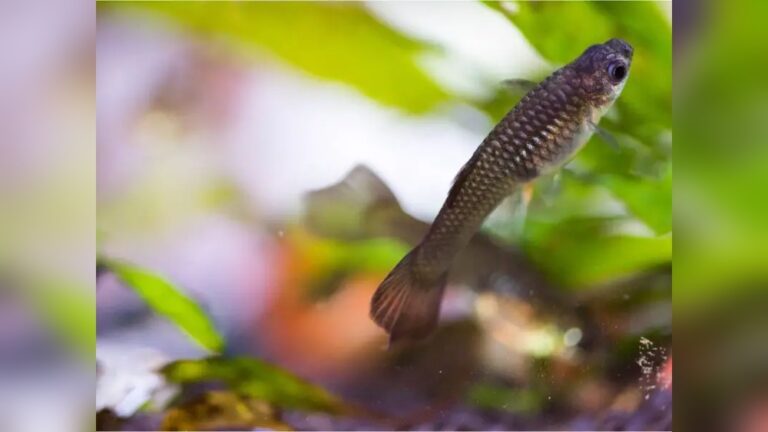
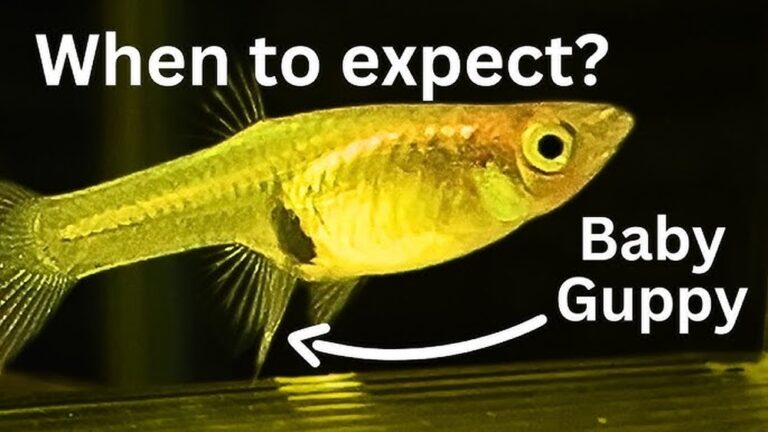
The most visible sign is a swollen belly. It grows round and large near the back fin. A dark spot, called a gravid spot, appears near the belly. This spot is usually black or dark brown. The body may look fuller and heavier than usual.
Behavioral Shifts
Mollies become less active and rest more often. They may hide behind plants or decorations. Swimming slows down and seems careful. The fish may also avoid other tank mates. These changes help protect her and the babies.
Changes In Appetite
Pregnant Mollies often eat more than usual. They show strong interest in food during feeding times. Sometimes, they may eat small amounts frequently. A good diet supports healthy baby fish growth. Watch feeding habits to spot these subtle signs.

Credit: www.reddit.com
How To Confirm Pregnancy
Confirming if your molly fish is pregnant takes careful observation. Early signs may be subtle and easy to miss. Patience and attention to detail help you know for sure. This guide explains simple ways to check your molly’s condition.
Visual Inspection
Look closely at your molly’s body shape. Pregnant mollies have a rounder belly. The belly area becomes fuller and swollen over time. You may see a dark spot near the anal fin. This spot is called the gravid spot. It gets darker as pregnancy progresses. Check for any changes in behavior too. Pregnant mollies often swim more slowly and hide more.
Breeding Box Observation
Using a breeding box helps isolate your molly. It prevents other fish from bothering her. Place your molly inside the box and watch daily. Notice if she stays calm and eats normally. Look for signs of fry moving inside her belly. Fry may be visible as small shapes if you use a clear box. This method gives a closer look at pregnancy without stress.
Veterinary Check
A vet can confirm pregnancy with professional tools. They may use ultrasound or physical exams. This check is the most accurate way to know. If unsure after home checks, visit a vet. Early detection helps you prepare for the fry. The vet can also advise on care and feeding. This step ensures your molly stays healthy during pregnancy.
Care For Pregnant Molly Fish
Caring for a pregnant Molly fish needs extra attention. She has special needs to stay healthy. Proper care helps her give birth safely. It also keeps the babies strong.
Understanding how to set up the tank, maintain water, and feed her right is key. These steps create a safe home for the mother and her fry.
Tank Setup
Use a separate tank for the pregnant Molly. It reduces stress and protects her from other fish. The tank should be at least 10 gallons. Add plenty of plants and hiding spots. Plants help fry hide after birth.
Water Conditions
Keep water clean and warm. The best temperature is 75 to 80 degrees Fahrenheit. Test water often for pH and ammonia levels. Aim for a pH between 7.5 and 8.0. Change 25% of water weekly. Good water quality helps the fish stay healthy.
Nutrition Tips
Feed the Molly small, frequent meals. Use high-quality flake or pellet food. Add live or frozen foods like brine shrimp. These foods give extra protein. Protein supports the baby’s growth inside the mother.

Credit: www.youtube.com
Preparing For Birth
Preparing for the birth of your molly fish is an important step. It helps keep both the mother and her babies safe. Careful preparation makes the process smoother and less stressful. Knowing what to expect and how to act is key to a healthy delivery.
Signs Of Impending Delivery
Watch for changes in your molly’s behavior. She may become restless and swim near the water surface. Her belly will look larger and rounder than usual. A dark spot may appear near her anal fin. This spot is called the gravid spot. It shows the babies are ready to be born. The molly might hide more than usual. These signs mean delivery is close.
Separating The Pregnant Molly
Move the pregnant molly to a separate tank. This reduces stress and protects her from other fish. Use a tank with clean, warm water. Add plants or hiding spots for comfort. Keep the water temperature steady around 78°F (25°C). Avoid sudden changes in the tank environment. Separation helps the mother feel safe and calm.
Protecting Fry From Other Fish
Newborn molly fry are very small and weak. Other fish may see them as food. Use a breeding box or a separate fry tank. This keeps fry safe while they grow. Provide fine plants or spawning mops for hiding. Feed the fry small, nutritious food often. Clean the tank regularly to keep water safe. Protecting fry increases their chances of survival.
Common Issues During Molly Pregnancy
Pregnancy in Molly fish can be a delicate time. Many owners face challenges that affect the health of the mother and her babies. Understanding common issues helps in providing better care. It also improves the chances of a successful birth.
This section covers the main problems Molly fish may face during pregnancy. It explains health problems, stress factors, and miscarriage risks. Knowing these helps you act quickly and keep your Molly safe.
Health Problems
Pregnant Molly fish can suffer from infections and parasites. These health issues may weaken the mother. Poor water quality often causes illness. Signs include lethargy, loss of appetite, and unusual swimming.
Proper tank cleaning and a balanced diet reduce health risks. Regular observation helps spot problems early. Timely treatment improves the chances of recovery.
Stress Factors
Stress harms pregnant Molly fish and their babies. Overcrowding and loud noises cause stress. Sudden changes in water temperature also affect them. Stress weakens the immune system and slows growth.
Keep the tank calm and stable. Provide hiding places for the pregnant Molly. Avoid moving the tank or changing water too quickly.
Miscarriage Risks
Miscarriage is a common risk during Molly pregnancy. Stress and poor health increase this risk. Overfeeding or improper diet can also cause miscarriage. Signs include sudden weight loss and bleeding.
Maintain good water conditions and nutrition. Watch for any changes in behavior or appearance. Early action can save unborn fry and protect the mother.
Post-birth Care
After your molly gives birth, the care you provide is very important. Proper post-birth care helps the mother recover and supports the new fry. This care increases the chance that the babies will grow healthy and strong.
Fry Feeding
Newborn molly fry need tiny food. Offer crushed flakes or special fry food. Feed small amounts several times a day. Avoid overfeeding to keep the water clean. Fresh, nutritious food helps the fry grow fast and healthy.
Tank Maintenance
Keep the tank clean after birth. Change 10-20% of the water every few days. Use a gentle filter to avoid sucking in fry. Remove leftover food and waste often. Clean water helps prevent disease and keeps fish healthy.
Monitoring Molly’s Health
Watch the mother molly closely. Check for signs of stress or illness. Look for normal swimming and eating habits. If she looks weak or hides a lot, act quickly. Good health care keeps the whole tank safe and happy.
How Smart Pets Lover Can Help You with Is My Molly Pregnant
Learning from Your Molly’s Pregnancy Journey
Noticing signs of pregnancy in your Molly fish opens a valuable opportunity for hands-on learning about aquatic care and responsible pet parenting. Observing how to confirm pregnancy, such as spotting the gravid spot or gentle behavioral shifts, encourages a deeper connection with your fish’s natural rhythms. This awareness also prepares you to provide the best care during pregnancy, from adjusting tank conditions to ensuring a calm environment.
As you prepare for birth, you’ll gain insight into the delicate balance required to support newborn fry, reinforcing the importance of post-birth care practices. These moments invite curiosity and confidence, aligning perfectly with the mission of Smart Pets Lover—to help pet parents feel informed and connected, one story at a time.
If you ever have questions or want to share your Molly’s progress, reaching out to experienced aquarists or pet care communities can be a great resource. After all, every wag, purr, and splash tells a story worth learning from.
Frequently Asked Questions
How Can I Tell If My Molly Fish Is Pregnant?
Look for a swollen belly and dark gravid spot near the anal fin. Pregnant Mollies also show slower swimming and hiding behavior.
How Long Is A Molly Fish’s Pregnancy Period?
Molly fish pregnancy lasts about 4 to 6 weeks, depending on water temperature and health.
What Should I Feed A Pregnant Molly Fish?
Feed high-quality, protein-rich foods like brine shrimp, daphnia, or specialized fry food to support pregnancy.
Can I Keep Pregnant Mollies With Other Fish?
It’s best to isolate pregnant Mollies to prevent stress and protect the fry from other fish.
Conclusion
Watching your molly for signs of pregnancy helps keep her healthy. Notice changes in her belly size and behavior closely. Feeding her nutritious food supports both mother and babies. Avoid stress and maintain clean water to ensure comfort. Regularly check for any health issues or unusual signs.
Caring well now leads to strong, happy fish later. Stay patient and enjoy the process of nurturing life. Your attention makes all the difference in her wellbeing.