Invertebrates In The Aquarium Benefits And Care Tips
Are you looking to add something unique and fascinating to your aquarium? Invertebrates might be just what you need.
These small creatures bring vibrant colors, interesting behaviors, and important benefits to your tank. But caring for them can be different from fish, and knowing the right tips will help you keep them healthy and thriving. Keep reading to discover how invertebrates can transform your aquarium and what simple steps you can take to care for them properly.
Your underwater world is about to get a whole lot more exciting!
Credit: championaquariums.com
Types Of Aquarium Invertebrates
Aquarium invertebrates bring variety and life to any tank. They offer unique shapes, colors, and behaviors. These creatures are important for a balanced ecosystem in your aquarium. Understanding different types helps in choosing the right ones for your setup. Each group has special care needs and benefits.
Shrimps And Their Varieties
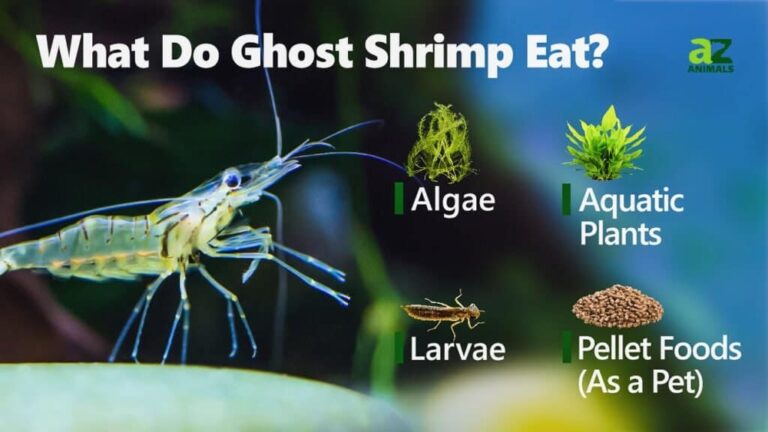
Shrimps are popular for their small size and activity. They clean algae and leftover food from the tank. Common varieties include Cherry Shrimp, Amano Shrimp, and Ghost Shrimp. Each type has different colors and tank requirements. Shrimps are peaceful and easy to keep with many fish species.
Snails And Their Roles
Snails help keep the tank clean by eating algae and debris. They come in many species like Nerite, Mystery, and Ramshorn snails. Snails add diversity and natural beauty to the aquarium. Some snails reproduce fast, so tank population needs monitoring. They also help oxygenate the tank’s substrate.
Crabs And Lobsters
Crabs and lobsters add an exotic touch to freshwater and saltwater tanks. They are active scavengers that clean leftover food and dead plants. Popular choices include Fiddler Crabs and Freshwater Lobsters. These invertebrates need hiding places to feel safe. Their care can be more demanding than shrimps or snails.
Corals And Anemones
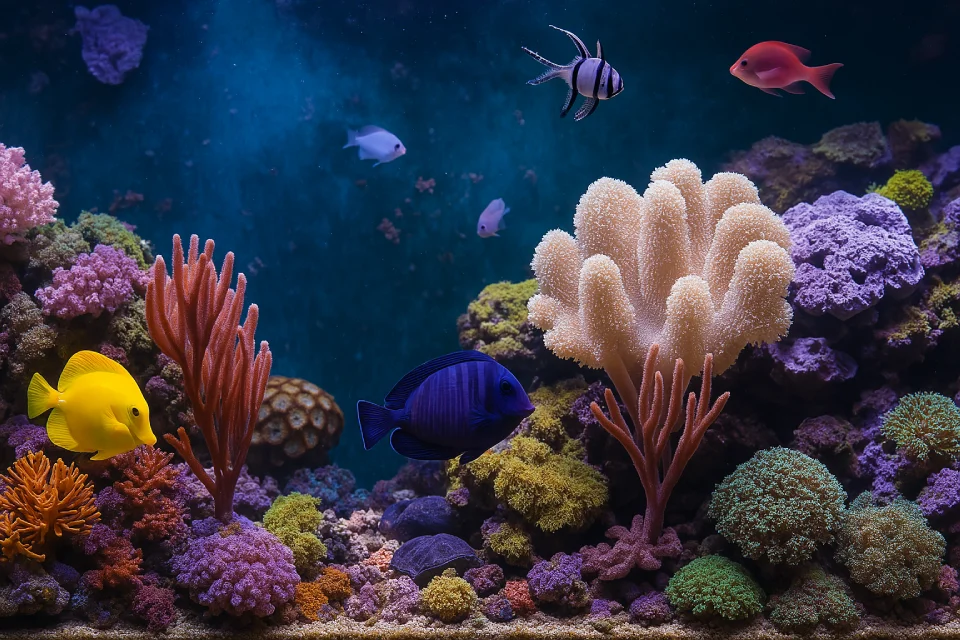
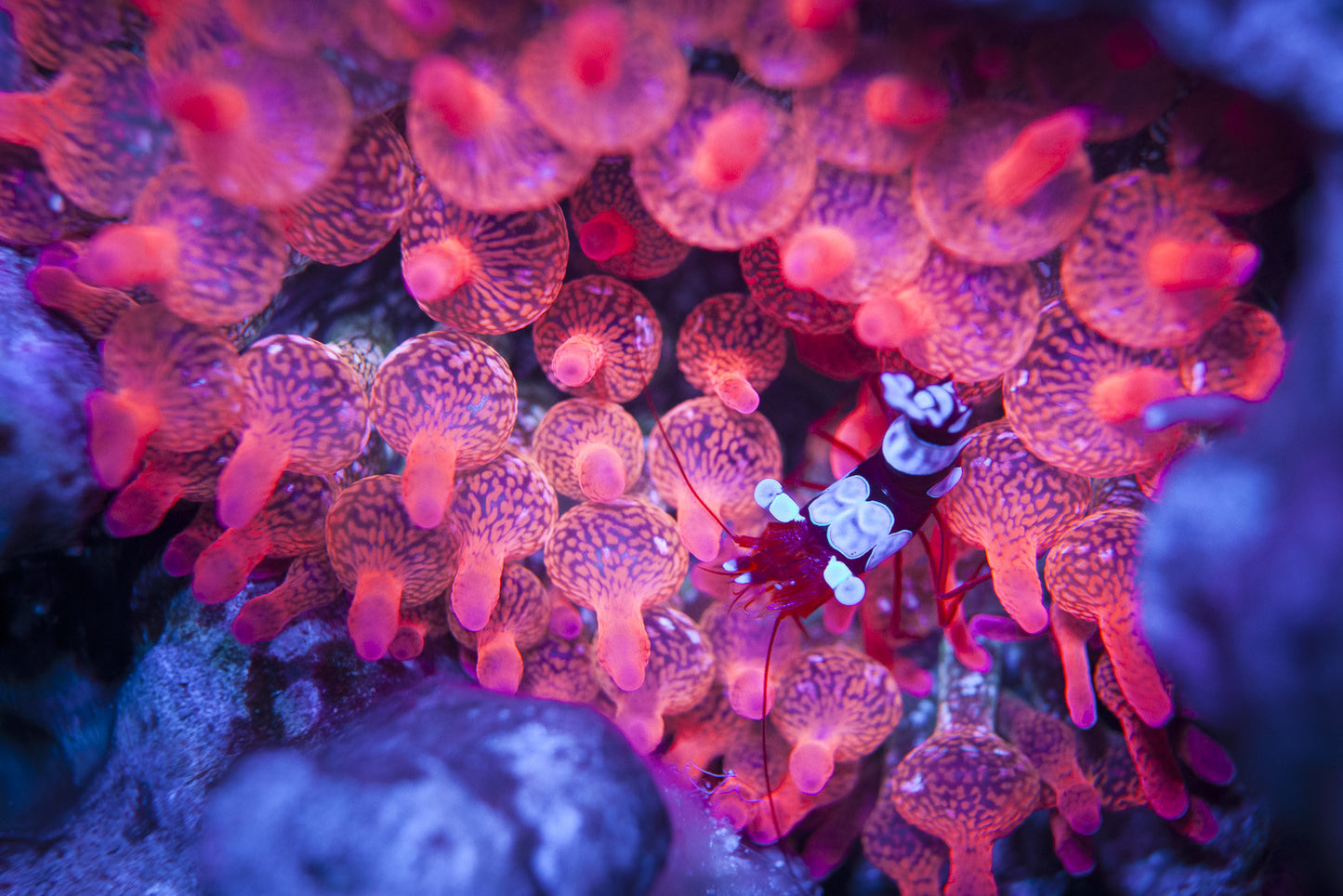
Corals and anemones are vital for reef aquariums. They create stunning natural decorations with bright colors. Corals grow slowly and need stable water conditions. Anemones offer shelter to some fish and invertebrates. Both require good lighting and water quality to thrive.
Benefits Of Keeping Invertebrates
Keeping invertebrates in an aquarium offers many benefits. These small creatures bring life and balance to the tank. They help maintain a healthy environment for fish and plants. Their unique roles make the aquarium more interesting and easier to care for.
Natural Tank Cleaners
Invertebrates such as snails and shrimp eat leftover food and algae. They remove waste that can harm fish. This cleaning helps keep the water clear and fresh. It reduces the need for frequent tank cleaning. Natural cleaners work quietly and efficiently all day.
Enhancing Tank Biodiversity
Adding invertebrates increases the variety of life in the aquarium. This diversity creates a balanced ecosystem. Different species interact in ways that support each other. A diverse tank is more stable and less prone to problems. It also mimics nature, making the aquarium feel more real.
Aesthetic Appeal
Invertebrates come in many shapes and colors. Their movement adds life and charm to the tank. Bright shrimp and snails catch the eye and enhance beauty. Watching their behavior is calming and enjoyable. These creatures make the aquarium a living piece of art.
Educational Value
Invertebrates teach about nature and biology. Observing them helps understand animal behavior and ecosystems. They show how small creatures contribute to life’s balance. Keeping them encourages learning and curiosity. This makes aquariums great tools for education and fun.
Setting Up The Right Environment
Creating a healthy home for invertebrates in your aquarium starts with the right environment. Their survival depends on clean water, proper substrate, enough space, and suitable lighting. Each factor plays a key role in keeping these creatures happy and healthy.
Water Quality Requirements
Invertebrates need clean and stable water. Test water regularly for pH, ammonia, nitrate, and nitrite levels. Most invertebrates prefer slightly acidic to neutral water. Avoid sudden changes in water parameters. Use a good filtration system to keep water clear. Change water often to remove waste and toxins.
Suitable Substrates
Choose substrates that match your invertebrate species. Sand or fine gravel works well for many snails and shrimp. Some species need rough surfaces to grip or burrow. Avoid sharp or large rocks that can harm delicate bodies. Clean substrates carefully to keep the tank healthy.
Tank Size And Decoration
Provide enough space for your invertebrates to move and hide. Small tanks can cause stress and overcrowding. Add decorations like plants, rocks, and caves. These offer shelter and places to explore. Decorations also mimic natural habitats, making invertebrates feel safe.
Lighting And Temperature Needs
Use lighting that suits your invertebrates and plants. Too much light can stress some species. Maintain stable temperatures according to species needs. Most invertebrates thrive between 72°F and 78°F. Use heaters and thermometers to keep conditions steady.
Feeding And Nutrition
Feeding and nutrition play a key role in keeping aquarium invertebrates healthy. Different species need different types of food. Proper feeding helps them grow strong and stay active. Understanding their diet helps prevent common health problems. It also keeps the aquarium environment clean and balanced.
Diet Types For Different Invertebrates
Invertebrates have varied diets. Some eat algae, while others prefer detritus or small particles. Shrimp often graze on biofilm and algae. Snails usually feed on algae and plant matter. Crabs and crayfish may eat leftover fish food or dead plants. Knowing each species’ preferred diet helps you provide the right food. This ensures they get enough nutrients to thrive.
Feeding Frequency
Most invertebrates do not need daily feeding. Overfeeding can pollute the water and harm them. Shrimp and snails may eat small amounts daily or every other day. Larger invertebrates like crabs often eat every two or three days. Observe your invertebrates to adjust feeding times. Feed only what they can consume in a few hours. This prevents leftover food from decaying in the tank.
Supplemental Foods
Supplemental foods provide extra nutrition. You can offer algae wafers, blanched vegetables, or specially made pellets. Leaf litter like Indian almond leaves also supports natural feeding habits. Some invertebrates benefit from occasional protein sources like fish flakes or frozen foods. Rotating different foods helps cover all nutritional needs. It also keeps your invertebrates interested and active.
Health And Disease Management
Keeping invertebrates healthy in your aquarium needs careful attention. Disease can spread fast and harm these delicate creatures. Understanding health and disease management helps maintain a thriving tank. Good care prevents illness and keeps your invertebrates active and vibrant.
Common Diseases
Invertebrates face many health issues. Bacterial infections cause spots and white patches. Fungal infections appear as fuzzy growths. Parasites can attach to their bodies and cause stress. Molting problems happen if water conditions are poor. Watch for unusual behavior or changes in appearance. Early detection helps treat diseases faster and saves lives.
Preventive Measures
Keep water clean by regular changes and good filtration. Avoid overfeeding to reduce waste buildup. Use a balanced diet for strong immune systems. Maintain stable temperature and pH levels suitable for invertebrates. Remove dead or sick animals quickly to stop disease spread. Clean decorations and substrate often to reduce germs. Healthy tanks mean fewer disease problems.
Quarantine Practices
New invertebrates can carry hidden diseases. Quarantine new arrivals in a separate tank for 2-4 weeks. Observe them closely for signs of illness. Treat any health issues before adding them to the main aquarium. Quarantine helps protect your existing creatures from infection. It is a simple step with big benefits for tank health.
Compatibility With Other Tank Inhabitants
Adding invertebrates to your aquarium can create a lively and diverse environment. Their compatibility with other tank inhabitants is key for a balanced community. Understanding how fish and invertebrates interact helps prevent stress and harm. Careful planning ensures peaceful coexistence and a healthy aquarium.
Fish And Invertebrate Interactions
Fish and invertebrates often share the same space but behave differently. Some fish see small invertebrates as food. Others ignore them or even protect them. Snails, shrimp, and crabs each have unique roles and habits. Observing how your fish react helps maintain harmony.
Avoiding Aggression
Aggression can cause injuries or death among tank inhabitants. Choose fish species known for peaceful behavior around invertebrates. Avoid aggressive or predatory fish that may attack shrimp or snails. Provide hiding spots like plants and rocks. These shelters give invertebrates places to escape and feel safe.
Community Tank Planning
Plan your community tank with compatibility in mind. Match species with similar water needs and temperaments. Introduce invertebrates gradually to see how fish respond. Keep an eye on all tank members for signs of stress or bullying. A well-planned tank supports a thriving, peaceful aquatic community.
Breeding Invertebrates At Home
Breeding invertebrates at home offers a rewarding experience for aquarium enthusiasts. It helps create a self-sustaining tank and reduces the need to buy new creatures. Watching tiny juveniles grow adds excitement and learning opportunities. Understanding their needs is key to success.
Breeding Conditions
Stable water parameters matter most. Keep temperature, pH, and hardness steady. Provide hiding places like plants or small caves. Light cycles should mimic natural day and night. Feed adults high-quality food to encourage reproduction. Avoid sudden changes that stress the invertebrates.
Raising Juveniles
Juveniles need gentle care and clean water. Use a separate tank or breeder box to protect them. Feed tiny, nutritious foods like baby brine shrimp or finely crushed flakes. Change water often but keep conditions stable. Watch for signs of stress or disease.
Challenges And Tips
Breeding invertebrates has challenges like predation and water quality issues. Keep aggressive fish away from eggs and babies. Maintain excellent water conditions to prevent fungus or bacteria. Patience is vital; growth may be slow. Research specific species for better results and tailored care.
Credit: www.podyourreef.com

Credit: www.saltwaterfish.com
How Smart Pets Lover Can Help You with Invertebrates In The Aquarium Benefits And Care Tips
Turning Aquarium Invertebrate Care Into a Learning Adventure
For anyone diving into the world of aquarium invertebrates, there’s a unique joy in blending care with curiosity. As you explore the types of aquarium invertebrates and their compatibility with other tank inhabitants, you’re not just setting up a tank—you’re creating a living classroom. Observing how these fascinating creatures interact within their environment offers practical insights into aquatic ecosystems and biodiversity.
Feeding and nutrition routines become an opportunity to understand specific dietary needs and the delicate balance required for a healthy tank. This hands-on experience nurtures patience and attention to detail—valuable skills for any pet parent. At Smart Pets Lover, we believe that every moment spent caring for your aquatic friends deepens your connection to nature and enhances your confidence in responsible pet ownership.
If questions arise, reaching out to knowledgeable communities or trusted resources can provide clarity and support, making your journey both educational and rewarding.
Frequently Asked Questions
What Are Common Aquarium Invertebrates To Keep?
Common aquarium invertebrates include shrimp, snails, and crabs. They help clean tanks and add diversity. Each species has specific care needs, so research before adding them to your aquarium.
How Do Invertebrates Benefit Aquarium Ecosystems?
Invertebrates improve water quality by eating algae and detritus. They help maintain a balanced ecosystem and reduce waste buildup. Their presence supports fish health and creates a more natural environment.
What Are Essential Care Tips For Aquarium Invertebrates?
Provide stable water parameters, avoid copper-based medications, and offer appropriate food. Regular tank maintenance and gentle handling ensure invertebrates thrive. Proper habitat and hiding spots are also important for their well-being.
Can Invertebrates Live With Tropical Fish?
Yes, many invertebrates coexist peacefully with tropical fish. Choose compatible species to avoid predation. Ensure the tank environment meets both invertebrate and fish needs for a harmonious aquarium.
Conclusion
Invertebrates add life and color to any aquarium. They help keep the tank clean and healthy. Caring for them is simple with the right knowledge. Watch water quality and feed them properly. Choose species that fit your tank size and conditions.
Enjoy the calm and beauty they bring to your space. Small changes make a big difference in their care. Try adding invertebrates to create a lively underwater world.