How To Take Care Of A Green Parrot
If you have a green parrot, you know how special these vibrant birds are. But taking care of your feathered friend isn’t always easy.
You want your parrot to stay healthy, happy, and full of life. So, how do you make sure you’re giving your green parrot the best care possible? This guide will show you simple, effective ways to keep your bird thriving every day.
Stick with me, and you’ll discover tips that make a real difference for your parrot’s well-being.
Choosing The Right Green Parrot
Choosing the right green parrot is important for a happy pet experience. Different species have unique needs and personalities. Understanding these helps pick a bird that fits your lifestyle. Healthy parrots adapt better to new homes and stay lively. This section guides you through popular green parrot species and tips for selecting a healthy bird.
Popular Green Parrot Species
Green parrots come in many types. The Amazon parrot is known for its bright green feathers and talking skills. The Indian Ringneck parrot is smaller and has a distinct ring around its neck. The Quaker parrot is social and playful, making it a favorite. Each species needs different care levels and space. Choose one that matches your time and home size.
Selecting A Healthy Bird
Pick a parrot that looks alert and active. Clear eyes and clean feathers show good health. Avoid birds that sneeze or have discharge. Check if the parrot moves easily without wobbling. Ask the seller about the bird’s diet and history. Healthy parrots eat well and have steady breathing. A strong bird adjusts well to new environments.
Setting Up The Cage
Setting up the cage is the first step to caring for a green parrot. A well-prepared cage keeps your bird safe and happy. It also helps the parrot feel comfortable in its new home. Proper setup supports your bird’s health and activity.
Ideal Cage Size And Material
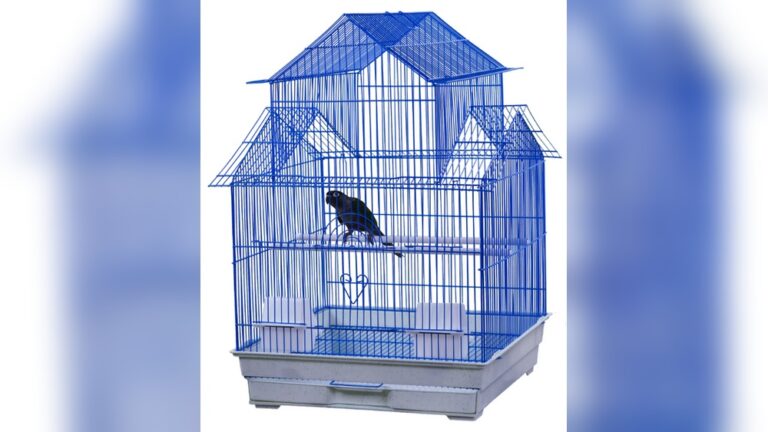
The cage must be large enough for the parrot to move freely. A minimum size of 24 x 24 x 36 inches works well for green parrots. Bigger cages allow more flying and exercise. Choose cages made of stainless steel or powder-coated metal. These materials resist rust and are safe for parrots. Avoid cages with toxic paint or weak wires. The cage bars should be spaced ½ to ¾ inches apart. This prevents the parrot from escaping or getting stuck.
Essential Cage Accessories
Accessories make the cage a fun place for your parrot. Include perches of different sizes and textures. Natural wood perches help keep feet healthy. Add food and water dishes that attach to the cage. Place a cuttlebone or mineral block for calcium. Provide toys that encourage chewing and playing. Rotate toys regularly to avoid boredom. Avoid sharp or small parts that could hurt the bird. A bird-safe swing can add extra fun and exercise.
Feeding Your Parrot
Feeding your green parrot is essential to keep it healthy and happy. A good diet helps your bird stay active and live longer. Parrots need different types of food to get all their nutrients. Knowing what to feed and what to avoid is very important for your pet’s well-being.
Balanced Diet Components
Offer a mix of seeds, fruits, vegetables, and pellets. Seeds provide energy but should not be the only food. Fruits like apples, bananas, and berries give vitamins and minerals. Vegetables such as carrots, spinach, and broccoli add fiber and nutrients. Pellets are made to give balanced nutrition. Fresh water must be available all day. Change water daily to keep it clean.
Foods To Avoid
Do not feed your parrot avocado or chocolate. These are toxic and can cause serious harm. Avoid giving caffeine or alcohol, even in small amounts. Salt and sugar can upset their digestion. Never offer onions or garlic; they can cause illness. Stay away from spoiled or moldy food. These can lead to poisoning or infections.

Credit: www.youtube.com
Maintaining Hygiene
Maintaining hygiene is key to keeping your green parrot healthy and happy. Clean surroundings reduce the risk of infections and disease. A clean cage and regular baths help your bird feel fresh and comfortable.
Cleaning The Cage
Remove food waste and droppings daily. Use warm water and mild soap to wash the cage weekly. Rinse the cage thoroughly to avoid soap residue. Dry the cage before placing your parrot back inside. Clean perches, toys, and dishes regularly to prevent germs.
Bathing Tips For Parrots
Offer your parrot a shallow dish of lukewarm water for bathing. Spray water gently with a mist spray bottle if your bird prefers. Bathe your parrot two or three times a week. Avoid using soap or shampoo on your bird. After bathing, let your parrot dry in a warm, draft-free area.
Socializing And Training
Socializing and training are key to a happy green parrot. These birds are smart and need interaction. They enjoy learning new things and being part of your life. Training helps them behave well. Socializing keeps them friendly and calm.
Start early. The more time you spend with your parrot, the better it will trust you. Patience is important. Every bird learns at its own pace.
Building Trust
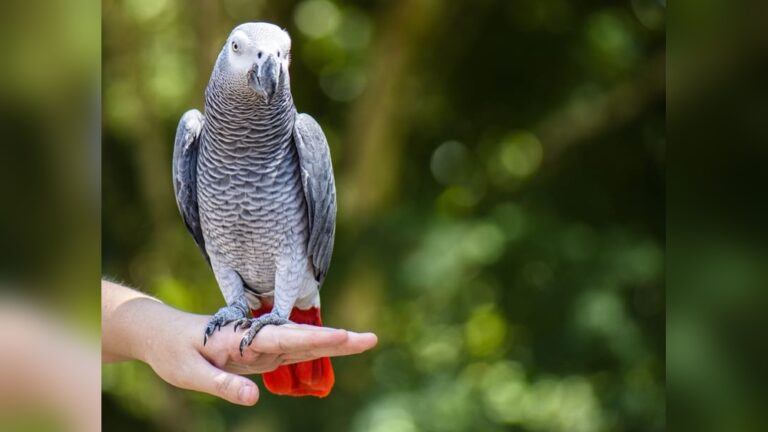
Trust comes from gentle actions. Speak softly and move slowly near your parrot. Offer treats by hand to show you mean no harm. Let your bird explore your hand and fingers. Avoid sudden moves. Repeat this daily. Your parrot will feel safe and want to be close to you.
Basic Training Techniques
Use simple commands like “step up” and “stay.” Hold your finger near the bird’s feet and say “step up.” Reward your parrot with a treat when it steps up. Keep training sessions short, about 5 to 10 minutes. Practice often to build good habits. Use praise and treats to encourage good behavior. Avoid punishment; it can harm trust.
Health Care And Monitoring
Taking care of a green parrot’s health is very important. Regular health checks keep your bird happy and strong. Watch your parrot every day for signs of illness. Early care helps prevent serious problems.
Healthy parrots are active and alert. They eat well and have bright feathers. Keep their living area clean and safe. Good care helps your parrot live a long life.
Common Health Issues
Green parrots can face some common health problems. Respiratory infections are frequent. Signs include sneezing, coughing, or breathing noise. Feather plucking can show stress or skin problems. Digestive issues cause vomiting or diarrhea. Parasites like mites may irritate the skin. Be aware of changes in appetite or behavior.
When To Visit A Vet
Take your parrot to a vet if it shows illness signs. Sudden changes in eating or drinking need attention. Lethargy or weakness is a warning. Notice any swelling, wounds, or unusual lumps. Breathing problems require quick care. Regular vet visits help catch issues early. Choose a vet experienced with birds.
Creating A Stimulating Environment
Creating a stimulating environment is key to keeping a green parrot happy and healthy. These birds are smart and curious. They need mental and physical activities every day. A dull cage can make them bored and stressed. A lively space helps them stay active and content.
Toys And Enrichment
Toys provide fun and exercise for green parrots. Choose toys made of safe materials like wood and rope. Rotate toys often to keep interest high. Puzzle toys challenge their minds. Chew toys help keep their beaks healthy. Foraging toys encourage natural searching behavior. Variety in toys stops boredom and boosts happiness.
Safe Outdoor Time
Outdoor time adds fresh air and new sights. Always supervise your parrot outside. Use a secure harness or a safe aviary. Avoid areas with predators or toxic plants. Short outdoor sessions reduce stress and improve mood. Sunlight helps with vitamin D production. Outdoor time keeps your parrot lively and curious.

Credit: www.aejames.com
Credit: www.chewy.com
How Smart Pets Lover Can Help You with How To Take Care Of A Green Parrot
Practical Learning Opportunities in Green Parrot Care
Understanding how to take care of a green parrot goes beyond just setting up a cage or feeding routines. As you continue this rewarding journey, consider hands-on learning opportunities that deepen your connection and confidence as a pet parent. For example, observing your parrot’s behavior during socializing and training sessions can teach you how to recognize subtle health signs or emotional needs—key to maintaining their well-being.
Maintaining hygiene is another area ripe for practical practice. Creating a cleaning schedule not only keeps your bird’s environment safe but also helps you notice changes in droppings or feathers early on. By blending these observations with insights from trusted sources, you build a richer understanding of your parrot’s unique personality and health.
- Keep a daily journal of feeding habits and cage cleaning
- Spend time each day interacting to reinforce training and social bonds
- Regularly check for signs of illness or stress as part of health monitoring
At Smart Pets Lover, we believe that every chirp and flutter tells a story worth learning from. If you ever need more detailed advice or want to connect with fellow parrot lovers, resources and communities are just a message away. This ongoing learning ensures your green parrot thrives and your bond grows stronger every day.
Frequently Asked Questions
How Often Should I Feed My Green Parrot Daily?
Feed your green parrot 2 to 3 times daily with fresh fruits, vegetables, and high-quality pellets. Avoid overfeeding to maintain health and prevent obesity.
What Is The Ideal Cage Size For A Green Parrot?
The ideal cage should be spacious, at least 24x24x36 inches. It allows your parrot to move freely and stretch its wings comfortably.
How Can I Keep My Green Parrot Mentally Stimulated?
Provide toys, puzzles, and regular interaction. Rotate toys often to prevent boredom and encourage natural behaviors like chewing and problem-solving.
What Are Common Health Issues In Green Parrots?
Common issues include feather plucking, respiratory infections, and vitamin deficiencies. Regular vet checkups and a balanced diet help prevent these problems.
Conclusion
Caring for a green parrot takes time and patience. Provide fresh food and clean water every day. Give your parrot a safe and comfortable home. Spend time talking and playing with your bird. Watch for signs of illness and visit the vet when needed.
A happy parrot is a healthy parrot. Enjoy the bond you build with your feathered friend. Small steps make a big difference in their life. Keep learning and caring, and your parrot will thrive.