How To Set Up A Fish Tank
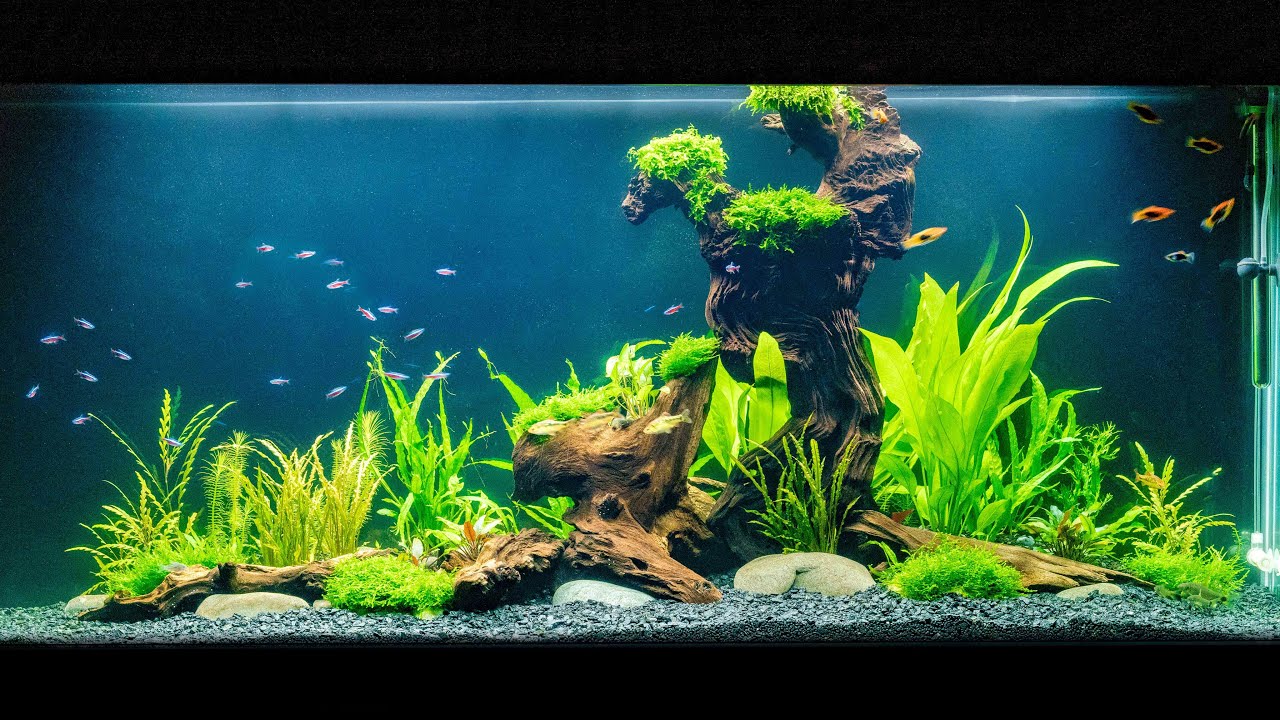
Setting up a fish tank can seem tricky at first, but with the right steps, you’ll create a beautiful underwater world right in your home. Imagine watching colorful fish swim happily in your own aquarium, adding life and calm to any room.
You might wonder where to start or how to keep everything balanced so your fish thrive. Don’t worry—this guide will walk you through every step, making it simple and fun. By the end, you’ll know exactly how to set up your fish tank for success, so your aquatic friends stay healthy and your tank looks stunning.
Ready to dive in? Let’s get started!
Credit: www.youtube.com
Choosing The Right Tank
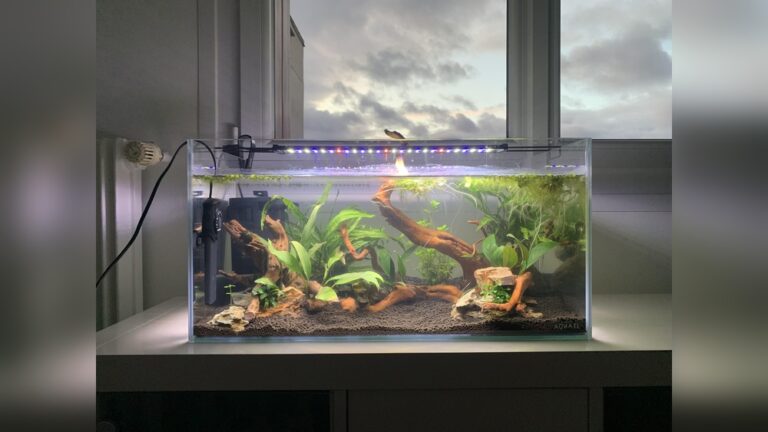
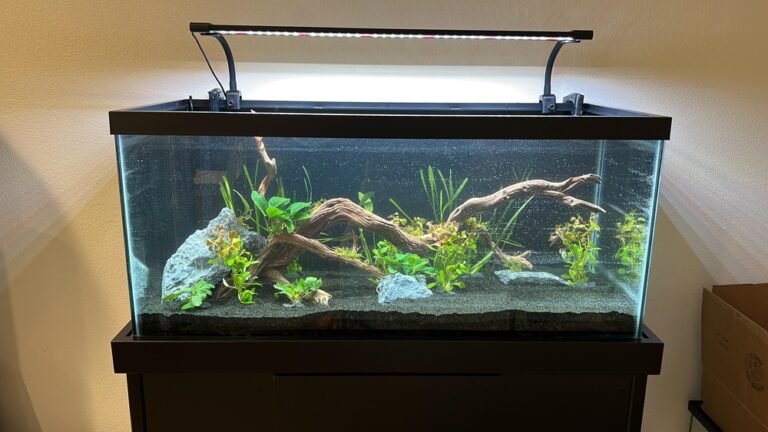
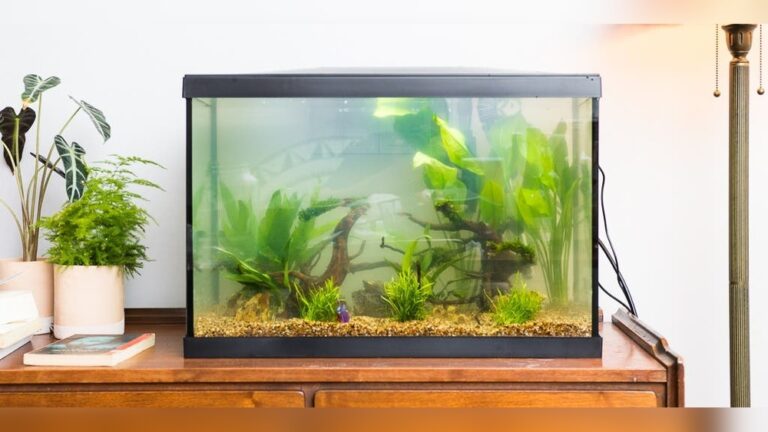
Choosing the right fish tank is the first step in setting up a healthy home for your fish. The tank size, material, and placement all affect your fish’s comfort and health. Picking a suitable tank helps you create a balanced and attractive aquarium.
Selecting Tank Size
Think about the number and type of fish you want to keep. Small tanks hold fewer fish and need careful maintenance. Larger tanks offer more space and stable water conditions. Start with at least 10 gallons for beginners. Bigger tanks are easier to manage for fish health.
Material Options
Glass and acrylic are the two main tank materials. Glass tanks are clear and scratch-resistant. Acrylic tanks are lighter and stronger but scratch easily. Acrylic also keeps heat better, saving energy. Choose material based on budget and tank size.
Placement Tips
Place your tank on a stable, flat surface that can hold its weight. Avoid direct sunlight to prevent algae growth and temperature swings. Keep the tank away from heaters, air conditioners, and busy areas. Good placement helps maintain clean water and keeps fish calm.
Essential Equipment
Setting up a fish tank needs the right tools. Essential equipment keeps your aquarium clean, healthy, and bright. This gear helps fish live longer and stay happy. Knowing what each part does makes the setup easier and more effective.
Filters And Pumps
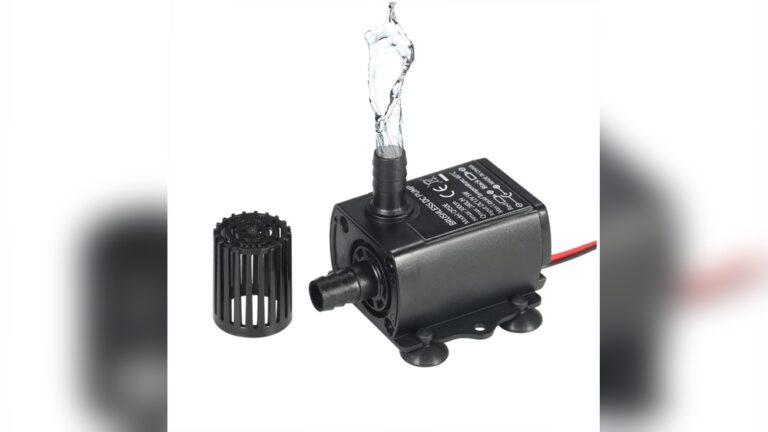
Filters clean the water by removing dirt and waste. They help keep the tank clear and safe for fish. Pumps move water through the filter and create flow. This flow brings oxygen to the water. Choose a filter that fits your tank size.
Lighting Systems
Lighting shows your fish and plants in the best way. It helps plants grow and keeps fish active. Pick lights that match the needs of your fish type. Timed lighting creates a natural day and night cycle in the tank.
Heaters And Thermometers
Heaters keep the water at the right temperature for tropical fish. Different fish need different warmth levels. Thermometers help you check the water temperature every day. This prevents temperature shocks and keeps fish healthy.
Preparing The Tank
Preparing the tank is the first step in setting up a healthy fish environment. It creates a safe and clean space for your fish to live. Proper preparation helps prevent problems later.
Start with a clear plan for your tank layout. Think about the fish type and their needs. This guide covers the basic steps to get your tank ready.
Cleaning The Tank
Rinse the tank with warm water before use. Avoid soap or chemicals as they harm fish. Use a soft cloth or sponge to wipe the glass. Remove dust and any residue inside the tank.
Check for cracks or damage. Ensure the tank is strong and leak-free. This step protects your fish and keeps water safe.
Adding Substrate
Substrate is the material at the tank bottom. Gravel, sand, or soil works well depending on fish type. Rinse substrate thoroughly to remove dust.
Spread it evenly in a 1 to 2-inch layer. Substrate helps beneficial bacteria grow. It also improves the tank’s look and fish comfort.
Arranging Decorations
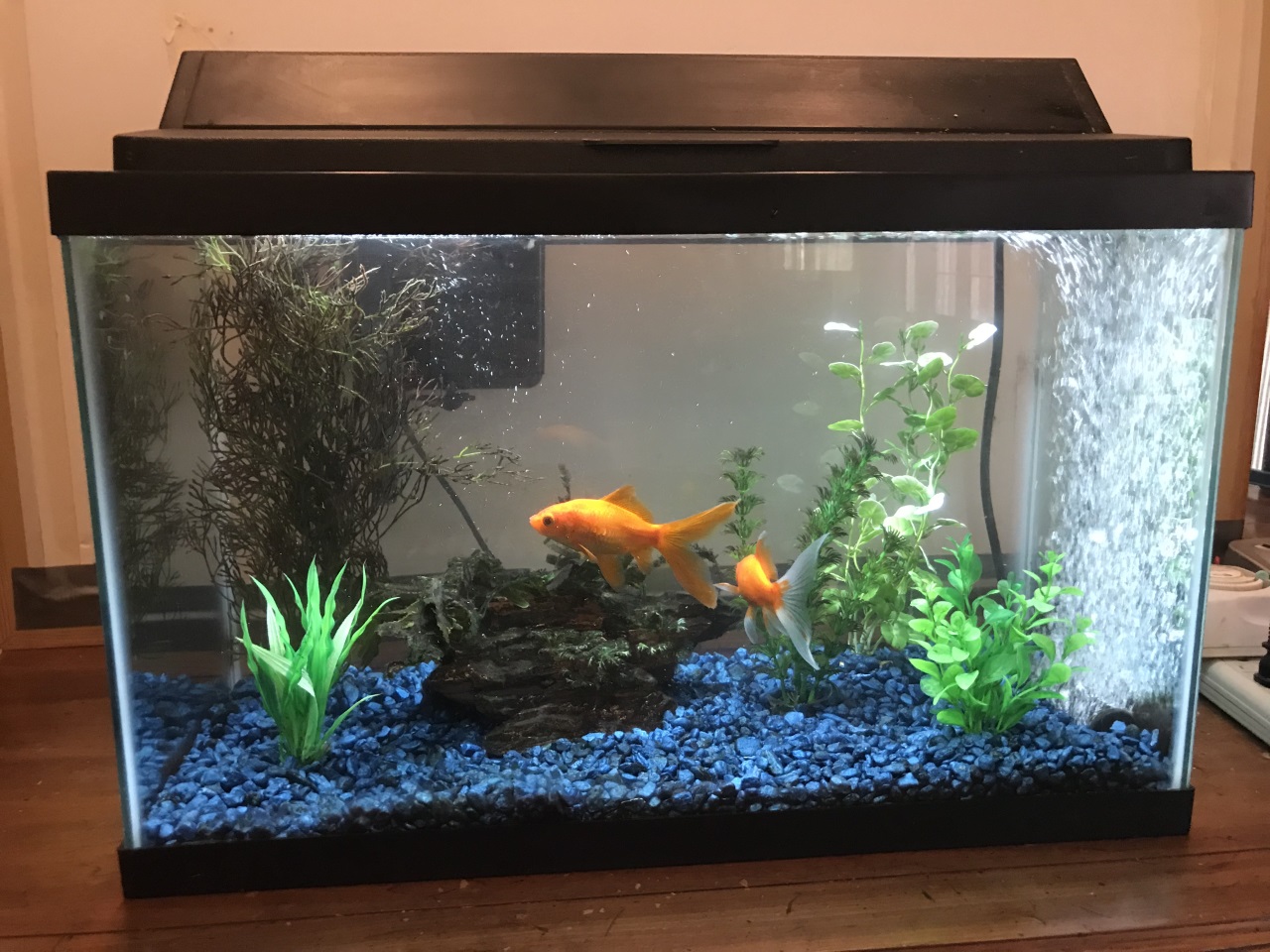
Choose decorations like plants, rocks, or caves. These provide hiding places and reduce fish stress. Clean decorations with water only before adding.
Place decorations carefully to leave swimming space. Avoid sharp edges that could harm fish. Arrange items to create a natural and cozy environment.
Credit: springvegasscoop.com
Water Setup
Setting up the water in your fish tank is a key step. Water is the home for your fish, so it must be safe and clean. Proper water setup creates a healthy environment. This helps fish live longer and stay active.
Filling The Tank
Start by filling the tank with fresh water. Use a clean container or hose. Fill slowly to avoid disturbing the tank’s bottom. Cold tap water works fine for most fish. Fill the tank to the level recommended for your fish type.
Water Treatment
Treat the water before adding fish. Tap water contains chlorine and other chemicals. Use a water conditioner to remove harmful substances. Follow the instructions on the bottle carefully. This step makes water safe for fish and plants.
Checking Parameters
Test the water’s key parameters regularly. Measure pH, ammonia, nitrites, and nitrates. These affect fish health and comfort. Use a water test kit for accurate results. Adjust the water if levels are too high or low.
Cycling The Tank
Cycling the tank is an important step before adding fish. It creates a safe environment by building good bacteria. These bacteria help break down fish waste and keep water clean. Skipping this step can harm or kill your fish quickly. Patience is key. The cycle takes time but protects your fish in the long run.
Nitrogen Cycle Basics
The nitrogen cycle is a natural process in water. Fish produce waste that turns into ammonia. Ammonia is toxic and must be removed. Special bacteria change ammonia into nitrite. Nitrite is also harmful. Another group of bacteria then turns nitrite into nitrate. Nitrate is less harmful and can be removed by water changes. This cycle keeps the water safe for fish.
Testing Water Quality
Test your water regularly to track the cycle. Use a water test kit to check ammonia, nitrite, and nitrate levels. Ammonia and nitrite should be zero before adding fish. Nitrate can be low but not zero. Testing helps know when the cycle is complete. Testing also shows if the tank has any problems. Keep records for better tank care.
Timing The Cycle
The cycle usually takes 4 to 6 weeks to complete. It depends on tank size, temperature, and bacteria growth. Start cycling as soon as the tank is set up. Add a small amount of fish food or pure ammonia to feed bacteria. Avoid adding fish until tests show safe water levels. Rushing causes stress and illness in fish. Wait patiently for a healthy tank.
Introducing Fish
Introducing fish to your new tank is an exciting step. It brings life and color to your aquarium. Doing this carefully helps fish stay healthy and happy. Follow key steps to make the process smooth and safe.
Choosing Compatible Species
Select fish that live well together. Avoid mixing aggressive and peaceful species. Check their size, diet, and water needs. This prevents fights and stress. Research species before buying. It helps create a balanced tank.
Acclimating Fish
Fish need time to adjust to new water. Start by floating the sealed bag in the tank. Let it sit for 15 to 20 minutes. Slowly add small amounts of tank water into the bag. Repeat every 5 minutes for about an hour. This reduces shock and helps fish adapt.
Monitoring Health
Watch fish closely after adding them. Look for signs of stress or illness. Check if they eat and swim normally. Remove any sick fish quickly to protect others. Keep the tank clean and stable. Healthy fish mean a beautiful aquarium.
Maintenance Routine
Maintaining a fish tank keeps your fish healthy and the tank clean. A good routine makes the tank a safe home. It stops problems before they start. Regular care helps fish live longer and look better.
Regular Cleaning
Clean the glass inside and outside every week. Use a soft cloth or sponge to avoid scratches. Remove algae that grows on surfaces. Clean decorations and plants carefully to keep the tank neat. Avoid strong soaps or chemicals that can harm fish.
Water Changes
Change 10-20% of the water every week. Use a siphon to remove dirty water from the bottom. Add fresh, treated water at the same temperature. This keeps water quality high and removes waste. Water changes reduce toxins and keep fish healthy.
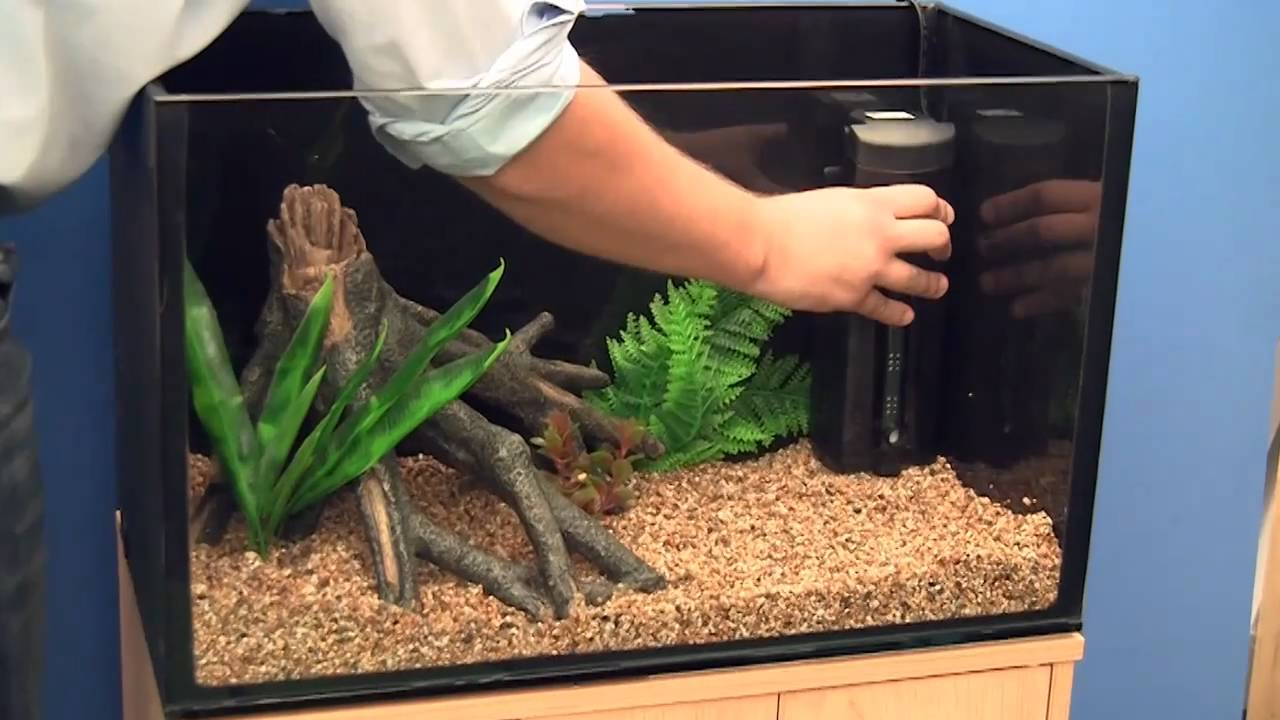
Filter Upkeep
Check the filter every two weeks. Rinse filter media with tank water to remove debris. Replace parts as the instructions say. A clean filter works better and keeps water clear. A well-maintained filter supports a healthy fish tank environment.
Credit: www.youtube.com
How Smart Pets Lover Can Help You with How To Set Up A Fish Tank
Turning Fish Tank Setup Into a Learning Experience
Setting up a fish tank is more than just arranging equipment and water—it’s a wonderful chance to dive into hands-on learning about aquatic ecosystems and responsible pet care. As you prepare the tank and cycle the water, you’re essentially creating a mini world, observing how beneficial bacteria develop and how water parameters stabilize. This practical experience deepens understanding of the delicate balance needed to keep fish healthy.
Introducing fish to a well-cycled tank teaches patience and attentiveness, reminding us that every living creature needs time to adjust and thrive. By following a consistent maintenance routine, you not only protect your aquatic friends but also develop habits that reflect care and dedication—qualities at the heart of being a mindful pet parent.
- Observe water quality changes during cycling to grasp biological processes.
- Note fish behavior after introduction to understand stress and adaptation.
- Keep a simple journal to track maintenance tasks and water tests.
At Smart Pets Lover, we believe every step, from choosing the right tank to daily upkeep, is an opportunity to build a meaningful connection with your aquatic companions. If you ever want to chat or need advice, reaching out to local aquarium clubs or online communities can be a great way to continue learning and sharing your journey.
Frequently Asked Questions
How Do I Choose The Right Fish Tank Size?
Select a tank size based on the fish species and number. Larger tanks offer stable water conditions and more space for fish. Beginners should start with a 20-gallon tank for easy maintenance and better fish health.
What Equipment Is Essential For Setting Up A Fish Tank?
Essential equipment includes a tank, filter, heater, lighting, and substrate. A filter keeps water clean, while a heater maintains temperature. Proper lighting supports plant growth and fish activity. Substrate creates a natural environment.
How Do I Cycle A New Fish Tank Properly?
Cycling establishes beneficial bacteria to break down waste. Add ammonia or fish food to start the nitrogen cycle. Test water regularly for ammonia, nitrites, and nitrates. Wait 4-6 weeks before adding fish to ensure safety.
What Is The Best Water Temperature For Freshwater Fish?
Most freshwater fish thrive between 72°F and 78°F. Use a reliable heater and thermometer to maintain consistent temperature. Avoid sudden changes to prevent fish stress and health issues.
Conclusion
Setting up a fish tank takes patience and care. Start with clean water and the right equipment. Choose fish that live well together. Keep the tank clean and check water often. Watch your fish for signs of stress. Small steps lead to a happy, healthy tank.
Enjoy the peace and beauty fish bring. Every tank grows with love and attention. Keep learning and have fun with your fish.