How To Prevent A New Tank Syndrome
Starting a new aquarium can be exciting, but it also comes with hidden challenges. One of the biggest problems beginners face is New Tank Syndrome.
This can quickly turn your beautiful setup into a stressful mess if you’re not prepared. But don’t worry—you can avoid this common pitfall with the right steps. You’ll learn simple, effective ways to prevent New Tank Syndrome and keep your fish healthy and happy from day one.
Keep reading to protect your tank and enjoy a thriving underwater world!
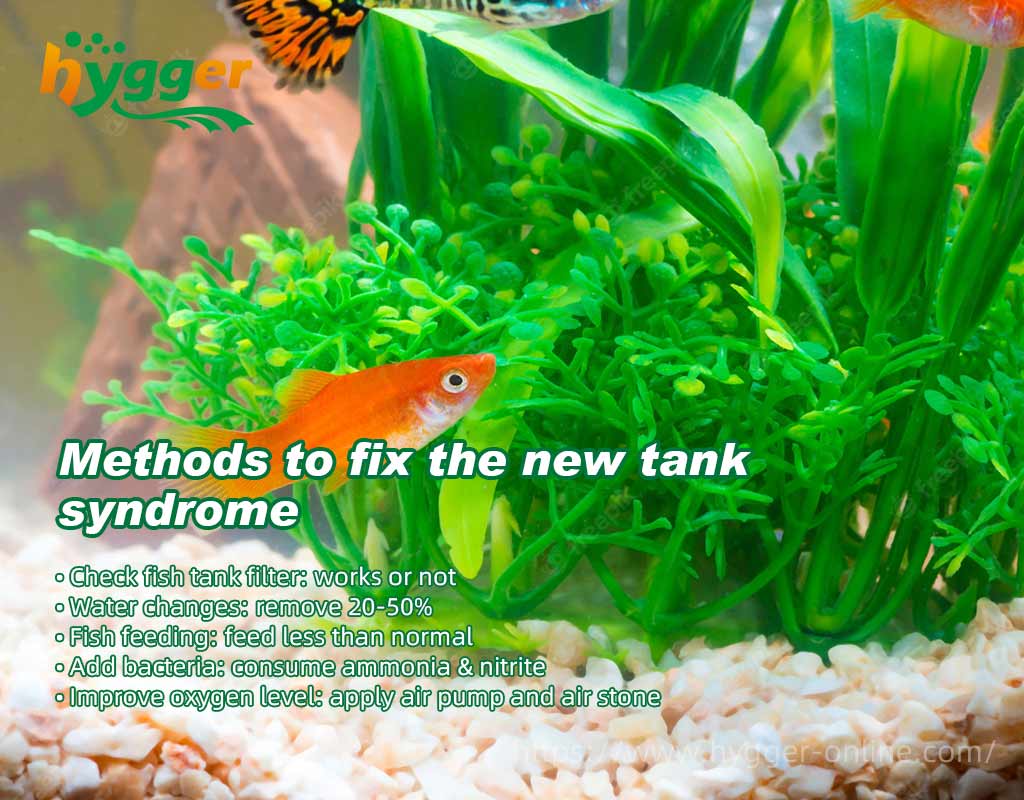
Credit: www.hygger-online.com
Causes Of New Tank Syndrome
New Tank Syndrome happens when a new aquarium struggles to keep fish healthy. It usually occurs because the tank’s environment is not ready. Understanding the causes helps prevent fish sickness and death.
Role Of Nitrogen Cycle
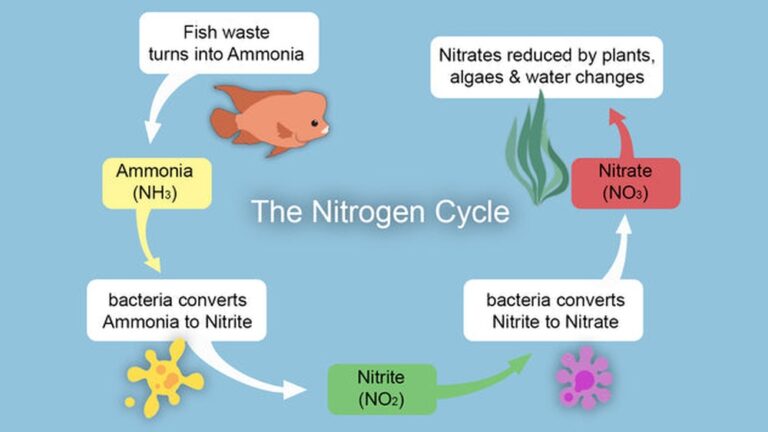
The nitrogen cycle is key to a healthy tank. It breaks down fish waste and uneaten food. Ammonia forms first and is very harmful. Then bacteria convert ammonia into nitrites, which are also toxic. Finally, other bacteria turn nitrites into nitrates, which are safer. A new tank often lacks enough good bacteria. This causes ammonia and nitrites to build up quickly. Fish get stressed and sick because of this. Patience is needed to let the nitrogen cycle start fully.
Common Mistakes In New Tanks
Many beginners add too many fish at once. The tank can’t handle the waste load. Another mistake is not testing water regularly. Without tests, problems go unnoticed. Using chemicals to fix water too soon can disrupt bacteria. Skipping tank cleaning or doing it too much also harms bacteria growth. Each mistake delays the tank’s balance and causes stress for fish.
Impact Of Overfeeding
Overfeeding is a big cause of poor water quality. Leftover food rots and produces ammonia. It adds to the waste fish make. Excess food also clogs filters and dirties the tank. Fish may eat too much and become sick. Feeding small amounts and removing leftovers keeps water cleaner. This helps bacteria work better and protects fish health.

Credit: www.reddit.com
Setting Up A Healthy Tank
Setting up a healthy tank is key to avoiding New Tank Syndrome. It takes time and care to create a stable environment. This helps fish stay healthy and happy. A good start prevents many problems later.
Choosing The Right Equipment
Select a quality filter suitable for your tank size. Filters remove waste and keep water clear. A heater keeps water temperature steady, important for tropical fish. Use a reliable thermometer to monitor temperature daily. Good lighting supports plants and fish health. Avoid cheap gear that may fail quickly.
Using Beneficial Bacteria
Beneficial bacteria break down harmful waste in the tank. Adding these bacteria jumpstarts the nitrogen cycle. You can buy bacteria supplements at pet stores. Add them before introducing fish for best results. These bacteria help keep ammonia and nitrite levels low. This step lowers the risk of New Tank Syndrome.
Proper Water Conditioning
Tap water often contains chlorine or chloramine, harmful to fish. Use a water conditioner to remove these chemicals. Conditioners make water safe immediately. Test water parameters like pH and hardness before adding fish. Adjust water to match fish needs. Clean, safe water creates a healthy tank environment.
Monitoring Water Parameters
Monitoring water parameters is key to preventing New Tank Syndrome. It helps keep the water safe for fish and plants. Regular checks show if the water is healthy or if problems start to grow. Tracking these numbers helps catch trouble early before fish get sick.
Testing For Ammonia And Nitrites
Ammonia and nitrites are toxic to fish. They come from fish waste and leftover food. Testing water often shows if these chemicals rise. If levels get too high, fish can get hurt or die. Use a test kit to measure ammonia and nitrites every few days. Keep these levels at zero or near zero.
Maintaining Stable Ph Levels
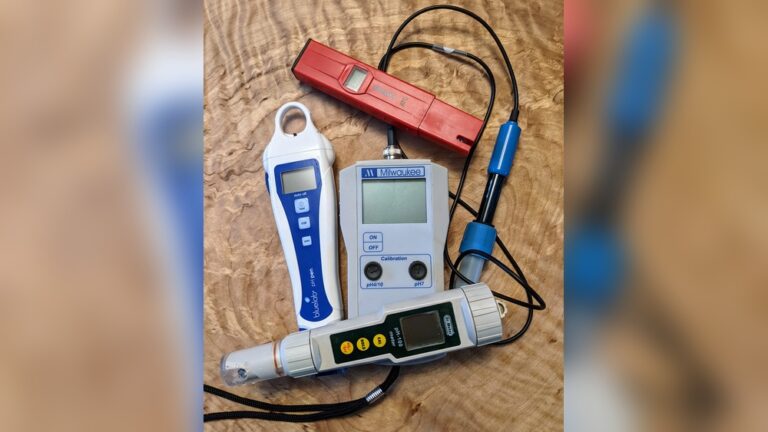
The pH level shows how acidic or basic the water is. Fish need stable pH to stay healthy. Sudden pH changes stress fish and can cause death. Test pH weekly. Use pH buffers if the water swings too much. Aim for a pH that suits your fish species.
Regular Water Changes
Changing water removes toxins and refreshes the tank. Small, regular water changes keep ammonia and nitrites low. Change 10-20% of water weekly. Use a water conditioner to remove chlorine from tap water. Clean water helps fish stay active and healthy.
Fish Selection And Stocking
Choosing the right fish and stocking your aquarium properly helps prevent new tank syndrome. This process sets the foundation for a healthy tank environment. Proper fish selection supports the growth of beneficial bacteria that keep water safe. Careful stocking avoids sudden changes that stress fish and harm water quality.
Starting With Hardy Species
Begin with hardy fish species that tolerate new tank conditions well. These fish adjust to water changes and lower oxygen levels. Examples include guppies, platies, and danios. Hardy species help establish a stable environment. They reduce the risk of fish deaths in the early days.
Avoiding Overcrowding
Stock your tank with a manageable number of fish. Overcrowding raises waste levels and lowers oxygen. This leads to toxic water conditions quickly. Follow the rule of one inch of fish per gallon of water. It gives fish space to swim and grow. Proper stocking keeps water cleaner and fish healthier.
Quarantine Procedures
Always quarantine new fish before adding them to your main tank. Quarantine helps detect diseases early and prevents spreading. Use a separate tank for at least two weeks. Watch for signs of illness or stress during this time. Healthy fish reduce the chance of upsetting your tank’s balance.
Maintenance Tips To Avoid Issues
Preventing New Tank Syndrome starts with regular and careful maintenance. Keeping your tank clean, feeding fish properly, and watching for early signs of trouble help keep fish healthy. These simple steps support a stable and safe environment for your aquatic pets.
Cleaning Routine
Clean your tank regularly but gently. Change 10-20% of the water weekly. Use a gravel vacuum to remove debris from the substrate. Avoid cleaning all decorations and filters at once. This helps keep beneficial bacteria alive. Clean algae from glass and decorations softly to prevent damage.
Feeding Practices
Feed fish small amounts once or twice a day. Only give what fish eat in two to three minutes. Overfeeding causes leftover food to rot and pollute water. Use high-quality fish food suited for your species. Avoid feeding too many treats or human food. Proper feeding keeps water clean and fish healthy.
Observation And Early Detection
Watch your fish daily for signs of stress or illness. Look for changes in behavior, color, or appetite. Check water clarity and smell regularly. Test water parameters like ammonia, nitrite, and nitrate often. Early detection helps you fix problems before they grow. Healthy fish show active swimming and clear eyes.
Credit: livingwatersict.com
How Smart Pets Lover Can Help You with How To Prevent A New Tank Syndrome
Learning Through Experience: Preventing New Tank Syndrome
Understanding how to prevent New Tank Syndrome goes beyond just reading about it—it’s about embracing the journey of setting up a healthy tank and staying attentive to water parameters. As any dedicated pet parent knows, patience and observation are key. By carefully selecting fish and stocking your aquarium responsibly, you give your aquatic friends the best start, minimizing the risk of stress and sudden water quality issues.
Practical learning opportunities abound: regularly testing water quality teaches you the delicate balance required for a thriving tank, while maintenance routines reinforce the importance of consistency. At Smart Pets Lover, we believe every step of this process deepens your connection with your fish, turning care into a rewarding experience where every little ripple tells a story.
- Keep a journal to track water parameters and fish behavior.
- Join local aquarium groups or online forums to share tips and learn from others.
- Reach out to aquatic specialists or vet professionals when in doubt.
Remember, smart pet care is about learning and growing alongside your pets. For more personalized guidance, you can contact aquatic care experts or visit trusted resources—it’s all part of becoming the confident, caring pet parent your fish deserve.
Frequently Asked Questions
What Is New Tank Syndrome In Aquariums?
New Tank Syndrome occurs when harmful toxins build up in a new aquarium. This happens due to an uncycled tank, causing ammonia spikes. It can stress or kill fish. Proper cycling and regular water testing prevent this syndrome effectively.
How Can I Prevent New Tank Syndrome Effectively?
To prevent New Tank Syndrome, cycle your tank before adding fish. Use beneficial bacteria starters and test water regularly. Avoid overfeeding and overstocking. Partial water changes help maintain safe toxin levels and ensure a healthy environment for aquatic life.
Why Is Cycling Important For A New Aquarium?
Cycling establishes beneficial bacteria that break down toxic ammonia and nitrites. Without cycling, toxins accumulate quickly, harming fish. Cycling stabilizes water chemistry, making the tank safe. This process usually takes 4 to 6 weeks but is vital for aquarium health.
How Often Should I Test Water During The Cycle?
Test water every 2 to 3 days during cycling. Monitor ammonia, nitrite, and nitrate levels carefully. This helps track progress and detect harmful spikes early. Regular testing ensures timely interventions, keeping fish safe and the tank balanced.
Conclusion
Preventing new tank syndrome takes patience and careful steps. Start slowly with proper cycling and avoid adding too many fish. Test water often and keep it clean. Use good filtration and feed fish wisely. Watch your tank closely for signs of stress.
Small actions make a big difference. Healthy fish need a stable home. Take time and enjoy the process. Your tank will thrive with steady care. Simple habits help prevent problems before they start. Keep learning and stay patient with your aquarium journey.