How To Manage Water Chemistry In Your Aquarium
Keeping your aquarium water in perfect balance can feel tricky, but it’s the key to a healthy and vibrant underwater world. If you want your fish to thrive and your plants to flourish, understanding how to manage water chemistry is a must.
In this guide, you’ll discover simple steps to control pH, hardness, and other important factors that affect your aquarium’s health. By the end, you’ll feel confident in creating the ideal environment for your aquatic friends. Ready to transform your tank into a stunning, life-filled oasis?
Let’s dive in!
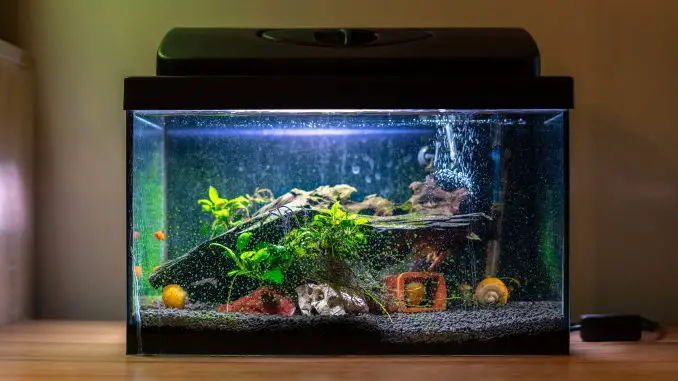
Credit: www.fishkeepingworld.com
Key Water Parameters
Maintaining key water parameters is essential for a healthy aquarium. These factors affect fish health and plant growth. Understanding and monitoring these parameters help prevent common problems. Keeping water stable creates a safe environment for all aquatic life.
Ph Levels
pH shows how acidic or basic the water is. Most fish prefer a pH between 6.5 and 7.5. Sudden changes can stress fish and cause illness. Test pH regularly using simple kits. Adjust pH slowly with proper additives if needed.
Ammonia, Nitrite, And Nitrate
Ammonia and nitrite are toxic to fish. They come from fish waste and uneaten food. Beneficial bacteria convert ammonia to nitrite, then nitrate. Nitrate is less harmful but should stay below 40 ppm. Test these chemicals often to keep levels safe.
Water Hardness
Water hardness measures minerals like calcium and magnesium. Soft water has fewer minerals; hard water has more. Different fish need different hardness levels. Test hardness to match your fish’s needs. Adjust hardness with special products if required.
Temperature Control
Temperature affects fish metabolism and activity. Most tropical fish thrive between 74°F and 80°F (23°C-27°C). Use a reliable heater and thermometer to maintain steady temperature. Avoid sudden temperature changes to reduce fish stress.
Testing Water Quality
Testing water quality is essential for a healthy aquarium. It helps keep fish and plants safe. Regular checks show the water’s condition and reveal problems early. Clear water means a happy tank. Poor water quality can stress or harm fish. Testing is simple and gives quick results. This section explains how to test water quality properly.
Choosing Test Kits
Select test kits that measure key water parameters. Look for kits testing pH, ammonia, nitrites, and nitrates. These chemicals affect fish health the most. Choose kits that are easy to use and read. Liquid test kits often provide accurate results. Strips are fast but less precise. Buy kits from trusted brands for reliability.
Frequency Of Testing
Test water frequently, especially in new tanks. Check water every 2 to 3 days during setup. After the tank stabilizes, test once a week. Test more often if fish show stress or illness. Regular testing helps catch issues early. Avoid long gaps without testing. Consistency keeps water safe and balanced.
Interpreting Results
Learn what each test result means for your tank. Ideal pH levels vary by fish species. Ammonia and nitrite must be zero or very low. Nitrate should stay under 20 ppm. High levels signal poor water quality. Take action quickly to fix problems. Use test results to guide water changes and treatments. Clear water means stable, healthy conditions.
Balancing Ph And Hardness
Balancing pH and hardness is key to a healthy aquarium. These two factors affect fish health and plant growth. Keeping them stable helps avoid stress and disease. Both pH and hardness need regular checks for best results.
Adjusting Ph Safely
Test your water pH often. Fish prefer a certain pH range. Use pH test kits for accuracy. Change pH slowly to avoid shocking fish. Use natural methods like driftwood or peat moss to lower pH. Baking soda can raise pH but use little at a time. Always mix chemicals in a separate container first. Add changes gradually over days, not hours.
Managing Hardness With Minerals
Hardness means the level of minerals in water. It affects fish and plants differently. Use mineral supplements to raise hardness if water is too soft. Crushed coral or limestone can increase hardness naturally. For very hard water, use reverse osmosis filters or distilled water. Check hardness regularly with test kits. Balance minerals carefully to avoid harming your aquarium life.
:strip_icc()/girl-using-a-chemical-test-kit-to-measure-the-quality-of-water-in-a-home-aquarium-993654204-5c3abb2d46e0fb000122bad6.jpg)
Credit: www.thesprucepets.com
Controlling Ammonia And Nitrites
Controlling ammonia and nitrites is key to keeping your aquarium healthy. Both chemicals are toxic to fish and can cause serious harm. Ammonia comes from fish waste and uneaten food. Nitrites form when bacteria break down ammonia. Managing these chemicals keeps your water safe and your fish happy.
Biological Filtration
Biological filtration uses good bacteria to break down ammonia and nitrites. These bacteria live in your filter and aquarium surfaces. They convert ammonia into nitrites, then into less harmful nitrates. A strong biological filter keeps toxin levels low. Avoid cleaning the filter too much to protect these bacteria.
Regular Water Changes
Regular water changes reduce ammonia and nitrites. Removing old water lowers toxin buildup. Replace about 10-20% of the water weekly. Use a water conditioner to remove chlorine and chloramine. Clean water keeps fish healthy and stress-free.
Using Chemical Treatments
Chemical treatments can quickly reduce ammonia and nitrites. Use products designed to neutralize these toxins safely. Follow the instructions carefully for best results. These treatments help in emergencies but do not replace good filtration and water changes.
Maintaining Proper Temperature
Maintaining proper temperature is vital for a healthy aquarium. Fish and plants depend on stable temperatures to thrive. Sudden changes can cause stress or illness. Keeping the water temperature steady supports fish activity and growth.
Selecting Heaters And Coolers
Choose a heater that matches your tank size. A small heater works for small tanks. Bigger tanks need heaters with higher wattage. Some heaters have built-in thermostats for easy control. For hot climates, consider aquarium coolers or fans. They help prevent the water from overheating.
Monitoring Temperature Fluctuations
Use an accurate thermometer to check water temperature daily. Look for sudden changes or trends over time. Keep the thermometer away from heaters for correct readings. Record temperature to spot problems early. Sudden drops or spikes can harm fish and plants.
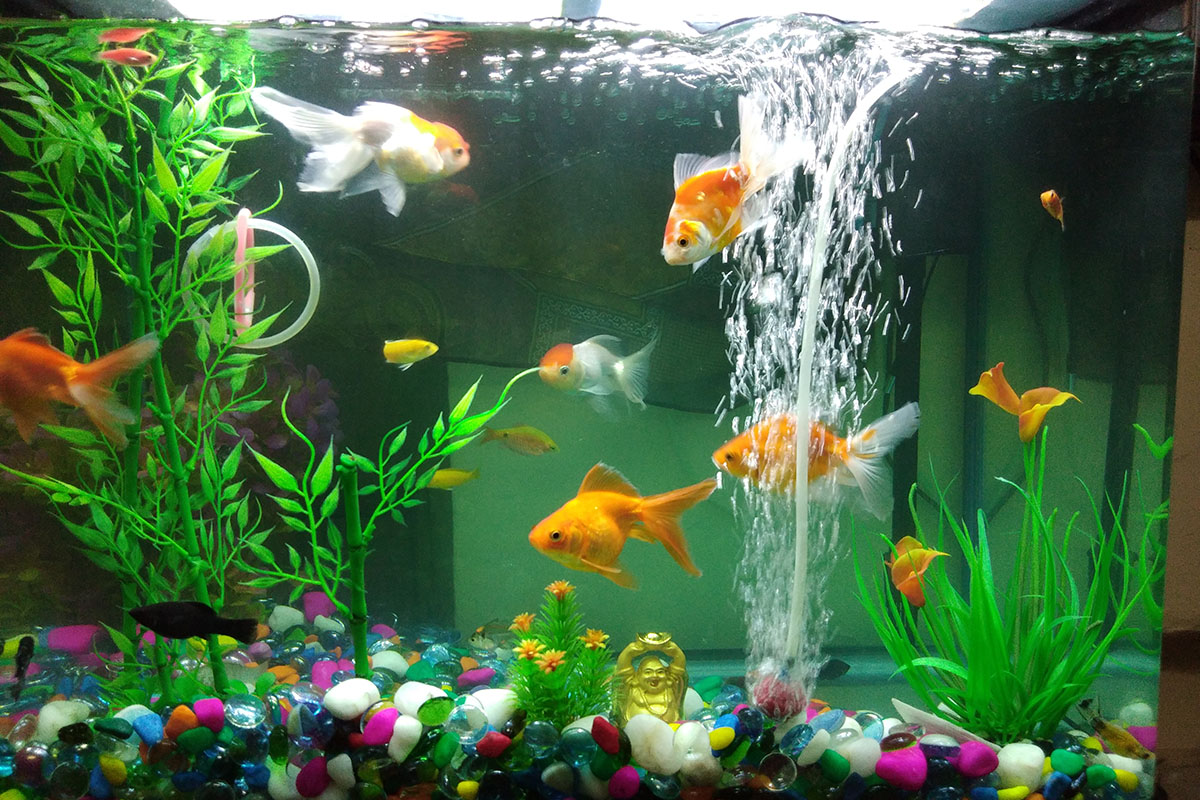
Credit: www.aqueon.com
Water Change Best Practices
Water changes keep your aquarium clean and healthy. They remove harmful chemicals and refresh the water. Doing water changes the right way helps fish stay happy and alive. Follow these best practices for water changes to protect your aquarium life.
How Much And How Often
Change 10% to 25% of the water every week. This range keeps the water stable and clean. Smaller, regular changes are better than big, rare ones. Large water changes can shock fish and plants. Stick to a schedule that fits your tank size and fish type.
Preparing Replacement Water
Use water that matches your tank’s temperature and pH. Treat tap water with a dechlorinator to remove harmful chemicals. Let the water sit for 24 hours to reach room temperature. Test the water before adding it to the tank. Proper preparation avoids sudden changes that stress fish.
Avoiding Stress To Fish
Do water changes slowly to avoid shocking fish. Turn off aquarium lights during the change. Use a siphon to clean gravel gently. Avoid changing all the water at once. Keep fish out of direct sunlight and loud noises. Calm fish are healthier and live longer.
Preventing Common Water Issues
Maintaining clear and healthy water in your aquarium is key to keeping fish happy. Water problems can stress fish and harm plants. Preventing these issues helps your aquarium stay clean and vibrant. Simple steps can stop most common water problems.
Algae Control
Algae often grows fast in aquariums. It makes water green and cloudy. Too much light causes algae to bloom. Limit the light to 8-10 hours a day. Use a good filter to remove algae spores. Clean tank walls regularly with an algae scraper. Avoid overfeeding fish. Leftover food feeds algae.
Avoiding Contamination
Contamination brings harmful chemicals or germs. Always wash hands before touching water or decorations. Use clean tools for water changes. Avoid using soap or chemicals near the tank. Test water for toxins like chlorine. Use water conditioners to remove harmful substances. Keep new plants and fish in quarantine before adding them.
Dealing With Cloudy Water
Cloudy water can scare fish and hide problems. It often happens from bacteria or dirt. Check your filter for clogs or damage. Perform regular partial water changes to clear waste. Avoid overfeeding to reduce waste buildup. Vacuum the gravel to remove dirt. Use a water test kit to find chemical imbalances.
Using Additives And Conditioners
Using additives and conditioners helps keep aquarium water safe and healthy. These products adjust water quality quickly. They remove harmful chemicals and add helpful elements. Proper use supports fish health and plant growth.
Dechlorinators
Tap water often contains chlorine or chloramine. These chemicals harm fish and beneficial bacteria. Dechlorinators remove chlorine and neutralize chloramine. They make water safe for aquarium life. Use the right amount for your tank size.
Beneficial Bacteria Supplements
Beneficial bacteria break down fish waste and uneaten food. They keep ammonia and nitrite levels low. Adding bacteria supplements helps start or boost this process. This improves water clarity and reduces toxins. Regular use supports a balanced aquarium environment.
Ph Buffers
pH buffers keep water acidity stable. Fish and plants need a steady pH to thrive. Sudden pH changes cause stress and illness. Buffers raise or lower pH gently. Choose a buffer that matches your aquarium species’ needs.
How Smart Pets Lover Can Help You with How To Manage Water Chemistry In Your Aquarium
Turning Aquarium Water Chemistry Into a Hands-On Learning Experience
Understanding how to manage water chemistry in your aquarium isn’t just about keeping your fish healthy—it’s a fantastic way to deepen your bond with your aquatic companions. As you regularly test water quality and balance pH and hardness levels, you’re engaging in a practical science lesson that sharpens your observation and problem-solving skills.
Try keeping a simple journal of your water parameter readings alongside notes on fish behavior and plant health. This approach helps you notice subtle changes over time and reinforces the importance of maintaining proper temperature and controlling ammonia and nitrites. It’s like becoming a detective in your own little underwater world!
At Smart Pets Lover, we believe every moment spent caring for your fish is a step toward becoming a more confident and connected pet parent. Should you ever need guidance or want to share your progress, feel free to reach out—we’re here to help make every wag, purr, and splash tell a story.
Frequently Asked Questions
How Often Should I Test Aquarium Water Chemistry?
Test your aquarium water weekly to ensure stable conditions. Regular testing helps detect harmful changes early and maintain fish health. Use reliable test kits to check pH, ammonia, nitrite, and nitrate levels consistently for best results.
What Is The Ideal Ph Level For Aquarium Water?
The ideal pH level depends on your fish species. Most freshwater fish thrive between pH 6. 5 and 7. 5. Regularly monitor and adjust pH to avoid stress and health issues in your aquarium inhabitants.
How Do I Reduce Ammonia In Aquarium Water?
To reduce ammonia, perform partial water changes regularly. Avoid overfeeding and clean the filter media properly. Beneficial bacteria in your tank also help convert ammonia into less harmful substances.
Why Is Water Hardness Important In Aquariums?
Water hardness affects fish health and plant growth. It influences mineral availability and biological processes. Maintain appropriate hardness levels based on your aquatic species’ needs for a balanced environment.
Conclusion
Managing water chemistry keeps your aquarium healthy and lively. Regular testing helps spot problems early. Adjust chemicals slowly to avoid stressing your fish. Clean filters and change water to maintain balance. Healthy water means happy fish and plants. Simple steps make a big difference over time.
Stay patient and consistent for the best results. Your aquarium will thrive with careful care.