How To Get Rid Of Algae In Fish Tank
Are you tired of seeing green, slimy algae take over your fish tank? It can be frustrating to watch your beautiful underwater world get clouded and messy.
But don’t worry—getting rid of algae doesn’t have to be a constant battle. You’ll discover simple, effective ways to clear up your tank and keep it sparkling clean. By following these easy steps, you’ll create a healthier environment for your fish and enjoy a crystal-clear view every day.
Ready to take control of your fish tank and say goodbye to algae for good? Let’s dive in!
Causes Of Algae Growth
Algae growth in fish tanks happens for several reasons. Knowing the causes helps control and prevent it. Algae can harm fish and make tanks look dirty. Controlling these causes keeps your tank clean and healthy.
Excess Light Exposure
Algae need light to grow. Too much light makes algae multiply fast. Tanks near windows or with lights on too long encourage algae. Use a timer to limit light hours. Less light means less algae growth.
Nutrient Imbalance
Algae feed on nutrients in the water. High levels of nitrates and phosphates cause algae to bloom. These nutrients come from fish waste and leftover food. Regular water tests help find nutrient problems early. Balancing nutrients stops algae from taking over.
Poor Water Circulation
Stagnant water invites algae growth. Poor flow creates spots where algae settle easily. Good water movement spreads nutrients evenly and prevents algae buildup. Use filters and pumps to keep water moving well.
Overfeeding Fish
Extra food turns into waste and nutrients for algae. Overfeeding makes water dirty and boosts algae growth. Feed fish only what they eat in a few minutes. Clean leftover food to keep the tank clean.
Types Of Algae In Fish Tanks
Algae in fish tanks can appear in different forms. Each type has unique features and causes. Knowing the types helps control and prevent algae growth. Here are the most common types found in fish tanks.
Green Algae
Green algae are the most common type in fish tanks. They look like green spots or strands on glass and plants. This algae grows fast with too much light or nutrients. It usually does not harm fish but can make the tank look dirty.
Brown Algae
Brown algae often form a slimy layer on tank surfaces. It has a brown or yellowish color. This algae prefers low light and can grow in new tanks. It may cover plants and decorations, blocking light from reaching them.
Blue-green Algae
Blue-green algae is not true algae but bacteria called cyanobacteria. It forms a thick, slimy layer with a blue-green color. This algae spreads quickly and smells bad. It can harm fish by lowering oxygen in the water.
Red Algae
Red algae, or black beard algae, grow as dark red or black patches. It clings to plants, rocks, and decorations. This algae is hard to remove and grows in tanks with high nutrients. It can damage plants by covering their leaves.
Manual Algae Removal Methods
Manual algae removal methods help keep your fish tank clean and healthy. These steps remove algae without chemicals. They improve water clarity and make your tank look nice. Regular manual cleaning also helps fish stay safe and comfortable.
Scrubbing Tank Walls
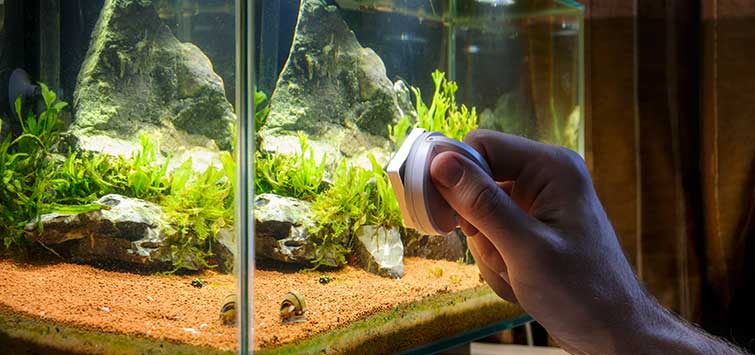
Scrubbing tank walls removes algae buildup effectively. Use an algae scraper or sponge made for aquariums. Clean gently to avoid scratching the glass or acrylic. Scrub every side, especially near the water surface. This stops algae from spreading and keeps your tank clear.
Cleaning Decorations
Decorations often collect algae over time. Take them out and scrub with a soft brush. Use clean water only, no soap or chemicals. Rinse well before putting decorations back in the tank. This keeps the environment safe for fish and controls algae growth.
Vacuuming Substrate
Vacuuming the substrate removes algae and waste from the tank floor. Use a gravel vacuum designed for aquariums. Push the vacuum gently into the gravel to suck up debris. This prevents algae from growing under the substrate. Regular vacuuming improves water quality and tank health.
Credit: www.tfhmagazine.com
Using Algae-eating Fish And Invertebrates
Using algae-eating fish and invertebrates is a natural way to control algae in your fish tank. These animals eat algae, helping keep your tank clean. They work without chemicals or harsh cleaning tools. Adding the right algae-eaters can balance your aquarium’s environment and reduce algae growth.
Types Of Algae-eaters
There are many types of algae-eaters suitable for fish tanks. Common fish include Siamese algae eaters, otocinclus catfish, and plecos. These fish eat soft algae on plants and glass. Invertebrates like nerite snails, Amano shrimp, and mystery snails also eat algae. Each type prefers different algae and tank conditions. Choosing the right algae-eater helps target the specific algae in your tank.
Compatibility With Tank Inhabitants
Not all algae-eaters get along with every fish. Some algae-eaters are peaceful and small, while others grow large or act aggressively. Siamese algae eaters work well with most community fish. Plecos can grow big and need space. Amano shrimp are gentle and safe with small fish. Check the behavior and size before adding algae-eaters. Compatibility keeps your tank peaceful and healthy.
Adjusting Tank Conditions
Adjusting tank conditions is key to controlling algae growth in your fish tank. Small changes can make a big difference. Proper tank care helps keep algae under control and your fish healthy.
Regulating Light Duration
Algae need light to grow. Limit the light your tank gets to 8-10 hours daily. Use a timer for consistency. Avoid placing the tank where sunlight hits directly. This helps reduce excess algae.
Balancing Nutrients
Algae thrive on nutrients like nitrates and phosphates. Test your water regularly to check nutrient levels. Avoid overfeeding your fish to reduce waste. Perform regular water changes to keep nutrients balanced.
Improving Filtration
Good filtration removes waste and excess nutrients. Use a filter that fits your tank size. Clean or replace filter media often. A strong filtration system helps prevent algae buildup effectively.

Credit: www.youtube.com
Chemical Treatments And Algaecides
Chemical treatments and algaecides offer a quick way to control algae in fish tanks. These products target algae cells and stop their growth. They can clear green or brown algae fast, making the tank look clean and healthy again.
Using chemicals can save time, especially when algae spread fast. But not all treatments are safe for fish and plants. Choosing the right product is important to avoid harm to your tank’s ecosystem.
Safe Chemical Options
Look for algaecides labeled safe for freshwater or saltwater tanks. Products with copper-based compounds are common but should be used carefully. Some safer options include those with polyquaternium or hydrogen peroxide.
Choose algaecides that do not harm fish, plants, or beneficial bacteria. Read product instructions carefully. Use the lowest effective dose to avoid stress on your tank inhabitants.
Risks And Precautions
Chemical treatments can upset the balance of your aquarium. Overdosing can kill fish or damage plants. Some fish species are sensitive to certain chemicals.
Always test water parameters before and after treatment. Remove activated carbon from your filter during treatment. Avoid using algaecides with live plants unless specified safe.
Use chemicals only as a last resort. Combine with regular tank cleaning for best results.
Preventing Future Algae Growth
Stopping algae before it starts saves time and keeps your fish tank healthy. Small habits make a big difference. Focus on simple steps to keep algae away for good.
Regular Maintenance Routine
Clean your tank every week. Change 10-20% of the water to remove waste. Scrub the glass gently to clear algae spots. Clean filters regularly for better water flow. A clean tank limits algae growth and keeps fish happy.
Monitoring Water Quality
Test water often for nitrate and phosphate levels. High levels feed algae. Use test kits to check water at least once a week. Keep temperature and pH stable for fish health. Balanced water discourages algae from growing.
Controlling Feeding Habits
Feed fish small amounts once or twice a day. Remove leftover food after five minutes. Overfeeding adds nutrients that boost algae. Proper feeding keeps water clean and fish healthy.
:strip_icc()/aquarium-algae-1379979_final-6b736aaf0f954f899b841b2a40cee73c.jpg)
Credit: www.thesprucepets.com
How Smart Pets Lover Can Help You with How To Get Rid Of Algae In Fish Tank
Turning Algae Control Into a Learning Experience
We know how frustrating those persistent algae patches can be, but tackling them also opens up some wonderful practical learning opportunities. By understanding the causes of algae growth and exploring manual removal methods or introducing algae-eating fish and invertebrates, you not only improve your tank’s health but deepen your connection with your aquatic friends.
Adjusting tank conditions isn’t just about maintenance—it’s a chance to observe how light, nutrients, and water quality impact your ecosystem. This hands-on approach nurtures a sense of responsibility and curiosity, turning routine care into a rewarding journey.
- Experiment with different algae-eaters and note their effectiveness
- Track how changes in lighting or feeding influence algae levels
- Document your tank’s progress to better understand prevention strategies
At Smart Pets Lover, we believe every pet parent can become a confident caretaker by embracing these small but meaningful learning moments. For further guidance, connecting with local aquarium communities or consulting expert forums can provide valuable insights tailored to your setup.
Frequently Asked Questions
How Do I Stop Algae Growth In My Fish Tank?
Control light exposure by limiting it to 8-10 hours daily. Avoid overfeeding fish and perform regular water changes. Use algae-eating fish or snails to naturally reduce algae.
What Causes Algae To Grow Rapidly In Aquariums?
Excess nutrients, especially nitrates and phosphates, cause rapid algae growth. Overfeeding, poor filtration, and too much light also contribute to algae blooms.
Can Algae Harm My Fish Or Plants?
Some algae types are harmless, but excessive algae can reduce oxygen and block light. This stresses fish and harms live plants by competing for nutrients.
What Is The Best Way To Clean Algae From Glass?
Use an algae scraper or magnetic cleaner designed for aquariums. Clean gently to avoid scratching the glass and remove algae buildup regularly for best results.
Conclusion
Controlling algae keeps your fish tank clean and healthy. Regular cleaning stops algae from growing fast. Use proper lighting and avoid overfeeding your fish. Adding live plants can help balance the tank. Test water often to catch problems early. Small steps make a big difference over time.
A clear tank shows a happy fish home. Keep up the care, and enjoy your beautiful aquarium.