How To Feed Fish On Vacation
Leaving your fish behind while you go on vacation can feel stressful. You worry about who will feed them and if they’ll stay healthy without you.
What if you forget to feed them or give too much food? The good news is, you don’t have to stress. You’ll discover simple and effective ways to make sure your fish are well-fed and safe while you enjoy your time away.
Keep reading, and you’ll learn easy tricks that take the guesswork out of feeding your fish on vacation.

Credit: www.youtube.com
Choosing The Right Feeder
Choosing the right feeder is key to keeping your fish healthy while you are away. The feeder must provide the right amount of food at regular times. It should also be easy to use and reliable.
Different feeders suit different needs. Some work best for short trips. Others are better for longer vacations. Knowing your options helps you pick the best one.
Automatic Feeders
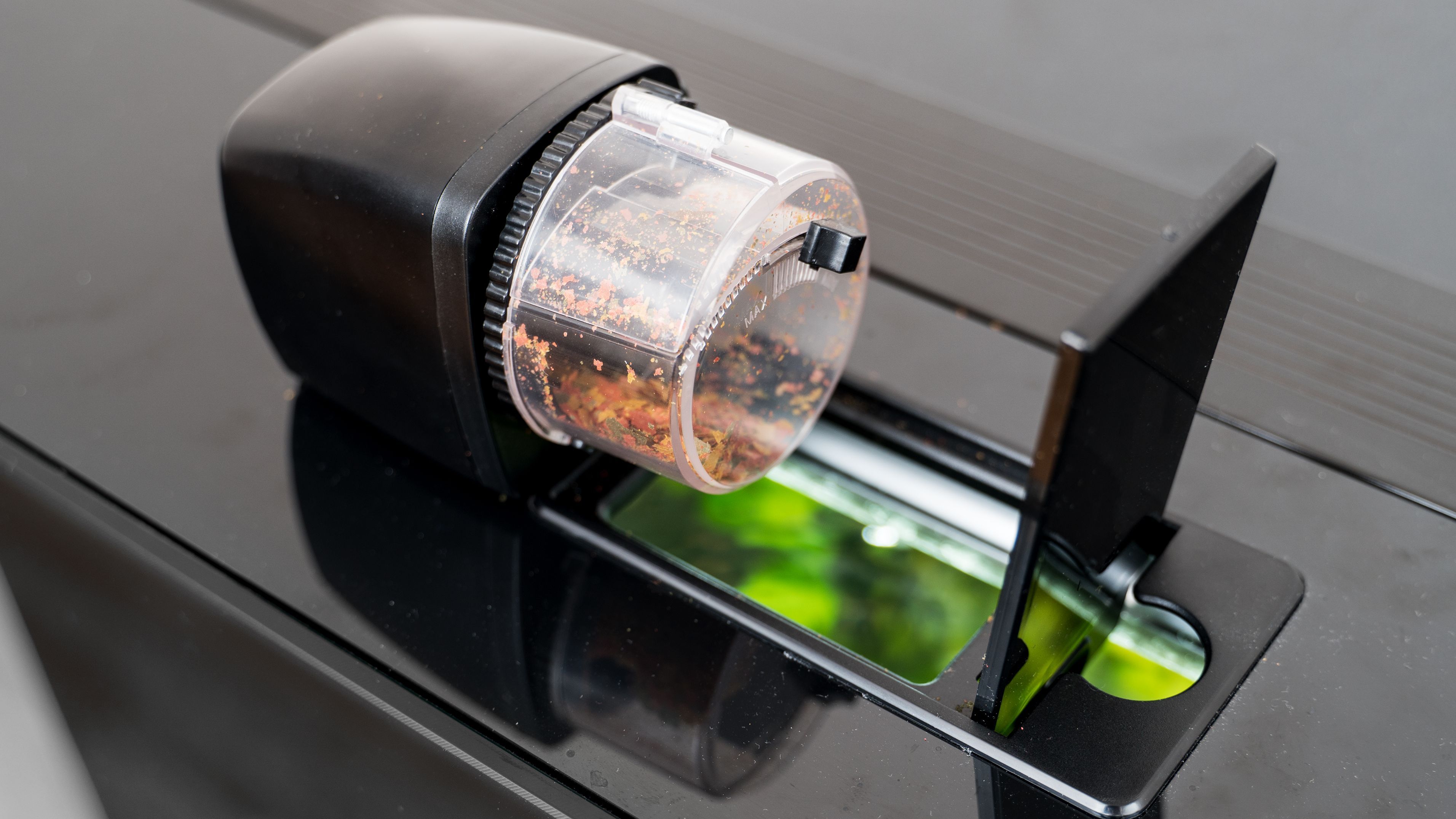
Automatic feeders release food on a set schedule. They are perfect for trips lasting several days. You can program them to feed once or multiple times daily.
These devices reduce the risk of overfeeding or underfeeding. Most use batteries, so check their power before leaving. Some models hold different food types like flakes or pellets.
Manual Feeding Options
Manual feeding means someone feeds your fish while you are gone. A friend or neighbor can help. This option works well for short trips.
It ensures fresh food each time. The feeder can adjust food amounts based on fish behavior. Make sure the helper knows how much to feed. Provide clear instructions to avoid mistakes.
Self-feeding Devices
Self-feeding devices let fish eat when they want. These usually release small food amounts slowly. They help prevent food waste and water pollution.
Self-feeders are simple and low cost. They work best for hardy fish that can handle irregular meals. Check the device size to fit your tank or pond.
Preparing Fish Before Leaving
Preparing your fish before leaving for vacation is important for their health. Fish need stable conditions to stay safe and stress-free. Preparing them well helps avoid problems like overfeeding or poor water quality. This section explains key steps to take before you leave.
Adjusting Feeding Schedule
Start feeding your fish less often a few days before leaving. This helps them get used to less food. Fish can survive without daily feeding for short periods. Adjusting the schedule reduces waste and keeps water clean.
Reducing Food Amount
Give smaller food portions each time you feed. Overfeeding causes leftover food to rot in the tank. This can harm fish and water quality. Reducing food amount lowers the risk of illness and pollution.
Maintaining Water Quality
Clean the tank well before you go. Change part of the water and remove debris. Healthy water keeps fish safe while you are away. Good water quality reduces stress and prevents diseases.
Setting Up Feeders
Setting up feeders is key to keeping your fish fed while you are away. It saves you worry and keeps fish healthy. A good feeder releases food at regular times. This section explains how to set up feeders properly.
Programming Automatic Feeders
Start by reading the feeder’s instruction manual. Set feeding times based on your fish’s usual schedule. Choose small portions to avoid overfeeding. Many feeders allow you to set multiple feedings per day. Test the settings to ensure food releases as planned.
Testing Feeders Ahead
Test the feeder at least three days before your trip. Watch the feeder release food and check the amount. Adjust the timing or portions if needed. Place the feeder near the tank during the test. This helps fish get used to it before you leave.
Placement Tips
Place the feeder where food can fall easily into the tank. Avoid spots with strong water flow that may move food away. Keep the feeder away from direct sunlight to prevent food spoilage. Make sure it is stable and won’t fall. Position it so fish can quickly find the food.
Alternative Feeding Solutions
Leaving fish alone for days can be risky without proper feeding. Alternative feeding solutions help keep your fish healthy and happy. These methods reduce stress on your fish and keep your aquarium balanced. Choose the best option based on your schedule and fish type.
Vacation Feed Blocks
Vacation feed blocks slowly release food for your fish. Place the block in the tank before you leave. It dissolves over time, feeding fish little by little. This method works well for short trips. Not all fish eat the same type of blocks. Check if your fish like and can eat these blocks.
Hiring A Caretaker
A caretaker visits your home to feed your fish. This person can check water and fish health too. It offers peace of mind during long vacations. Choose someone who knows about fish care. Give clear instructions about how much and what to feed. A caretaker can spot problems early and fix them.
Neighbor Assistance
Ask a trusted neighbor to feed your fish. Show them the feeding routine before you leave. Neighbors can help with small tasks and emergencies. It costs nothing and builds good community ties. Make sure they understand fish needs and feeding times. This option works well for short to medium trips.
Post-vacation Fish Care
After returning from vacation, fish need gentle care to stay healthy. Their environment might change while you were away. The tank may have extra waste or less oxygen. Careful steps help fish feel safe and strong again.
Cleaning The Tank
Remove leftover food and debris from the tank. Clean the glass and decorations gently. Change about 20% of the water to keep it fresh. Avoid cleaning the whole tank at once. This keeps helpful bacteria alive.
Monitoring Fish Health
Watch the fish closely for signs of stress or illness. Look for unusual swimming or spots on their bodies. Check if they breathe faster than normal. Early detection helps prevent serious problems.
Resuming Normal Feeding
Feed fish small amounts after vacation. Gradually return to their regular feeding schedule. Overfeeding can harm water quality and fish health. Patience helps fish adjust back smoothly.
:strip_icc()/GettyImages-686722837-5b22cd9b0e23d90036f501bd.jpg)
Credit: www.thesprucepets.com
Credit: www.manomano.co.uk
How Smart Pets Lover Can Help You with How To Feed Fish On Vacation
Learning Through Preparation: Feeding Fish on Vacation
Understanding how to feed fish on vacation isn’t just about setting up a feeder and walking away. It’s a practical learning opportunity that deepens your connection with your aquatic friends. By preparing your fish before leaving—whether adjusting their feeding schedule or acclimating them to automatic feeders—you gain valuable insights into their behavior and needs.
Setting up feeders effectively encourages responsibility and thoughtful care, reinforcing the importance of routine and consistency. This hands-on approach helps pet parents feel more confident in managing alternative feeding solutions, especially when unexpected changes arise. At Smart Pets Lover, we believe every step you take to care for your pets—even when away—strengthens the bond you share.
- Test your chosen feeder days in advance to ensure reliability.
- Observe how your fish respond to changes in feeding patterns.
- Plan post-vacation care to smoothly transition your fish back to normal routines.
Remember, learning through these small but meaningful actions makes you a more informed and compassionate pet parent. For further guidance, you can always reach out to trusted pet care communities or experts who understand the unique needs of your aquatic companions.
Frequently Asked Questions
How Can I Feed My Fish When On Vacation?
Use automatic fish feeders to provide regular meals. Set the timer before you leave. Alternatively, ask a friend to feed them daily.
What Are The Best Food Options For Vacation Feeding?
Choose slow-release fish food blocks or pellets. These dissolve slowly and provide nutrition for several days without overfeeding.
How Often Should Fish Be Fed During Vacations?
Feed fish once daily if using automatic feeders. For slow-release blocks, one application can last up to two weeks.
Can Fish Survive Without Feeding For A Week?
Most fish can survive a week without food. Avoid overfeeding before leaving to prevent water quality issues.
Conclusion
Feeding fish during vacation needs some simple planning. Choose reliable feeders or ask a friend for help. Keep fish food fresh and avoid overfeeding. Regular feeding keeps fish healthy and happy. Enjoy your trip without worrying about your fish. Small efforts make a big difference for your pets.
Safe, stress-free vacations start with good fish care.