How To Cycle A Fish Tank
Setting up your fish tank is exciting, but there’s one crucial step you can’t skip: cycling your tank. If you don’t cycle your fish tank properly, harmful toxins can build up and put your fish in danger.
You might feel overwhelmed by the science behind it, but don’t worry—this guide will walk you through each step in a simple, clear way. By the end, you’ll know exactly how to create a safe, healthy home for your fish.
Keep reading to discover how to cycle your fish tank the right way and give your aquatic friends the best start possible.
Why Cycle A Fish Tank
Cycling a fish tank is an essential step for a healthy aquarium. It prepares the tank to support fish by building a natural filter. This process helps create a safe home for your fish.
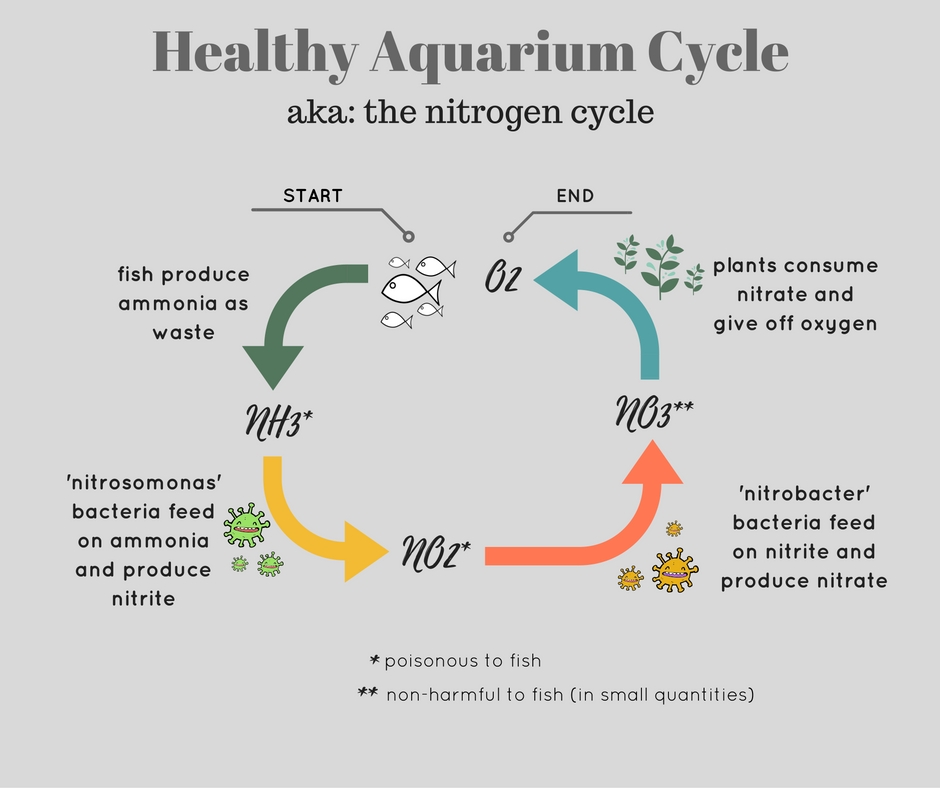
Without cycling, harmful waste will build up quickly. Fish produce ammonia, a toxic substance that can hurt or kill them. The cycling process turns this ammonia into less harmful substances.
What Happens During The Cycling Process?
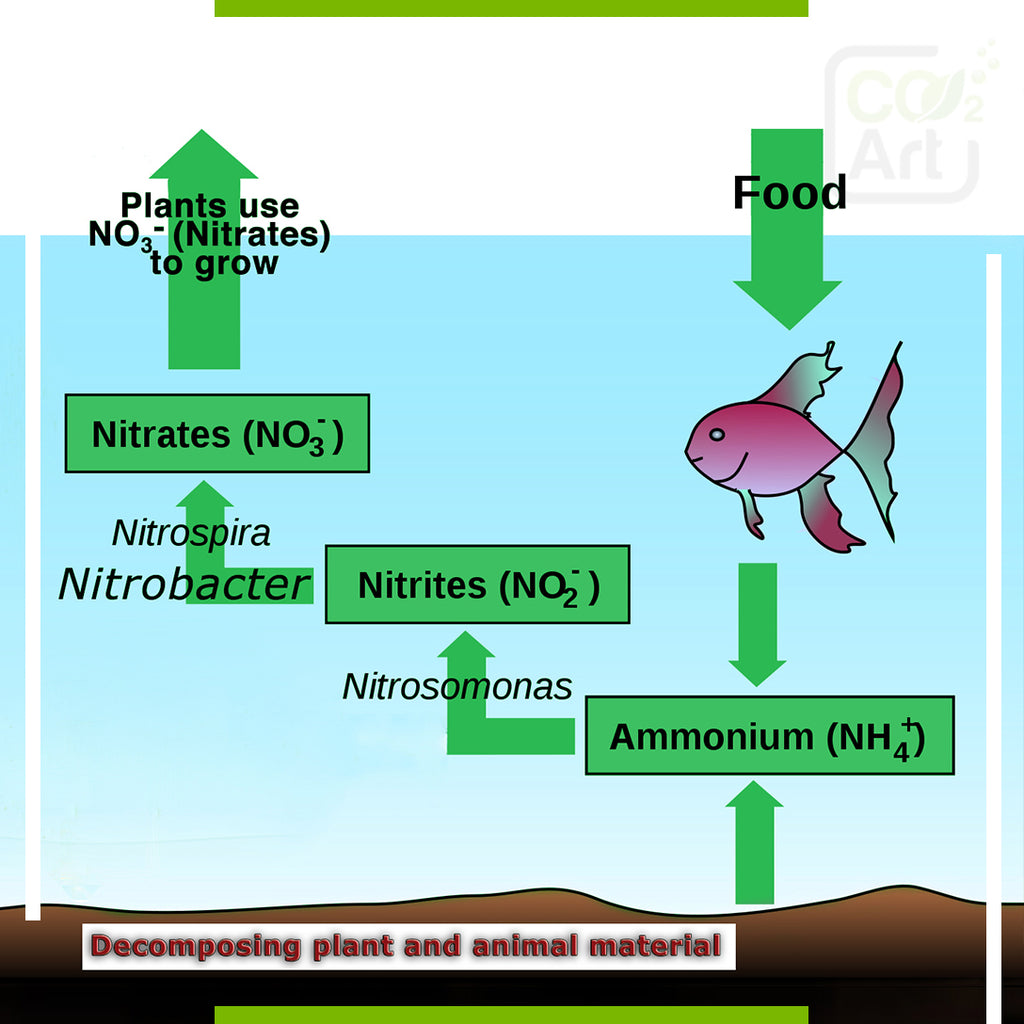
Beneficial bacteria grow inside the tank. These bacteria break down toxic ammonia into nitrites. Then, another group of bacteria changes nitrites into nitrates. Nitrates are safer for fish and can be removed by water changes.
Protecting Your Fish From Toxic Chemicals
Ammonia and nitrites are invisible dangers in new tanks. They cause stress and illness in fish. Cycling lowers these chemicals to safe levels before adding fish. This keeps your fish healthy and happy.
Creating A Stable Environment
Cycling helps balance the tank’s environment. Stable water conditions reduce fish stress. Fish grow better and live longer in a stable tank. Cycling is the key to a strong aquarium system.
Saving Time And Money
Skipping the cycle leads to fish deaths. Dead fish mean extra costs for replacements and treatments. Cycling prevents these problems. It saves money and effort over time.
Key Benefits Of Cycling
Cycling a fish tank is an important step for healthy fish. It helps create a balanced environment inside the tank. This process builds good bacteria that keep harmful waste in check.
Without cycling, fish can get sick or die quickly. The water becomes toxic due to ammonia and nitrite levels. Cycling keeps these chemicals low and safe for fish.
Prevents Toxic Buildup
Cycling removes harmful ammonia and nitrites from the water. These chemicals come from fish waste and leftover food. Good bacteria turn them into less harmful nitrate. This keeps the water safe and clean.
Supports Fish Health
Fish live longer in a properly cycled tank. Clean water reduces stress and illness. Healthy fish show bright colors and active behavior. Cycling creates a stable home for your fish.
Reduces Maintenance Time
A cycled tank needs less frequent water changes. The bacteria naturally manage waste. This means less work and fewer sudden water problems. Your tank stays clear and fresh with less effort.
Creates A Balanced Ecosystem
Cycling builds a natural system inside the tank. Beneficial bacteria work like tiny cleaners. This balance helps plants and fish thrive together. It makes your aquarium look lively and healthy.
Essential Equipment Needed
Cycling a fish tank is key for a healthy aquarium. It prepares the tank for fish by building good bacteria. These bacteria help break down harmful waste.
Having the right tools makes cycling easier and more effective. Below are the essential items you need to start cycling your tank properly.
Test Kits For Water Parameters
Test kits check water quality. They measure ammonia, nitrite, nitrate, and pH levels. These chemicals show how well cycling is progressing. Testing often helps avoid fish stress and illness.
Filter System
A good filter is vital. It provides a home for beneficial bacteria. Filters clean the water by removing waste and toxins. Choose one that fits your tank size and type.
Heater
Most tropical fish need warm water. A heater keeps water temperature stable. Stable temperature helps bacteria grow faster. This speeds up the cycling process.
Air Pump And Air Stone
Oxygen is important for bacteria and fish. An air pump and air stone add oxygen to the water. They also improve water circulation, which helps bacteria thrive.
Substrate And Decorations
Gravel or sand provides surface for bacteria to grow. Decorations like rocks and plants increase surface area. More surface means more space for helpful bacteria.
Credit: spec-tanks.com
Steps To Cycle A New Tank
Cycling a new fish tank is essential to create a safe environment for your fish. This process builds beneficial bacteria that break down harmful waste. These bacteria help convert toxic ammonia into less harmful substances. Follow these clear steps to cycle your tank properly. Patience is key during this process.
Setting Up The Tank
Start by placing your tank on a stable surface. Rinse the tank with water only; avoid soap. Add substrate like gravel and install your filter and heater. Fill the tank with dechlorinated water. Make sure all equipment works correctly before moving on.
Adding A Source Of Ammonia
Ammonia is necessary to feed the good bacteria. You can add pure ammonia or fish food to the tank. Add a small, measured amount to avoid spikes. This creates the right environment for bacteria to grow. Do not add fish yet to prevent harm.
Monitoring Water Parameters
Test ammonia, nitrite, and nitrate levels regularly. Use a reliable water test kit for accuracy. Ammonia and nitrite should rise, then fall to zero. Nitrate levels will start to increase afterward. Keep track of changes to know when cycling completes.
Types Of Cycling Methods
Cycling a fish tank is essential for a healthy aquarium. It prepares the tank by building good bacteria. These bacteria help break down fish waste and keep water clean. There are different ways to cycle your tank. Each method has its own steps and timing. Choosing the right method depends on your setup and patience.
Fishless Cycling
Fishless cycling is the safest way to start. It uses ammonia to feed the bacteria. You add pure ammonia to the tank without any fish. The bacteria grow and turn ammonia into less harmful substances. This process takes a few weeks. It avoids stressing or harming any fish. You can add fish once the tank is fully cycled.
Fish-in Cycling
Fish-in cycling involves cycling the tank with fish inside. Small, hardy fish are used for this method. They produce waste that helps bacteria grow. Water changes are important to keep fish safe. This method takes longer and needs careful monitoring. It is less ideal because fish can get stressed or sick.
Using Filter Media
Using filter media speeds up cycling. You transfer media from an established tank to a new one. Media contains live bacteria that start breaking down waste. It reduces the cycling time significantly. Make sure the source tank is healthy. This method is helpful for quick setup but needs access to an established tank.

Credit: www.animates.co.nz
Testing Water During Cycling
Testing water during the fish tank cycling process is very important. It helps you understand how well the tank is preparing for fish. Regular checks show the levels of harmful chemicals. This helps prevent fish from getting sick or dying. You can keep track of water quality easily with simple test kits. These kits check for ammonia, nitrite, and nitrate levels. Knowing these levels guides you on when the tank is safe for fish.
Ammonia Levels
Ammonia is very toxic to fish. It comes from fish waste and leftover food. During cycling, ammonia levels start high. Beneficial bacteria begin to break it down. Watch for ammonia to rise and then fall to zero. Zero ammonia means bacteria are working well. Test the water every day or every other day.
Nitrite Levels
Nitrite forms after bacteria break down ammonia. It is also harmful to fish. Nitrite levels rise after ammonia starts to drop. Then, nitrite levels must fall to zero too. This shows another type of bacteria is growing. These bacteria change nitrite into nitrate. Testing nitrite helps track this important step.
Nitrate Levels
Nitrate is less harmful than ammonia or nitrite. It builds up as the last step of cycling. High nitrate levels mean the cycle is near complete. You want nitrate levels below 40 ppm before adding fish. Regular water changes help control nitrate. Testing nitrate keeps your tank safe and healthy.
Signs Cycling Is Complete
Cycling a fish tank is essential before adding fish. It helps create a safe environment by building good bacteria. Knowing the signs cycling is complete ensures fish health and tank stability.
These signs show the tank is ready. They help avoid common problems like ammonia poisoning. Watch for changes in water test results and tank conditions.
Ammonia And Nitrite Levels Drop To Zero
Ammonia and nitrite are toxic to fish. During cycling, bacteria break these down. The best sign is when both ammonia and nitrite read zero. Use a water test kit to check levels daily.
Nitrate Levels Rise Steadily
Nitrate is less harmful and shows cycling progress. After ammonia and nitrite drop, nitrate will increase. This means good bacteria are working well. Keep nitrate below 40 ppm with water changes.
Water Parameters Stay Stable For Several Days
Stable water means cycling is complete. Test the water for 3-5 days. If ammonia, nitrite, and nitrate stay stable, the tank is ready. No sudden spikes or drops should occur.
Clear Water And No Bad Odors
Healthy tanks have clear water and smell fresh. Cloudy water or strong smells may mean cycling is not done. Good bacteria help keep water clean and odor-free.
Beneficial Bacteria Established
Beneficial bacteria live on tank surfaces and filter media. They convert harmful wastes into less toxic forms. Signs include less algae growth and better water quality. These bacteria are key for a healthy tank.
Common Cycling Issues
Cycling a fish tank is a crucial process. It creates a safe home for your fish. During cycling, some common problems may arise. Knowing these problems helps you fix them fast. It keeps your fish healthy and happy.
Ammonia Spikes
Ammonia comes from fish waste and leftover food. High ammonia levels harm fish and plants. Watch ammonia levels daily during cycling. Use test kits to measure ammonia. If levels rise too much, do a partial water change. Adding beneficial bacteria can also reduce ammonia.
Nitrite Toxicity
Nitrites form after ammonia breaks down. High nitrite levels are very dangerous for fish. They stop oxygen from reaching fish gills. Test nitrite levels regularly. If nitrites rise, do a water change. Adding salt to the tank can help protect fish. Wait until nitrites drop before adding new fish.
Slow Cycle Progress
The cycling process can take weeks. Sometimes, it slows down or stops. Temperature and pH levels affect cycling speed. Keep water warm but not hot. Avoid sudden changes in tank conditions. Adding a bacteria starter can help speed up cycling. Patience is key; rushing can harm your tank.
Maintaining Water Quality Post-cycle
Maintaining water quality after cycling a fish tank is very important for healthy fish. The cycling process helps build good bacteria that break down harmful waste. After cycling, keep water clean to avoid stress and sickness in fish.
Good water quality means stable levels of ammonia, nitrites, and nitrates. It also means clear water and the right temperature. Small actions every day keep the tank safe and fresh for fish.
Regular Testing
Test water often using a reliable test kit. Check ammonia, nitrites, and nitrates regularly. Testing helps spot problems early before fish get sick. Keep a log of your test results. It shows trends and helps track changes over time.
Water Changes
Change 10-20% of the water every week. Use a clean bucket and remove water gently. Refill with dechlorinated water at the same temperature. Regular water changes remove waste and keep chemicals balanced. Avoid changing too much water at once. Large changes can stress fish and harm bacteria.
Filter Maintenance
Clean the filter regularly but do not over-clean it. Rinse filter media in tank water, never tap water. Tap water can kill good bacteria. Replace filter parts only when necessary. A well-maintained filter supports healthy bacteria and keeps water clear.
Credit: www.co2art.us
How Smart Pets Lover Can Help You with How To Cycle A Fish Tank
Turning Fish Tank Cycling Into a Practical Learning Experience
Understanding how to cycle a fish tank is more than just a checklist—it’s an opportunity to deepen your connection with your aquatic pets. As you monitor water quality during cycling, you’re essentially observing a mini-ecosystem come to life. This process teaches patience and attentiveness, key traits for any responsible pet parent.
Remember, the signs cycling is complete, such as stable ammonia and nitrite levels, aren’t just scientific markers—they’re milestones in your journey toward creating a healthy home for your fish. By mastering essential equipment and cycling methods, you gain hands-on experience that builds confidence and insight, making future tank maintenance smoother and more intuitive.
At Smart Pets Lover, we believe every step in pet care—whether cycling a new tank or maintaining water quality post-cycle—is a chance to learn and grow alongside your pets. If you ever need guidance or have questions, connecting with fellow pet enthusiasts or experts can turn challenges into rewarding moments.
Frequently Asked Questions
What Is Fish Tank Cycling And Why Is It Important?
Fish tank cycling establishes beneficial bacteria to break down fish waste. It prevents toxic ammonia and nitrite buildup, ensuring a safe environment for fish and plants. Proper cycling promotes healthy aquatic life and reduces stress and diseases in your fish.
How Long Does It Take To Cycle A Fish Tank?
Cycling a fish tank usually takes 4 to 6 weeks. The exact time depends on tank size, temperature, and bacterial growth. Patience is key to ensure the nitrogen cycle is fully established before adding fish.
What Are The Signs Of A Fully Cycled Aquarium?
A fully cycled aquarium shows zero ammonia and nitrite levels. Nitrate levels will rise, indicating bacteria are converting harmful substances. Stable water parameters and clear water signal a safe environment for fish.
Can I Speed Up The Fish Tank Cycling Process?
You can speed up cycling by adding filter media from an established tank. Using commercial bacterial supplements also helps. However, rushing the process may stress fish or harm water quality.
Conclusion
Cycling a fish tank takes time and patience. It helps create a safe home for your fish. Testing water regularly keeps the tank healthy. Adding beneficial bacteria supports a clean environment. Avoid rushing the process to prevent fish stress. Watch your tank carefully and enjoy the progress.
A well-cycled tank means happy, thriving fish. Keep learning and caring for your aquatic pets. Small steps lead to a great fish tank. Your effort makes all the difference.