How To Create A Bird Friendly Garden
Imagine stepping into your garden and hearing the cheerful songs of birds all around you. Creating a bird-friendly garden is easier than you think, and it can bring endless joy and life to your outdoor space.
By making a few simple changes, you’ll invite colorful feathered friends to visit, feed, and even nest right in your backyard. Ready to discover how you can turn your garden into a safe haven for birds? Keep reading, and you’ll learn practical tips that anyone can follow to make your garden a true bird paradise.

Credit: www.rogersgardens.com
Choose Native Plants
Choosing native plants is a smart step for a bird friendly garden. Native plants grow naturally in your area. They need less water and care. Birds trust these plants. They find food and shelter easily among them.
Native plants support the whole local ecosystem. They attract insects that birds eat. Flowers provide nectar and seeds. Birds feel safe and comfortable in a garden full of native plants.
Benefits For Local Birds
Native plants offer food that local birds know well. Insects living on these plants are a key bird food source. Native flowers produce seeds and berries birds need. These plants create perfect nesting spots and shelter.
Birds can hide from predators and bad weather. Native plants bloom at times birds need food most. This timing helps birds raise their young. They build strong, healthy populations in native plant gardens.
Types Of Native Plants
Choose a mix of trees, shrubs, and flowers. Trees offer high perches and nesting sites. Shrubs give cover and berries. Wildflowers attract insects and provide seeds.
Look for plants that grow well in your soil and climate. Examples include oak trees, milkweed, and goldenrod. Each region has different native plants. Local plant nurseries can help you find the right ones.

Credit: store.almanac.com
Provide Fresh Water
Providing fresh water is key to attracting birds to your garden. Birds need water for drinking and bathing. Clean water helps keep them healthy and active. A good water source also encourages birds to stay longer in your garden.
Birdbaths And Ponds
Birdbaths offer a simple way to give birds fresh water. Choose a shallow basin, about 2 inches deep. Place the birdbath in a quiet spot with some shade. Ponds create a larger water source and attract more birds. Keep pond edges shallow so birds can safely drink and bathe. Adding rocks or sticks helps birds perch comfortably.
Maintaining Water Quality
Change the water regularly to prevent dirt and algae build-up. Clean birdbaths at least once a week with mild soap and water. Avoid strong chemicals that can harm birds. Use a small pump or fountain to keep water moving. Flowing water stays cleaner and attracts more birds. Clear water helps birds spot predators and feel safe.
Create Shelter And Nesting Spots
Creating shelter and nesting spots is key to attracting birds to your garden. Birds need safe places to rest, hide, and raise their young. Providing good shelter helps birds feel secure and stay longer in your space.
Offer a variety of hiding spots by using plants and structures. Dense shrubs and birdhouses are excellent options. These create cozy areas that protect birds from weather and predators.
Planting Dense Shrubs
Dense shrubs offer natural shelter for birds. They provide cover from wind, rain, and predators. Choose native plants with thick branches and leaves. Examples include holly, hawthorn, and boxwood.
Plant shrubs close together to form a safe, quiet area. Birds use these spots to hide and build nests. Shrubs also attract insects, a food source for many birds.
Installing Birdhouses
Birdhouses give birds a secure place to nest. Select birdhouses that match the size of local bird species. Place them at the right height, usually 5 to 10 feet off the ground.
Face the entrance away from strong winds. Keep birdhouses clean to prevent disease. Offering several birdhouses increases chances of birds settling in your garden.
Offer Food Sources
Providing food sources is key to creating a bird-friendly garden. Birds need food to survive and thrive. Offering a variety of foods attracts different bird species. Natural foods and feeders support their health and energy. This section explains how to offer food that birds love.
Natural Food Plants
Planting native trees, shrubs, and flowers gives birds natural food. Berries, seeds, and nectar feed birds across seasons. Sunflowers, coneflowers, and elderberries are excellent choices. Fruit-bearing plants like serviceberry and holly attract many birds. These plants also provide shelter and nesting sites.
Choose plants that match your local climate and soil. Avoid using chemicals that harm birds and insects. Natural plants create a safe environment for birds to feed freely.
Using Bird Feeders Wisely
Bird feeders supplement natural food, especially in winter. Use feeders with a variety of seeds like sunflower and nyjer. Keep feeders clean to prevent diseases among birds. Place feeders near shrubs or trees for quick shelter. Avoid overcrowding feeders to reduce fighting and stress.
Regularly refill feeders and check for moldy seeds. Use feeders designed to keep out squirrels and other pests. Different feeders attract different bird species, so offer a mix to invite many birds.
Avoid Harmful Chemicals
Creating a bird friendly garden means keeping it safe and healthy for birds. Avoiding harmful chemicals protects birds from poison and illness. Many garden chemicals can hurt birds directly or damage their food sources. Choosing natural and safe options helps birds thrive in your garden.
Natural Pest Control
Natural pest control uses plants and animals to manage pests. Ladybugs eat aphids and other harmful bugs. Planting herbs like basil, mint, and rosemary can repel insects. Handpicking pests or spraying water can reduce bug numbers. Avoid sprays with toxic chemicals that kill beneficial insects and birds.
Safe Fertilizer Options
Safe fertilizers nourish plants without harming birds. Organic compost and manure improve soil naturally. Avoid chemical fertilizers that contain harmful salts and metals. Use slow-release organic pellets or liquid seaweed fertilizers. These feed plants gently and keep birds safe from toxins.
Design For Year-round Attraction
Designing a garden that attracts birds all year is a smart idea. Birds need food, water, and shelter through every season. A garden that changes with the seasons keeps birds coming back. You create a safe place for birds to eat and rest, no matter the weather. This helps local birds survive and thrive in your area.
Seasonal Planting
Choose plants that bloom in different seasons. Spring flowers offer nectar for hummingbirds and insects. Summer fruits feed many bird species. Fall berries provide food before winter. Evergreen shrubs give shelter and seeds all year. Plant native species for best results. Native plants support local birds better than exotic ones. Mix trees, shrubs, and flowers for varied food and cover.
Providing Winter Food And Shelter
Winter can be tough for birds. Snow and cold cover natural food sources. Provide feeders with seeds and suet. Keep feeders clean to stop disease. Offer shelter by planting dense bushes and evergreens. Birdhouses give safe places to hide from cold and predators. Leave leaf litter and dead plants for insects. These insects become food for birds in winter.
Create Safe Spaces
Creating safe spaces is key to a bird-friendly garden. Birds need places to rest, feed, and hide from dangers. Safety helps birds feel calm and stay longer in your garden.
Simple steps can protect birds from common threats. These steps make your garden a peaceful home for many bird species.
Minimizing Predators
Predators like cats and hawks can scare or harm birds. Keep cats indoors or use cat-proof fences. Plant dense shrubs and thorny bushes for bird hiding spots. These plants block predators and offer shelter.
Place bird feeders and baths away from open areas. Close to trees or bushes helps birds escape quickly if needed. Avoid open spaces where predators can easily spot birds.
Protecting From Window Collisions
Birds often fly into windows because they see reflections or clear views. Use window decals or stickers to break reflections. Cover large windows with screens or netting for safety.
Move bird feeders and baths away from windows. This reduces sudden flights near glass. Close curtains or blinds when not at home to block reflections.
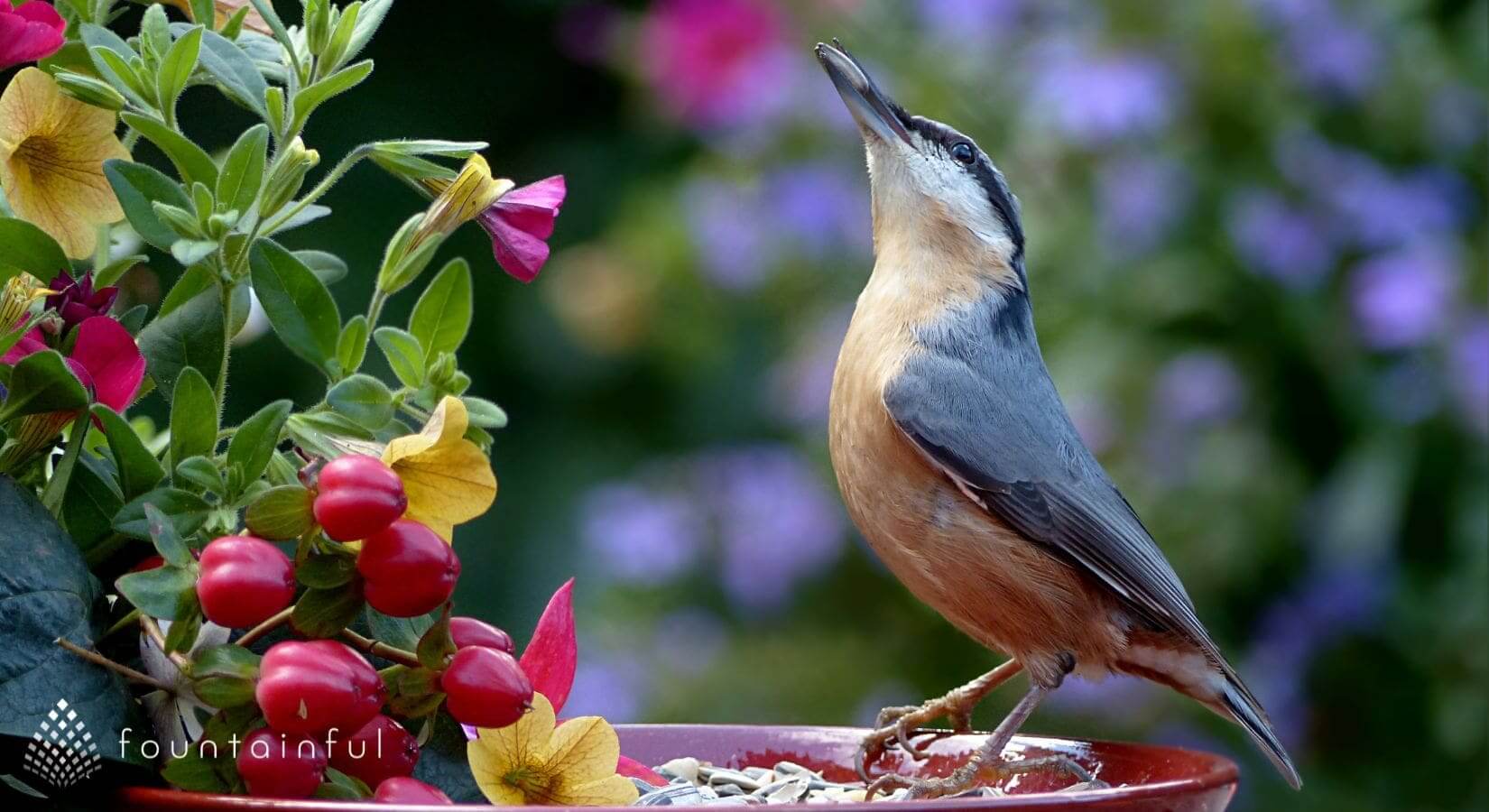
Credit: fountainful.com
How Smart Pets Lover Can Help You with How To Create A Bird Friendly Garden
Bringing It All Together: Learning Through Your Bird Friendly Garden
Creating a bird friendly garden is more than just a beautiful space—it’s a living classroom. As you choose native plants and provide fresh water, you’ll notice how different bird species respond, offering a wonderful chance to observe nature’s rhythms up close. Providing shelter and nesting spots encourages birds to make your garden their home, turning your outdoor space into a hub of life and learning.
At Smart Pets Lover, we understand the joy that comes from watching every chirp and flutter. This journey teaches patience, respect for wildlife, and the importance of avoiding harmful chemicals to keep your feathered friends safe. Each step you take not only supports local ecosystems but also deepens your connection with nature.
- Keep a journal of bird visitors and their habits.
- Experiment with different native plant combinations to see what attracts the most birds.
- Try maintaining a clean water source year-round for continuous learning.
If you ever want to share your experiences or seek advice, Smart Pets Lover is here—where every chirp tells a story worth hearing.
For more tips, feel free to reach out at [email protected].
Frequently Asked Questions
How Do I Attract Birds To My Garden Naturally?
Plant native flowers and shrubs that provide food and shelter. Offer fresh water sources. Avoid pesticides to keep birds safe and healthy.
What Plants Are Best For A Bird Friendly Garden?
Choose berry-producing bushes, seed-bearing flowers, and nectar-rich plants. Examples include sunflowers, coneflowers, and serviceberry trees, which attract diverse bird species.
How Can I Provide Safe Shelter For Birds?
Incorporate dense shrubs, trees, and birdhouses. Ensure protection from predators and harsh weather to create a safe nesting environment.
What Foods Should I Offer To Attract Garden Birds?
Provide a mix of seeds, suet, and fresh fruits. Use feeders suitable for different bird species to encourage visits year-round.
Conclusion
Creating a bird-friendly garden helps birds find food and shelter. Plant native flowers and trees to attract many bird species. Avoid using chemicals that can harm birds and insects. Provide clean water for drinking and bathing. Keep your garden quiet and safe from predators.
Small changes make a big difference for birds. Enjoy watching colorful birds visit your garden every day. A garden full of birds brings life and joy to your home.