How To Clean A Fish Tank
Keeping your fish tank clean is key to a healthy and happy underwater world. If you want your fish to thrive and your tank to shine, knowing how to clean it properly is a must.
You might think cleaning a fish tank is tough or time-consuming, but with the right steps, it can be simple and even enjoyable. In this guide, you’ll discover easy tips and tricks that make tank cleaning quick and effective. Ready to make your fish tank sparkle and give your fish the best home possible?
Let’s dive in!
Tools Needed
Cleaning a fish tank requires the right tools to keep your aquatic pets safe and healthy. Having these tools ready makes the task easier and more effective. Prepare all items before starting the cleaning process.
Cleaning Supplies
Basic cleaning supplies include a soft sponge or algae scraper. Avoid anything that can scratch the glass or acrylic. A gravel vacuum helps remove debris from the bottom. Use a bucket reserved only for aquarium use. This prevents harmful chemicals from entering the tank.
Water Testing Kits
Water testing kits check the tank’s water quality. They measure pH, ammonia, nitrate, and nitrite levels. Regular testing helps prevent fish stress and illness. Choose a reliable kit with clear instructions. Test water before and after cleaning to track changes.
Replacement Equipment
Keep spare parts like filter media and air stones ready. Replace worn-out items to maintain tank health. New equipment ensures proper filtration and oxygen levels. Store these replacements in a clean, dry place. This helps extend the life of your aquarium gear.

Credit: www.youtube.com
Preparing The Tank
Preparing your fish tank is the first step to a clean and healthy environment. It helps keep fish safe and reduces stress during cleaning. Proper preparation makes the process easier and faster. Follow these simple steps to get started.
Unplugging Equipment
Always unplug all electrical devices before cleaning. This includes heaters, filters, and lights. Unplugging prevents accidents and damage. It also protects you from electric shocks. Safety first—never skip this step.
Removing Fish Safely
Use a small net to gently catch each fish. Place them in a container with some tank water. Keep the container in a quiet, shaded spot. Avoid sudden movements to reduce fish stress. Handle fish with care to keep them safe.
Clearing Decorations
Remove decorations like rocks, plants, and ornaments carefully. Place them in a bucket of tank water. This keeps beneficial bacteria alive. Clean decorations separately with a soft brush. Avoid using soap or chemicals that harm fish.
Cleaning The Tank Walls
Cleaning the tank walls is a key part of fish tank care. Clear walls help you see your fish better. They also keep the tank healthy by removing dirt and algae. Regular cleaning stops algae from building up. This keeps your fish safe and happy.
Algae Removal Techniques
Algae can cover the tank walls quickly. Use a soft algae scraper or magnetic cleaner. These tools gently remove algae without harming the glass. For tough spots, try a sponge designed for aquariums. Avoid household sponges, which may have chemicals. Clean the scraper often to keep it effective. Remove algae weekly to prevent thick layers.
Avoiding Scratches
Scratches can ruin your tank’s look. Use only tools made for aquarium glass or acrylic. Never use metal scrapers or sharp objects. Be gentle when cleaning corners and edges. Cleaners with rough surfaces can cause scratches too. Replace worn cleaning tools to protect the tank walls. Scratch-free walls keep your tank clear and beautiful.
Cleaning The Substrate
Cleaning the substrate is a key step in maintaining a healthy fish tank. The substrate is the material at the bottom, like gravel or sand. It collects waste, leftover food, and other debris. Keeping it clean helps prevent harmful bacteria from growing. It also keeps the water clear and safe for your fish.
Vacuuming Gravel
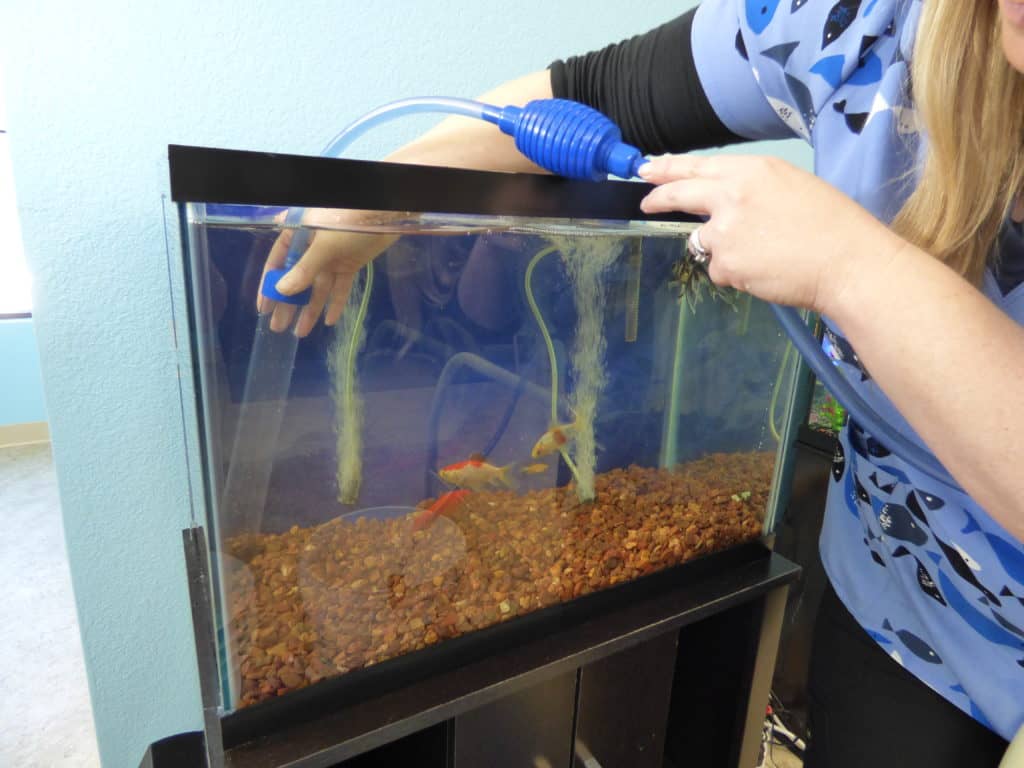
Use a gravel vacuum to clean the substrate effectively. This tool sucks up dirt and debris without removing the gravel. Move the vacuum slowly over the bottom. It will pull waste and uneaten food from between the stones. Do this regularly to keep the tank fresh. Avoid stirring the gravel too much to prevent cloudy water.
Removing Debris
Check the substrate for large pieces of debris. Remove dead plant parts or leftover food by hand. Use a small net or siphon if needed. Clean debris stops it from rotting and polluting the water. Regular removal helps maintain a clean and healthy environment for your fish.
Cleaning Decorations And Plants
Cleaning decorations and plants is key to a healthy fish tank. Dirt and algae build up on them over time. This can make the tank look dirty and harm your fish’s home. Regular cleaning keeps the tank bright and safe. It also helps plants grow well and decorations stay nice.
Safe Cleaning Methods
Remove decorations and plants carefully from the tank. Use a soft brush or sponge to scrub off algae. Clean gently to avoid breaking fragile plants or decorations. Rinse everything with warm water. Avoid using hot water, which can damage plants. Let decorations dry before putting them back. For live plants, avoid drying them out too long. Clean plastic or fake plants the same way.
Avoiding Harmful Chemicals
Never use soap, bleach, or strong cleaners on tank items. These chemicals can harm fish and plants. Even small amounts can stay on decorations and hurt your pets. Use only water or special aquarium-safe cleaners. Vinegar diluted with water can remove tough algae safely. Rinse very well after using vinegar. Always check product labels for fish safety. Keep fish away until decorations are fully clean and safe.
Water Change Process
Changing the water in a fish tank is a key step in keeping fish healthy. Clean water helps fish breathe and stay active. Regular water changes remove waste and harmful chemicals. This process keeps the tank environment fresh and safe.
Water changes do not mean emptying the entire tank. Only part of the water needs to be replaced. This helps keep beneficial bacteria that clean the water naturally. Here is how to do a partial water change safely and correctly.
Partial Water Change Steps
First, gather a clean bucket used only for the fish tank. Avoid using soap or chemicals in this bucket. Turn off any electrical equipment near the tank.
Use a siphon or small hose to remove about 20 to 30 percent of the tank water. Remove water slowly to avoid disturbing the fish. Collect water in the bucket for safe disposal.
After removing the water, clean the tank glass with an algae scraper. Do not use household cleaners inside the tank. Rinse any decorations or gravel with warm water only.
Next, refill the tank with fresh water. Use water that matches the tank’s temperature to avoid shocking the fish. Pour water gently to protect the fish and plants.
Using Conditioners
Tap water contains chlorine and other chemicals harmful to fish. Use a water conditioner before adding new water to the tank. This removes chlorine and neutralizes harmful metals.
Follow the instructions on the conditioner bottle for the right amount. Mix the conditioner with new water in the bucket before pouring it into the tank. This ensures the water is safe for fish immediately.
Regular use of water conditioners helps keep fish healthy. It also prevents stress and illness caused by bad water quality.
Filter Maintenance
Filter maintenance is key to keeping your fish tank clean and healthy. The filter removes waste and harmful chemicals from the water. Regular care helps the filter work well and lasts longer. Neglecting it can harm your fish and cause cloudy water.
Cleaning Filter Media
Filter media traps dirt and debris from the water. Rinse it gently in tank water to keep beneficial bacteria alive. Avoid using tap water, as chlorine can kill good bacteria. Clean the media once a month or when it looks dirty. Replace it only if it falls apart or is very old.
Replacing Filter Components
Parts like sponges, cartridges, and carbon need replacing over time. Follow the manufacturer’s guide for replacement schedules. Swap out old parts to keep the filter running smoothly. Use parts designed for your filter model. This helps maintain water quality and a safe environment for your fish.
Reassembling The Tank
Reassembling the tank is a key step after cleaning. It restores the tank’s environment and keeps fish safe. Take your time and follow each step carefully. This ensures a healthy habitat for your aquatic pets.
Refilling Water
Use clean, treated water to refill the tank. Avoid tap water without conditioning it first. Pour water slowly to avoid disturbing the substrate. Keep the water temperature similar to the tank’s previous level.
Reintroducing Fish
Place fish back gently into the tank. Use a net or cup for safe transfer. Float the fish bag in the tank water for 15 minutes. This helps fish adjust to the new water temperature. Then, release fish slowly to reduce stress.
Checking Equipment Function
Test all equipment after reassembly. Turn on filters, heaters, and lights. Listen for unusual sounds or check for leaks. Ensure heaters maintain the right temperature. Proper equipment function keeps fish healthy and safe.
Tips For Regular Maintenance
Keeping your fish tank clean is key to a healthy home for your fish. Regular care stops problems before they start. Simple steps make a big difference in tank health and fish happiness. Follow these tips for easy, effective maintenance.
Setting Cleaning Schedule
Plan a cleaning routine that fits your tank size and fish number. Small tanks need more frequent care than large ones. A weekly check and partial water change works well for most tanks. Mark days on your calendar to keep the schedule. Consistency helps avoid buildup of waste and algae.
Monitoring Water Quality
Check water quality often to keep fish safe. Use test kits to measure pH, ammonia, nitrite, and nitrate levels. Keep these within safe ranges for your fish type. Change water if levels rise too high. Clear water and healthy plants show good quality. Clean filters regularly to maintain proper water flow.

Credit: www.wikihow.com
Credit: cafishvet.com
How Smart Pets Lover Can Help You with How To Clean A Fish Tank
Turning Fish Tank Cleaning Into a Learning Experience
Cleaning a fish tank isn’t just a chore—it’s a fantastic opportunity to deepen your connection with your aquatic friends. As you prepare the tank and carefully clean the substrate and decorations, take a moment to observe your fish’s behavior and environment. This hands-on experience helps you understand their needs better and spot potential issues early.
Regular filter maintenance and water changes, covered earlier, also serve as practical lessons in biology and water chemistry. Watching how clean water impacts fish health can be truly rewarding. At Smart Pets Lover, we believe every moment spent caring for your pets builds knowledge and empathy, making you a more confident pet parent.
- Note changes in water clarity during cleaning
- Observe how fish react to freshly cleaned surroundings
- Track how often your filter needs attention for optimal performance
If you ever have questions or want to share your experiences, connecting with fellow pet parents or experts can be invaluable. Remember, learning is part of the journey—because every wag, purr, and swim tells a story worth understanding.
Frequently Asked Questions
How Often Should I Clean My Fish Tank?
Clean your fish tank weekly to maintain water quality. Regular cleaning prevents algae buildup and removes waste. Partial water changes and filter checks are essential. This routine keeps your fish healthy and the tank clear.
What Supplies Do I Need To Clean A Fish Tank?
You need a gravel vacuum, algae scraper, bucket, water conditioner, and clean cloth. A sponge and fish net help too. Using the right tools ensures safe and effective cleaning without harming fish.
Can I Use Tap Water For Fish Tank Cleaning?
Yes, but always treat tap water with a water conditioner. This removes chlorine and harmful chemicals. Untreated tap water can harm or kill your fish. Conditioning makes it safe for fish and beneficial bacteria.
Is It Safe To Clean The Fish Tank Filter?
Yes, but clean the filter gently every 3-4 weeks. Use tank water to rinse filter media, preserving beneficial bacteria. Avoid harsh cleaning or soap, which can harm bacteria and fish health. Proper filter care improves tank water quality.
Conclusion
Cleaning a fish tank keeps your fish healthy and happy. Regular cleaning stops dirt and algae buildup. Use gentle tools and safe water to protect your fish. Small, steady steps make the job easier. Watching clear water and active fish feels rewarding.
Keep a cleaning schedule to avoid big messes. Enjoy a fresh, bright aquarium every day. Simple care leads to a beautiful underwater world. Your fish will thank you with lively swimming and bright colors.