How To Build A Fish Tank
Are you ready to create your very own fish tank but don’t know where to start? Building a fish tank might sound tricky, but it’s easier than you think.
Imagine having a beautiful, calm underwater world right in your home, tailored exactly the way you want. This guide will walk you through every step, making sure you avoid common mistakes and set up a safe, healthy home for your fish.
Keep reading, and soon you’ll have a stunning aquarium that brings peace and beauty to your space.
Credit: www.youtube.com
Choosing The Right Tank
Choosing the right fish tank is a key step in building a healthy aquatic environment. The tank sets the foundation for your fish’s home. It must fit your space, your budget, and the type of fish you want. Careful selection helps keep your fish safe and happy.
Understanding the different tank types, sizes, and materials guides you to the perfect choice. Let’s explore these factors to help you pick the best tank for your needs.
Types Of Fish Tanks
There are several fish tank types to choose from. Freshwater tanks are popular and easier to maintain. Saltwater tanks require special care but offer vibrant marine life. Brackish tanks mix fresh and salt water for unique species. Choose a type based on the fish you prefer and your experience level.
Tank Size And Space
Tank size affects how many fish you can keep. Small tanks suit beginners or limited spaces. Larger tanks provide more room and stability for fish health. Measure your available space before buying. Make sure the tank fits well and allows easy access for cleaning and feeding.
Material Options
Fish tanks come in glass and acrylic materials. Glass tanks are scratch-resistant and clear. Acrylic tanks are lighter and less likely to break. Acrylic can bend and scratch more easily. Choose the material based on durability, weight, and budget. Both can create beautiful fish homes.

Credit: www.youtube.com
Selecting Equipment
Selecting the right equipment is key to a healthy fish tank. Each piece plays a vital role in maintaining water quality and comfort. Choose tools that fit your tank size and fish types. Proper equipment helps keep fish safe and happy.
Filters And Pumps
Filters clean the water by removing waste and debris. Pumps move water through the filter and add oxygen. Both keep water fresh and clear. Pick a filter that matches your tank’s size. Quiet pumps create less noise, which fish prefer. Regularly check and clean these parts to avoid clogs.
Lighting Choices
Lighting affects fish behavior and plant growth. Choose lights that suit your tank setup. LED lights are energy-efficient and last long. Some fish need dim light; others need bright light. Set a timer for consistent day and night cycles. Proper lighting helps fish feel secure and healthy.
Heaters And Thermometers
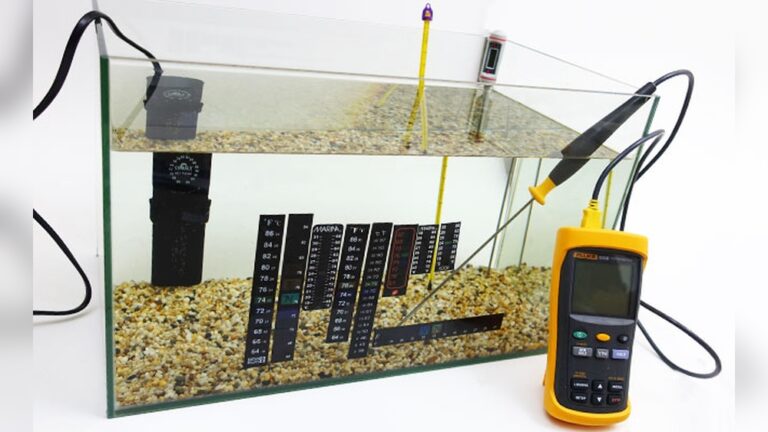
Heaters keep water at a steady temperature. Most tropical fish need warm water between 75-80°F. Thermometers help monitor the temperature accurately. Place the heater and thermometer away from direct water flow. This ensures the reading and heat stay stable. Avoid sudden temperature changes to prevent fish stress.
Setting Up The Tank
Setting up the tank is the first big step in building a fish tank. It creates a safe, clean home for your fish. Proper setup helps keep fish healthy and happy. Follow clear steps to prepare your tank well.
Cleaning The Tank
Start by rinsing the tank with warm water. Avoid soap or chemicals, as these harm fish. Use a soft cloth or sponge to wipe the inside. Remove dust, dirt, and any residues. Clean the outside glass for a clear view.
Adding Substrate
Substrate means the material on the tank bottom. It can be sand, gravel, or special aquarium soil. Rinse the substrate to remove dust and dirt. Spread it evenly, about 1 to 2 inches thick. Substrate helps plants grow and fish explore.
Installing Equipment
Place the filter in the tank corner or back wall. The filter cleans water and keeps it fresh. Install the heater if you have tropical fish. Set it to the right temperature for your fish type. Add an air pump to improve water oxygen. Check that all equipment is secure and works well.
Decorating The Aquarium
Decorating the aquarium is an important step in building a fish tank. It makes the tank look beautiful and creates a natural home for your fish. Careful decoration helps fish feel safe and reduces their stress.
Choosing the right plants and decorations also helps keep the water clean and healthy. It brings life to the tank and adds color and texture. The goal is to balance beauty with comfort for your fish.
Choosing Plants And Decorations
Select plants that grow well underwater and need little light. Plastic or silk plants last long but do not help water quality. Live plants improve oxygen and reduce harmful chemicals.
Pick decorations that have no sharp edges. Smooth stones, driftwood, and caves work well. Avoid painted or treated items that can pollute the water. Natural materials are the safest choice.
Arranging For Aesthetics And Fish Comfort
Place taller plants and decorations near the back and sides. This creates depth and space for swimming in the middle. Leave open areas so fish can swim freely.
Create hiding spots with caves or plants. Fish need places to rest and feel safe. Spread decorations evenly to avoid crowding one side.
Keep the arrangement simple and natural. Avoid too many decorations that block light or restrict movement. Watch how your fish use the space and adjust as needed.
Filling And Cycling The Tank
Filling and cycling the fish tank is a key step in setting up a healthy environment for your fish. It prepares the tank water and builds beneficial bacteria. These bacteria help keep the water clean and safe for your fish. This process takes time and care but is worth the effort.
Adding Water Safely
Start by filling the tank with clean, room-temperature water. Avoid using hot or cold water that can shock the fish. Use a water conditioner to remove chlorine and harmful chemicals from tap water. Pour water slowly to protect the tank glass and decorations. Fill the tank to the recommended level, leaving space for equipment.
Establishing The Nitrogen Cycle
The nitrogen cycle is vital for fish health. It breaks down fish waste into less harmful substances. First, add a source of ammonia, like fish food or pure ammonia. Beneficial bacteria grow and convert ammonia to nitrites. Later, other bacteria change nitrites to nitrates, which are less toxic. This cycling process usually takes 4 to 6 weeks. Patience is important to ensure a safe tank.
Testing Water Parameters
Testing water regularly helps track the nitrogen cycle. Use a water test kit to check ammonia, nitrite, and nitrate levels. Ammonia and nitrites should be zero before adding fish. Nitrate levels should be low but can rise slowly. Also, monitor pH and temperature to match your fish’s needs. Testing keeps the tank environment stable and healthy.
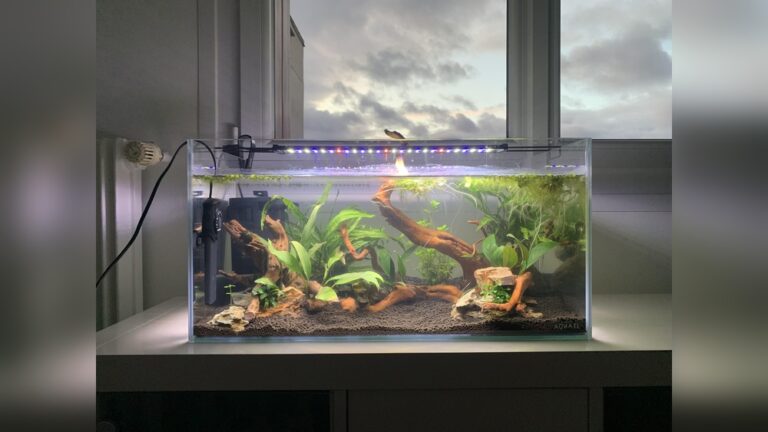
Credit: www.jonolavsakvarium.com
Introducing Fish
Adding fish to your new tank is an exciting step. It brings life and color to your aquarium. Doing it carefully helps fish stay healthy and happy. This part explains how to choose fish, bring them into the tank, and watch their health closely.
Selecting Compatible Species
Choose fish that live well together. Some fish are peaceful, others are aggressive. Mixing these can cause fights and stress. Learn about each fish’s behavior and size before buying. Pick species that share similar water needs. This keeps your tank balanced and safe for all fish.
Acclimating New Fish
New fish need time to adjust to the tank. Sudden changes in water can harm them. Float the sealed bag in the tank water for 15 minutes. Slowly add small amounts of tank water to the bag every 10 minutes. After about an hour, gently release the fish into the tank. This process helps reduce shock and stress.
Monitoring Fish Health
Watch your fish closely after adding them. Look for signs of illness like spots, clamped fins, or unusual swimming. Check water quality regularly to keep it clean. Feed fish the right amount and type of food. Healthy fish are active and eat well. Early care helps prevent disease and keeps your tank lively.
Maintaining Your Aquarium
Maintaining your aquarium keeps fish healthy and water clear. A clean tank reduces disease and stress. Regular care also helps your equipment last longer. Simple steps make a big difference in your tank’s life.
Regular Cleaning Routine
Clean the tank glass weekly to remove algae. Use an aquarium-safe scraper or sponge. Avoid harsh chemicals that harm fish. Remove leftover food and waste from the substrate. Keep decorations clean but gentle to protect beneficial bacteria.
Water Changes
Change 10-20% of the water every week. Use a gravel vacuum to remove debris. Always match new water temperature to the tank. Treat tap water to remove chlorine and harmful chemicals. Regular water changes keep fish safe and water balanced.
Equipment Upkeep
Check filters and pumps weekly to ensure they work well. Clean or replace filter media as needed. Test heaters and lights to keep stable conditions. Remove dust and debris from equipment surfaces. Good equipment care prevents tank problems and fish stress.
How Smart Pets Lover Can Help You with How To Build A Fish Tank
Practical Learning Through Building Your Fish Tank
Embarking on the journey of how to build a fish tank is more than just assembling glass and gravel; it’s an opportunity to deepen your connection with aquatic life. As you carefully choose equipment and set up the tank, you’re not only creating a home but also learning the delicate balance of water chemistry and ecosystem health. Decorating the aquarium offers a creative outlet while considering the needs of your fish, teaching patience and thoughtful planning.
Remember, cycling the tank is a crucial step that requires observation and understanding—skills that grow stronger with hands-on experience. At Smart Pets Lover, we believe these practical moments nurture responsible pet ownership and confidence, making every splash in your aquarium a story worth telling.
- Take notes on equipment performance and maintenance routines.
- Observe fish behavior as you introduce them to their new environment.
- Reach out to communities or experts if questions arise; learning never stops.
For further insights or to share your progress, feel free to connect with fellow enthusiasts—because when it comes to pet care, every wag, purr, and fin flick tells a story.
Frequently Asked Questions
What Materials Do I Need To Build A Fish Tank?
You need glass or acrylic panels, silicone sealant, a frame, and aquarium-safe tools. Optional items include a filter, heater, and decorations.
How Do I Properly Seal A Diy Fish Tank?
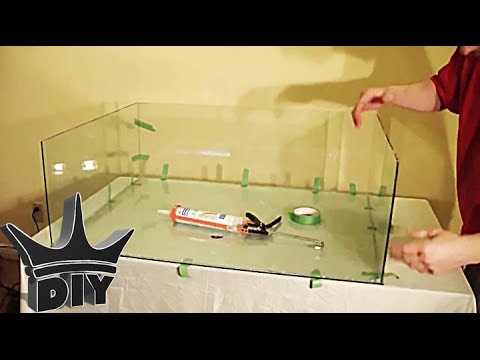
Apply aquarium-safe silicone along all glass joints. Smooth it evenly and allow 24-48 hours to cure before adding water.
What Size Tank Is Best For Beginners?
A 20 to 30-gallon tank is ideal for beginners. It balances ease of maintenance and stable water conditions.
How Do I Set Up Filtration In A Homemade Tank?
Install a filter suited to your tank size. Common types include sponge, canister, or hang-on-back filters.
Conclusion
Building a fish tank is a fun and rewarding project. Start with the right materials and a clear plan. Take your time to set up the tank properly. Choose healthy fish and plants to create a lively environment. Regular care keeps your tank clean and fish happy.
Enjoy watching your underwater world grow each day. Small steps make a big difference in success. Now, you have what you need to begin. Dive in and create your perfect fish tank!