How Much Time Do You Need For Fishkeeping
Have you ever wondered how much time you really need for fishkeeping? Whether you’re thinking about starting a new aquarium or already have one, knowing the right amount of time to dedicate can save you from stress and frustration.
Your fish depend on you for their care, and the time you invest affects their health and happiness. You’ll discover exactly how much time is enough to keep your underwater friends thriving without overwhelming your daily routine. Ready to find the perfect balance?
Keep reading to learn how simple steps can make fishkeeping a rewarding part of your life.
Daily Fishkeeping Tasks
Daily fishkeeping tasks are simple but important. They help keep your fish healthy and happy. Spending a little time every day can prevent many problems. These tasks include feeding, watching the fish, and cleaning small messes in the tank. Each step takes only a few minutes but makes a big difference.
Feeding Routine
Feed your fish once or twice a day. Give only what they can eat in a few minutes. Overfeeding can cause water problems. Use a small amount of food to keep the tank clean. Watch how your fish eat to know if they are healthy.
Tank Observation
Look at your fish and tank every day. Check if the fish swim well and look active. Notice any signs of illness or stress. Also, see if the water looks clear and clean. Spotting problems early helps you fix them fast.
Cleaning Minor Debris
Remove leftover food and small waste daily. Use a small net or siphon to clean debris. This keeps the water fresh and safe. Small cleaning stops bigger issues with water quality. It only takes a few minutes and helps fish stay healthy.
Weekly Maintenance
Weekly maintenance is key to keeping your fish healthy and happy. It helps keep the water clean and safe. Spending a little time every week prevents big problems later. This routine also keeps your tank looking nice and fresh. Set aside about 30 to 60 minutes each week for these tasks.
Water Quality Testing
Testing water quality is essential. Check parameters like pH, ammonia, nitrite, and nitrate levels. Use simple test kits available at pet stores. Testing takes only a few minutes but gives important information. This helps you know if the water is safe for your fish.
Partial Water Changes
Change about 10-20% of the water weekly. This removes waste and toxins that build up. Use a siphon to clean the gravel and remove debris. Replace the water with fresh, dechlorinated water. This keeps the environment clean and fish healthy.
Filter Cleaning
Clean the filter every week to keep it working well. Rinse filter media in old tank water, not tap water. This keeps good bacteria alive. Avoid cleaning all parts at once to protect beneficial bacteria. A clean filter helps remove dirt and keeps water clear.
Monthly Care
Monthly care is important for a healthy fish tank. It keeps the water clean and the fish happy. Spending time each month helps prevent problems. This care takes a little more effort than daily tasks. It includes deeper cleaning, checking equipment, and caring for plants and decorations.
Deep Tank Cleaning
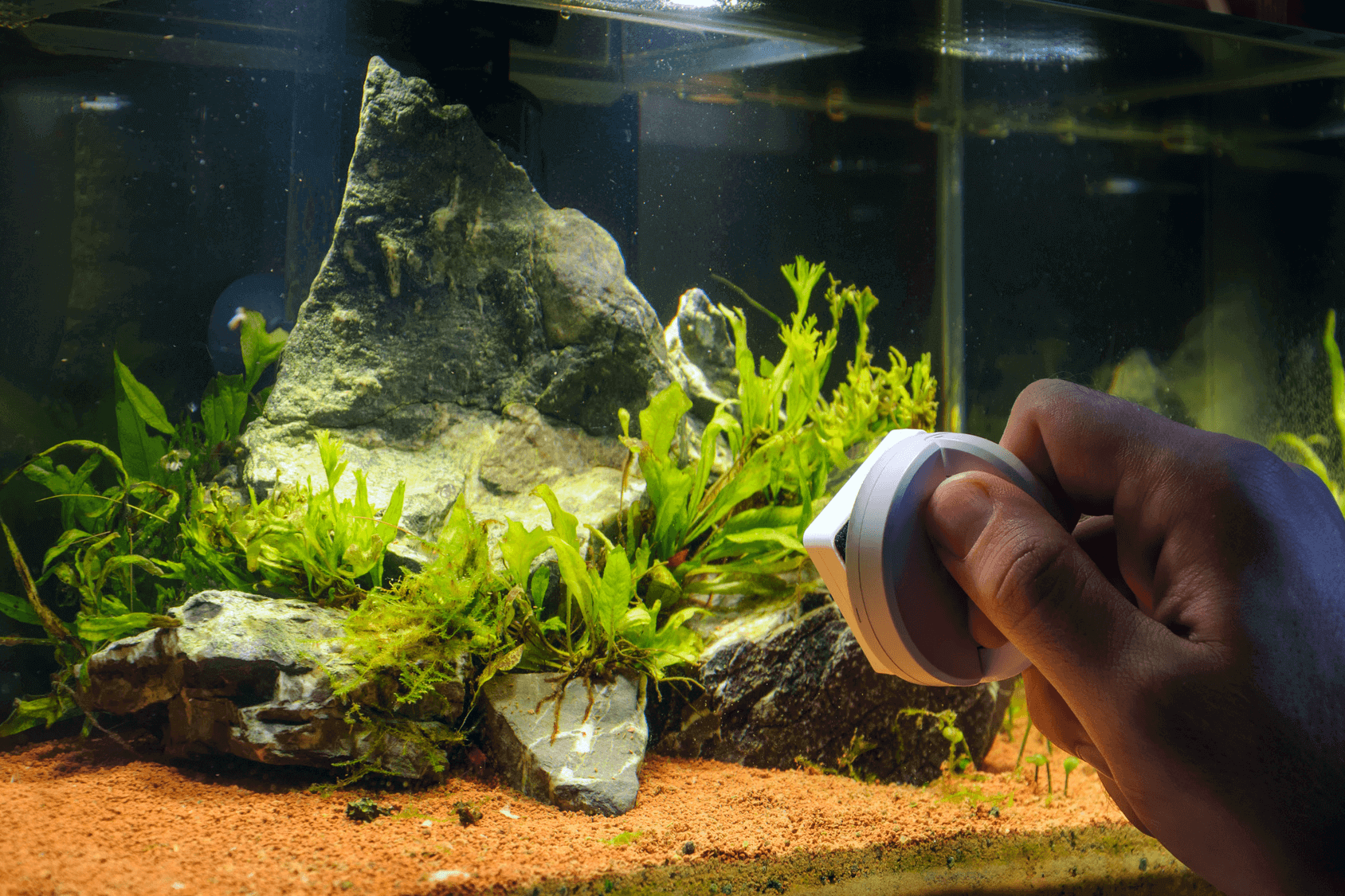
Deep cleaning removes dirt and waste from the tank. Use a gravel vacuum to clean the substrate. Clean the glass walls to remove algae. Avoid cleaning all parts at once to keep beneficial bacteria safe. This process refreshes the tank environment.
Equipment Check
Check filters, heaters, and lights every month. Make sure they work well and are clean. Replace worn-out parts to avoid breakdowns. Clean filter sponges or cartridges gently. Proper equipment keeps the tank stable and safe.
Plant And Decoration Maintenance
Trim dead leaves from live plants. Remove algae from decorations carefully. Rearrange or clean decorations to avoid buildup. Healthy plants and clean decorations improve water quality. They also make the tank look nice and natural.
Credit: injaf.org
Initial Setup Time
Starting a fish tank takes time and effort. The initial setup phase is key. It sets the stage for a healthy aquarium. Understanding how much time this needs helps you plan better.
Many new fishkeepers underestimate this step. Proper setup avoids problems later. It ensures your fish live happily and healthily.
Tank Installation
Setting up the tank means choosing the right size and place. Clean the tank well before adding water. Install the filter, heater, and lighting carefully. Arrange gravel and decorations. This step takes about 2 to 4 hours.
Cycle Period
Cycling the tank is crucial. It builds good bacteria in the water. These bacteria break down harmful waste. This process usually takes 4 to 6 weeks. Patience is needed here. Rushing can harm your fish later.
Selecting Fish And Plants
Choose fish and plants suited to your tank size. Research their needs and compatibility. This step may take a few days. Picking healthy fish and plants helps avoid diseases. Plan carefully before adding them to the tank.
Time Commitment By Aquarium Size
Time needed for fishkeeping changes with aquarium size. Small tanks need less care, while large tanks require more effort. Understanding this helps plan your daily routine. It also ensures your fish stay healthy and happy.
Small Tanks
Small tanks usually hold under 10 gallons of water. They need about 15 to 30 minutes of care each day. Tasks include feeding fish and checking water quality. Weekly water changes and cleaning are important too. Small tanks can be easier for beginners.
Medium Tanks
Medium tanks hold between 10 and 50 gallons. They demand about 30 to 60 minutes daily. Feeding and monitoring fish health takes time. Cleaning filters and plants need extra attention. Water changes should happen once or twice a week. Medium tanks offer more space for fish variety.
Large Tanks
Large tanks hold over 50 gallons of water. They require 1 to 2 hours of care daily. Feeding many fish takes longer. Cleaning filters and removing algae are bigger jobs. Frequent water testing and changes keep fish safe. Large tanks provide a stable environment but need more work.

Credit: pixels.com
Balancing Fishkeeping With A Busy Schedule
Finding time for fishkeeping can be tough with a busy life. Work, family, and other duties fill your day. Yet, caring for fish is possible without stress. Small changes help you enjoy your hobby and manage your time well.
Automated Feeders
Automated feeders give fish food on a set schedule. This saves time and stops overfeeding. You don’t need to feed fish every day. Set the feeder and forget it for days. Perfect for busy people or those who travel.
Low-maintenance Fish
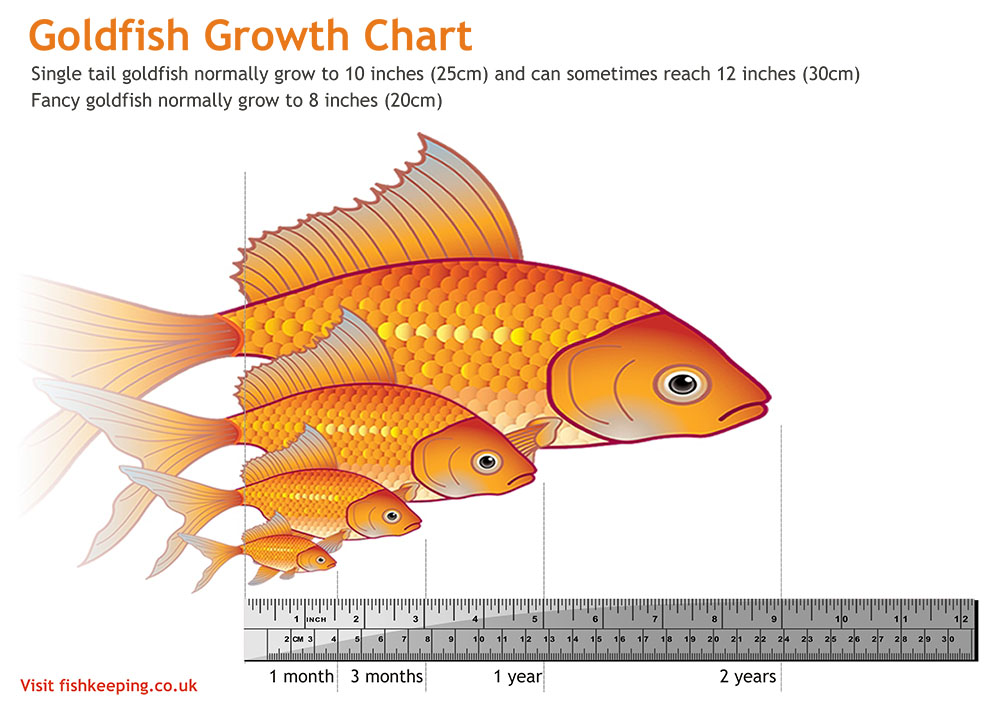
Some fish need less care and cleaning. Choose species that tolerate simple tank conditions. Fish like bettas, guppies, or goldfish are easy to keep. They live well in smaller tanks too. Less time cleaning means more time enjoying your fish.
Efficient Cleaning Tips
Cleaning the tank does not take hours. Use tools like gravel vacuums to clean fast. Change part of the water weekly, not all at once. Keep decorations and filters clean to prevent problems. A quick routine keeps fish healthy and your schedule free.
Signs You’re Spending Enough Time
Spending the right amount of time on fishkeeping shows in clear signs. These signs help you know if your fish and tank are doing well. Watching your tank daily can tell you a lot about your care routine.
Healthy Fish Behavior
Fish that swim actively and eat well show good health. They should respond to your presence without fear. Resting calmly or hiding sometimes is normal. Sudden changes in movement or appetite need attention.
Clear Water
Clear water means your tank is clean and balanced. Cloudy or smelly water signals a problem. Regular water changes and cleaning keep the tank clear. Check filters and remove leftover food to maintain clarity.
Stable Environment
Stable water temperature and pH levels keep fish safe. Frequent changes stress fish and cause illness. Use a thermometer and test kit to monitor conditions. A stable environment shows you spend enough time caring.
Credit: www.fishkeepingworld.com
How Smart Pets Lover Can Help You with How Much Time Do You Need For Fishkeeping
Practical Learning: Making Time for Fishkeeping
Understanding how much time fishkeeping requires is just the beginning. The real magic happens when you translate that knowledge into practical learning opportunities. For example, daily fishkeeping tasks like feeding and observation not only keep your aquatic friends healthy but also sharpen your attention to their behavior and environment. Weekly maintenance, such as water changes and filter checks, teaches you about ecosystem balance and water chemistry—skills that grow with experience.
Balancing fishkeeping with a busy schedule can feel tricky, but it’s a rewarding challenge. Starting with a smaller aquarium allows you to build confidence without overwhelming your time. As you become familiar with monthly care routines, you’ll recognize the signs you’re spending enough time—and when to adjust your efforts. At Smart Pets Lover, we believe every moment spent nurturing your fish deepens your connection and enriches your pet parenting journey.
If you want to dive deeper or need personalized advice, reaching out to local aquarium clubs or online forums can be invaluable resources. Remember, fishkeeping is a learning process that grows alongside your love and commitment.
Frequently Asked Questions
How Much Daily Time Is Needed For Fishkeeping?
Daily fishkeeping tasks take about 10 to 15 minutes. This includes feeding, checking water conditions, and observing fish health. Consistency ensures a healthy environment and happy fish.
How Often Should Fish Tanks Be Cleaned?
Partial water changes and tank cleaning should be done weekly or biweekly. This helps maintain water quality and prevents harmful build-ups that affect fish health.
How Long Does It Take To Set Up A Fish Tank?
Setting up a fish tank usually takes 1 to 2 hours. This includes assembling equipment, adding substrate, filling with water, and cycling the tank before adding fish.
How Much Time Is Required For Fish Tank Maintenance?
Maintenance tasks like water testing and filter cleaning need 30 to 60 minutes weekly. Regular upkeep extends your fish’s lifespan and keeps the tank environment stable.
Conclusion
Fishkeeping needs daily care and attention. Feeding fish takes just a few minutes each day. Cleaning the tank and checking water quality requires more time weekly. Beginners should start with simple setups to save time. Over time, routines become easier and faster.
The joy of watching fish swim makes time spent worthwhile. Remember, fish need care to stay healthy and happy. Plan your schedule to include regular maintenance. Fishkeeping fits well into busy lives with good planning. Enjoy the calm and beauty fish bring to your home.