How Long Do Groundhogs Live: Surprising Facts Revealed
Have you ever wondered how long groundhogs live? If you’ve spotted one in your backyard or heard about their famous weather predictions, you might be curious about their lifespan.
Understanding how long these furry creatures stick around can help you appreciate them even more. You’ll discover surprising facts about groundhog lifespans and what affects how long they live. Keep reading—you’ll be amazed at what you learn!
Groundhog Lifespan
Groundhogs are interesting animals with a clear lifespan pattern. Knowing how long they live helps us understand their behavior and role in nature. Their lifespan can differ widely depending on their environment.
Many factors affect how long a groundhog lives. Let’s explore their average life in the wild, how long they live in captivity, and what influences their longevity.
Average Lifespan In The Wild
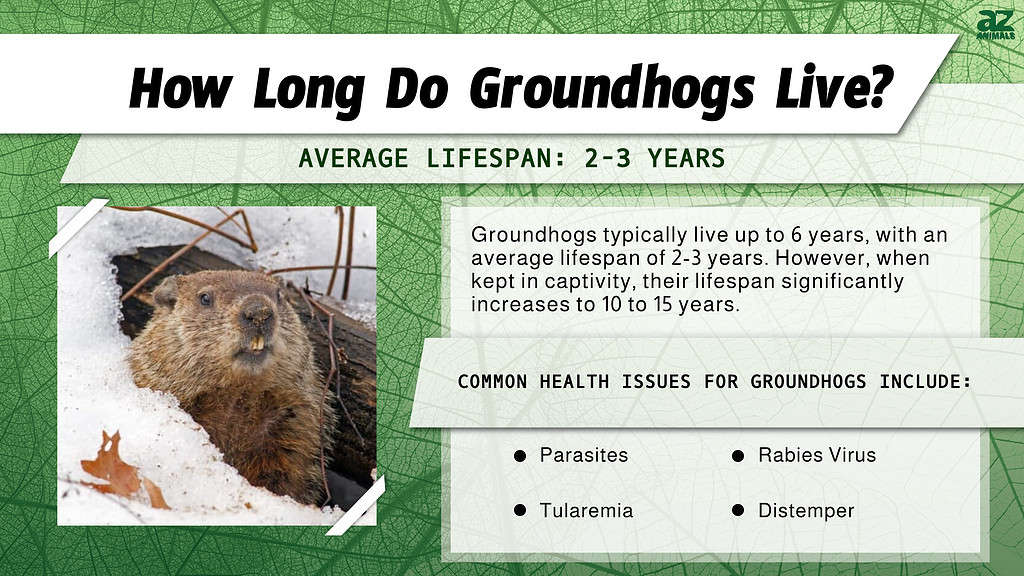
Groundhogs usually live about 3 to 6 years in the wild. Predators, diseases, and harsh weather shorten their lives. Many young groundhogs do not survive their first year. Those who do can live longer if they avoid danger.
Lifespan In Captivity
In captivity, groundhogs can live up to 10 years. They get regular food, shelter, and medical care. These conditions protect them from predators and illness. Captivity gives them a safer and longer life.
Factors Influencing Longevity
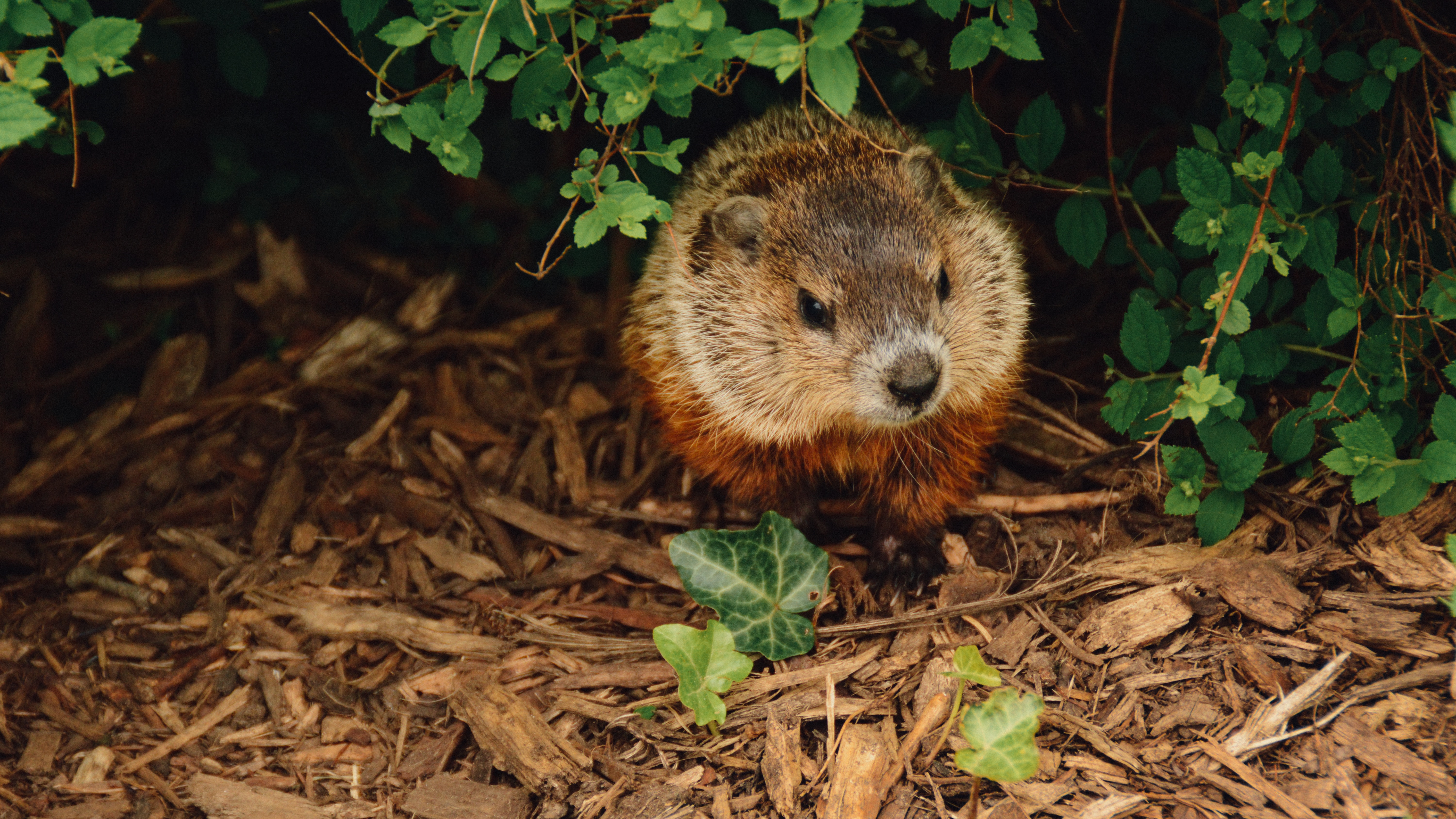
Several factors impact groundhog lifespan. Food availability affects their health and strength. Predators like foxes and hawks cause many deaths. Disease and parasites also reduce their lifespan. Weather extremes, like cold winters, add stress. Groundhogs that avoid threats tend to live longer.
Credit: www.pbs.org
Life Stages Of Groundhogs
Groundhogs go through several life stages, each with unique changes and challenges. Understanding these stages helps us learn about their growth and survival. Their life spans from a small juvenile to an older adult.
Juvenile Phase
Groundhogs begin life as tiny pups. They stay in the burrow for weeks after birth. During this time, they grow fast and learn basic skills. They depend on their mother for food and protection. As juveniles, they start exploring outside the burrow. This phase lasts a few months.
Adult Years
Once mature, groundhogs become independent. Adults dig large burrows and find food on their own. They eat plants, fruits, and vegetables. This phase lasts several years. Adults mate and raise new pups. They face predators and harsh weather during this time.
Aging Process
Older groundhogs show slower movement and less activity. Their fur may thin, and they sleep more. Aging makes it harder to find food and avoid danger. Most groundhogs live around 3 to 6 years in the wild. Some may live longer in safe environments.
Survival Challenges
Groundhogs face many challenges that affect how long they live. Their survival depends on avoiding dangers and finding a safe place to live. Understanding these challenges helps explain why some groundhogs live longer than others.
Predators And Threats
Groundhogs must stay alert to avoid predators. Foxes, coyotes, and hawks often hunt them. These animals can catch groundhogs, especially young or sick ones. Groundhogs use burrows to hide and protect themselves. Still, predators remain a constant danger.
Habitat And Environment
Groundhogs need safe and suitable habitats to survive. They live in fields, forests, and near farms. Changes in the environment can harm their homes. Floods or harsh winters can force groundhogs to move. Loss of habitat reduces their chances of survival.
Human Impact
Humans affect groundhogs in many ways. Roads and buildings destroy their natural homes. Some people see groundhogs as pests and try to remove them. Hunting and trapping also reduce their numbers. Pollution and pesticides can harm their health and food sources.
Credit: a-z-animals.com
Groundhog Behavior And Longevity
Groundhogs show unique behaviors that affect how long they live. Their habits, diet, and social life all play roles in their lifespan. Understanding these factors helps explain why some groundhogs live longer than others.
Hibernation Effects
Groundhogs hibernate during cold months to save energy. They slow down their heart rate and breathing. This rest helps them survive when food is scarce. Hibernation reduces wear on their bodies. It can also extend their life by conserving resources.
Diet And Health
Groundhogs eat mostly plants, including leaves and fruits. A healthy diet keeps them strong and active. Poor food can cause illness and shorten life. They need clean water and fresh plants to stay healthy. Eating well helps groundhogs avoid disease and live longer.
Social Interactions
Groundhogs are mostly solitary animals. They meet mainly during mating season. Fighting over territory can cause injuries. These fights sometimes reduce their lifespan. Calm and safe environments help groundhogs live longer. Social stress can affect their health and survival.
Interesting Groundhog Facts
Groundhogs are fascinating creatures with many unique traits. They are not just known for predicting the weather. Their lives and habits hold many interesting facts. Understanding these facts helps us appreciate groundhogs more.
Record Lifespans
Groundhogs usually live 3 to 6 years in the wild. Some have lived up to 14 years in captivity. Their lifespan depends on predators and environment. Safe habitats help them live longer.
Unique Adaptations
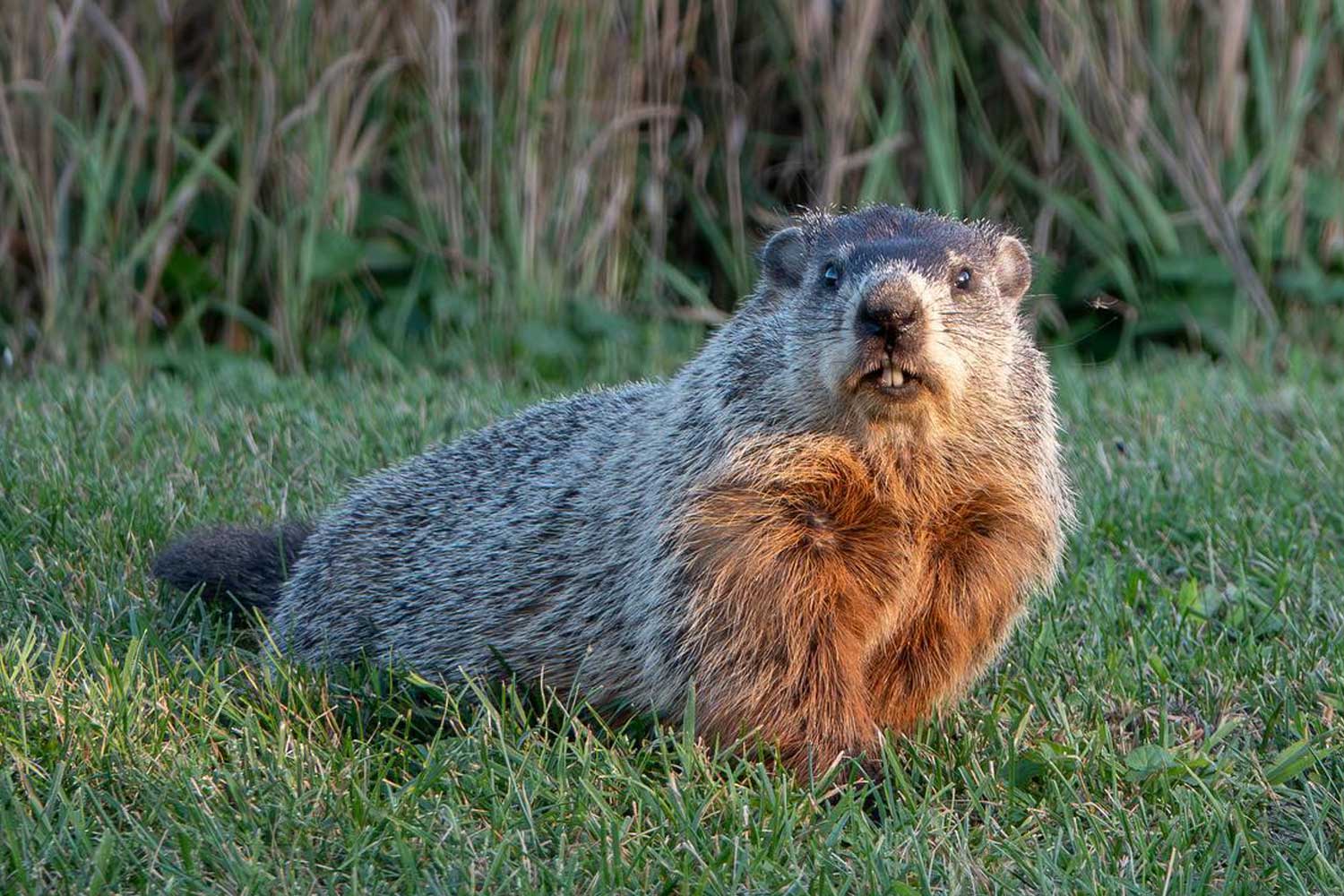
Groundhogs are great diggers. Their strong claws help them build tunnels. They also hibernate during winter. Hibernation saves energy when food is scarce. Their fur changes with seasons for better warmth.
Role In Ecosystem
Groundhogs help soil by digging burrows. Their tunnels improve soil aeration and water flow. Many animals use abandoned burrows for shelter. They also serve as prey for foxes and hawks.
Credit: www.reconnectwithnature.org
How Smart Pets Lover Can Help You with How Long Do Groundhogs Live
Practical Learning from Groundhog Lifespan and Behavior
Understanding how long groundhogs live opens a window into their fascinating life stages and the survival challenges they face. For animal lovers curious about wildlife or pet parents keen to deepen their connection with nature, observing these creatures offers practical lessons in resilience and adaptation.
Groundhogs’ behavior, such as their hibernation patterns and burrowing habits, teaches us about natural rhythms and environmental interactions—insights that can inspire more mindful care for our pets. At Smart Pets Lover, we believe every animal’s story enriches our understanding of life, echoing our mission to help pet parents feel confident and connected.
- Observe how groundhogs prepare for winter to appreciate the importance of seasonal care in pets.
- Note their social behaviors as a reminder of the value of companionship and enrichment.
- Reflect on their lifespan to better grasp the stages of aging in your own pets.
For further reading or questions about animal behavior and care, reaching out to local wildlife centers or veterinarians can be a great resource. Remember, every wag, purr, and chirp tells a story—groundhogs included.
Frequently Asked Questions
How Long Do Groundhogs Typically Live In The Wild?
Groundhogs usually live 3 to 6 years in the wild. Predation and environmental factors often limit their lifespan. In safe conditions, some can live up to 8 years. Their average life expectancy is shorter compared to captive groundhogs.
What Is The Lifespan Of A Groundhog In Captivity?
Groundhogs can live up to 10 years in captivity. They receive regular food, medical care, and protection from predators. This controlled environment extends their lifespan significantly compared to wild groundhogs.
Do Groundhogs Hibernate To Survive Winter?
Yes, groundhogs hibernate during winter months. They enter a deep sleep to conserve energy when food is scarce. Hibernation helps them survive cold temperatures and harsh conditions, contributing to their overall life cycle.
What Factors Affect Groundhog Lifespan In Nature?
Predators, disease, habitat loss, and food availability affect groundhog lifespan. Harsh weather and human activities also play a role. These challenges make their average wild lifespan relatively short.
Conclusion
Groundhogs usually live about 3 to 6 years in the wild. Some can live longer in safe places. Many face dangers like predators and harsh weather. Their lifespan depends on food and shelter too. Understanding how long groundhogs live helps us appreciate nature.
These animals play a role in their ecosystem every day. Watching them shows us the balance of life outside. Groundhogs remind us that every creature has its time.