How Do Molly Fish Mate
Have you ever wondered how your Molly fish find a mate and start a family? Understanding their mating behavior can help you create the perfect environment for them to thrive.
Whether you’re a new fishkeeper or looking to improve your aquarium skills, knowing how Molly fish mate will give you the edge in caring for these lively creatures. Keep reading to discover the fascinating steps Molly fish take to reproduce and how you can support their natural habits in your own tank.

Credit: www.reddit.com
Molly Fish Basics
Molly fish are small freshwater fish popular in home aquariums. They are peaceful and easy to care for. Understanding their basics helps in learning how they mate.
Knowing their physical traits and habitat preferences gives insight into their behavior and needs. This knowledge supports a healthy environment for breeding.
Physical Traits
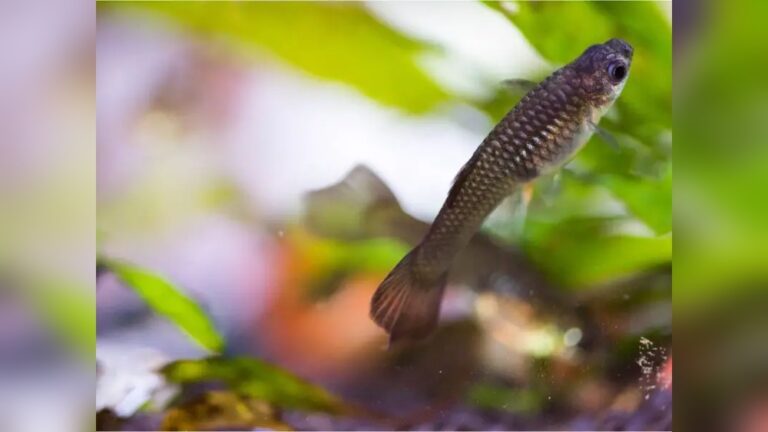
Molly fish have a smooth, slender body with a rounded tail fin. Their colors range from silver to black, and some have spots or patterns. Males are smaller and slimmer than females. Males have a gonopodium, a fin used to fertilize eggs. Females are larger with a rounder belly. These traits help identify males and females for breeding.
Habitat Preferences
Molly fish prefer warm water between 72 and 78 degrees Fahrenheit. They thrive in slightly brackish water with a bit of salt. They like a tank with plants and hiding places. Clean water and good filtration keep them healthy. Proper habitat encourages natural mating behavior and successful breeding.

Credit: www.wikihow.com
Mating Behavior
Mating behavior in molly fish is a fascinating process. It involves several steps where males and females interact closely. Understanding their behavior helps hobbyists create the right environment for breeding. Molly fish use visual and physical cues to attract mates. The males show their best colors and swim patterns to impress females. This section explains the key behaviors molly fish exhibit during mating.
Courtship Rituals
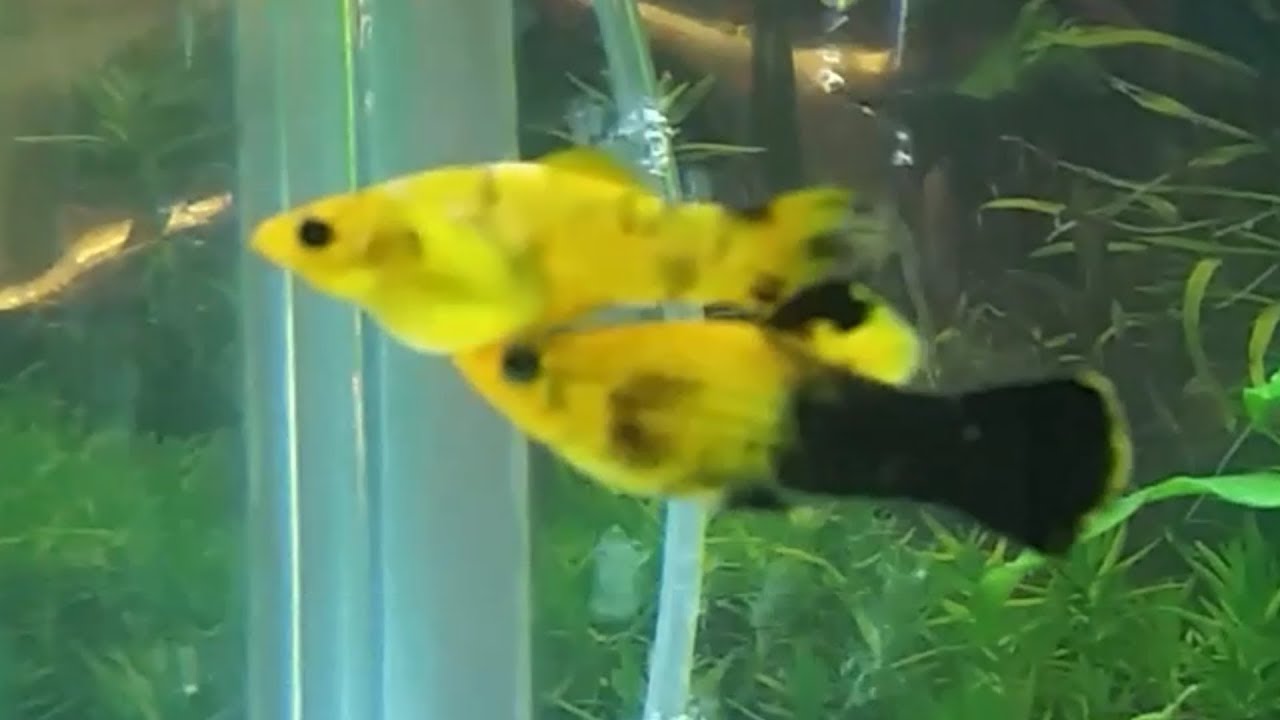
Male molly fish start by showing bright colors. They swim around the female in a gentle, looping motion. This movement signals interest and fitness. The male flares his fins to appear larger and more attractive. Sometimes, he chases the female softly to get her attention. The female watches carefully before responding. If she is interested, she allows the male to come closer. This slow, careful dance is the heart of their courtship rituals.
Male Competition
Male molly fish compete to win female attention. They may display aggressive behavior toward other males. This includes chasing or nipping at rivals. The strongest and most colorful males usually win. This competition ensures only the best genes pass on. Rival males try to outswim and outshine each other. Sometimes, multiple males court the same female. The female then chooses the most impressive mate. This rivalry is a natural part of molly fish mating behavior.
Reproductive Process
The reproductive process of molly fish is fascinating and unique. These small fish have special ways to mate and produce offspring. Understanding this process helps fish lovers care for them better. It starts with specific behaviors and ends with the birth of baby fish.
Internal Fertilization
Molly fish use internal fertilization to reproduce. The male fish has a modified fin called a gonopodium. This fin transfers sperm directly into the female’s body. The female stores the sperm until she is ready to fertilize her eggs. This process protects the eggs and increases chances of survival.
Gestation Period
The gestation period is the time the female carries the fertilized eggs. It usually lasts about 21 to 28 days. During this time, the female’s body develops the baby fish inside her. She gives birth to live, free-swimming fry. This live birth helps baby fish avoid many dangers early on.
Birthing And Care
Molly fish have a unique way of giving birth and caring for their young. Understanding this process helps hobbyists provide the best care. The birthing and care stage is crucial for the survival of baby mollies, also called fry.
Female mollies carry their babies inside until they are ready to be born. The fry are fully formed and swim immediately after birth. This live birth method protects the fry during their early development.
Live Births
Molly fish do not lay eggs. Instead, they give birth to live, free-swimming fry. This process usually takes place after a pregnancy of about 4 to 6 weeks. The mother releases small, active fry one by one. Each fry is tiny but can swim and find food right away.
Live births reduce the risk of eggs being eaten by other fish. The fry stay safe inside the mother until they are strong enough to survive outside. This strategy improves the chances of fry survival in the wild and in aquariums.
Protecting Fry
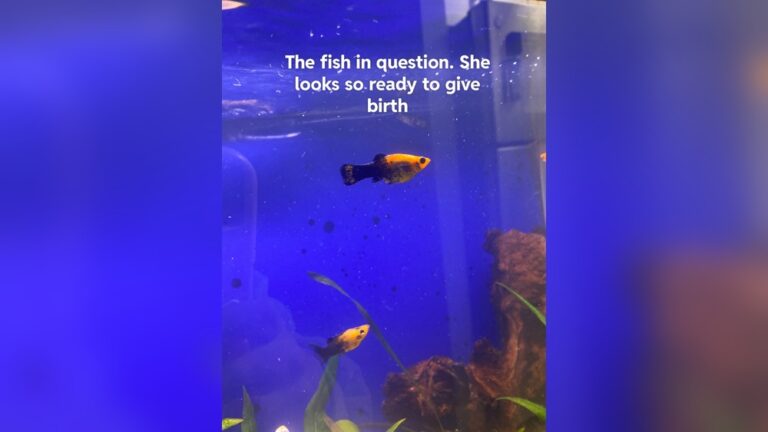
Baby mollies are very small and vulnerable. They can be eaten by adult fish, including their parents. Many fishkeepers use separate tanks or breeding boxes to protect the fry. Hiding spots like plants also help keep fry safe.
Providing plenty of food like baby brine shrimp helps fry grow quickly. Healthy fry have a better chance of surviving. Changing water regularly keeps the environment clean and safe for young mollies.
Factors Affecting Mating
Molly fish mating depends on several important factors. These factors help create the right environment for mating to happen. Understanding these can improve the chances of successful breeding.
Healthy conditions make molly fish active and ready to mate. Poor conditions can stop mating or cause stress. Two key factors are water conditions and diet influence.
Water Conditions
Clean water is vital for molly fish to mate. Water temperature should be between 75°F and 82°F. This range encourages activity and courtship behaviors.
The water pH level needs to be slightly alkaline, around 7.5 to 8.5. Hard water with minerals helps molly fish stay healthy. Regular water changes keep the tank fresh and safe.
Low oxygen or dirty water makes fish weak. Weak fish are less likely to mate or produce healthy babies.
Diet Influence
A balanced diet boosts molly fish energy and health. High-quality flakes, live food, and vegetables provide needed nutrients. Protein-rich foods help males develop brighter colors.
Strong colors attract females and increase mating chances. Well-fed females produce more eggs and have better health. Poor diet can cause weak fish and low fertility.
Feeding small meals twice a day keeps molly fish active. Overfeeding can pollute water and harm fish health.
Credit: www.youtube.com
Breeding Tips For Hobbyists
Breeding Molly fish can be very rewarding for hobbyists. These livebearers are easy to care for and breed. Understanding the right conditions helps increase the chances of successful mating. This section offers practical tips for setting up the tank and encouraging Molly fish to mate.
Setting Up The Tank
Choose a tank of at least 20 gallons for breeding. Molly fish need space to swim freely. Use a sponge filter to keep the water clean without strong currents. Maintain water temperature between 75°F and 80°F. Keep pH levels around 7.5 to 8.0 for best results. Add plenty of live plants or hiding spots. These provide shelter for fry and reduce stress. Avoid placing aggressive fish with Mollies during breeding.
Encouraging Successful Mating
Feed Mollies a varied diet with high-quality flakes and live foods. This boosts their health and readiness to breed. Introduce more females than males to reduce stress. Males can be persistent and aggressive in small groups. Observe their behavior and separate if needed. Keep lighting on a 12-hour cycle to mimic natural conditions. Regular water changes help maintain ideal water quality. Watch for signs of pregnancy like a rounded belly in females. Provide a breeding box or dense plants for fry to hide after birth.
How Smart Pets Lover Can Help You with How Do Molly Fish Mate
Bringing Mating Insights into Your Molly Fish Care Routine
Understanding how Molly fish mate opens up valuable practical learning opportunities for any devoted pet parent. By grasping their natural mating behavior and reproductive process, you can create an environment that supports healthy breeding and nurtures the delicate birthing and care stages. For example, recognizing the signs of readiness helps you prepare a calm, well-planted tank that mimics their ideal habitat, reducing stress and encouraging natural interactions.
As a community passionate about connecting with our aquatic friends, Smart Pets Lover encourages you to observe these behaviors closely, offering a window into the fascinating world of Molly fish reproduction. This not only enriches your knowledge but also deepens the emotional bond you share with your fish. Should you have questions or need guidance tailored to your setup, reaching out to experienced aquarists or local pet care experts can be a helpful step toward confident, responsible fishkeeping.
Remember, every moment you spend learning about your Molly fish’s life story contributes to a thriving, joyful aquarium—where every fin flicker tells a tale worth cherishing.
Frequently Asked Questions
How Do Molly Fish Reproduce In Captivity?
Molly fish reproduce through internal fertilization. The male uses a gonopodium to transfer sperm to the female. Females give birth to live young after about 4-6 weeks. Proper tank conditions enhance successful mating in captivity.
What Is The Mating Behavior Of Molly Fish?
Male molly fish display vibrant colors and chase females during mating. They perform courtship dances to attract females. Mating involves the male inserting his gonopodium to fertilize the female internally.
How Many Fry Do Molly Fish Produce Per Birth?
A female molly fish can give birth to 20-100 fry at once. The number depends on her age, size, and health. Fry are born fully formed and can swim immediately.
How Often Do Molly Fish Mate And Give Birth?
Molly fish can mate and give birth every 4 to 6 weeks. Females store sperm and can produce multiple broods from one mating. Frequent births require good nutrition and tank maintenance.
Conclusion
Molly fish mate through simple but interesting steps. Males show bright colors to attract females. After mating, females carry babies inside their bodies. These live-bearing fish give birth to free-swimming young. Caring for molly fish means understanding their mating habits well.
Watching their behavior can be fun and educational. This knowledge helps keep molly fish healthy and happy. It also supports successful breeding at home or in aquariums. Molly fish mating is a natural and fascinating process to observe.