How Do Guppies Mate
Are you curious about how guppies mate and bring new life into your aquarium? Understanding their mating process can help you create the perfect environment for these colorful fish to thrive.
Whether you’re a beginner or have some experience, knowing the secrets behind guppy reproduction will make your fish-keeping journey more rewarding. Keep reading, and you’ll discover simple tips and fascinating facts that will change the way you care for your guppies forever.
Credit: www.eurekalert.org
Guppy Mating Behavior
Guppy mating behavior is fascinating and full of action. Male guppies use bright colors and special moves to attract females. Their behavior shows how nature uses beauty and skill to continue life.
Understanding these behaviors helps fish lovers create better environments for guppies. It also gives a glimpse into the natural world of small fish.
Courtship Displays
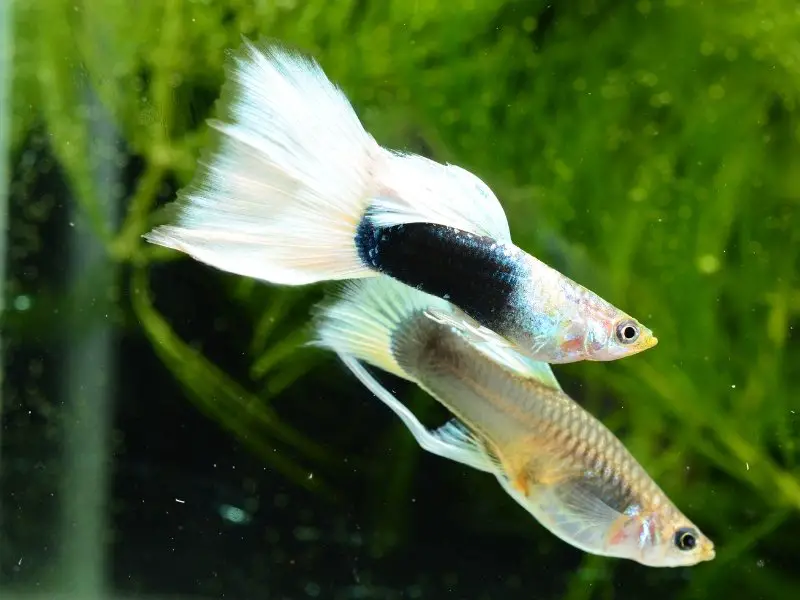
Male guppies show off their colors to catch a female’s eye. They spread their fins wide and swim in quick circles. This dance is a way to say, “Look at me.”
Females watch carefully. They pick the brightest and most active males. This choice helps them find strong mates for healthy babies.
Male Competition
Male guppies often compete for the attention of females. They chase each other and try to outshine rivals. Sometimes, fights happen, but mostly it is a show of strength.
Stronger males win more chances to mate. This competition keeps the guppy population lively and full of variety.
Mating Process
The mating process of guppies is a fascinating behavior that helps them reproduce successfully. It involves a series of steps that start with the male attracting the female. Understanding these steps gives insight into how guppies continue their species in the wild and in aquariums.
Approach And Interaction
The male guppy first spots a female he likes. He swims close to her and begins to show off his bright colors. This display is meant to catch the female’s attention. The male may swim in circles or flick his tail to attract her.
The female watches the male carefully. If she is interested, she will stay near him. Sometimes, she may even swim alongside him. This stage is important for building trust between the two fish.
Copulation Method
Once the female is ready, the male moves closer for copulation. He uses a special fin called the gonopodium. This fin acts like a tube to transfer sperm to the female.
The male quickly inserts the gonopodium near the female’s vent. The sperm then fertilize the eggs inside her body. This method does not involve laying eggs outside the body.
This internal fertilization helps protect the eggs. It increases the chances of survival for the baby guppies. After mating, the female will carry the eggs until they hatch.
Reproductive Anatomy
Understanding guppy reproduction starts with their unique anatomy. Both males and females have special body parts for mating and giving birth. These parts help guppies reproduce efficiently in their natural habitat. The male’s and female’s reproductive organs have clear roles during the mating process.
The male guppy has a modified fin called the gonopodium. This fin helps him transfer sperm to the female. Female guppies carry their young inside their bodies until birth. Their reproductive system supports the growth of baby guppies safely.
Male Gonopodium
The male guppy’s gonopodium is a key reproductive organ. It is a long, pointed fin modified from the anal fin. The gonopodium works like a tube for delivering sperm directly to the female. This makes fertilization more efficient than releasing sperm into the water.
The gonopodium has small hooks and spines. These help the male hold onto the female during mating. The male uses quick movements to insert the gonopodium into the female’s genital opening. This process ensures sperm transfer happens quickly and safely.
Female Gestation
Female guppies are livebearers. They do not lay eggs but give birth to live fry. The fertilized eggs develop inside the female’s body during gestation. This period usually lasts 21 to 30 days.
The female’s reproductive system nourishes the growing fry. She carries them until they are fully formed and ready to swim. After gestation, the female gives birth to dozens of tiny, free-swimming baby guppies.
Credit: www.fishkeepingworld.com
Gestation And Birth
After guppies mate, the female carries the developing babies inside her body. This stage is called gestation. It is a special time when tiny guppies grow until they are ready to be born. Understanding gestation and birth helps aquarium owners care for their fish better. The process is quick and natural.
Pregnancy Duration
The pregnancy of a guppy lasts about 21 to 30 days. The exact time depends on water temperature and the female’s health. Warmer water usually speeds up development. The mother guppy shows signs of pregnancy, like a dark spot near her belly. This spot grows as the babies develop. Keep the female in a calm, safe tank during this time.
Birthing Process
When the time comes, the female guppy gives birth to live young. She does not lay eggs like many fish. The babies swim out fully formed and are tiny versions of adult guppies. The mother may hide during birth to avoid stress. Newborn guppies are quick and need hiding spots to stay safe. It is important to remove the mother or provide plants to protect the babies from being eaten.
Factors Affecting Mating Success
Several factors influence how successfully guppies mate. These elements affect their behavior, health, and environment. Understanding these factors helps in creating the best conditions for guppy breeding.
Environmental Conditions
Water temperature plays a big role in guppy mating. Ideal temperatures range between 75°F and 82°F. Too cold or too hot water can slow down their activity. Clean water is also important. Dirty or polluted water stresses the fish and lowers mating chances. Light exposure affects guppy behavior. Around 12 hours of light each day encourages natural activity. Plants and hiding spots make guppies feel safe. This comfort boosts their confidence to mate.
Health And Age
Healthy guppies have better mating success. Fish that are sick or weak rarely mate. Proper diet and care keep them strong and active. Young guppies start mating around two to three months old. Guppies too old may lose interest or ability to mate. Both male and female need to be mature. Maturity ensures they can produce healthy offspring.

Credit: www.youtube.com
Breeding Tips For Hobbyists
Breeding guppies can be a fun and rewarding hobby. It needs careful attention to their environment and care. Small changes make a big difference in successful breeding. Keeping the right conditions helps guppies mate and thrive.
Focus on setting up the tank correctly and feeding the guppies well. These steps support healthy babies and happy parents.
Tank Setup
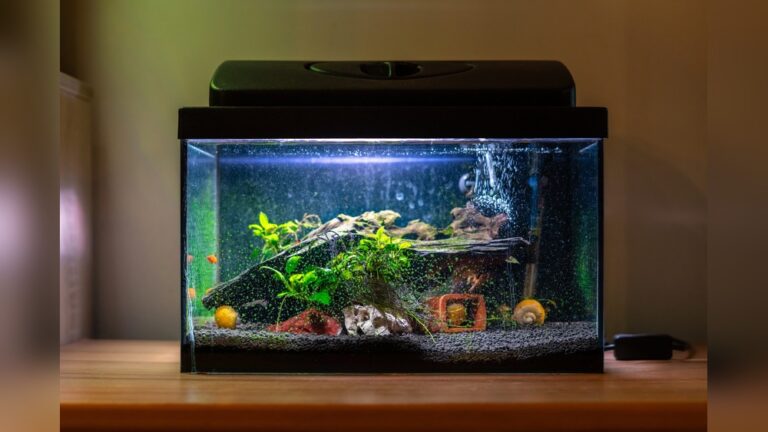
Choose a tank with at least 10 gallons of water. Clean water is very important for guppies. Use a gentle filter to keep the water clear. Keep the water temperature between 75 and 82 degrees Fahrenheit. Add live plants for hiding places. Plants help protect the fry from adult guppies. Provide some floating plants to reduce light. Guppies feel safer with low light. Keep the tank covered to stop fish from jumping out. Change 25% of the water every week to keep it fresh.
Feeding And Care
Feed guppies small amounts two to three times daily. Use high-quality flake food and live or frozen foods. Foods like brine shrimp and daphnia are good choices. These foods help pregnant females and fry grow strong. Remove uneaten food to avoid water pollution. Watch the fish daily for signs of illness. Healthy guppies breed more easily. Separate pregnant females if possible to protect fry. Keep stress low by avoiding sudden changes in the tank. Calm fish have better chances of mating and raising young.
How Smart Pets Lover Can Help You with How Do Guppies Mate
Exploring Guppy Mating: A Hands-On Learning Journey
Understanding how guppies mate opens a fascinating window into aquatic life, blending natural curiosity with practical care. Observing guppy mating behavior firsthand helps deepen your connection with these lively fish, turning theory into an engaging experience. Watching the mating process unfold allows you to appreciate their reproductive anatomy and the delicate dance that leads to gestation and birth.
For hobbyists eager to enhance their breeding success, practical learning might include setting up ideal tank conditions or monitoring environmental factors that influence mating. This approach aligns with Smart Pets Lover’s mission—empowering pet parents with knowledge that nurtures responsible care and meaningful bonds.
- Observe subtle mating cues to better predict breeding readiness.
- Maintain water quality and temperature for optimal gestation.
- Keep a journal to track mating and birth patterns over time.
Whether you’re a seasoned aquarist or just starting out, diving into guppy mating is a rewarding way to connect with your pets on a deeper level. For more insights or guidance, feel free to reach out at [email protected]—because every wag, purr, and splash tells a story worth knowing.
Frequently Asked Questions
How Do Guppies Find Mates In Their Environment?
Guppies use visual cues like bright colors and patterns to attract mates. Males display vibrant fins to catch females’ attention. They also perform courtship dances to signal readiness. These behaviors increase the chances of successful mating in their natural habitat.
What Is The Guppy Mating Process Like?
Male guppies approach females and display their colors. If receptive, the female allows the male to use his gonopodium to transfer sperm. This internal fertilization is quick and usually occurs multiple times. Females can store sperm for future fertilizations.
How Often Do Guppies Mate And Reproduce?
Guppies can mate frequently, often every few days. Females give birth about 21 to 30 days after mating. They produce multiple broods in a year, making guppies prolific breeders. This rapid reproduction supports population growth in favorable conditions.
Can Guppies Mate With Multiple Partners?
Yes, female guppies often mate with several males. This increases genetic diversity and offspring survival. Males compete by showing off brighter colors to outshine rivals. Multiple mating also helps females store sperm from different males.
Conclusion
Guppies mate through a simple but interesting process. Males show off their colors to attract females. They use a small fin to transfer sperm. Females then carry the eggs inside until they give birth. This natural cycle keeps guppy populations healthy.
Watching guppies mate teaches us about their behavior. It also helps hobbyists care for them better. Understanding how guppies mate adds to our knowledge of fish life. Each step in their mating is quick and clear. This makes guppies a popular choice for fish lovers everywhere.