How Do Fish Sleep
Have you ever wondered how fish sleep without eyelids or beds? It’s a surprising question because fish don’t sleep like we do.
But understanding their sleep habits can change how you see these underwater creatures forever. You’ll discover the secrets behind fish sleep, why it matters, and what it reveals about their world. Keep reading—you won’t look at your aquarium the same way again!

Credit: www.youtube.com
Fish Sleep Basics
Fish sleep is very different from human sleep. They do not close their eyes because they lack eyelids. Instead, fish rest in a state that helps them save energy and stay alert to danger. Understanding how fish sleep helps us learn more about their behavior and needs.
Fish sleep is not always deep or long. It varies depending on the type of fish and their environment. Some fish rest during the night, while others rest during the day. Sleep helps fish repair their bodies and maintain good health.
Sleep Patterns In Fish
Fish have many different sleep patterns. Some fish float in place to rest. Others hide in rocks or plants. Many fish reduce their activity and metabolism during rest. This slower state is similar to sleep but without deep brain waves.
Some fish are active at night and rest during the day. Others do the opposite. Sleep patterns depend on food availability and safety. Fish often take short naps instead of one long sleep session.
Differences From Mammal Sleep
Mammals have deep sleep cycles with rapid eye movement (REM). Fish do not experience REM sleep. Their brains work differently during rest. Fish remain alert to threats even while resting.
Fish do not lie down to sleep. They usually stay upright or swim slowly. Sleep in fish is less about dreaming and more about saving energy. Their sleep is lighter but still important for survival.
How Fish Rest
Fish rest by slowing their movements and reducing activity without closing their eyes. They find safe spots to stay still and recover energy. Sleep for fish looks different than for land animals but is just as important.
Physical Signs Of Sleep
Fish do not have eyelids, so they cannot close their eyes. Instead, they show sleep through slow movement and reduced response. Their breathing rate often slows down during rest. Some fish float still in the water or stay hidden in a safe spot. You may notice their fins stop moving much. These signs indicate fish are resting, even if it looks different from how humans sleep.
Common Resting Positions
Fish rest in several ways depending on their species. Some hover motionless in the water, using little energy. Others lie flat on the bottom or hide in plants or rocks. Some curl up in caves or crevices for safety. Many reef fish wedge themselves into coral or cracks. Each resting position helps fish stay safe and calm during rest. These spots protect them from predators and strong currents.
Variations Among Species
Fish sleep varies widely among different species. Each type of fish has unique ways to rest. These differences depend on their environment and behavior. Understanding these variations helps us learn how fish live and survive.
Freshwater Vs Saltwater Fish
Freshwater fish live in rivers, lakes, and ponds. Saltwater fish live in oceans and seas. Freshwater fish often find quiet spots with plants to rest. Saltwater fish may rest near coral reefs or rocky areas. Some saltwater fish keep swimming slowly while resting. Freshwater fish usually stay still to save energy. Saltwater fish face stronger currents, so they have special ways to sleep.
Nocturnal Vs Diurnal Fish
Nocturnal fish are active at night and sleep during the day. They hide in dark places or under rocks to rest safely. Diurnal fish work during the day and rest at night. They find safe spots to avoid predators while sleeping. Some nocturnal fish can reduce their movement but stay alert. Diurnal fish often close their eyes or reduce activity to sleep. Both types adapt their sleep to stay safe and healthy.

Credit: www.youtube.com
Sleep Without Eyelids
Fish do not have eyelids like humans. This means they cannot close their eyes to sleep. Despite this, fish still find ways to rest deeply. Their sleep looks different but serves the same purpose. They remain alert to danger even during rest.
Adaptations For Rest
Fish have unique ways to rest without closing their eyes. Many slow down their movements. Their brain activity decreases to save energy. Some hide in safe places like rocks or plants. These spots help them feel secure. Others float in the water, staying still but awake enough to react.
Protective Mechanisms
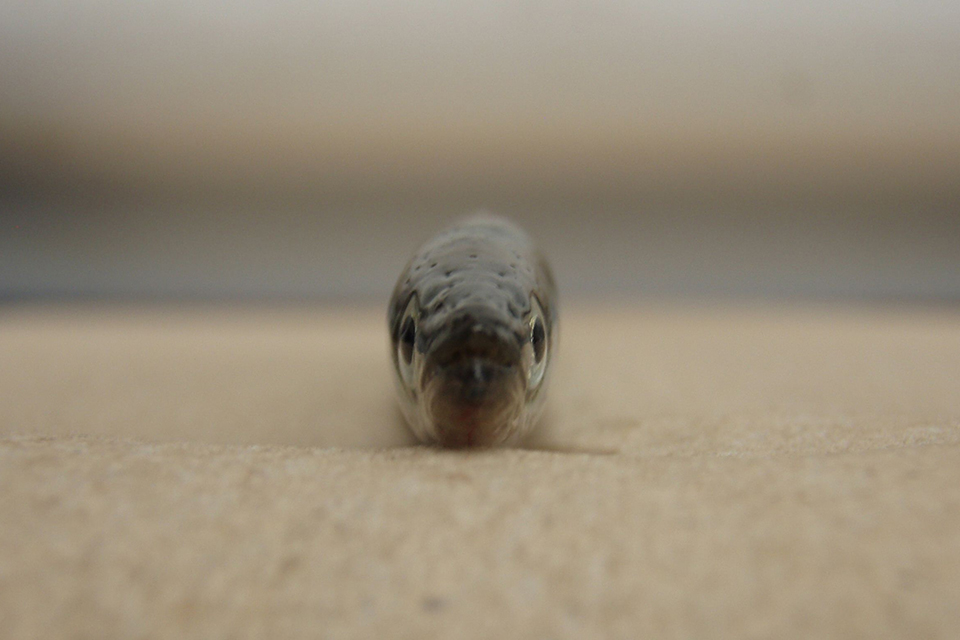
Without eyelids, fish rely on other ways to protect their eyes. A clear, protective layer covers their eyes. It keeps out dirt and harmful particles. Some species produce mucus to shield their eyes. This also helps keep their eyes moist. Fish stay alert to avoid predators even during rest. Their senses stay active to detect danger quickly.
Environmental Impact On Fish Sleep
Fish sleep is affected by their environment. Their rest depends on several natural factors. Understanding these helps us see how fish live and survive. Two key elements shape fish sleep: light and temperature.
Light And Darkness Effects
Light controls fish sleep patterns. Fish sense day and night by light changes. Bright light often means activity time. Darkness signals rest or sleep time. Some fish hide in dark places to sleep. Others reduce movement but stay alert. Artificial light can disrupt their natural sleep. This can cause stress and affect health. In oceans, moonlight and seasons also influence sleep.
Water Temperature Influence
Water temperature impacts fish sleep deeply. Cold water slows fish metabolism. Fish become less active and rest more. Warm water increases metabolism and activity. Fish may need less sleep in warm water. Sudden temperature changes can stress fish. This can disturb their normal sleep cycle. Fish adapt over time to their environment. Stable temperatures help maintain healthy sleep patterns.
Credit: oceanservice.noaa.gov
Why Sleep Matters For Fish
Sleep is important for fish just like it is for humans. It helps them stay healthy and grow strong. Even though fish do not have eyelids, they still rest and recover. Sleep helps fish repair their bodies and keep their minds sharp. Understanding why sleep matters can help us care better for fish in tanks or the wild.
Health And Growth
Sleep allows fish to heal damaged tissues. It boosts their immune system to fight disease. Young fish need sleep to grow properly. Without enough rest, fish can become weak and sick. Good sleep supports cell repair and energy restoration. This helps fish live longer and stay active.
Behavioral Benefits
Fish that get enough sleep behave better. They are less stressed and more alert. Sleep helps fish remember safe places and food sources. Rest also improves their ability to avoid predators. Sleep supports learning and helps fish adapt to changes. Well-rested fish swim and feed more efficiently.
How Smart Pets Lover Can Help You with How Do Fish Sleep
Exploring Fish Sleep: A Hands-On Learning Journey
Understanding how fish rest opens up wonderful practical learning opportunities for curious pet parents and aquatic enthusiasts. Since fish don’t have eyelids and their sleep varies widely among species, observing their unique behaviors can deepen your connection to these fascinating companions. Try creating a calm, consistent environment in your aquarium to see how environmental factors influence your fish’s rest patterns—this ties directly into what we’ve learned about the impact of surroundings on fish sleep.
- Note when your fish become less active, as this “rest” period is their version of sleep.
- Compare behaviors across different species if you have a community tank, highlighting sleep variations.
- Document changes when adjusting lighting or water conditions to understand how these elements affect rest.
At Smart Pets Lover, we believe every observation is a step toward more informed and compassionate care. If you’re eager to dive deeper or have questions about your aquatic friends’ sleep habits, connecting with local aquatic clubs or pet care experts can be a great resource. After all, where every wag, purr, and chirp tells a story, so does every gentle fin flutter in peaceful slumber.
Frequently Asked Questions
How Do Fish Rest Without Eyelids?
Fish don’t have eyelids, so they rest with their eyes open. They enter a restful state by slowing their movement and metabolism. This allows them to conserve energy while staying alert to danger.
Do Fish Experience Rem Sleep Like Humans?
Fish do not experience REM sleep like mammals. Their sleep involves periods of reduced activity and responsiveness. This restful state helps them recover and maintain bodily functions but lacks the rapid eye movement seen in human sleep.
Where Do Fish Usually Sleep In The Wild?
Fish often sleep in safe, sheltered areas like coral reefs or underwater plants. These spots protect them from predators. Some species hover in place, while others rest on the ocean floor or within crevices.
How Long Do Fish Typically Sleep Each Day?
Fish sleep duration varies by species and environment. Most fish rest several hours daily, often during nighttime. Sleep patterns depend on factors like water temperature, light, and predator presence.
Conclusion
Fish sleep in unique ways that differ from humans. They rest while staying alert to danger. Some float, some hide, and others stay still. Their sleep helps them grow and stay healthy. Understanding how fish sleep shows nature’s variety. Next time you see fish, think about their quiet rest.
Sleep is important for all living things, even fish. Simple yet fascinating.