How Do Fish Mate
Have you ever wondered how fish find their partners and bring new life into the water? Understanding how fish mate can reveal surprising facts about nature’s creativity and survival skills.
Whether you’re curious about the fish in your aquarium or the ones swimming in the wild, this guide will give you clear answers. By the end, you’ll see fish reproduction in a whole new light—and maybe even impress your friends with what you learn.
Ready to dive in? Let’s explore how fish mate and what makes their process so fascinating.
Fish Reproduction Methods
Fish reproduce in different ways depending on their species. Understanding how fish mate helps us learn about their life cycles. Fish reproduction methods mainly include two types: external fertilization and internal fertilization.
Each method has unique features that suit the environment and fish behavior. These methods ensure the survival of fish populations in water habitats.
External Fertilization
External fertilization is the most common method in fish. Female fish lay eggs in water. Then, male fish release sperm over the eggs. Fertilization happens outside the female’s body. This process needs a lot of eggs because many do not survive. Fish use this method to increase the chance of offspring.
Many freshwater and saltwater fish use external fertilization. It allows them to spread eggs over a wide area. This method works well in clean, oxygen-rich water.
Internal Fertilization
Internal fertilization happens inside the female fish’s body. The male fish deposits sperm directly into the female. This method is less common but offers more protection to eggs. It helps eggs develop safely inside the female. Some fish give birth to live young instead of laying eggs.
Fish like sharks and guppies use internal fertilization. This method ensures higher survival rates for young fish. It suits species living in dangerous or crowded environments.

Credit: www.reelcoquinafishing.com
Mating Behaviors
Fish use unique behaviors to find and attract mates. These actions help them survive and continue their species. Mating behaviors vary widely between fish species. Each behavior has a special role in the mating process.
Courtship Displays
Many fish perform courtship displays to attract partners. These can include bright colors, special movements, or sounds. Males often show off their strength and beauty. Females watch closely to choose the best mate. These displays increase the chance of successful mating.
Territorial Fighting
Some fish fight to defend their mating area. The strongest fish wins the territory. This spot gives access to food and nesting sites. Fighting helps keep rivals away from potential mates. It also shows the fish’s fitness and power.
Nest Building
Building nests is common in many fish species. Males usually create and guard these nests. Nests protect eggs and young fish from danger. The quality of the nest can attract females. This behavior improves the survival rate of offspring.
Spawning Types
Fish reproduce by laying eggs in different ways. These ways are known as spawning types. Spawning types vary among fish species. They depend on how and when fish release their eggs and sperm. Understanding spawning helps us learn about fish behavior and breeding cycles.
Batch Spawning
Batch spawning means fish lay eggs in small groups. They do this several times during a breeding season. Each batch contains many eggs. This method spreads out the chances of survival for the young fish. If one batch fails, others may still grow.
Fish like cod and herring use batch spawning. They release eggs and sperm multiple times. This helps them adapt to changing water conditions and predators. Batch spawning gives fish more opportunities to reproduce.
Continuous Spawning
Continuous spawning means fish release eggs and sperm all the time. They do not stop during the breeding season. This method suits fish living in warm and stable environments. It allows them to produce young regularly.
Examples of continuous spawners include many tropical fish. They keep releasing eggs in small amounts every day. This constant spawning increases their chances of survival. It also helps maintain fish populations in steady environments.
Egg Laying And Care
Fish reproduce by laying eggs in specific places. These eggs need care to grow safely. Different fish choose different spots to lay their eggs. Some fish watch over their eggs carefully. Others leave the eggs after laying them. The care given to eggs affects the baby fish’s chance to survive.
Egg Deposition Sites
Fish pick safe places to lay eggs. Some lay eggs on plants or rocks. Others bury eggs in sand or mud. Certain species use shells or holes. The site protects eggs from predators and strong currents. Clean and hidden spots increase egg survival.
Parental Protection
Many fish guard their eggs from danger. Parents fan water over eggs for oxygen. Some chase away predators and intruders. A few fish carry eggs in their mouths. This care keeps eggs safe until they hatch.
Fry Development
Eggs hatch into tiny fish called fry. Fry stay near the egg site at first. Parents may keep watching after hatching. Fry grow slowly and learn to swim. Safe early days help fry survive and grow strong.
Species-specific Strategies
Fish have many ways to mate. Each species has its own unique strategy. These methods help fish survive and keep their kind going. Understanding these species-specific strategies gives us a closer look at nature’s variety.
Fish mating can be simple or complex. Some fish take care of their eggs. Others give birth to live young. Some even change sexes during their life. Let’s explore these fascinating strategies.
Mouthbrooding Fish
Mouthbrooding fish keep their eggs safe inside their mouths. After fertilization, one parent holds the eggs in the mouth. This protects the eggs from predators and harsh environments. The parent may not eat during this time. It is a tough but effective way to protect offspring.
Livebearers
Livebearers give birth to fully formed baby fish. The eggs develop inside the mother’s body. The young fish swim away as soon as they are born. This method increases the chances of survival. Livebearers do not leave eggs exposed to danger. They provide care until the babies are ready.
Hermaphroditic Fish
Hermaphroditic fish have both male and female reproductive organs. They can change sex depending on their environment or social needs. Some start as males and become females. Others do the opposite. This strategy helps them mate easily and keep the population balanced.

Credit: en.wikipedia.org
Environmental Influences
Fish mating is deeply affected by their environment. Changes in water, seasons, and habitat shape their behavior. These factors signal fish when and where to reproduce. Understanding these influences helps us learn more about fish life cycles.
Water Temperature
Water temperature plays a key role in fish mating. Warmer water can speed up fish metabolism. This makes them ready to mate sooner. Some fish only breed in specific temperature ranges. Too cold or too hot can stop mating activities.
Seasonal Changes
Seasons guide fish mating patterns. Many fish spawn during spring or summer. These seasons provide more food and better conditions for young fish. The length of daylight also affects mating readiness. Fish sense these changes and prepare to reproduce.
Habitat Conditions
Habitat quality impacts fish reproduction. Clean water with enough oxygen helps eggs grow. Plants and rocks offer safe places for laying eggs. Pollution and habitat loss can reduce fish mating success. A good habitat supports healthy fish populations.
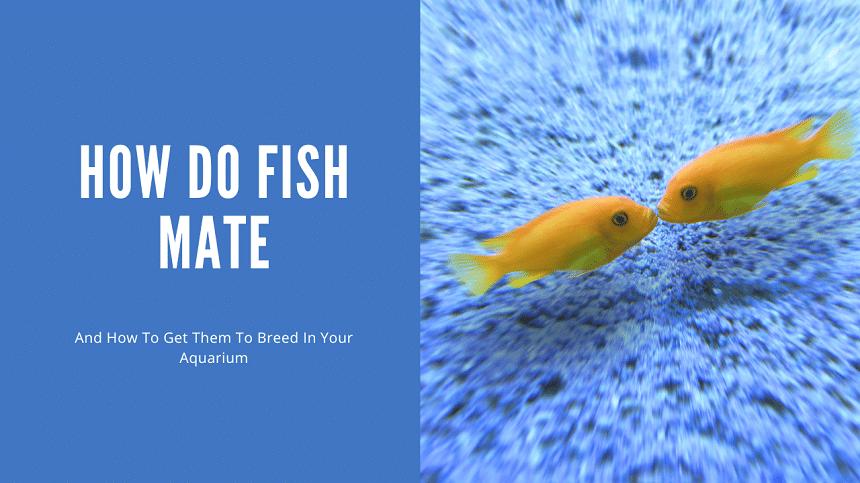
Credit: aquariumstoredepot.com
How Smart Pets Lover Can Help You with How Do Fish Mate
Exploring Fish Mating: A Hands-On Learning Journey
Understanding how fish mate opens a fascinating window into aquatic life, blending natural wonder with practical knowledge. As you’ve read about fish reproduction methods and spawning types, you might be curious about observing these behaviors firsthand or creating an environment that supports natural mating and egg care.
For pet parents who keep fish at home, paying attention to species-specific strategies and environmental influences can make all the difference. Simple steps like maintaining clean, appropriately heated water and providing hiding spots mimic nature’s cues, encouraging healthy mating behaviors. Watching these delicate interactions can deepen your connection with your aquatic companions, turning fish care into an enriching experience.
- Research your fish species’ unique mating rituals
- Adjust tank conditions to support spawning
- Observe egg-laying and parental care without disturbance
At Smart Pets Lover, we believe every pet story matters, whether it’s a wag, purr, chirp, or even a splash. For more insights or guidance, feel free to reach out via our website’s contact page. Embracing these natural cycles not only nurtures your fish but also enhances your role as a caring pet parent.
Frequently Asked Questions
How Do Fish Reproduce In Water?
Fish reproduce by releasing eggs and sperm into water. Fertilization usually happens externally, where sperm meets eggs outside the female’s body. Some fish species have internal fertilization, where males deposit sperm inside females. This reproductive method ensures eggs develop safely in aquatic environments.
What Is The Mating Process Of Most Fish?
Most fish engage in external fertilization. Females lay eggs, while males release sperm over them. This process happens in nests, plants, or open water. Timing is crucial to maximize fertilization success. Some fish build nests and guard eggs until hatching.
Do Fish Have Specific Mating Seasons?
Yes, many fish species have specific mating seasons. These seasons often depend on water temperature, daylight, and food availability. During this time, fish exhibit courtship behaviors to attract mates. Mating seasons help synchronize reproduction for better offspring survival.
How Do Fish Attract Mates?
Fish attract mates through colors, dances, and sounds. Bright colors signal health and readiness to breed. Males often perform courtship displays to impress females. Some species use bioluminescence or chemical signals to communicate during mating.
Conclusion
Fish use many ways to mate, depending on their species. Some fish lay eggs, while others give birth to live young. Mating helps fish keep their populations strong and healthy. It also ensures that new fish can grow and thrive in their habitats.
Understanding fish mating shows us how nature works in water. It reminds us to protect aquatic life and their environments. Fish mating is a simple but important part of life underwater.