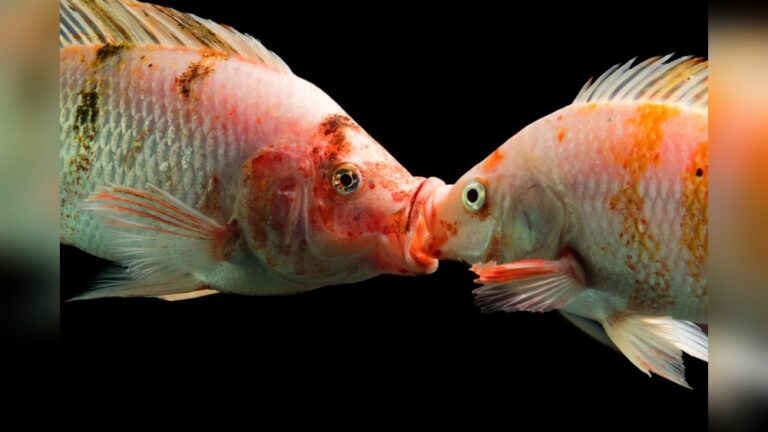
How Do Beta Fish Mate
Have you ever wondered how betta fish, with their vibrant colors and graceful fins, come together to create new life? If you keep bettas or are simply curious about their fascinating behavior, understanding how they mate can deepen your appreciation for these beautiful creatures.
You’ll discover the step-by-step process of betta fish mating, what you need to watch for, and how you can create the perfect environment for your fish to breed successfully. Keep reading to unlock the secrets behind betta fish love and reproduction—you won’t want to miss these insights!

Credit: freshwaterfishglobal.wordpress.com
Betta Fish Behavior Before Mating
Before betta fish mate, they show clear signs through their behavior. These actions help them find the right partner and prepare for spawning. Observing these behaviors gives insight into their natural instincts. It also helps in creating a safe environment for breeding.
Both male and female bettas act differently during this time. Their movements, colors, and signals change as part of the courtship ritual. Understanding these signs is important for anyone interested in breeding bettas or simply watching their natural behavior.
Male Betta’s Courtship Display
The male betta starts by building a bubble nest at the water surface. He flares his fins wide and spreads his gill covers. This makes him look bigger and more attractive to the female. The male swims around the female in a gentle, zigzag pattern. Bright colors become more vivid, showing his health and strength.
Female Betta’s Response
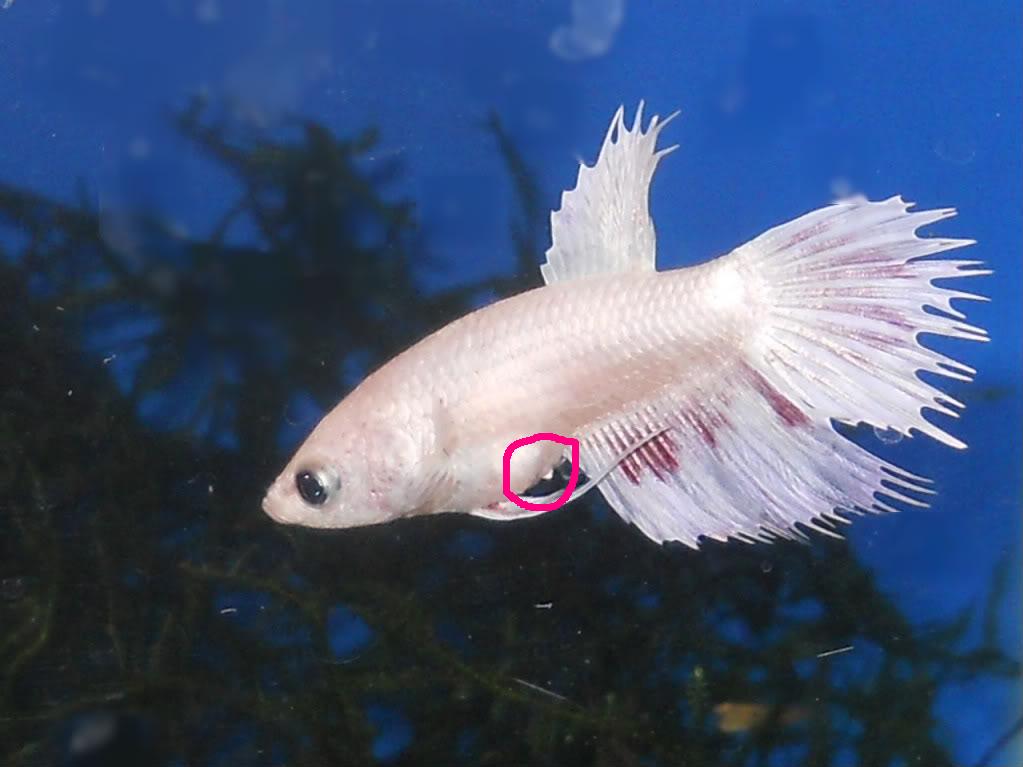
The female’s body changes shape, often showing vertical stripes. This indicates she is ready to mate. She may swim close to the bubble nest and watch the male. Sometimes, she flares her fins too, but less boldly. Her movements can be shy or curious, signaling interest without full commitment.
Territorial Signals
Both bettas can be aggressive during this stage. The male defends his bubble nest fiercely. He may chase or nip at the female to keep control. The female also guards her space, sometimes retreating to avoid conflict. These signals help establish boundaries and reduce injury during courtship.

Credit: www.youtube.com
Bubble Nest Building
Bubble nest building is an important part of how betta fish mate. The male betta creates a special nest made of bubbles at the water surface. This nest plays a key role in the breeding process. It helps protect the eggs and young fry after spawning. Understanding this behavior gives insight into betta fish care and breeding.
Purpose Of The Bubble Nest
The bubble nest keeps the eggs safe and oxygen-rich. It floats on the water surface, where oxygen is highest. The nest holds the eggs together in one place. This prevents them from sinking or drifting away. It also guards eggs from other fish or debris. The bubble nest ensures a better chance for the eggs to hatch.
Materials And Location
The nest is made from air bubbles coated with saliva. The saliva makes the bubbles strong and sticky. The male blows bubbles that stick together to form a cluster. This cluster grows as he adds more bubbles. The nest usually forms near plants or surfaces at the water top. Calm water helps keep the nest intact and stable.
Male’s Role In Construction
The male betta does all the work building the nest. He blows bubbles carefully and places them in the right spot. After spawning, he moves eggs into the nest using his mouth. The male guards the nest fiercely from threats. He repairs the nest by adding new bubbles as needed. This care helps the eggs survive until hatching.
Mating Process
The mating process of betta fish is a fascinating display of nature. It involves clear steps that show how these colorful fish reproduce. Understanding this process helps hobbyists care for their bettas better. The process starts with the male building a bubble nest. Then, the female joins the male for the mating ritual. Each step is important to ensure successful reproduction.
Embrace And Egg Release
The male and female bettas begin with a courtship dance. The male wraps his body around the female in a gentle embrace. This triggers the female to release eggs. The eggs float out of her body slowly. The male holds the female tightly during this stage. It is a brief but crucial moment in their mating.
Fertilization Details
After the female releases the eggs, the male releases sperm. He fertilizes the eggs outside the female’s body. This happens quickly and close to the water surface. The male keeps the eggs safe by catching them. Fertilization happens best near the bubble nest. This ensures the eggs will develop properly.
Egg Collection In The Nest
The male collects the fertilized eggs carefully in his mouth. He places them gently into the bubble nest. The nest floats on the water surface. It protects the eggs from harm and keeps them oxygenated. The male guards the nest until the eggs hatch. This care helps ensure the survival of the young bettas.
Post-mating Care
After beta fish mate, the care of eggs and fry is crucial. This stage ensures the survival of the next generation. Both the male and female have specific roles during this time. Understanding their behaviors helps in providing the right environment for successful hatching.
Male’s Role In Guarding
The male beta fish takes charge after mating. He guards the bubble nest carefully. He protects the eggs from predators and debris. The male keeps the eggs clean by gently blowing water on them. This action prevents fungus and helps oxygen flow. His constant presence boosts egg survival chances.
Female’s Departure
After spawning, the female usually leaves the nest. She may become stressed or aggressive if she stays. The male may chase her away to protect the eggs. Removing the female from the tank after mating is common. This action reduces conflict and increases egg safety.
Hatching Timeline
Eggs typically hatch within 24 to 36 hours. The exact time depends on water temperature. Warmer water speeds up hatching, cooler water slows it down. After hatching, the fry stay in the nest for several days. During this time, the male continues to guard them closely.
Factors Affecting Successful Breeding
Successful breeding of betta fish depends on several key factors. Each one plays a big role in helping the fish mate and produce healthy fry. Understanding these factors can increase the chances of a good breeding experience.
Water Conditions
Clean water is essential for betta breeding. The water should be warm, between 78 and 80 degrees Fahrenheit. The pH level must stay near neutral, around 6.5 to 7.5. Regular water changes keep harmful chemicals low. Clear water helps the male and female feel safe. Poor water quality can stop breeding or harm the eggs.
Tank Setup
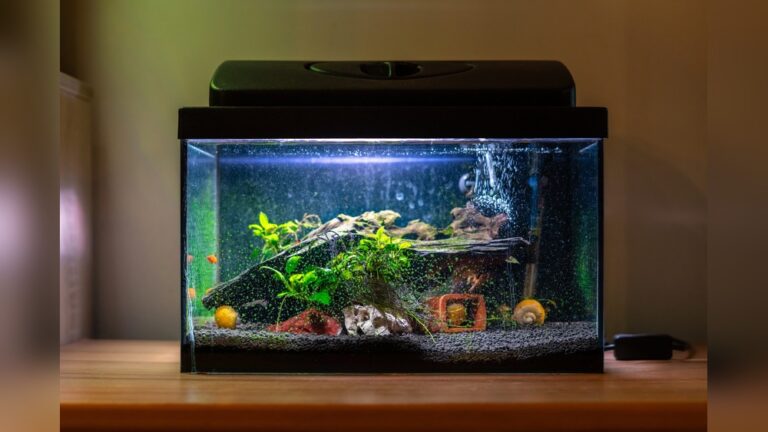
A small breeding tank works best, about 5 to 10 gallons. The tank needs a heater to keep water warm. Add hiding spots like plants or small caves. A flat surface or floating plants help the male build a bubble nest. The tank should have a gentle filter to avoid strong currents. Proper setup makes the fish comfortable and ready to mate.
Health And Compatibility
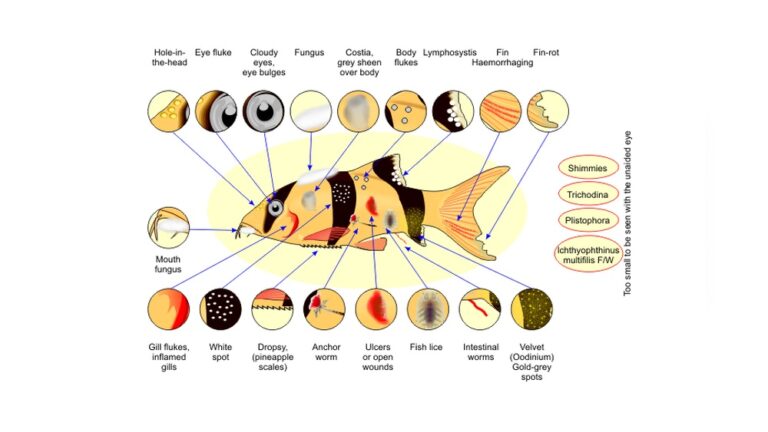
Both fish must be healthy and active to breed. Avoid breeding fish with illness or stress. Choose a male and female that look strong and vibrant. They should be compatible in size and temperament. Aggressive fish can hurt each other. Watching their behavior helps decide if they are ready to breed.
Credit: home.adelphi.edu
How Smart Pets Lover Can Help You with How Do Beta Fish Mate
Turning Betta Mating Insights into Practical Learning
Understanding how betta fish mate opens up rewarding opportunities for hands-on learning and deeper connection with these fascinating pets. Observing the betta fish behavior before mating—like the male’s gentle bubble nest building—teaches patience and attentiveness, vital skills for any responsible pet parent. Watching the delicate mating process unfold helps reinforce respect for natural rhythms and care routines.
For those eager to try breeding, keeping a close eye on post-mating care is essential to ensure fry survival and healthy development. This practical experience encourages thoughtful habitat management and reinforces the importance of environmental factors affecting successful breeding.
At Smart Pets Lover, we believe every interaction with your pet can be a learning moment that builds empathy and confidence. If you have questions or want to share your experiences, don’t hesitate to reach out to our community or experts via [email protected]. After all, it’s where every wag, purr, and bubble tells a story worth cherishing.
Frequently Asked Questions
How Do Betta Fish Court For Mating?
Betta fish males build bubble nests to attract females. They flare fins and display vibrant colors to impress mates. The female responds with specific body language, signaling readiness to mate.
What Is The Role Of Bubble Nests In Betta Mating?
Bubble nests protect fertilized eggs and fry. Males create these nests by blowing saliva-coated bubbles on the water surface. The nests keep eggs oxygenated and safe until hatching.
How Long Does Betta Fish Mating Take?
The mating process typically lasts several hours. After courtship, the male wraps around the female to fertilize eggs. The female releases eggs into the bubble nest, where the male cares for them.
Can Female Betta Fish Lay Eggs Without A Male?
No, female Bettas require a male to fertilize their eggs. Without a male, eggs will not develop or hatch. Mating ensures fertilization and the continuation of offspring.
Conclusion
Beta fish mate through a careful and unique process. The male builds a bubble nest to protect the eggs. After the female lays eggs, the male fertilizes and guards them. This behavior helps increase the chances of survival. Understanding this process can help you care for beta fish better.
It also shows how nature works in small ways. Watching beta fish mate can be both interesting and educational. Taking care of them during this time is very important. Simple steps lead to healthy fish and happy aquariums.