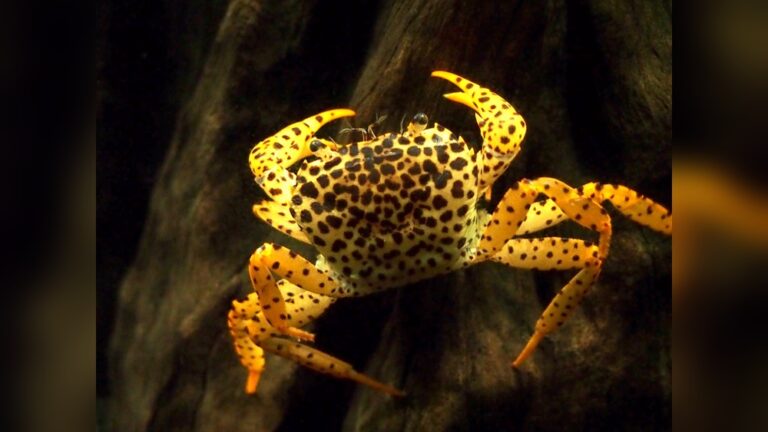
Hermit Crab
Have you ever wondered what makes a hermit crab so unique? These little creatures carry their homes on their backs, moving with a mix of curiosity and caution that’s fascinating to watch.
Whether you’re thinking about keeping one as a pet or just curious about how they survive, understanding hermit crabs can open up a whole new world. You’ll discover surprising facts, care tips, and why these tiny travelers capture the hearts of many.
Ready to dive into the secret life of hermit crabs? Keep reading—you won’t want to miss what’s coming next.
Hermit Crab Habitat
Hermit crabs live in many places. Their habitat depends on the species. Some live in the sea. Others live on land. Each place offers food and safety. Hermit crabs find shells to protect their soft bodies. These shells are a vital part of their home.
Marine Environments
Many hermit crabs live in shallow waters. They hide among rocks and coral reefs. These areas provide food and shelter. Saltwater keeps their bodies healthy. They use shells from sea snails. The ocean environment is busy and full of life.
Terrestrial Zones
Some hermit crabs live on land near the shore. They need moist places to survive. Sand and leaf litter offer good hiding spots. They must return to water to keep their gills wet. These crabs are active at night. The land is a different but safe habitat.
Shell Selection
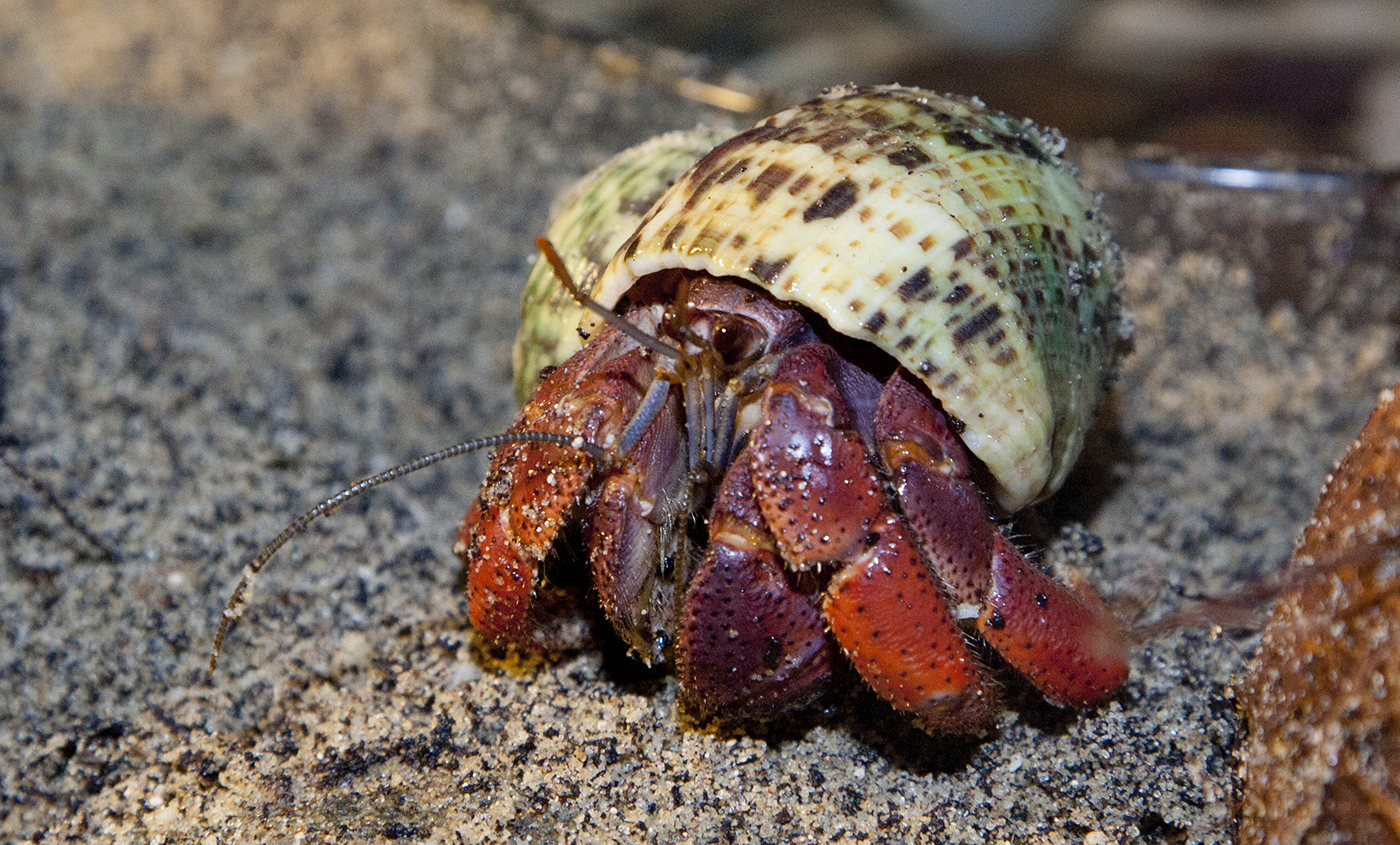
Hermit crabs choose shells carefully. The shell size must fit their body well. A too-small shell offers no protection. A too-large shell is hard to carry. Crabs often switch shells as they grow. This choice affects their survival and comfort.
Credit: nationalzoo.si.edu
Physical Features
Hermit crabs have unique physical features that help them survive in their environment. Their body design allows them to protect themselves and move easily. Each part has a special role in their daily life.
Body Structure
Hermit crabs have a soft, curved abdomen. This part is not hard like other crabs. The soft abdomen fits inside a shell for protection. Their front body is hard and has a tough shell called a carapace. This hard part protects their head and claws.
Claws And Legs
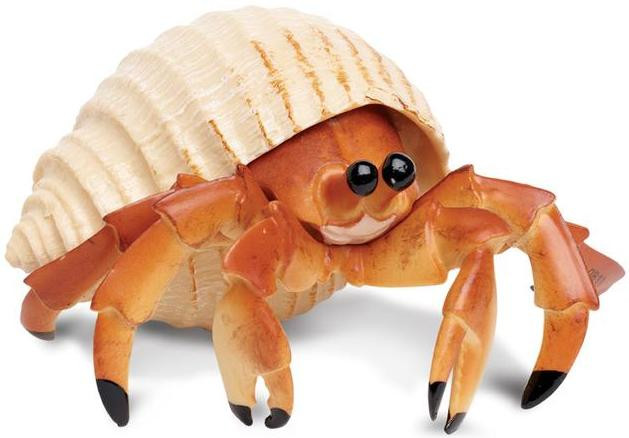
Hermit crabs have ten legs. The front two legs have claws. One claw is bigger and used for defense and eating. The smaller claw helps with feeding and cleaning. The other legs help the crab walk and hold the shell. Legs are strong and allow quick movement on land and water.
Shell Adaptation
Hermit crabs do not have a hard shell on their back. They use empty shells from other animals for protection. The shell keeps their soft body safe from predators. Hermit crabs change shells as they grow. They look for bigger shells to fit their body size. This adaptation helps them survive and stay safe.
Behavior And Lifestyle
Hermit crabs have unique behaviors that make them fascinating pets and wild creatures. Their lifestyle revolves around finding food, moving safely, and interacting with others. Each aspect of their behavior helps them survive and thrive in their environment.
Feeding Habits
Hermit crabs are omnivores. They eat small plants, dead animals, and leftover food. They use their claws to pick up food and bring it to their mouth. They prefer fresh food but can eat dried or packaged crab food too. Feeding often happens at night or early morning.
Movement Patterns
Hermit crabs move slowly and cautiously. They walk on the ocean floor or sandy beaches. They carry their shell on their back for protection. When threatened, they retreat quickly inside the shell. They also climb rocks and plants to find food or escape danger.
Social Interaction
Hermit crabs are social animals. They live in groups called colonies. They communicate by tapping their claws and body movements. They often share shells or compete for new ones. This interaction helps them protect themselves and find mates.
Credit: www.happyhentoys.com
Reproduction And Growth
Hermit crabs have a unique way of growing and reproducing. Their life cycle involves distinct stages that help them survive and thrive. Understanding these stages gives insight into their fascinating behavior and biology.
Mating Rituals
Hermit crabs perform special actions to find a mate. Males often wave their claws to attract females. They may tap or stroke the female’s shell gently. This shows the male’s interest and strength. Mating usually happens at night, near the shore.
Egg Laying
After mating, the female carries fertilized eggs under her body. The eggs stay attached to her abdomen until they hatch. She releases the eggs into the ocean water. The eggs float freely as tiny larvae. These larvae grow in the water before becoming young crabs.
Molting Process
Molting is when hermit crabs shed their old shell and skin. This allows them to grow bigger. The crab hides and stays still during this time. It can last several days or weeks. After molting, the crab finds a larger shell to protect its soft body.
Hermit Crabs As Pets
Hermit crabs make interesting and low-maintenance pets. They are small, quiet, and fun to watch. Many people enjoy their unique behavior and colorful shells. Hermit crabs live longer than many expect. Some can live up to 10 years or more with proper care.
These creatures are social and like to live in groups. They need a habitat that mimics their natural environment. Proper care helps keep them healthy and active. Understanding their needs is important before bringing one home.
Care Requirements
Hermit crabs need a warm and humid environment. Keep the temperature between 75°F and 85°F. Humidity should stay around 70% to 80%. Use a hygrometer to measure humidity levels. Provide fresh and saltwater for drinking and bathing. Offer a diet of fresh fruits, vegetables, and commercial crab food. Change water daily to keep it clean. Handle hermit crabs gently and avoid stressing them.
Tank Setup
Choose a glass tank at least 10 gallons in size. Use a substrate like sand or coconut fiber. It should be deep enough for crabs to burrow. Add hiding places such as shells, driftwood, and plants. Maintain good ventilation in the tank. Use a heat source like a lamp or heating pad. Place a shallow water dish for drinking and soaking. Clean the tank regularly to prevent mold and bacteria.
Common Health Issues
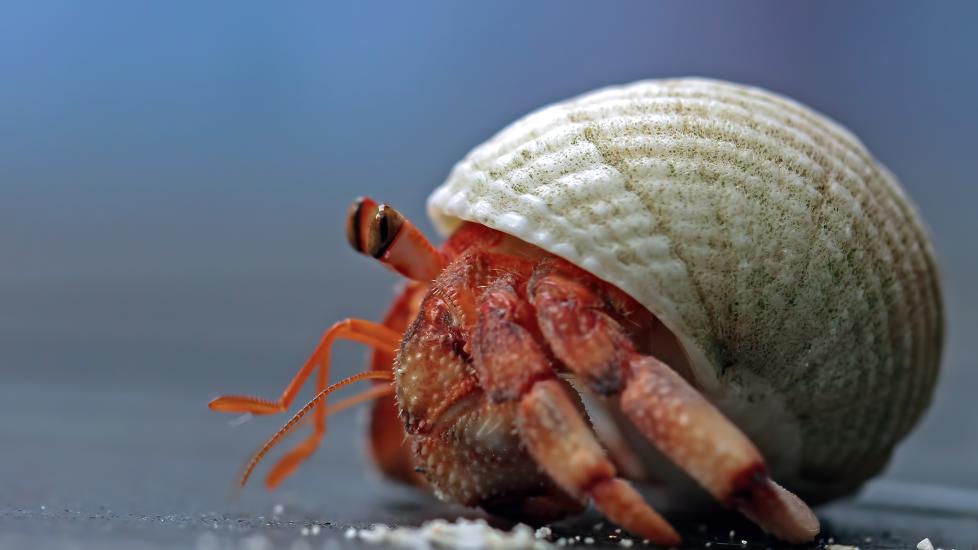
Hermit crabs can face shell problems if they lack new shells. Keep extra shells of different sizes in the tank. Watch for signs of shell disease or parasites. Poor humidity can cause molting problems. During molting, crabs may bury themselves and stop eating. Avoid sudden changes in temperature to prevent stress. If a crab appears inactive or loses limbs, check water and tank conditions.
Credit: www.petmd.com
Environmental Impact
Hermit crabs play an important part in nature. Their presence affects many plants and animals around them. Understanding their environmental impact helps protect these small creatures and the places they live.
Role In Ecosystems
Hermit crabs clean beaches by eating dead plants and animals. They recycle nutrients back into the soil and water. This helps plants grow and keeps ecosystems healthy. Hermit crabs also serve as food for birds and fish. Their shells provide homes for other small animals too.
Threats And Conservation
Pollution harms hermit crabs by dirtying their habitats. Plastic waste can trap or poison them. Loss of natural shells makes it hard for them to find homes. Protecting beaches and reducing waste helps hermit crabs survive. Some groups work to save their habitats and educate people.
Human Interaction
People often collect hermit crabs as pets. This can reduce wild populations if done too much. Tourism can also disturb their homes. Simple actions like not littering and respecting wildlife areas help hermit crabs. Educating others about their role supports conservation efforts.
How Smart Pets Lover Can Help You with Hermit Crab
Exploring Hermit Crabs: A Hands-On Learning Experience
Understanding the fascinating behavior and lifestyle of hermit crabs opens up wonderful practical learning opportunities for pet parents and animal lovers alike. Observing how these little creatures select and change their shells offers valuable lessons in adaptability and growth, echoing the natural cycle we covered in their reproduction and growth. Their unique habitat preferences also encourage us to think deeply about environmental impact and responsible pet care.
For those nurturing a hermit crab at home, creating an environment that mimics their natural habitat isn’t just about comfort—it’s a way to connect emotionally and foster empathy. It’s these small daily observations that build confidence in caring for such delicate pets, aligning with the mission of Smart Pets Lover to make every pet parent feel informed and connected.
- Track your hermit crab’s shell changes to understand its growth stages.
- Note their behavior patterns to better anticipate their needs.
- Reflect on how their environmental needs highlight the importance of habitat preservation.
If you ever feel unsure about the best ways to care for your hermit crab, reaching out to knowledgeable communities or pet care experts can be invaluable. Remember, learning is part of the journey where every chirp and tiny claw movement tells a story worth listening to.
Frequently Asked Questions
What Do Hermit Crabs Eat In The Wild?
Hermit crabs are omnivores. They eat algae, plankton, dead fish, and plant matter. They scavenge for food along beaches and shorelines, playing a vital role in the ecosystem by cleaning up organic debris.
How Do Hermit Crabs Choose Their Shells?
Hermit crabs select shells based on size, weight, and fit. They prefer shells that protect their soft abdomen and allow easy mobility. If a shell is too small or damaged, they search for a better one to ensure safety.
Can Hermit Crabs Live Alone Or Need Groups?
Hermit crabs are social creatures. They thrive better in groups and show interactive behaviors. Keeping them alone can cause stress and reduce their lifespan. Providing a colony environment helps them stay active and healthy.
How Often Do Hermit Crabs Change Shells?
Hermit crabs change shells as they grow or when their current shell is damaged. This process can happen several times a year depending on growth rates. A proper shell supply is crucial for their wellbeing.
Conclusion
Hermit crabs are fascinating creatures that live in shells. They move carefully and change shells as they grow. These little animals play an important role in nature. Watching them teaches us about patience and change. Caring for a hermit crab can bring joy and calm.
Their unique habits make them special pets. Understanding hermit crabs helps us protect their homes. They remind us to respect all living things. Simple creatures with big lessons.