Hard Water Fish
Are you struggling to keep your fish healthy in hard water? Understanding hard water fish is the key to creating the perfect home aquarium.
If your water is rich in minerals, not every fish can thrive, but the right species will flourish and bring vibrant life to your tank. You’ll discover which fish love hard water, how to care for them, and simple tips to ensure your aquatic pets stay happy and healthy.
Keep reading to transform your aquarium into a stunning underwater world tailored just for your fish!
Characteristics Of Hard Water
Hard water has a unique makeup that affects fish and their environment. It contains different minerals that change the water’s properties. These minerals come from natural sources like rocks and soil. Understanding hard water helps in caring for fish that thrive in it.
Hard water is not just about feeling different. It changes how water behaves, which impacts fish health and tank maintenance. Knowing its features helps create a good home for hard water fish.
Mineral Composition
Hard water contains high levels of minerals like calcium and magnesium. These minerals come from the earth and dissolve into water. They increase water hardness and make it feel tougher. The amount of these minerals varies by location.
Calcium helps build strong bones in fish. Magnesium supports muscle function. These minerals keep the water balanced for certain fish species. Too much or too little can cause problems for fish health.
Effects On Water Chemistry
Hard water changes the pH and alkalinity of the water. It usually makes water more alkaline, with a pH above 7. This higher pH suits fish from rivers and lakes with similar water. It also affects how chemicals in the water interact.
Hard water can reduce the toxicity of some harmful substances. It buffers the water, keeping pH stable. Stable pH is important for fish survival and comfort. Sudden changes in water chemistry stress fish and cause illness.
Credit: www.aqueon.com
Common Hard Water Fish Species
Hard water fish thrive in water with high mineral content. This type of water has more calcium and magnesium. Many popular aquarium fish prefer hard water. These fish can handle higher pH levels and mineral content. They are hardy and often colorful. Here are some common hard water fish species you can consider.
Cichlids
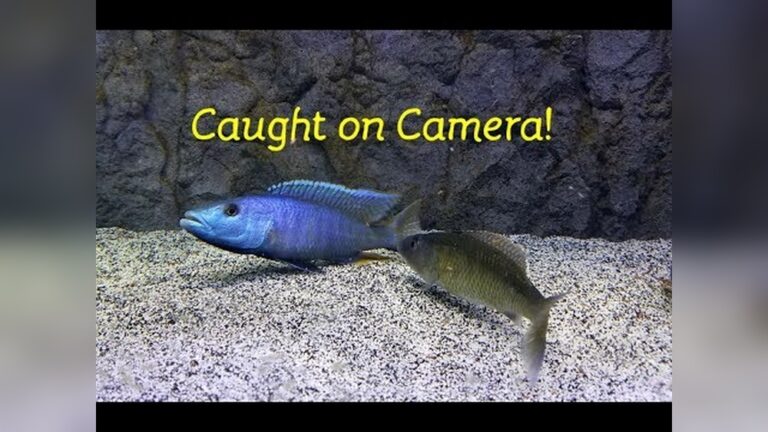
Cichlids are a large family of fish. They come from Africa, Central, and South America. Many cichlids prefer hard, alkaline water. They show bright colors and interesting behaviors. Popular species include angelfish, oscars, and discus. These fish need a stable water environment. They enjoy hiding places and open swimming areas.
Barbs
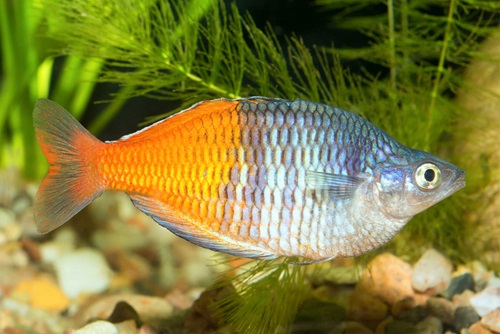
Barbs are active and social fish. They do well in hard water tanks. Barbs come in many colors and sizes. Tiger barbs and rosy barbs are common choices. These fish like to swim in groups. They add energy and movement to any aquarium. Barbs are easy to care for and breed.
Livebearers
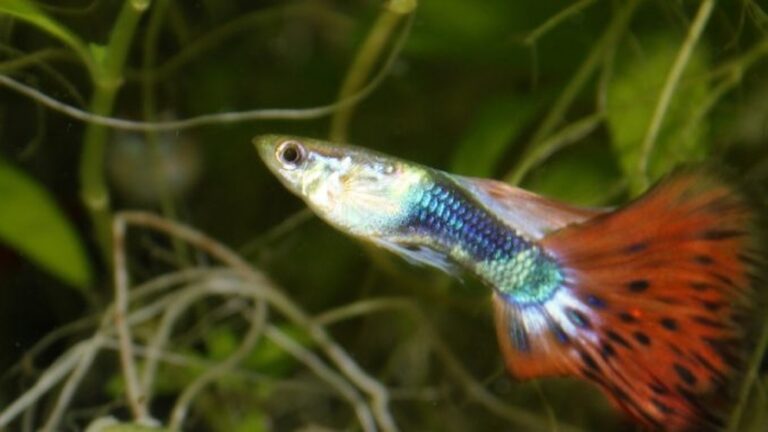
Livebearers give birth to free-swimming young. They adapt well to hard water conditions. Guppies, mollies, and platies are popular livebearers. These fish are peaceful and colorful. They breed easily in home aquariums. Livebearers help keep algae under control by eating it.
Adapting Fish To Hard Water
Adapting fish to hard water requires care and patience. Fish used to soft water may face stress in hard water. Proper adaptation helps them stay healthy and active. Gradual changes reduce shock and increase their chance to thrive.
Acclimation Techniques
Start by mixing tank water with the transport water slowly. Add small amounts every 10 minutes over an hour. This process helps fish adjust to new water hardness. Avoid sudden changes to prevent stress or illness. Use a drip method for best results. Monitor fish behavior closely during acclimation.
Monitoring Water Parameters
Check water hardness regularly using test kits. Keep calcium and magnesium levels stable. Measure pH and temperature alongside hardness. Sudden shifts in any parameter can harm fish. Record readings daily during the first week. Adjust water conditions gently if needed. Consistent monitoring supports fish health in hard water.

Credit: www.aquariumcoop.com
Tank Setup For Hard Water Fish
Setting up a tank for hard water fish requires careful planning. These fish thrive in water with high mineral content and specific conditions. The right setup helps keep fish healthy and active. Focus on substrate, decor, filtration, and aeration to create a good environment.
Choosing Substrate And Decor
Use a substrate that supports hard water conditions. Gravel or sand works well for most hard water fish. Avoid substrates that soften the water. Choose rocks and decor that do not change water chemistry. Limestone and dolomite rocks help maintain hardness. Provide hiding spots with caves and plants. Select hardy plants that survive in tough water. Decor should mimic natural habitats for comfort.
Filtration And Aeration
Strong filtration is essential for hard water tanks. Use filters that handle large bio-loads efficiently. Canister filters and sponge filters are good choices. Ensure the filter flow does not stress the fish. Aeration keeps oxygen levels high. Use air stones or powerheads to increase water movement. Proper aeration supports fish health and waste breakdown. Clean filters regularly to maintain water quality.
Feeding Hard Water Fish
Feeding hard water fish requires attention to their unique needs. These fish thrive in water with high mineral content. Their diet must match their natural environment to keep them healthy. Proper feeding supports vibrant colors and strong immune systems.
Dietary Needs
Hard water fish eat a variety of foods. Many prefer protein-rich diets from insects or small crustaceans. Some enjoy plant matter like algae or vegetables. Balanced nutrition includes both animal and plant sources. Avoid overfeeding to prevent water quality issues. Use high-quality flakes, pellets, or frozen foods suited for hard water species.
Feeding Tips
Feed small amounts two to three times daily. Observe how quickly fish eat and adjust portions. Remove uneaten food to keep water clean. Provide variety to meet all nutritional needs. Use slow-sinking foods for bottom dwellers. Keep feeding consistent to reduce stress and improve growth.
Breeding Hard Water Fish
Breeding hard water fish can be rewarding and fun. These fish thrive in water with higher mineral content. Understanding their breeding needs helps increase success. Their unique environment requires special care for eggs and fry. Patience and attention to detail improve the chances of healthy offspring.
Breeding Conditions
Hard water fish need stable water parameters to breed. Keep pH between 7.5 and 8.5 for most species. Temperature should stay around 75-80°F (24-27°C). Use a separate breeding tank to avoid stress from other fish. Provide hiding spots with plants or decorations. Gentle water flow mimics their natural habitat and encourages spawning. Clean water is essential to prevent fungus on eggs.
Raising Fry
Fry are delicate and need careful feeding. Start with tiny live foods like infusoria or baby brine shrimp. Feed small amounts several times a day. Keep water clean and perform regular small water changes. Avoid strong water currents that can harm fry. Increase food size as fry grow. Monitor growth and remove any sick fish quickly. Patience ensures strong and healthy young fish.
Common Health Issues
Hard water fish face unique health challenges. The minerals in hard water affect their bodies in many ways. Understanding these problems helps keep fish healthy and happy. Recognizing signs early can prevent serious illness.
Hard Water Related Problems
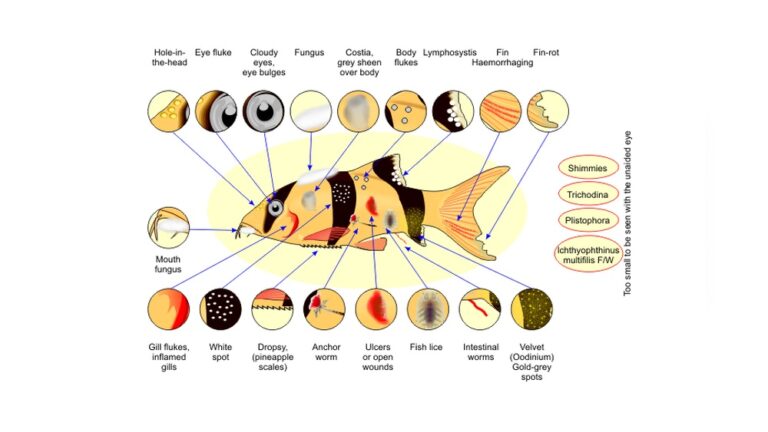
Hard water contains high levels of calcium and magnesium. These minerals can cause stress to fish. Stress weakens their immune system. Fish may develop cloudy eyes or faded colors. Scale damage and skin irritation are common. Some fish struggle to maintain balance. Hard water can also lead to kidney damage. It increases the risk of infections. Fish may show lethargy or loss of appetite.
Preventive Care
Regular water testing is key. Keep mineral levels stable and within safe limits. Use water conditioners to balance hardness. Provide a diet rich in vitamins and minerals. Clean the tank regularly to avoid bacteria build-up. Observe fish daily for any unusual behavior. Quarantine new fish before adding them to the tank. Maintain proper tank temperature and pH. These steps reduce stress and improve fish health.

Credit: www.aquariumcoop.com
How Smart Pets Lover Can Help You with Hard Water Fish
Exploring Hard Water Fish: A Hands-On Learning Journey
Understanding hard water fish goes beyond knowing their species or ideal tank setup—it’s about immersing yourself in the delicate balance of their environment. When adapting fish to hard water, patience and observation become your best tools. Notice how fish respond to changes in water hardness and pH, and adjust feeding routines accordingly to keep them thriving.
Setting up a tank for hard water fish offers practical lessons in water chemistry, filtration, and habitat design. Each step invites you to become more attuned to your aquatic companions’ needs, reflecting the deeper connection we cherish at Smart Pets Lover. Learning about common health issues in hard water fish also underscores the importance of proactive care and early detection.
For anyone passionate about responsible pet ownership, these experiences enrich your journey, transforming routine maintenance into meaningful moments of bonding. If you’re curious or need guidance, reaching out to local aquatic experts or forums can provide valuable insights—because every wag, purr, and splash tells a story worth nurturing.
Frequently Asked Questions
What Is Hard Water Fish?
Hard water fish thrive in water with high mineral content. They adapt to elevated levels of calcium and magnesium. These fish usually come from lakes or rivers with hard water conditions.
How To Identify Hard Water Fish Species?
Look for fish native to hard water habitats, like African cichlids. Research species known for tolerating high mineral content. Common examples include Convict cichlids, Silver dollars, and some livebearers.
Why Is Hard Water Important For Some Fish?
Hard water maintains stable pH and mineral balance needed by certain fish. It supports healthy bone and scale development. Soft water can stress or harm fish adapted to hard conditions.
How To Maintain Hard Water Aquarium Conditions?
Use mineral-rich substrates or add buffering agents to your tank. Regularly test water hardness and pH levels. Avoid using distilled or reverse osmosis water without re-mineralizing.
Conclusion
Hard water fish can thrive with proper care and attention. Choose species that like harder water to keep them healthy. Regular water tests help maintain the right conditions. Feeding them a balanced diet supports their growth and color. Keep the tank clean to prevent disease.
Enjoy watching these hardy fish live and swim happily. They add beauty and life to any aquarium setup. Caring for hard water fish is simple and rewarding. Try it and see the difference yourself.