Hammer Coral
If you’re looking to add a splash of vibrant life to your aquarium, Hammer Coral might just be the perfect choice for you. Its unique, waving tentacles and striking colors can transform any tank into a mesmerizing underwater paradise.
But there’s more to this coral than just looks—understanding how to care for it can make all the difference between a thriving reef and a struggling one. Keep reading, and you’ll discover everything you need to know to keep your Hammer Coral healthy and glowing, making your aquarium the envy of every hobbyist.
Hammer Coral Basics
Hammer Coral is a popular choice for reef aquariums. It belongs to the Euphyllia family. This coral is easy to care for and adds movement to any tank. Its unique shape and colors attract many hobbyists.
Physical Features
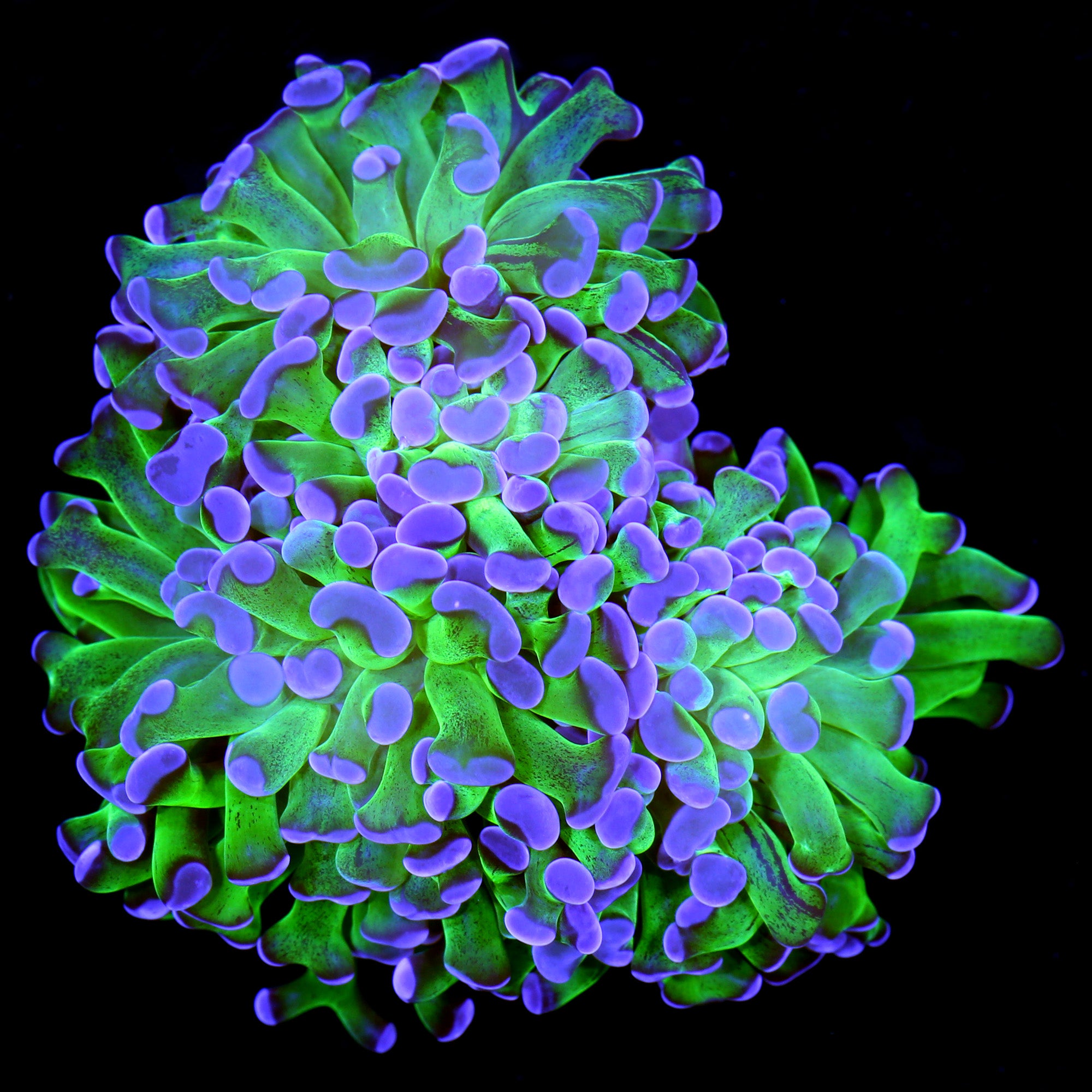
Hammer Coral has long, tubular tentacles. The tips look like the head of a hammer. These tentacles sway gently in water currents. This movement gives the coral a lively appearance. The coral has a hard skeleton beneath the soft tissue. It grows in branching clusters, creating a bushy look.
Color Variations
Hammer Coral comes in many colors. Common shades include green, brown, and yellow. Some have bright tips in white or pink. Color brightness depends on light and water quality. Different color patterns make each coral unique. Color variety adds beauty to reef tanks.
Credit: vividaquariums.com
Natural Habitat
Hammer Coral is a beautiful and unique coral found in the ocean. It has a special shape that looks like a hammer, which helps it catch sunlight and food. Understanding its natural habitat helps us learn how it lives and grows in the wild.
Geographic Locations
Hammer Coral lives mainly in the Indo-Pacific region. You will find it near countries like Indonesia, Fiji, and the Philippines. It grows on coral reefs in shallow waters. These areas have warm water and plenty of sunlight. The coral attaches itself to rocks or reef structures. It prefers places with clear water and steady ocean currents.
Environmental Conditions
This coral needs stable water temperatures between 75 and 82 degrees Fahrenheit. It thrives in salty water with good flow to bring nutrients. Too much sediment or pollution can harm it. The coral depends on sunlight to grow, so it stays in shallow areas. Light helps the tiny algae inside the coral make food. Strong waves or storms can damage the coral, so calm waters are best.
Care Requirements
Hammer Coral is a beautiful and unique coral that many aquarium hobbyists want. It needs the right care to stay healthy and grow well. Understanding its care needs helps you create a safe home for this coral. This section explains the key points to care for Hammer Coral.
Tank Setup
Choose a tank size of at least 20 gallons for Hammer Coral. Provide plenty of space for it to grow. Place the coral on a stable rock or substrate. Avoid strong water flow; gentle to moderate flow is best. Keep it away from aggressive corals that might sting or damage it.
Water Parameters
Maintain stable water conditions for Hammer Coral health. The temperature should stay between 75 and 80 degrees Fahrenheit. Keep salinity at 1.023 to 1.025 specific gravity. pH levels need to be steady, around 8.1 to 8.4. Monitor calcium and alkalinity regularly to support coral growth.
Lighting Needs
Hammer Coral prefers moderate lighting conditions. Use LED or T5 lights with a balanced spectrum. Avoid placing the coral directly under intense light to prevent bleaching. Adjust the light duration to about 8 to 10 hours per day. Observe the coral’s color to gauge if lighting is suitable.
Feeding Tips
Hammer Coral can get nutrients from water and light. Supplement its diet with small meaty foods like brine shrimp or plankton. Feed two to three times a week. Use target feeding to avoid overfeeding the tank. Watch for coral extension and color to check feeding success.
Growth And Propagation
Hammer Coral is a popular choice for many reef aquariums due to its unique shape and vibrant colors. Understanding its growth and propagation helps aquarists keep it healthy and thriving. This section covers how Hammer Coral grows and how to propagate it effectively.
Growth Patterns
Hammer Coral grows by extending its branches. New polyps form at the tips, creating a hammer-like shape. Growth speed depends on water quality, light, and nutrients. It usually grows slower than other corals but can fill space nicely over time. Healthy corals have firm, bright-colored tissue and show steady branch expansion.
Propagation Methods
Propagation of Hammer Coral is mainly done by fragging. This means cutting a branch to start a new colony. Use a sharp tool and cut cleanly to avoid damage. Place the frag in a stable spot with good water flow and light. It will attach and grow roots in weeks. This method helps increase coral numbers and share with other hobbyists.
Common Issues
Hammer Coral is a popular choice for many reef aquariums. It adds beauty and movement with its unique shape. Despite its charm, this coral faces some common problems. Knowing these issues helps keep Hammer Coral healthy and vibrant.
Diseases And Pests
Hammer Coral can suffer from diseases like tissue necrosis. This causes the coral’s flesh to die and peel away. Bacterial infections often trigger this problem. Pests such as flatworms and nudibranchs can harm the coral too. These tiny creatures feed on coral tissue. Early detection stops damage and saves the coral.
Stress Factors
Stress weakens Hammer Coral and slows growth. Sudden changes in water temperature stress the coral. Poor water quality also causes stress. High nitrate or phosphate levels harm coral health. Strong or direct lighting can bleach the coral. Moving the coral often adds stress. Stable and clean tank conditions help reduce stress.

Credit: candycorals.ca
Compatibility With Other Species
Hammer Coral is a popular choice for reef tanks due to its unique shape and vibrant colors. Knowing how it interacts with other species is key for a healthy aquarium. Compatibility affects the coral’s growth and the overall tank environment.
Fish And Invertebrate Compatibility
Many fish species live peacefully with Hammer Coral. Small, non-aggressive fish like clownfish and gobies are good tank mates. They do not harm the coral or compete for space.
Invertebrates such as cleaner shrimp and snails also coexist well. They help keep the tank clean without disturbing the coral. Avoid large or aggressive fish that may nip at the coral’s polyps.
Coral Compatibility
Hammer Coral grows well near other soft and LPS corals. It needs space to avoid touching aggressive corals like some SPS types. Close contact can cause stress or damage.
Keep Hammer Coral away from fast-growing corals that may overshadow it. Proper spacing ensures all corals receive enough light and water flow. This balance helps maintain a healthy reef tank.
Benefits In Reef Aquariums
Hammer Coral offers many benefits for reef aquariums. It adds beauty and supports a healthy environment. Many hobbyists enjoy its unique shape and colors. The coral also plays an important role in the aquarium’s ecosystem.
Aesthetic Appeal
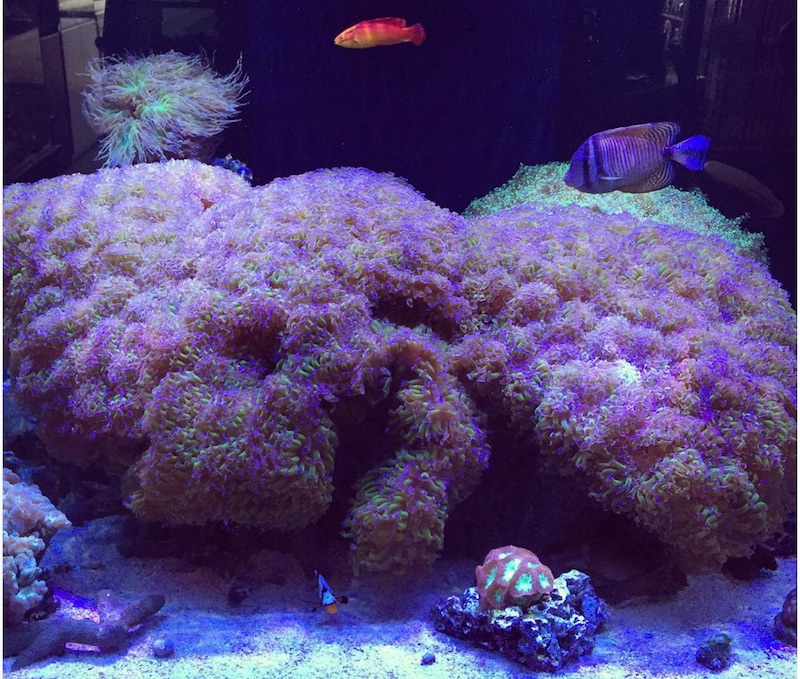
Hammer Coral has a distinctive look with its hammer-shaped tips. It comes in green, brown, and sometimes pink hues. These colors brighten the aquarium and create visual interest. Its moving polyps sway gently with water flow. This movement adds life and charm to any tank. The coral’s shape and color create a natural reef feel. It fits well with other corals and fish, enhancing the tank’s overall beauty.
Ecosystem Role
Hammer Coral helps keep the aquarium balanced. It provides shelter and hiding spots for small fish and invertebrates. The coral’s polyps capture plankton and nutrients from the water. This feeding helps reduce excess nutrients, improving water quality. It also offers surface area for beneficial bacteria to grow. These bacteria break down waste and keep the tank clean. Hammer Coral contributes to a stable and healthy reef system.
Credit: reefbuilders.com
How Smart Pets Lover Can Help You with Hammer Coral
Practical Learning with Your Hammer Coral
Getting to know your Hammer Coral beyond its basics can be a rewarding journey. Observing its natural habitat and care requirements helps you create a nurturing environment that mimics the gentle sway of ocean currents. This isn’t just about keeping your coral alive—it’s about fostering a tiny, vibrant ecosystem where growth and propagation become exciting milestones.
- Track water quality regularly to prevent common issues like bleaching or pests.
- Experiment with placement to find where your coral thrives best, considering compatibility with other species in your reef aquarium.
- Document growth patterns and changes, which can deepen your understanding and connection with this unique coral.
At Smart Pets Lover, we understand that every pet, whether furry, feathered, or finned, tells a story worth cherishing. If you ever feel unsure about your coral care, reaching out to fellow enthusiasts or experts can provide valuable insights. You can contact us anytime for thoughtful advice that supports your journey as a confident, caring pet parent.
Frequently Asked Questions
What Is A Hammer Coral?
Hammer Coral is a popular soft coral known for its unique hammer-shaped tentacles. It thrives in reef aquariums and adds vibrant color. This coral requires moderate lighting and gentle water flow to flourish, making it suitable for beginner to intermediate aquarists.
How To Care For Hammer Coral In Aquariums?
Hammer Coral needs stable water conditions with moderate light and gentle flow. Feed it small meaty foods occasionally. Maintain water parameters: temperature 72-78°F, pH 8. 1-8. 4, and low nitrates. Regular monitoring ensures healthy growth and vibrant coloration.
Can Hammer Coral Sting Other Corals?
Yes, Hammer Coral has sweeper tentacles that can sting nearby corals. Provide enough space between corals to prevent aggression. Careful placement in the tank minimizes contact and helps maintain harmony in reef setups.
What Water Parameters Suit Hammer Coral Best?
Ideal water conditions include temperature 72-78°F, salinity 1. 023-1. 025, pH 8. 1-8. 4, and low nitrates below 10 ppm. Stable alkalinity and calcium levels promote healthy skeleton growth. Consistent water quality is essential for Hammer Coral’s wellbeing.
Conclusion
Hammer coral adds beauty and life to any aquarium. It needs moderate light and clean water to thrive. Feeding it small, meaty foods helps keep it healthy. Watch its unique shape sway with the water flow. This coral attracts fish and creates a peaceful scene.
Caring for hammer coral brings joy and a sense of calm. Easy to grow, it fits well in many reef tanks. Try adding one to your tank for natural charm. A small effort leads to big rewards in your aquarium.