Guppy Grass
If you’re looking to create a vibrant and healthy environment for your aquarium, Guppy Grass might be just what you need. This fast-growing aquatic plant not only adds a splash of green but also helps keep your water clean and your fish happy.
Whether you’re a beginner or an experienced hobbyist, understanding how to care for Guppy Grass can transform your tank. Keep reading to discover simple tips and surprising benefits that will make your aquarium thrive like never before.
Guppy Grass Basics
Guppy Grass is a popular aquatic plant in freshwater tanks. It helps keep water clean and provides shelter for fish. Many aquarium owners like it for its fast growth and easy care. Understanding its basics helps you care for it well.
This section explains the origin, habitat, and physical traits of Guppy Grass. Knowing these facts will help you create the right environment for it to thrive.
Origin And Habitat
Guppy Grass comes from South America. It grows naturally in slow-moving rivers and ponds. The plant prefers warm water and soft soil. It often floats on the water surface or stays rooted in mud. This grass adapts well to different water conditions. It is common in tropical and subtropical regions.
Physical Characteristics
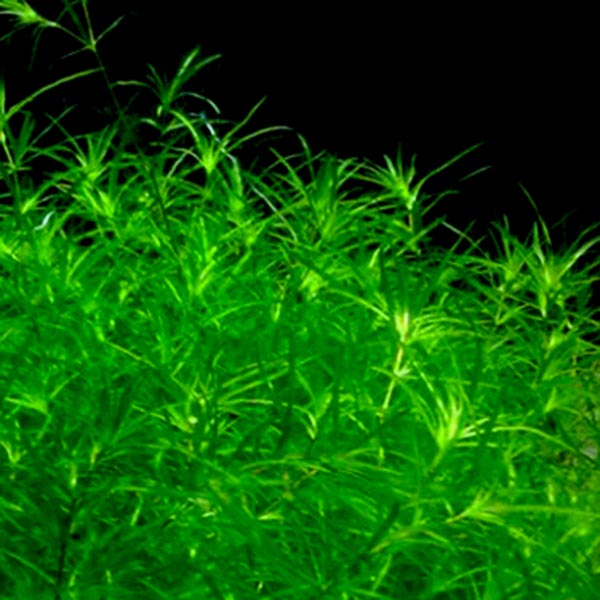
Guppy Grass has thin, long leaves that can grow up to 20 inches. The leaves are bright green and narrow. Its stems are flexible but strong enough to stay upright. The plant can grow both floating and rooted. It spreads quickly, making dense mats in the water. Tiny white flowers may appear on the surface during growth.

Credit: www.reddit.com
Growing Conditions
Guppy Grass is a popular aquatic plant known for its ease of care. Understanding its growing conditions helps it thrive in your aquarium. Proper care ensures healthy growth and vibrant green leaves.
Below are the key factors to consider for Guppy Grass growth.
Water Requirements
Guppy Grass grows best in fresh, clean water. It prefers water with a neutral pH level between 6.5 and 7.5. Keep the water temperature steady, ideally between 68°F and 82°F. Regular water changes help prevent algae and keep nutrients balanced. Avoid hard or salty water, as it can harm the plant.
Light And Temperature
Bright, indirect light works well for Guppy Grass. It needs about 10 to 12 hours of light daily to stay healthy. Too much direct sunlight can cause leaves to burn. Maintain aquarium temperature within 70°F to 80°F for best growth. Stable temperature avoids stress and supports vibrant color.
Soil And Substrate
Guppy Grass does not need special soil. It can grow well in gravel or sand substrates. The plant absorbs nutrients mainly from the water. Using a nutrient-rich substrate can boost growth but is not required. Ensure the substrate is clean and free from debris to prevent decay.
Planting And Propagation
Guppy Grass is a popular aquatic plant that adds beauty and oxygen to aquariums. Planting and propagation are simple and help maintain a healthy tank. Understanding the right methods will help you grow Guppy Grass fast and strong.
Planting Techniques
Start by choosing a spot with enough light. Guppy Grass grows well in moderate to high light. Place the plant gently into the substrate. Use fine gravel or sand to anchor the roots. Do not bury the stem too deep. Leave some part of the stem above the substrate. This prevents rotting and helps the plant grow better.
Propagation Methods
Propagation of Guppy Grass is easy. Cut a healthy stem just below a leaf node. New roots will grow from this node quickly. Place the cut stem in the substrate or float it in the tank. Both methods work well. Roots form in a few days, creating new plants. Regular trimming also encourages bushier growth and more shoots.
Credit: himadriaquatics.com
Care And Maintenance
Guppy Grass is a popular aquarium plant that needs simple care. It grows well with some attention to light, nutrients, and trimming. Proper maintenance keeps it healthy and vibrant. This section covers easy tips to care for your Guppy Grass.
Pruning Tips
Regular pruning helps Guppy Grass grow strong. Cut the stems to stop overgrowth. Remove dead or yellow leaves to keep the plant clean. Use sharp scissors to avoid damage. Prune every two weeks for best results.
Nutrient Needs
Guppy Grass absorbs nutrients from water and substrate. Add liquid fertilizer to support growth. Choose fertilizers with iron and potassium. Avoid overfeeding to prevent algae growth. Change water regularly to keep nutrients balanced.
Pest And Disease Control
Watch for pests like snails or algae on leaves. Remove pests by hand or use safe treatments. Keep water clean to avoid diseases. Remove any infected parts quickly. Healthy water and good care reduce problems.
Benefits In Aquariums
Guppy grass is a popular plant in many aquariums. It offers several benefits that help keep fish healthy and water clear. This plant is easy to care for and fits well in different tank sizes.
Its natural features make it a valuable part of the aquarium ecosystem. Guppy grass supports fish life and improves the tank environment. Below are some key benefits of guppy grass in aquariums.
Oxygen Production
Guppy grass produces oxygen through photosynthesis. This oxygen is essential for fish and other aquatic creatures. More oxygen means fish can breathe better and stay active. Healthy oxygen levels reduce stress for fish and help them grow.
Habitat For Fish
Guppy grass creates a safe place for fish to hide. Small fish and fry use it as shelter from predators. It also provides a place for fish to rest and explore. This plant helps fish feel secure and less stressed.
Water Quality Improvement
Guppy grass absorbs harmful nutrients like nitrates and phosphates. These nutrients come from fish waste and leftover food. Removing them keeps the water cleaner and clearer. Cleaner water means fewer algae blooms and healthier fish.
Common Issues
Guppy Grass is a popular plant for aquariums. It adds beauty and helps keep water clean. Like any plant, it faces some common problems. Knowing these issues helps keep your Guppy Grass healthy and green.
Algae Overgrowth
Algae can cover Guppy Grass leaves quickly. It blocks light and stops the plant from growing. Too much light or extra nutrients cause algae to grow fast. Reduce light hours and control feeding to limit algae. Gently clean leaves to remove algae buildup.
Yellowing Leaves
Yellow leaves are a sign of poor health. Lack of nutrients like iron or nitrogen causes this problem. Check water quality and add plant fertilizer if needed. Remove yellow leaves to help the plant focus on new growth.
Plant Melting
Plant melting means leaves turn transparent and fall off. Stress from sudden changes in water or light causes melting. Move the plant slowly to new tanks or adjust light slowly. Keep water stable and clean to prevent melting.
Compatibility With Aquatic Life
Guppy grass is a popular aquatic plant in many home aquariums. It creates a natural environment that benefits various aquatic creatures. Understanding its compatibility with aquatic life helps keep your tank healthy and balanced.
Suitable Fish Species
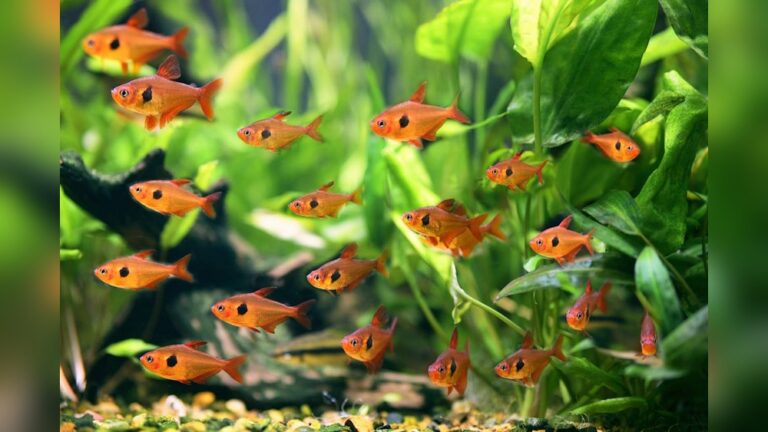
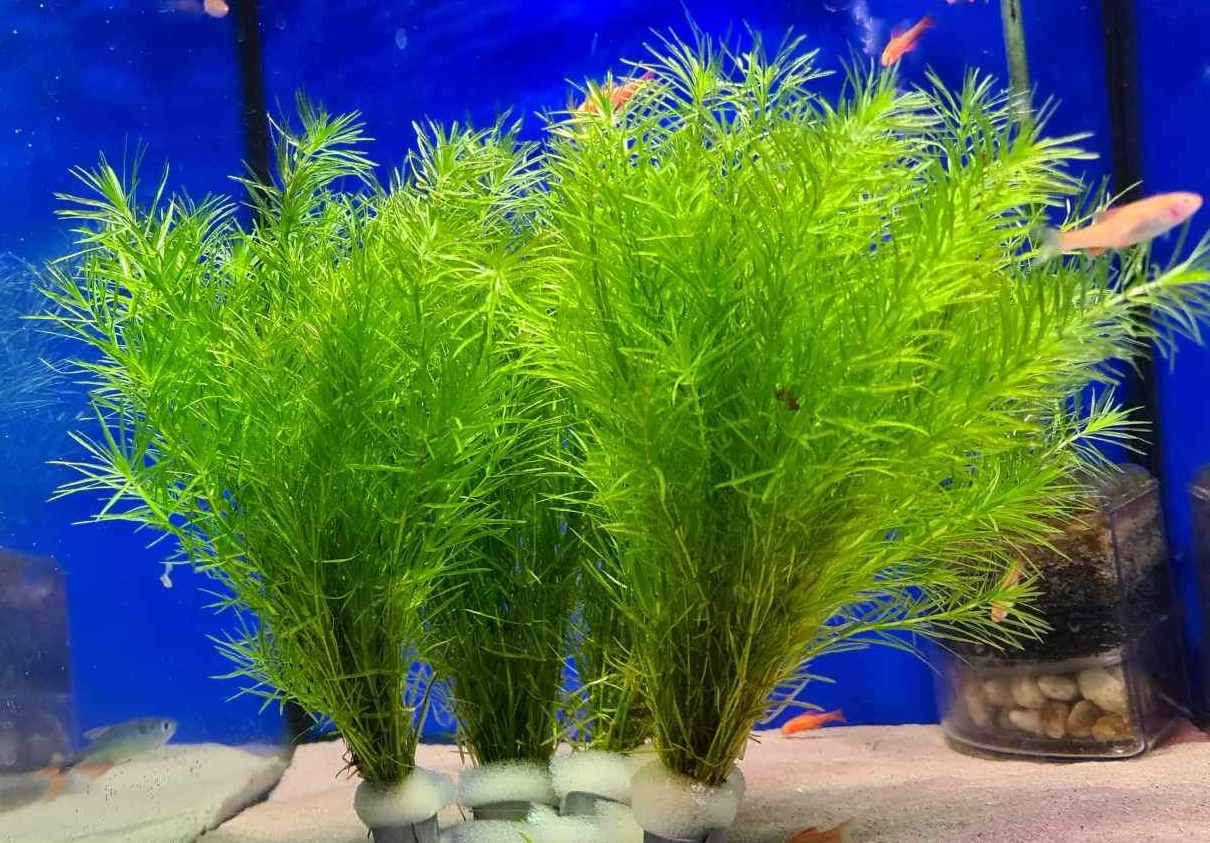
Guppy grass works well with many small fish species. Guppies enjoy hiding among its leaves. Tetras also swim happily around this plant. Small livebearers, like mollies and platies, find shelter here. It provides a safe space for fry to hide from predators. Slow-swimming fish, like bettas, appreciate the calm and cover it offers. Avoid large or aggressive fish that may uproot the plant.
Invertebrate Interactions
Freshwater shrimp thrive with guppy grass in the tank. They use it for food and shelter. Snails benefit as well, grazing on algae that grow on the leaves. The plant’s dense growth helps protect tiny invertebrates from strong currents. It supports a balanced ecosystem by offering hiding spots and surfaces for microorganisms. Guppy grass does not harm invertebrates, making it a safe choice for diverse tanks.
Credit: aquafloracanada.ca
How Smart Pets Lover Can Help You with Guppy Grass
Learning Through Guppy Grass: A Hands-On Aquarium Adventure
Understanding guppy grass goes beyond just knowing its growing conditions or care routines; it opens doors to practical learning that deepens your connection with aquatic life. By observing how guppy grass thrives in your tank, you can witness firsthand the benefits it brings—like natural filtration and shelter for your fish. This hands-on experience reinforces the importance of compatible aquatic plants in maintaining a balanced ecosystem.
For pet parents eager to sharpen their skills, experimenting with planting and propagation techniques provides valuable insights into plant biology and aquarium dynamics. It’s a chance to nurture life in a way that’s both rewarding and educational, aligning perfectly with Smart Pets Lover’s mission to empower pet lovers with confidence and knowledge.
- Try adjusting light and nutrient levels to see how guppy grass responds.
- Observe how it interacts with your fish, promoting natural behavior.
- Document growth patterns to anticipate care needs and troubleshoot issues.
If you have questions or want to share your guppy grass journey, connecting with communities or experts can be a great resource. Smart Pets Lover is here to support your learning path, making every aquatic adventure meaningful and joyful.
Frequently Asked Questions
What Is Guppy Grass In Aquariums?
Guppy Grass is an aquatic plant ideal for freshwater tanks. It provides hiding spots and breeding grounds for guppies. This plant improves water quality by absorbing nitrates. It’s easy to grow and maintain, making it popular among aquarium enthusiasts.
How Does Guppy Grass Benefit Fish Tanks?
Guppy Grass offers shelter and breeding areas for small fish. It helps maintain water quality by absorbing excess nutrients. The plant also reduces algae growth by competing for light and nutrients. Additionally, it oxygenates the water, promoting a healthy aquatic environment.
Can Guppy Grass Grow Without Soil?
Yes, Guppy Grass can grow without soil. It thrives by floating or rooting in gravel or sand. The plant absorbs nutrients directly from the water. This makes it versatile for different aquarium setups. Regular trimming helps maintain its health and appearance.
How Fast Does Guppy Grass Grow?
Guppy Grass grows rapidly under optimal conditions. With sufficient light and nutrients, it can double in size every week. Fast growth helps quickly cover tank surfaces. However, regular trimming is necessary to prevent overcrowding and maintain water flow.
Conclusion
Guppy grass grows fast and helps keep tanks clean. It gives fish a safe place to hide and play. This plant needs simple care and bright light to thrive. Adding guppy grass makes any aquarium look fresh and green. It also helps keep water healthy for your fish.
Try guppy grass to make your tank a better home. Small effort, big benefits.