Gulper Catfish
If you’re curious about unique and fascinating fish, the Gulper Catfish is one you don’t want to miss. This unusual creature stands out with its big mouth and surprising behavior.
Whether you’re an aquarium hobbyist or just love learning about nature, understanding the Gulper Catfish can change the way you see underwater life. Keep reading, and you’ll discover what makes this fish so special—and why it might be the perfect addition to your tank or knowledge collection.
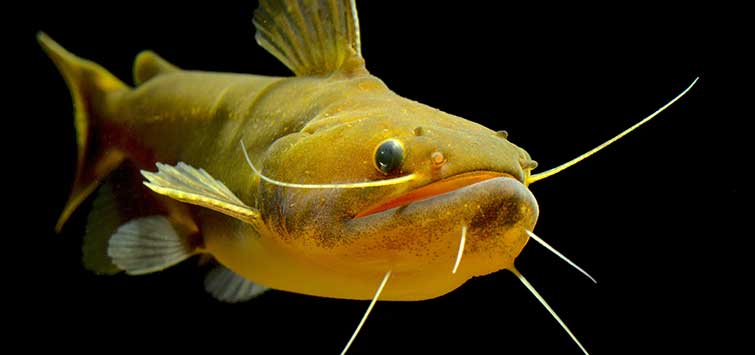
Credit: www.tfhmagazine.com
Gulper Catfish Basics
The Gulper Catfish is a fascinating freshwater fish with unique traits. It draws attention for its large mouth and unusual feeding habits. This fish is popular among aquarium lovers and nature enthusiasts. Knowing its basics helps in understanding and caring for it properly.
Below are key facts about the Gulper Catfish, covering its looks, home, and behavior.
Physical Characteristics
The Gulper Catfish has a large, wide mouth that can open very wide. Its body is elongated with smooth skin and lacks scales. Colors range from dark brown to gray, helping it blend in muddy waters. It has long barbels around its mouth, which help it sense food.
Natural Habitat
This catfish lives in slow-moving rivers and streams in South America. It prefers areas with muddy or sandy bottoms. The fish hides among rocks and submerged roots during the day. It thrives in warm, tropical water with low light levels.
Behavior Patterns
The Gulper Catfish is mostly nocturnal, active at night. It uses its large mouth to catch prey, swallowing large food items whole. The fish is solitary and tends to stay hidden during daylight. It is a slow swimmer but an efficient hunter in its habitat.
Diet And Feeding Habits
The Gulper Catfish has unique diet and feeding habits. These habits help it survive in its natural habitat. Understanding its diet is important for anyone interested in this fish. It also helps in caring for them properly in aquariums.
Preferred Food
The Gulper Catfish mainly eats small fish and insects. It also consumes crustaceans and worms. This catfish prefers live prey but can adapt to frozen or prepared food. A varied diet keeps the fish healthy and active.
Hunting Techniques
This catfish uses its large mouth to catch prey. It waits patiently near the riverbed. When prey comes close, it quickly gulps it down. Its hunting style relies on surprise and speed. It often hunts at night when it is safer and easier.
Feeding Frequency
The Gulper Catfish does not eat every day. Feeding it two to three times a week is enough. Overfeeding can cause health problems. It is best to feed small amounts that it can eat quickly. This mimics its natural feeding pattern in the wild.
Tank Setup And Environment
The tank setup and environment play a key role in keeping Gulper Catfish healthy and happy. These fish need a specific space and water condition to thrive. Proper decor also helps them feel secure and active. Setting up the tank right ensures your Gulper Catfish can live comfortably and display natural behaviors.
Tank Size Requirements
Gulper Catfish need a large tank due to their size and activity level. A tank of at least 55 gallons is recommended for one adult. Bigger tanks allow them to swim freely and reduce stress. Crowded tanks cause health problems and aggressive behavior. Keep in mind their potential growth when choosing tank size.
Water Conditions
Maintain water temperature between 74°F and 82°F for Gulper Catfish. They prefer a pH range of 6.5 to 7.5 and soft to moderately hard water. Regular water changes keep ammonia and nitrate levels low. Good filtration is essential to maintain clean water. Stable water conditions help prevent diseases and keep fish active.
Decor And Substrate
Use smooth, rounded stones or sand as substrate to protect their sensitive barbels. Provide hiding spots with driftwood, caves, or large rocks. These decorations mimic their natural habitat and reduce stress. Avoid sharp objects that can injure the fish. Live plants can improve water quality and offer shelter.

Credit: www.aqua-imports.com
Compatibility With Other Fish
The Gulper Catfish is an interesting fish to keep in a community tank. Its behavior and size play a big role in choosing tank mates. Understanding its compatibility helps create a peaceful aquarium environment. Proper pairing avoids stress and fights among fish. Below are key points about the Gulper Catfish’s compatibility with other fish.
Ideal Tank Mates
Gulper Catfish do well with medium to large fish. Avoid very small fish that the catfish might eat. Peaceful fish like larger tetras, gouramis, and angelfish work well. Bottom dwellers such as loaches and plecos also fit nicely. Choose fish with similar water needs to keep everyone healthy.
Aggression And Territoriality
Gulper Catfish are mostly peaceful but can show territorial behavior. They may defend their hiding spots or feeding areas. Aggression increases if the tank is too small or crowded. Male Gulpers can be more territorial, especially during breeding. Watch for signs of bullying and separate fish if needed.
Community Tank Tips
Provide plenty of hiding places using rocks, plants, and driftwood. This helps reduce stress and aggression. Keep the tank size large enough to allow space for all fish. Feed the Gulper Catfish well to prevent food competition. Regularly check fish behavior to ensure harmony. A calm tank makes the Gulper Catfish thrive.
Health And Common Issues
The Gulper Catfish is a hardy fish but can face health problems. Knowing signs of illness helps keep your fish safe. Early care prevents many common issues. Proper treatment aids recovery and keeps your tank healthy.
Signs Of Illness
Look for changes in behavior or appearance. A sick Gulper Catfish may stop eating. It might swim slowly or hide more than usual. Check for spots, redness, or swelling on the body. Gasping at the water surface shows breathing trouble. Faded color or torn fins also signal problems.
Preventive Care
Keep the tank clean with regular water changes. Test water quality often for safe conditions. Feed a balanced diet with proper nutrients. Avoid overcrowding to reduce stress and disease. Quarantine new fish before adding them to the tank. Use a good filter and maintain stable temperature.
Treatment Options
Isolate sick fish to stop the spread of illness. Use appropriate medicines for infections or parasites. Follow dosage instructions carefully to avoid harm. Change water frequently to improve healing. Monitor the fish daily and adjust care as needed. Seek expert advice for serious conditions.
Credit: www.reddit.com
Breeding Gulper Catfish
Breeding Gulper Catfish can be a rewarding experience for aquarium hobbyists. These fish have unique behaviors and needs during breeding. Understanding their habits helps create the right environment for successful spawning. Careful attention to water conditions and tank setup is essential.
Breeding Behavior
Gulper Catfish show interesting breeding behavior. Males guard the eggs after the female lays them. They become very protective and stay close to the nesting site. This behavior ensures the eggs stay safe from predators and debris. Watching this parental care can be fascinating for fish keepers.
Spawning Conditions
Spawning requires specific water conditions. Maintain a temperature between 75°F and 82°F (24°C to 28°C). Soft, slightly acidic water helps trigger breeding. Provide plenty of hiding spots with caves or hollow logs. Simulate rainy season by doing frequent water changes. This change encourages natural breeding instincts.
Raising Fry
After hatching, Gulper Catfish fry need gentle care. Keep the tank clean and stable. Feed them small live or frozen foods like baby brine shrimp. Avoid strong water currents to protect the fry. Gradually introduce larger foods as they grow. Patience and observation are key during this stage.
How Smart Pets Lover Can Help You with Gulper Catfish
Learning More Through Caring for Your Gulper Catfish
Understanding the unique needs of your Gulper Catfish opens a world of practical learning opportunities for any pet parent. Observing their diet and feeding habits, for example, teaches patience and attentiveness, as these bottom dwellers have specific preferences that impact their health. Setting up the right tank environment not only supports their wellbeing but also offers hands-on experience with aquatic ecosystems and water chemistry.
Compatibility with other fish encourages thoughtful decisions about community tanks, fostering skills in creating balanced habitats where all species can thrive. These insights align with the values of Smart Pets Lover, where every pet care journey deepens the bond between owner and animal, making you more confident and informed.
- Track feeding responses to learn about their dietary needs.
- Monitor tank conditions to maintain a healthy environment.
- Observe interactions with tank mates to understand social behavior.
If questions arise as you care for your Gulper Catfish, reaching out to aquatic care experts or trusted pet communities can be a great way to expand your knowledge. Remember, nurturing these fascinating creatures is not just about keeping fish alive—it’s about embracing a story where every splash tells a tale of connection and care.
Frequently Asked Questions
What Is A Gulper Catfish And Its Origin?
The Gulper Catfish is a freshwater fish native to South America. It is known for its large mouth and unique feeding habits. This species thrives in slow-moving rivers and floodplains.
How Big Do Gulper Catfish Grow?
Gulper Catfish can grow up to 3 feet long in captivity. In the wild, they may reach even larger sizes. Their size requires spacious tanks for proper care.
What Do Gulper Catfish Eat In Captivity?
They primarily eat small fish, insects, and crustaceans. In captivity, they accept pellets, frozen foods, and live prey. A varied diet ensures good health.
Are Gulper Catfish Suitable For Home Aquariums?
Gulper Catfish need large tanks and stable water conditions. They are semi-aggressive and require compatible tank mates. Proper care makes them a rewarding pet.
Conclusion
Gulper catfish are unique and interesting fish to keep. They have special features that make them stand out. Caring for them needs attention and patience. Their big mouths and peaceful nature add charm to any tank. They enjoy a calm environment with proper food.
Watching them can be fun and relaxing. Choose the right tankmates for a happy aquarium. These fish can bring joy to fish lovers everywhere. Consider adding a gulper catfish to your collection. It’s a simple way to enjoy nature at home.