Gourami Fish
Are you thinking about adding a new fish to your aquarium? Gourami fish might be the perfect choice for you.
These colorful and peaceful fish are easy to care for and can bring life to any tank. Whether you’re a beginner or an experienced fish keeper, understanding how to care for gouramis will help your aquarium thrive. Keep reading to discover everything you need to know about these fascinating fish and how they can brighten your underwater world.
Credit: theaquariumparadise.com
Gourami Species
Gourami species are a popular group of freshwater fish. They are known for their bright colors and peaceful nature. These fish make great pets for beginners and experts alike. Many types of gouramis exist, each with unique traits and care needs.
Understanding the different gourami species helps choose the right fish for your tank. They vary in size, shape, and behavior. Learning about their natural habitat also helps replicate the best environment at home.
Popular Types
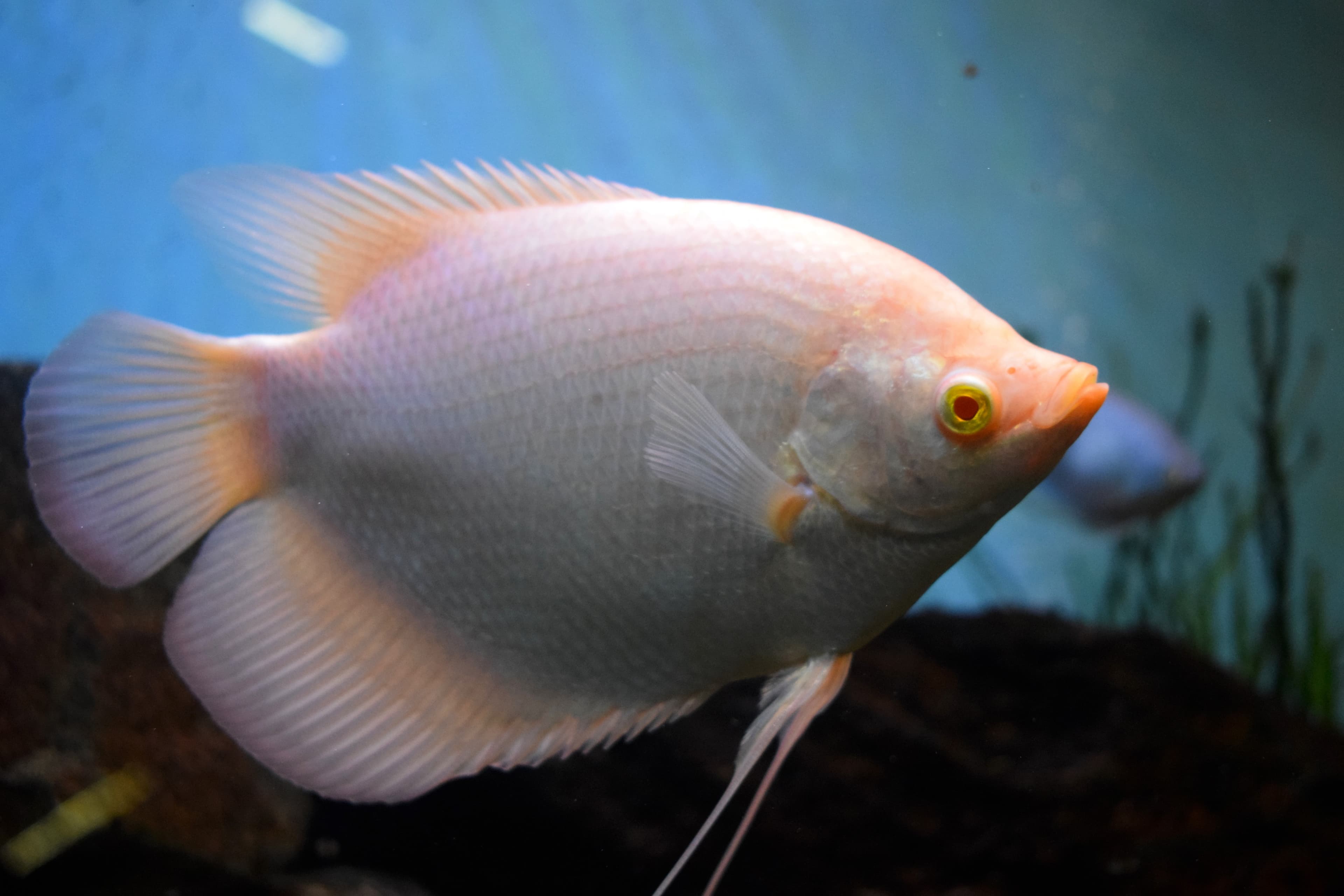
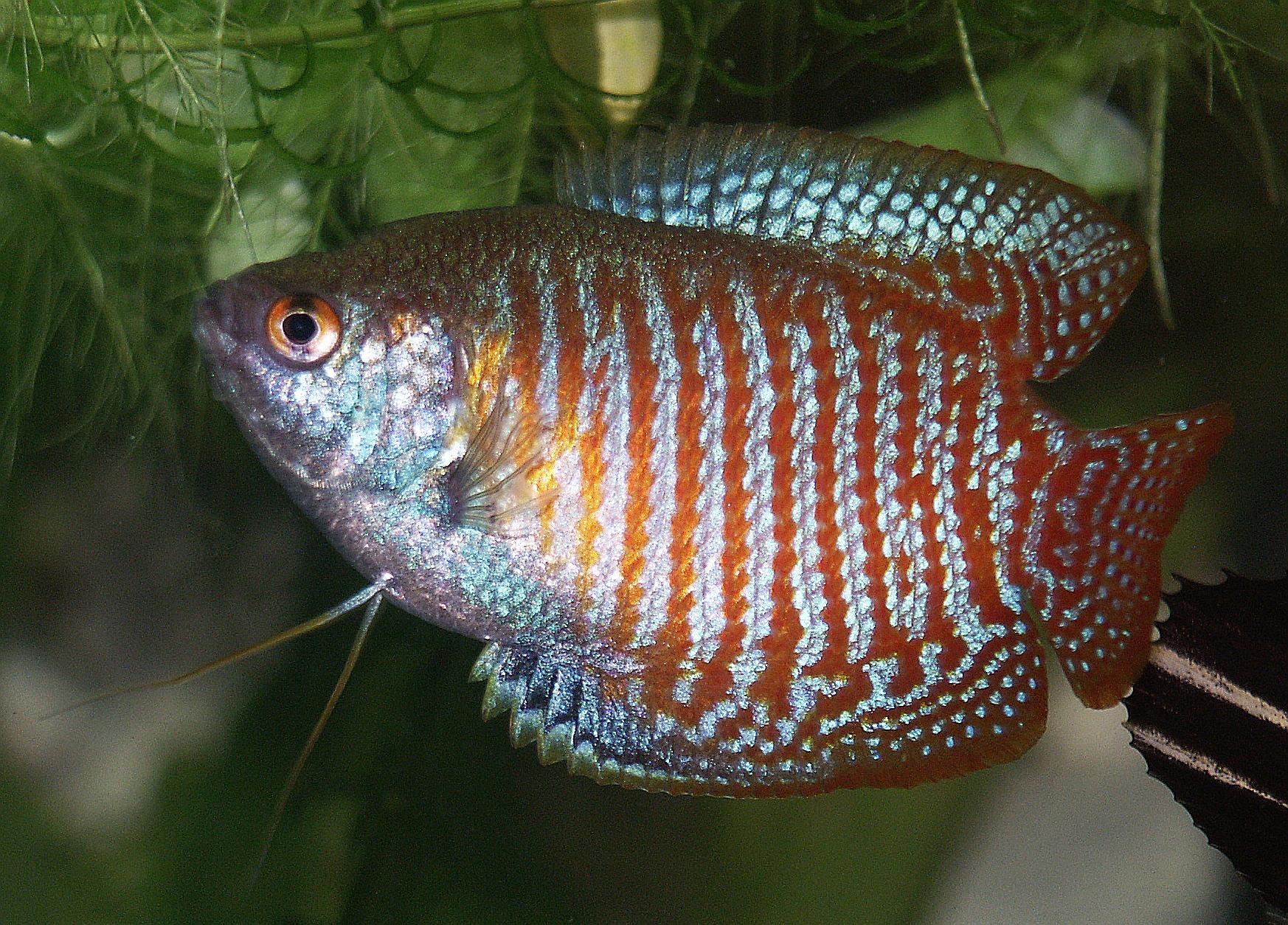
Some gourami species are more common in aquariums. The Dwarf Gourami is small and colorful. The Pearl Gourami has a shiny, dotted body. The Kissing Gourami is larger and has a unique mouth shape. Each type offers something special for fish lovers.
Physical Characteristics
Gouramis have a flat, oval body shape. Their fins are often long and flowing. Colors range from bright reds and blues to soft pastels. Many gouramis have a shiny, metallic look. They also have special feelers called labyrinth organs. These help them breathe air from the surface.
Natural Habitat
Gouramis come from slow-moving rivers and ponds in Asia. They live among plants and roots in freshwater. They prefer warm water with a gentle flow. Their natural environment is rich in oxygen and shelter. Mimicking these conditions helps gouramis thrive in tanks.
Tank Setup
Setting up the right tank for your Gourami fish is key for their health and happiness. A proper tank mimics their natural home. It offers space to swim and places to hide. Good tank setup makes your fish active and colorful.
Each element of the tank matters. From size to water quality and decorations, every detail counts. Understanding these needs helps you create a perfect environment for your Gourami fish.
Tank Size Requirements
Gouramis need enough room to swim freely. A tank of at least 20 gallons suits most types. Larger species may need tanks over 30 gallons. Keep in mind, more space means healthier fish. Overcrowding causes stress and illness.
Water Conditions
Gouramis thrive in warm water between 75°F and 82°F. Maintain pH levels from 6.0 to 7.5 for best health. Regular water changes keep the tank clean. Use a gentle filter to avoid strong currents. Stable water conditions help prevent disease.
Plants And Decorations
Live plants create a natural feel and offer hiding spots. Floating plants are great because Gouramis like surface cover. Use smooth decorations to avoid injury. Provide caves or driftwood for shelter. A well-decorated tank reduces fish stress and encourages natural behavior.
Feeding Gouramis
Feeding gouramis is key to keeping them healthy and happy. Their diet needs to be balanced and varied. Proper feeding helps gouramis grow and stay active.
Diet Options
Gouramis eat both plants and small animals. Offer high-quality flakes or pellets made for tropical fish. Live foods like brine shrimp or bloodworms add protein. Frozen foods also work well. Include some vegetables like blanched spinach or peas. Variety keeps their diet interesting and nutritious.
Feeding Frequency
Feed adult gouramis once or twice a day. Young gouramis need feeding three times daily. Give only as much food as they can eat in two minutes. Consistent feeding times help gouramis stay healthy. Avoid skipping meals to prevent stress and illness.
Avoiding Overfeeding
Too much food causes water pollution and health problems. Remove uneaten food after feeding to keep the tank clean. Overfeeding can lead to obesity in gouramis. Stick to recommended amounts to protect your fish. Clean water supports good fish health and growth.
Credit: en.wikipedia.org
Behavior And Temperament
Gourami fish have unique behavior and temperament that make them popular in aquariums. They are peaceful but can show interesting social traits. Understanding their nature helps create a happy tank environment.
Their calm demeanor and occasional displays of assertiveness make them fun to watch. Observing their habits reveals how they interact with others and react to their surroundings.
Social Behavior
Gouramis enjoy company but prefer small groups. They often swim calmly together and share spaces. Males may display gentle courtship dances to attract females. They also use their long fins to explore and communicate. These fish like hiding spots and plants to feel safe.
Compatibility With Other Fish
Gouramis generally get along with peaceful fish. Avoid placing them with very aggressive species. They prefer tank mates that swim at mid-level or bottom. Fast or noisy fish may stress gouramis. Adding slow-moving fish helps maintain harmony in the aquarium.
Common Aggression Signs
Gouramis rarely show strong aggression but do have warning signals. They flare their fins to look bigger. Males may chase rivals during breeding. Biting or nipping happens if they feel threatened. Watch for constant chasing or damaged fins as signs of stress.
Breeding Gouramis
Breeding gouramis can be a rewarding experience for aquarium enthusiasts. These colorful fish show interesting behaviors during breeding. Understanding their needs helps ensure success and healthy offspring.
Breeding Setup
Choose a separate tank for breeding gouramis. Use a small aquarium of about 10 gallons. Keep the water temperature between 78 and 82°F. Add floating plants or soft-leaved plants. They provide shelter and help bubble nest building. Maintain clean water with gentle filtration. Avoid strong water currents that can damage the bubble nest.
Mating Rituals
Male gouramis build bubble nests on the water surface. They blow bubbles and stick them together using saliva. The male shows bright colors to attract the female. He often flares his fins and swims around. The female approaches the nest and releases eggs. The male collects eggs in his mouth and places them in the nest. He guards the nest carefully until the eggs hatch.
Raising Fry
Eggs hatch in about 24 to 36 hours. Fry remain in the bubble nest for a few days. After that, they swim freely. Feed the fry with infusoria or liquid fry food at first. Gradually introduce baby brine shrimp or finely crushed flakes. Keep the water clean and warm. Remove the male after hatching to prevent aggression. Monitor growth and water quality closely during this stage.
Health And Diseases
Gourami fish are popular pets known for their bright colors and peaceful nature. Keeping them healthy is key to a happy aquarium. Like all fish, gouramis can face health problems. Knowing about common diseases helps in quick action. Healthy fish live longer and show better colors. Understanding their health needs keeps your tank safe and lively.
Common Illnesses
Gouramis often suffer from diseases like Ich, fin rot, and fungal infections. Ich shows as white spots on the body and fins. Fin rot causes torn and ragged fins. Fungal infections look like white cottony patches on skin. Bacterial infections may cause swelling or ulcers. Stress can weaken their immune system, making illness more likely.
Prevention Tips
Keep water clean and well-filtered to avoid diseases. Regular water changes remove harmful waste. Avoid overfeeding; extra food pollutes water. Use a good quality fish food for balanced nutrition. Quarantine new fish before adding them to the tank. Monitor water temperature and pH to suit gourami needs. Stress reduction helps maintain strong immunity.
Treatment Options
Early treatment stops diseases from spreading. Use aquarium salt to treat minor infections. Medications like anti-fungal or antibacterial medicines work well. Follow instructions carefully for dosage and duration. Remove sick fish to a separate tank if possible. Increase aeration and maintain clean water during treatment. Consult a vet or expert for severe cases.
Maintenance Tips
Keeping your Gourami fish healthy takes effort and care. Regular maintenance ensures a clean and safe environment. It helps your fish live longer and stay active.
Regular Cleaning
Clean the tank every week. Remove uneaten food and debris. Change 20-25% of the water to keep it fresh. Use a gravel vacuum to clean the bottom. Avoid cleaning all parts at once to preserve beneficial bacteria.
Water Quality Testing
Test water regularly for ammonia, nitrite, and nitrate. Keep pH between 6.0 and 7.5 for Gouramis. Temperature should stay around 75-82°F (24-28°C). Use a water test kit for easy checks. Adjust water conditions quickly if levels are off.
Monitoring Fish Health
Watch your Gourami daily for signs of stress or illness. Look for changes in color or behavior. Check for clamped fins or spots on the body. Remove sick fish to avoid spreading disease. Keep the tank stable to reduce stress.

Credit: en.wikipedia.org
How Smart Pets Lover Can Help You with Gourami Fish
Learning Through Caring for Your Gourami Fish
Understanding the unique behavior and temperament of Gouramis opens up a wonderful chance to deepen your connection with these captivating fish. Observing their social interactions not only enriches your experience but also helps you tailor tank setups that promote their well-being. For instance, recognizing how Gouramis respond to different environments can guide you in creating a balanced, peaceful habitat that mimics their natural surroundings.
Feeding Gouramis is another practical learning opportunity. Experimenting with various diets encourages you to appreciate the importance of nutrition and routine in fish health. This hands-on approach aligns perfectly with the values we cherish at Smart Pets Lover—supporting pet parents in becoming confident, informed caregivers.
- Monitor changes in behavior to catch early signs of health issues.
- Adjust tank conditions based on your observations to maintain a thriving environment.
- Keep a journal of feeding habits and breeding attempts to track progress.
If you ever need advice or want to share your Gourami journey, Smart Pets Lover is here as a friendly resource. Remember, every moment spent caring for your fish is a story of connection and learning, making your aquarium a lively, loving home.
Frequently Asked Questions
What Is The Ideal Tank Size For Gourami Fish?
A 20-gallon tank is ideal for a single Gourami. Larger tanks are needed for multiple fish. Proper space ensures healthy growth and reduces stress.
How Often Should I Feed My Gourami Fish?
Feed your Gourami twice daily with small amounts. Use high-quality flakes, pellets, or live food. Avoid overfeeding to prevent water quality issues.
Are Gourami Fish Compatible With Other Species?
Gouramis are generally peaceful but can be territorial. They coexist well with non-aggressive fish like tetras and rasboras. Avoid fin-nipping species for harmony.
What Water Conditions Do Gourami Fish Prefer?
Gouramis thrive in water temperatures between 72-82°F. Maintain pH levels from 6. 0 to 7. 5. Soft to moderately hard water suits them best.
Conclusion
Gourami fish bring color and life to any aquarium. They are easy to care for and peaceful by nature. Choosing the right tank setup helps them thrive and stay healthy. Watching their unique behaviors makes fishkeeping more fun and relaxing.
Keep their water clean and feed them well for best results. Gouramis suit both beginners and experienced hobbyists alike. Enjoy the calm beauty these fish add to your home.