Gold Tetra
If you’re looking to add a splash of vibrant color and lively energy to your aquarium, the Gold Tetra is a perfect choice. This small, shimmering fish isn’t just beautiful; it’s also easy to care for, making it ideal whether you’re new to fishkeeping or a seasoned hobbyist.
Imagine watching your tank come alive with their golden glow and graceful movements. Ready to discover everything you need to know about keeping Gold Tetras happy and healthy? Keep reading, and you’ll find simple tips and insider secrets that will transform your aquarium into a stunning underwater world.

Credit: aquadiction.world
Gold Tetra Basics
The Gold Tetra is a popular freshwater fish known for its bright color and peaceful nature. It is a great choice for beginner aquarists and small community tanks. This fish adds a warm glow to any aquarium with its shimmering gold hues. Understanding its basic needs helps keep it healthy and happy.
Below are key facts about the Gold Tetra’s look, home, and behavior.
Appearance And Colors
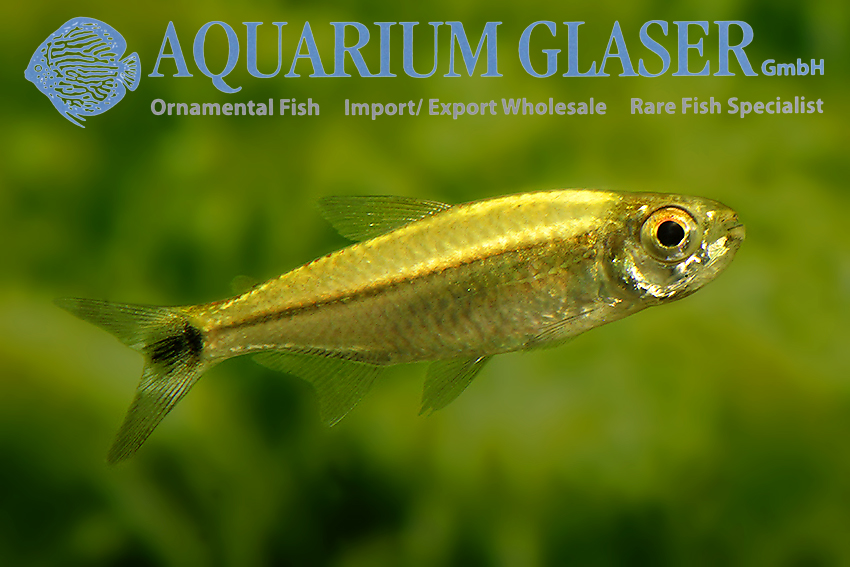
Gold Tetras have a shiny golden body that stands out easily. Their scales reflect light, creating a glowing effect. They usually grow to about 1.5 inches long. Their fins are mostly clear with a slight yellow tint. This simple yet beautiful color pattern makes them very attractive.
Natural Habitat
Gold Tetras come from slow-moving rivers and streams in South America. They prefer warm water with a temperature around 72 to 79 degrees Fahrenheit. Their natural environment has plants, wood, and soft sand. These conditions help them feel safe and comfortable.
Behavior Traits
Gold Tetras are peaceful and social fish. They like to swim in groups of six or more. This schooling behavior helps reduce stress. They are active during the day and rest at night. Gold Tetras get along well with other small, calm fish species.
Credit: www.aquariumglaser.de
Tank Setup
Setting up the right tank is key for Gold Tetra health and happiness. Their small size does not mean they need little space. Creating a balanced environment helps them thrive and show their colors.
Ideal Tank Size
A tank of at least 20 gallons suits a small group of Gold Tetras. They are active swimmers and enjoy space to move. More space means less stress and better water quality. Plan for a group of six or more for natural behavior.
Water Conditions
Gold Tetras prefer soft, slightly acidic water. Keep pH between 6.0 and 7.0. Temperature should stay between 72°F and 79°F. Use a gentle filter to keep water clean without strong currents. Regular water changes keep the tank stable and healthy.
Plants And Decorations
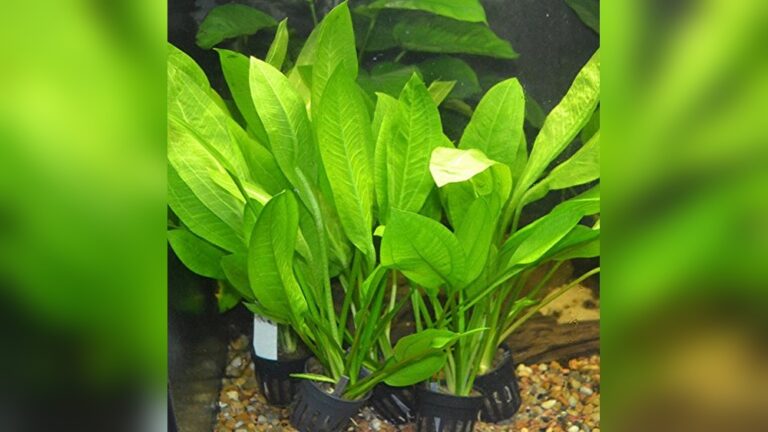
Live plants add oxygen and hiding spots. Java fern, hornwort, and Amazon sword work well. Provide dark substrate to mimic their natural habitat. Add smooth rocks and driftwood for shelter. Avoid sharp decorations that may harm the fish.
Feeding Gold Tetras
Feeding Gold Tetras is a simple but important part of keeping them healthy. These small fish need a balanced diet to stay active and colorful. Knowing what and how often to feed them helps maintain their well-being. Proper feeding supports their growth and vibrant appearance.
Gold Tetras enjoy a variety of foods. A mix of different types keeps their meals interesting and nutritious. Understanding their diet preferences and feeding frequency is key to their care.
Diet Preferences
Gold Tetras prefer small, easy-to-eat foods. They like flakes, pellets, and live foods. They also enjoy frozen foods like brine shrimp or daphnia. Variety in their diet prevents boredom and provides essential nutrients. They eat both plant and animal matter for a balanced diet.
Feeding Frequency
Feed Gold Tetras two times a day. Small portions work best to avoid overfeeding. Watch them eat and stop when they lose interest. Overfeeding can cause water problems and health issues. Regular but controlled feeding keeps them healthy and happy.
Best Food Types
High-quality flake food is a good base diet. Supplement with live or frozen foods for protein. Bloodworms, brine shrimp, and daphnia are excellent choices. Occasionally offer vegetable matter like spirulina flakes. This mix ensures they get all needed nutrients.
Health And Care
Gold Tetras are bright and active fish that need good care to stay healthy. Their health depends on clean water, proper food, and a stress-free environment. Watching them daily helps catch problems early. Healthy Gold Tetras live longer and show their best colors.
Understanding common diseases, how to prevent them, and signs of stress keeps your fish happy. This knowledge protects your aquarium from serious issues.
Common Diseases
Gold Tetras can get diseases like Ich, fin rot, and fungal infections. Ich shows as white spots on the body and fins. Fin rot causes torn or ragged fins. Fungal infections look like white cotton on the skin. These diseases spread fast if not treated early.
Preventive Measures
Keep the tank clean and change water regularly. Feed a balanced diet with good quality flakes or pellets. Avoid overcrowding the tank to reduce stress. Quarantine new fish before adding them to the tank. Use a good filter to maintain water quality. Stable temperature and pH help prevent illness.
Signs Of Stress
Stress in Gold Tetras shows as hiding, loss of color, or slow swimming. They may stop eating or gasp at the surface. Clamped fins and rapid gill movement are also warning signs. Stress weakens their immune system, leading to disease. Spot these signs early to protect your fish.
Breeding Gold Tetras
Breeding Gold Tetras is a rewarding experience for aquarium enthusiasts. These small, vibrant fish reproduce well in home tanks with the right care. Understanding their breeding habits helps increase success. This section covers ideal conditions, spawning behavior, and raising fry.
Breeding Conditions
Gold Tetras prefer soft, slightly acidic water for breeding. Maintain a temperature between 78°F and 82°F. Use a separate breeding tank with fine-leaved plants or spawning mops. Keep the water clean and well-oxygenated. Dim lighting encourages spawning activity. Feed adults high-quality live or frozen foods to boost health.
Spawning Process
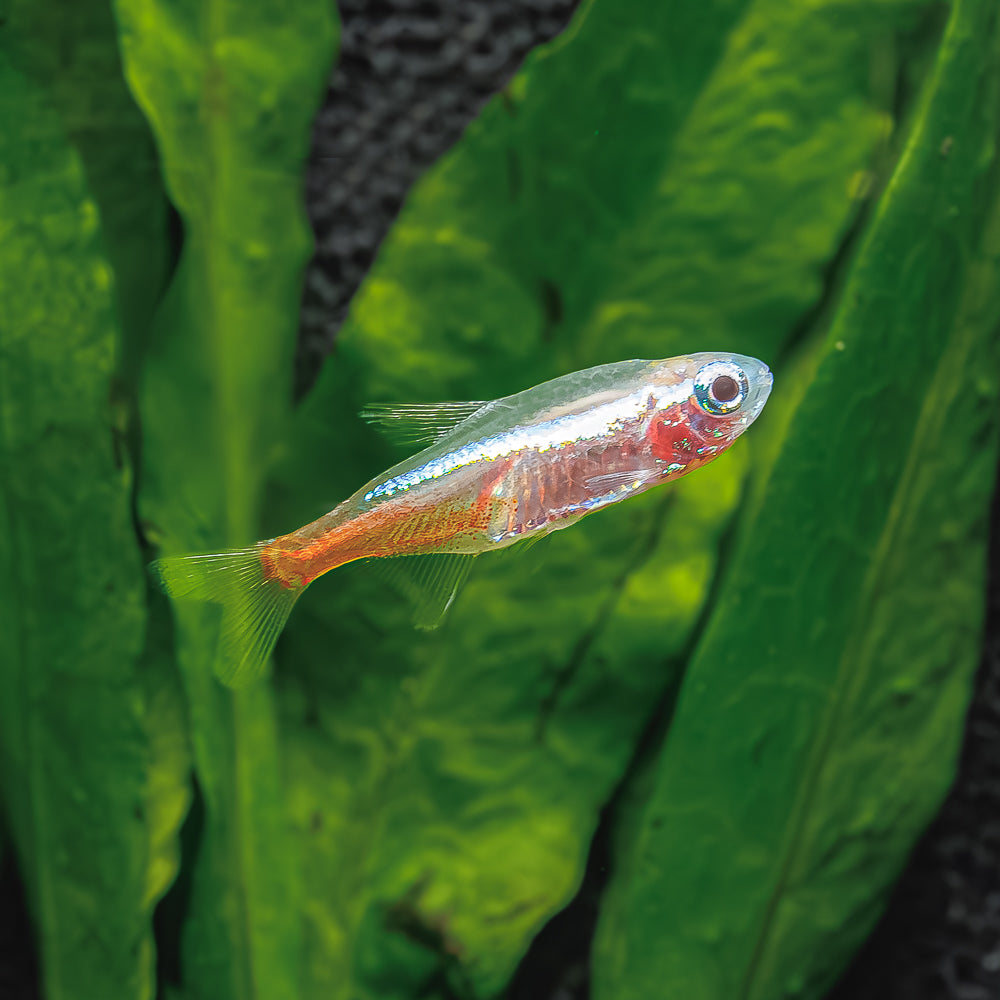
The male Gold Tetra displays bright colors to attract females. Spawning usually happens in the early morning. Females scatter eggs among plants or mops. Males fertilize the eggs immediately. Remove adults after spawning to prevent egg predation. Eggs hatch within 24 to 36 hours, depending on temperature.
Raising Fry
Fry are very small and fragile at birth. Feed them tiny infusoria or liquid fry food at first. Gradually introduce baby brine shrimp as they grow. Keep water clean with gentle filtration. Frequent small water changes help maintain quality. Provide hiding spots to reduce stress and improve survival.
Credit: flipaquatics.com
Community Tank Compatibility
The Gold Tetra is a peaceful and colorful fish, perfect for community tanks. It lives well with many other small, non-aggressive fish. Understanding its compatibility helps create a calm and happy aquarium.
Choosing the right tank mates and managing their behavior keeps the environment safe. This section explains how to keep Gold Tetras comfortable with others.
Suitable Tank Mates
Gold Tetras do well with small, peaceful fish. Examples include Neon Tetras, Corydoras, and small Rasboras. Avoid large or aggressive fish that may harm them.
Fish that share similar water needs make good companions. Staying with species that prefer soft, slightly acidic water helps all fish thrive.
Avoiding Aggression
Aggression can stress Gold Tetras and cause health problems. Keep the tank crowded enough to spread out fish but not too crowded. Provide hiding places like plants and decorations to reduce stress.
Watch for signs of bullying or chasing. Removing aggressive fish quickly prevents harm to the Gold Tetras.
Social Behavior
Gold Tetras are schooling fish. They feel safest in groups of six or more. Group living reduces fear and shows their natural behavior.
They are active swimmers and enjoy exploring together. Providing open swimming space helps them stay healthy and happy.
How Smart Pets Lover Can Help You with Gold Tetra
Learning Through Caring for Your Gold Tetras
Welcoming Gold Tetras into your home isn’t just about adding vibrant life to your aquarium—it’s also an opportunity to deepen your practical knowledge of fish care. For instance, setting up the right tank environment teaches you the delicate balance of water parameters and aquascaping, which are essential for their health and happiness. Observing their feeding habits can help you understand nutritional needs and recognize early signs of stress or illness, reinforcing lessons in health and care.
- Monitor water temperature and pH regularly to maintain a stable habitat.
- Practice varied feeding routines to support their natural behaviors and vitality.
- Note interactions with other species to better grasp community tank compatibility.
At Smart Pets Lover, we believe that every interaction with your Gold Tetras builds a stronger bond and a greater sense of responsibility. If you ever need guidance or want to share your experiences, reaching out to a community of fellow pet parents can be invaluable. It’s all part of our mission to help you feel confident and connected, where every wag, purr, and chirp tells a story.
For further questions, consider contacting local aquatic experts or reputable forums dedicated to fish care—support is always within reach as you continue this rewarding journey.
Frequently Asked Questions
What Is A Gold Tetra Fish?
Gold Tetra is a small, vibrant freshwater fish known for its golden-orange color. It is popular in home aquariums due to its peaceful nature and easy care requirements.
How Big Do Gold Tetras Grow?
Gold Tetras typically grow to about 1. 5 to 2 inches (3. 8 to 5 cm) in length. They remain small, making them ideal for community tanks.
What Water Conditions Suit Gold Tetras?
Gold Tetras thrive in water temperatures between 72°F and 79°F (22°C-26°C). They prefer slightly acidic to neutral pH, around 6. 0 to 7. 5, and clean, well-filtered water.
What Do Gold Tetras Eat?
Gold Tetras are omnivores. They eat flake foods, small live foods, and frozen foods like brine shrimp or daphnia. A varied diet keeps them healthy.
Conclusion
Gold Tetras bring life and color to any aquarium. They are easy to care for and peaceful. These fish enjoy swimming in groups and need space to thrive. Feeding them a balanced diet keeps them healthy. Watching their bright gold scales shimmer is always a joy.
Adding Gold Tetras can brighten your tank and mood. Remember to keep the water clean and stable. Small efforts lead to happy, healthy fish. Gold Tetras truly make a lovely, lively addition to your home.