Glofish Betta
Are you looking to add a splash of vibrant color to your aquarium? The Glofish Betta might be just what you need.
These stunning fish combine the graceful beauty of bettas with glowing, eye-catching hues that make your tank come alive. If you want to know how to care for them, what makes them special, and how to create the perfect environment for your Glofish Betta, keep reading.
You’ll discover simple tips that will help your fish thrive and make your aquarium the highlight of any room.
Glofish Betta Traits
The Glofish Betta is a unique and colorful fish loved by many aquarium hobbyists. It stands out with its bright colors and lively movements. These fish bring life and energy to any tank. Understanding their traits helps in caring for them properly.
Color Variations
Glofish Bettas come in bright neon colors. Common colors include red, blue, green, and orange. Their glowing colors come from special genes. These colors shine under LED lighting. The vibrant shades make them eye-catching and fun to watch.
Size And Shape
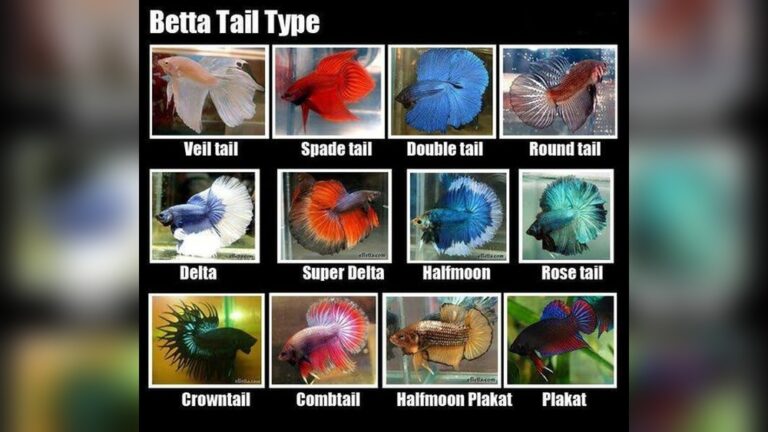
These fish usually grow up to 3 inches long. They have a slim, sleek body shape. Their fins are long and flowing. The shape helps them swim with ease. Their size fits well in small to medium tanks.
Behavior Patterns
Glofish Bettas are known for being active and curious. Males can be aggressive toward other males. They like to explore their tank space. They often flare their fins to show dominance. Bettas also enjoy resting on leaves or decorations.
Tank Setup
Setting up the right tank for your Glofish Betta is important for its health and happiness. The tank must mimic a natural environment. This helps your Betta feel safe and active. Proper tank setup also keeps water clean and stable. Let’s explore the key factors for a perfect Glofish Betta tank.
Tank Size Requirements
Glofish Bettas need enough space to swim freely. A tank of at least 5 gallons is best. Smaller tanks can stress the fish. Bigger tanks provide better water quality. Avoid overcrowding the tank with too many fish.
Water Conditions
Keep the water temperature between 75 and 80°F. Bettas prefer warm, stable water. The pH should stay between 6.5 and 7.5. Use a gentle filter to keep water clean. Change 20% of the water weekly to avoid waste buildup.
Plants And Decorations
Live plants improve water quality and offer hiding spots. Choose soft-leaf plants like Java fern or Anubias. Decorations must have no sharp edges to protect fins. Add caves or smooth rocks for resting places. Avoid overcrowding to maintain swimming space.
Feeding Glofish Betta
Feeding Glofish Betta is important for their health and vibrant colors. Proper feeding helps them stay active and live longer. Knowing what to feed and how often keeps them happy and strong.
Diet Essentials
Glofish Betta need a balanced diet with protein. High-quality Betta pellets are a good base. Freeze-dried or frozen bloodworms and brine shrimp add variety. Live food helps boost their natural hunting skills. Avoid overfeeding to prevent health problems.
Feeding Schedule
Feed your Glofish Betta twice a day. Small portions each time work best. Remove any uneaten food after a few minutes. This keeps the water clean and fish healthy. Consistent timing helps maintain their routine and digestion.
Foods To Avoid
Do not feed Glofish Betta bread, flakes, or human food. These can harm their digestive system. Avoid overfeeding, as it causes obesity and water pollution. Stay away from low-quality or expired food. Keep their diet simple and safe.

Credit: www.youtube.com
Health Care
Glofish Betta need proper health care to live well. Healthy fish show bright colors and active movements. Taking care of their health helps them stay happy and live longer. Understanding their common diseases, ways to prevent problems, and signs of stress is important for every owner.
Common Diseases
Glofish Betta can get illnesses like fin rot, ich, and velvet. Fin rot causes ragged fins and redness. Ich shows as white spots on the body and fins. Velvet makes the fish look dusty or gold. These diseases happen mostly from poor water or stress.
Preventive Measures
Clean water is key to keeping Glofish Betta healthy. Change 25% of the water every week. Keep the tank temperature between 75-80°F. Do not overfeed; one or two pellets once a day is enough. Avoid overcrowding the tank to reduce stress and disease risk.
Signs Of Stress
Watch for clamped fins or fading colors. Lethargy or hiding often shows stress. Loss of appetite is a clear warning. Rapid gill movement or gasping at the surface means trouble. Spotting these signs early helps protect your Glofish Betta’s health.
Breeding Tips
Breeding Glofish Betta can be a rewarding experience. It requires care and attention to detail. Proper steps help ensure healthy offspring and vibrant colors.
Understanding the basics of breeding will improve your success rate. Keep the fish stress-free and in good health for best results.
Selecting Breeding Pairs
Choose a healthy male and female Glofish Betta. Look for bright colors and active behavior. Avoid fish with signs of illness or damage.
Select pairs that complement each other’s traits. This increases the chance of strong, colorful fry.
Breeding Environment
Set up a separate tank for breeding. Keep water temperature around 78-80°F (25-27°C). Use gentle filtration to avoid disturbing the fish.
Provide hiding spots and floating plants. This helps reduce stress and encourages bubble nest building.
Raising Fry
Remove adult fish after spawning to protect the fry. Feed the fry small, frequent meals of infusoria or baby brine shrimp.
Keep the water clean with regular changes. Monitor the fry closely for signs of illness or slow growth.
Credit: www.reddit.com
Compatibility With Other Fish
Glofish Betta fish have bright colors that stand out in any aquarium. Their unique look makes them popular among fish keepers. Understanding their compatibility with other fish is important for a peaceful tank. Bettas can be territorial and sometimes aggressive.
Choosing the right tank mates helps keep the aquarium calm. Knowing which fish to avoid protects your Betta and others from stress or harm.
Tank Mates To Avoid
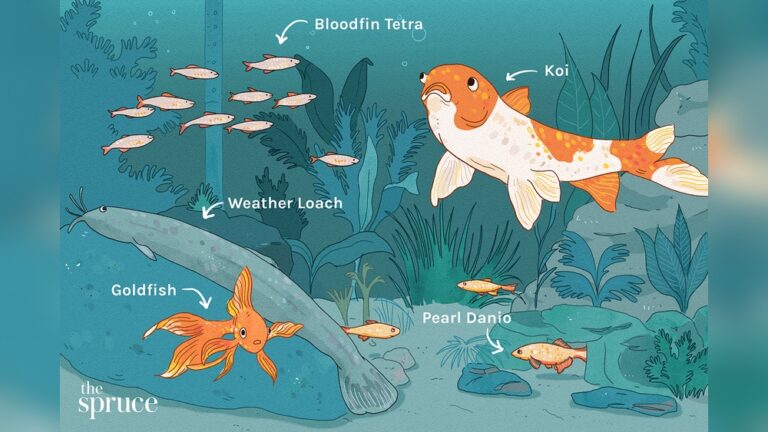
Avoid fish that have long fins or bright colors. These traits may trigger a Betta’s aggression. Examples include other male Bettas or fancy guppies. Fast swimmers like danios can also cause stress. Large or aggressive fish like cichlids should not be kept with Bettas.
Suitable Companions
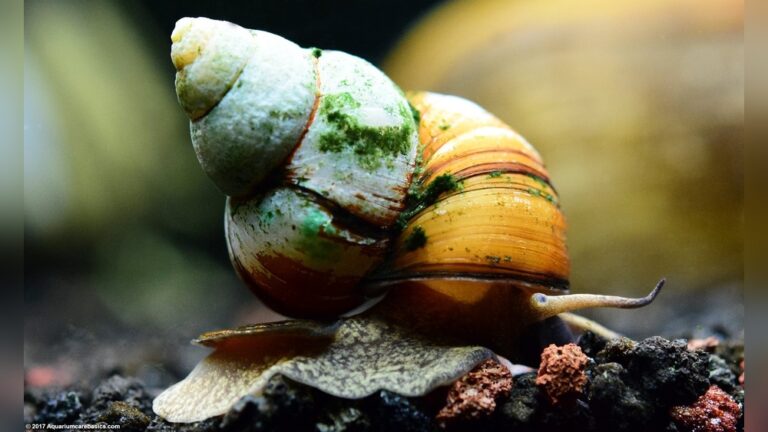
Peaceful fish that stay low in the tank work well. Small bottom dwellers like Corydoras catfish are good choices. Shrimp and snails add variety without bothering the Betta. Some tetras with calm behavior can also live with Bettas. Always watch new companions for signs of stress.
Managing Aggression
Provide plenty of hiding spots using plants and decorations. This reduces fighting and gives fish a safe place. Keep the tank size appropriate to allow space for all fish. Feed fish regularly to reduce competition. Watch the Betta closely and separate fish if aggression rises.
Lighting And Display
Lighting plays a key role in showing off the beauty of your Glofish Betta. Proper light makes their colors pop and brings life to their tank. Displaying these fish well needs the right kind of light and setup. This helps keep them healthy and bright.
Enhancing Colors
Bright light makes the Glofish Betta’s colors shine. Their fluorescent hues look more vivid under good lighting. Soft, clear light helps show every detail of their fins and body. Avoid harsh light that can stress the fish or fade colors.
Led Lighting Options
LED lights are perfect for Glofish Betta tanks. They use little energy and last a long time. Many LED lights come with adjustable settings to change brightness and color. Blue and white LED lights work well to highlight the glowing effect. Choose lights designed for aquariums to keep your fish safe.
Showcasing Your Glofish Betta
Place the tank where light can enhance the fish without causing glare. Use a dark background to make colors stand out. Keep the tank clean for clear viewing. Add simple decorations that do not block the light or hide the fish. Proper lighting and display help your Glofish Betta look their best every day.

Credit: www.youtube.com
How Smart Pets Lover Can Help You with Glofish Betta
Learning Through Care: Exploring Your Glofish Betta Journey
Welcoming a Glofish Betta into your home is more than just admiring its vibrant colors—it’s a chance to deepen your understanding of aquatic life and responsible pet care. By thoughtfully setting up the tank and mastering feeding routines, you cultivate not only a healthy environment but also a rewarding daily ritual that strengthens your bond.
Health care and compatibility insights from earlier sections aren’t just tips—they’re practical lessons in observation and empathy, teaching patience as you monitor your Betta’s well-being and interactions. These experiences echo the mission at Smart Pets Lover: helping pet parents like you feel confident and connected, turning every wag, purr, and chirp into meaningful stories.
- Experiment with lighting and display arrangements to discover how environment affects behavior.
- Use breeding tips as a hands-on biology lesson, understanding nature’s rhythms.
- Document your observations to track progress and deepen your knowledge.
For personalized advice or to share your journey, reaching out to experienced communities or experts can be invaluable. At Smart Pets Lover, we’re always here to support your passion for pet care with trustworthy guidance and heartfelt enthusiasm.
Frequently Asked Questions
What Is A Glofish Betta?
A Glofish Betta is a genetically modified Betta fish that glows under blue LED light. They come in vibrant fluorescent colors like green, red, and orange. These fish are popular for their unique appearance and easy care.
How To Care For Glofish Betta Fish?
Provide a 5-gallon tank with clean, warm water between 76-82°F. Feed them high-quality Betta pellets and avoid overfeeding. Maintain regular water changes and use a gentle filter for optimal health.
Are Glofish Betta Aggressive Like Regular Bettas?
Yes, Glofish Bettas exhibit typical Betta aggression. Males are territorial and best kept alone to prevent fighting. Avoid housing multiple males or fin-nipping species with them.
What Do Glofish Bettas Eat?
Glofish Bettas eat Betta-specific pellets, flakes, and frozen or live foods like brine shrimp. A varied diet ensures their health and vibrant coloration.
Conclusion
Glofish Betta add bright colors to any aquarium. They are easy to care for and fun to watch. Keep their water clean and feed them well. These fish bring life and light to your space. Their glowing colors make them special pets.
Enjoy the beauty and calm they offer daily. A simple tank can hold their vibrant charm. Caring for a Glofish Betta is rewarding and relaxing. Give them a healthy home, and they will thrive.