Giant Betta
Have you ever seen a fish that looks like it belongs in a fantasy world? The Giant Betta is exactly that—a stunning, larger-than-life beauty that can transform your aquarium into a vibrant underwater paradise.
If you want a pet that’s not only eye-catching but also full of personality, this is the fish for you. Keep reading to discover everything you need to know about caring for a Giant Betta and why it could be the perfect addition to your home.
Your aquarium will never be the same again.
Giant Betta Species
The Giant Betta species is a fascinating group of fish that stands out for its impressive size. These fish are loved by many aquarium hobbyists. Their large size and vivid colors make them a popular choice.
Giant Bettas differ from regular Bettas in several ways. They have unique traits that make them interesting to learn about and keep.
Origins And Habitat
Giant Bettas come from Southeast Asia. They live mostly in slow-moving waters like rice paddies and ponds. These areas have warm water and plenty of plants. Plants provide shelter and hiding spots for the fish. Their natural habitat helps them grow bigger than regular Bettas.
Physical Characteristics
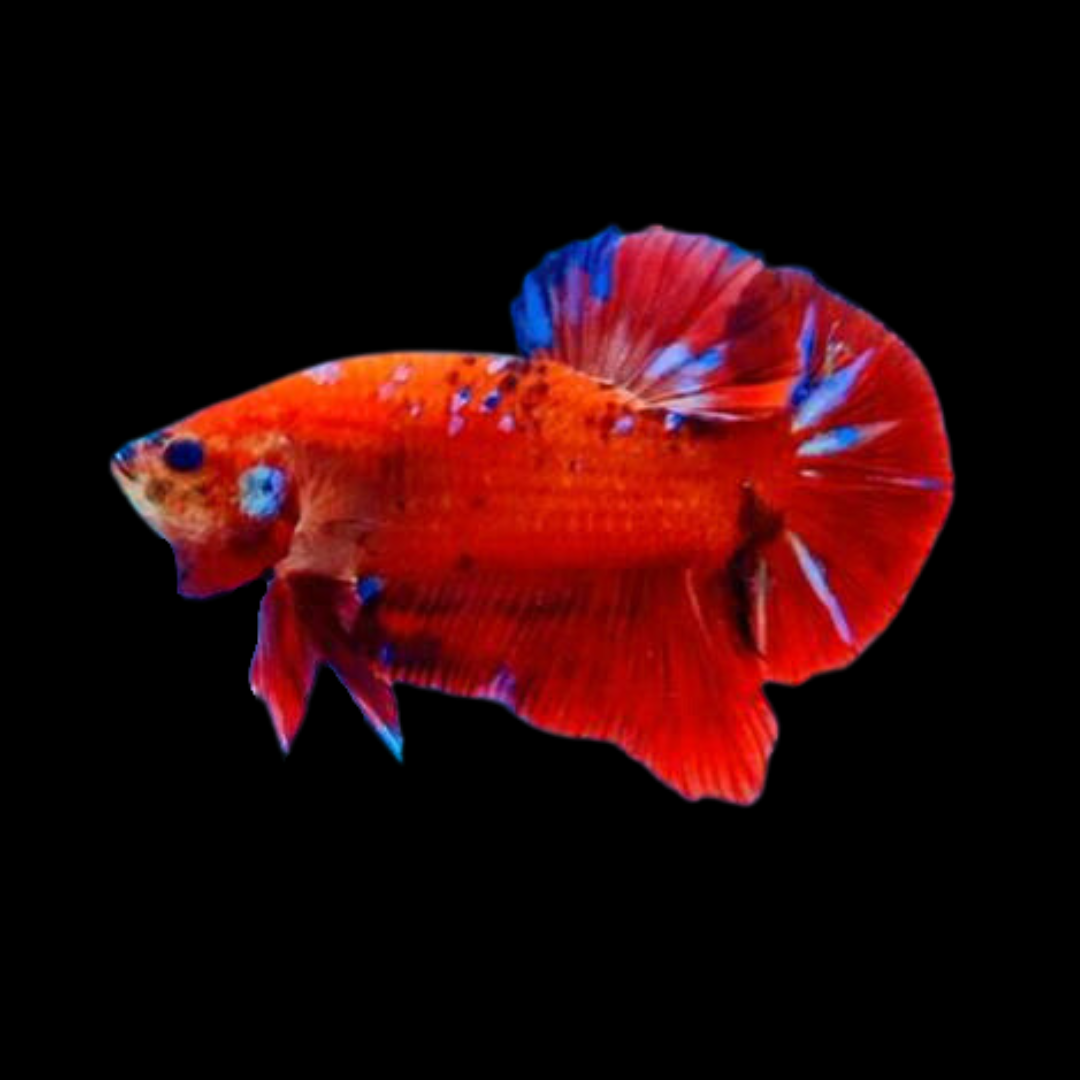
Giant Bettas have strong, thick bodies. Their fins are large and often brightly colored. Colors range from blue and green to red and purple. Their scales look shiny under light. These fish have a more muscular build compared to smaller Bettas.
Size Comparison With Regular Bettas
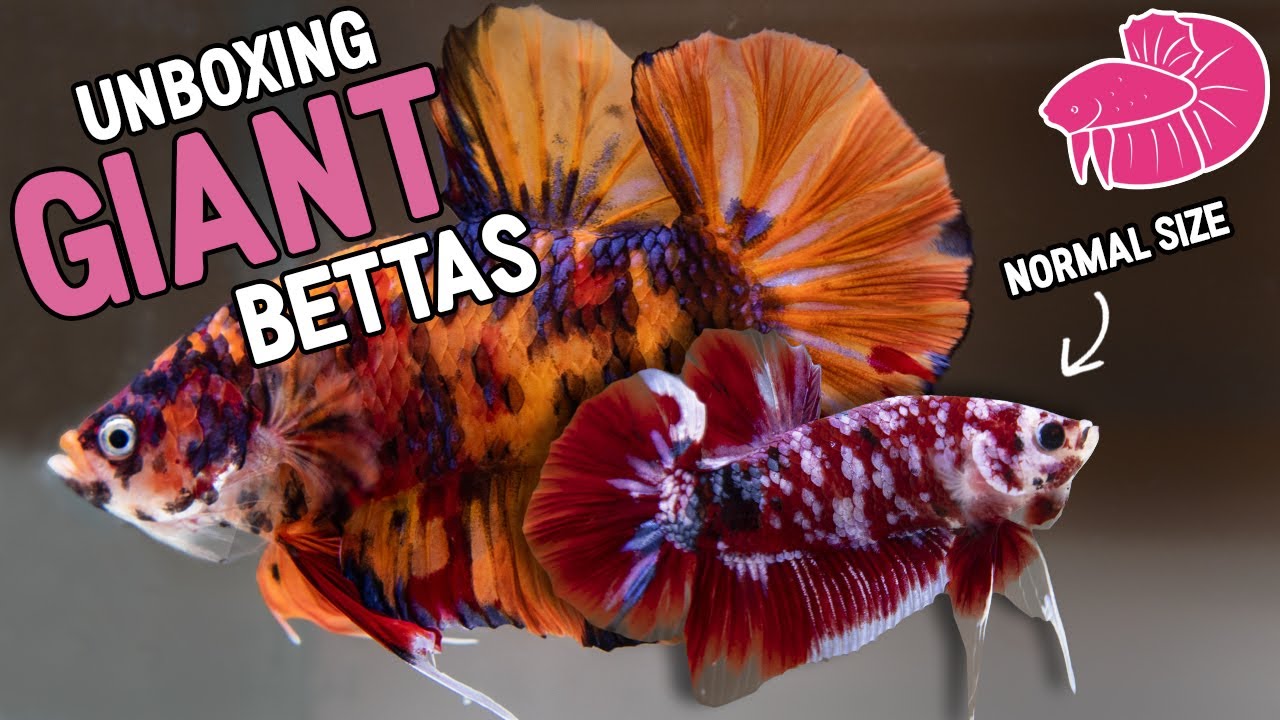
Regular Bettas usually grow up to 2.5 inches long. Giant Bettas can reach lengths of 4 to 6 inches. This size difference is easy to notice. The bigger body size makes Giant Bettas more powerful swimmers. Their size also means they need larger tanks and special care.
Credit: www.youtube.com
Care Requirements
The Giant Betta is a beautiful and unique fish. Proper care keeps them healthy and happy. Understanding their needs helps create a perfect home. This section explains key care requirements for Giant Betta.
Tank Size And Setup
Giant Bettas need a tank of at least 20 gallons. A larger tank gives them space to swim freely. Use a tank with a secure lid to prevent jumping. Add plants and hiding spots for comfort. Smooth decorations avoid tearing their fins. Keep the tank clean to prevent diseases.
Water Conditions
Maintain water temperature between 75°F and 82°F. Use a heater to keep the temperature stable. The pH level should be between 6.5 and 7.5. Test water regularly to ensure good quality. Change 25% of the water weekly. Avoid strong currents as Giant Bettas prefer calm water.
Feeding Habits
Feed Giant Bettas high-quality pellets or flakes daily. Include live or frozen food like bloodworms and brine shrimp. Offer small meals twice a day to avoid overfeeding. Remove uneaten food to keep water clean. A varied diet helps maintain their vibrant color and health.
Behavior And Temperament
The Giant Betta is a fascinating fish known for its unique behavior and calm temperament. Understanding its behavior helps keep it happy and healthy. This fish shows distinct traits that differ from smaller bettas.
Aggression Levels
Giant Bettas are less aggressive than regular bettas. They do not flare or attack as often. Still, males can show some territorial behavior. It is best to keep one male per tank to avoid fights. Females tend to be more peaceful and social.
Compatibility With Other Fish
Giant Bettas can live with other fish if chosen carefully. Avoid small, fast, or fin-nipping species. Good tank mates include peaceful, larger fish. Always watch for signs of stress or aggression. A well-planted tank gives hiding spots and reduces conflicts.
Breeding Behavior
Breeding Giant Bettas is exciting but requires care. Males build bubble nests on the water surface. They guard the eggs and fry fiercely. Females show vertical stripes when ready to breed. Remove the female after spawning to keep her safe.
Health And Common Issues
Giant Betta fish are beautiful and strong pets. They need care to stay healthy. Knowing common health problems helps you protect your fish. Early care can prevent serious illness. Watch your fish closely every day. Small changes can mean big problems.
Disease Prevention
Keep the tank clean to stop diseases. Change water regularly. Use a good filter. Avoid overfeeding. Feed a balanced diet. Quarantine new fish before adding them. Avoid stress by keeping tank conditions stable. Healthy fish resist illness better.
Signs Of Stress
Look for unusual swimming or hiding. Loss of appetite is a warning. Faded colors can show stress. Gasping at the water surface is a bad sign. Clamped fins or slow movement mean trouble. Early signs allow quick action.
Treatment Options
Isolate sick fish immediately. Use medication designed for Betta fish. Follow the medicine instructions carefully. Keep water clean during treatment. Adjust temperature to help healing. Remove uneaten food to avoid pollution. Monitor fish daily until fully well.
Selecting A Giant Betta
Selecting a Giant Betta requires careful attention to detail. These beautiful fish need a healthy start to thrive in your aquarium. Choosing the right fish will help you enjoy their vibrant colors and unique behavior for years. Understanding what to look for makes the process easier and more rewarding.
Identifying Healthy Specimens
Healthy Giant Bettas have bright, clear eyes and smooth scales. Their fins should be full and free from tears or spots. Look for active swimming and strong responses to movement. Avoid fish that look dull, lethargic, or have clamped fins. Clear breathing and no visible parasites are good signs of health.
Choosing The Right Age And Size
Young Giant Bettas are easier to care for and adapt well to new tanks. Avoid very small fish under one inch, as they may be fragile. Fish around 2 to 3 inches are usually strong and healthy. Older fish may show signs of wear or illness. Choose a size that fits your tank space and care ability.
Reputable Breeders And Sellers
Buy from breeders or sellers known for healthy, well-kept fish. They often provide good care and proper diet before sale. Avoid markets where fish are crowded or stressed. Ask about the fish’s history and tank conditions. Trusted sources help reduce the risk of disease and poor quality.
Credit: thailandbettafish.com
Enhancing Giant Betta’s Environment
Creating a perfect home for your Giant Betta improves its health and happiness. A well-set environment reduces stress and encourages natural behavior. Small changes make a big difference in your fish’s life.
Focus on decorations, lighting, temperature, and activities to enhance the tank. These elements help your Giant Betta feel safe and active.
Decorations And Plants
Choose smooth decorations to avoid damaging your Betta’s fins. Live plants offer hiding spots and improve water quality. Silk plants are a good alternative to plastic ones. Driftwood and caves provide secure resting places. Arrange decorations to create open swimming areas too.
Lighting And Temperature
Use soft lighting to mimic natural daylight. Avoid bright lights that stress your Giant Betta. Maintain water temperature between 78-82°F for comfort. Use a heater with a thermostat for stable warmth. A consistent temperature supports your fish’s immune system.
Enrichment Activities
Introduce floating toys or mirrors for short play sessions. Change tank layout occasionally to spark curiosity. Offer live or frozen foods to encourage hunting instincts. Training your Betta to follow your finger stimulates its mind. These activities keep your Giant Betta lively and healthy.

Credit: tropicflow.com
How Smart Pets Lover Can Help You with Giant Betta
Learning Through Caring for Your Giant Betta
Welcoming a Giant Betta into your home opens up wonderful opportunities for practical learning—beyond just admiring its stunning appearance. Understanding the care requirements and recognizing the nuances of its behavior and temperament can deepen your connection and help you become a more confident pet parent. Observing how your Giant Betta interacts with its environment teaches patience and attentiveness, crucial skills for any responsible fish owner.
By enhancing your Betta’s habitat thoughtfully, you also get hands-on experience in creating a balanced aquatic ecosystem—something that reflects the passion and care Smart Pets Lover encourages in every pet journey. Keep a journal to track feeding habits, water conditions, and health changes; this simple practice sharpens your observational skills and helps prevent common health issues.
- Note daily behaviors to understand moods and preferences
- Maintain consistent water parameters for a healthy environment
- Research and apply proper feeding routines to avoid overfeeding
If you ever want to dive deeper into Betta care or have questions, connecting with experienced pet communities or consulting reliable resources can make all the difference. After all, every moment spent learning brings you closer to that special bond where “every wag, purr, and chirp tells a story.”
Frequently Asked Questions
What Is A Giant Betta Fish?
A Giant Betta is a larger variant of the common Betta fish. They grow up to 4 inches long. They have vibrant colors and long fins, making them popular in aquariums.
How Big Do Giant Betta Fish Get?
Giant Betta fish typically grow between 3 to 4 inches. This size is larger than the usual Betta fish, which averages 2. 5 inches. Proper care helps them reach their maximum size.
What Tank Size Suits A Giant Betta?
A 5-gallon tank or larger is ideal for a Giant Betta. This provides enough space for swimming and maintaining water quality. Avoid overcrowding to keep your fish healthy.
What Do Giant Betta Fish Eat?
Giant Bettas eat a diet of high-protein foods like pellets, frozen or live brine shrimp, and bloodworms. Avoid overfeeding to prevent health issues and maintain water quality.
Conclusion
Giant Betta fish make a striking addition to any aquarium. Their size and colors catch attention easily. Caring for them is simple with the right knowledge. They need clean water and proper food to thrive. Watching their behavior can be very rewarding.
These fish bring life and calm to your space. Try adding a Giant Betta to your tank today. You won’t regret the beauty and joy they bring.