Ghost Shrimp
If you’re looking to add a fascinating and low-maintenance creature to your aquarium, ghost shrimp might be just what you need. These tiny, transparent shrimp are not only interesting to watch but also help keep your tank clean.
Imagine having a natural cleaner that works quietly behind the scenes, making your aquarium look pristine. You’ll discover everything you need to know about ghost shrimp—from their care tips to why they’re a favorite among fishkeepers. Keep reading to find out how these little creatures can transform your aquarium experience.
Credit: www.floridasportsman.com
Ghost Shrimp Basics
Ghost shrimp are small, transparent creatures popular in freshwater aquariums. They offer a unique look and interesting activity for fish tank enthusiasts. Understanding their basics helps in caring for them properly.
Physical Features
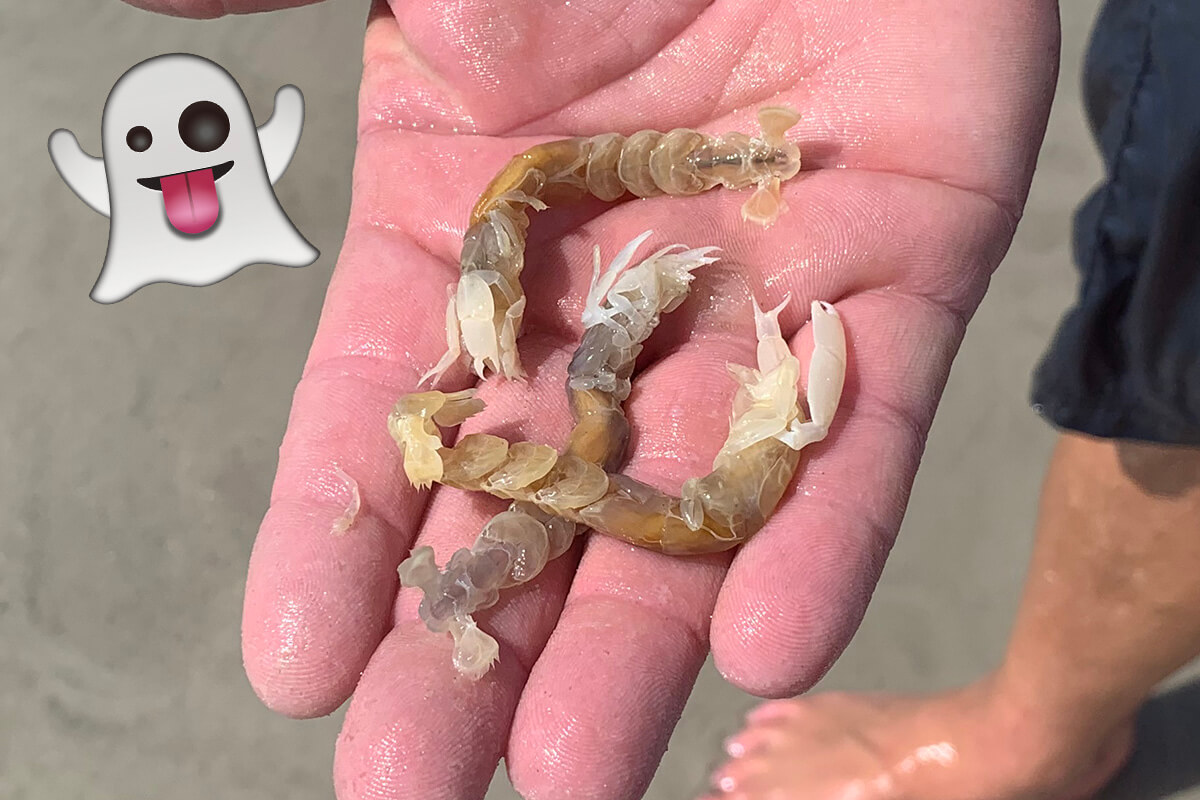
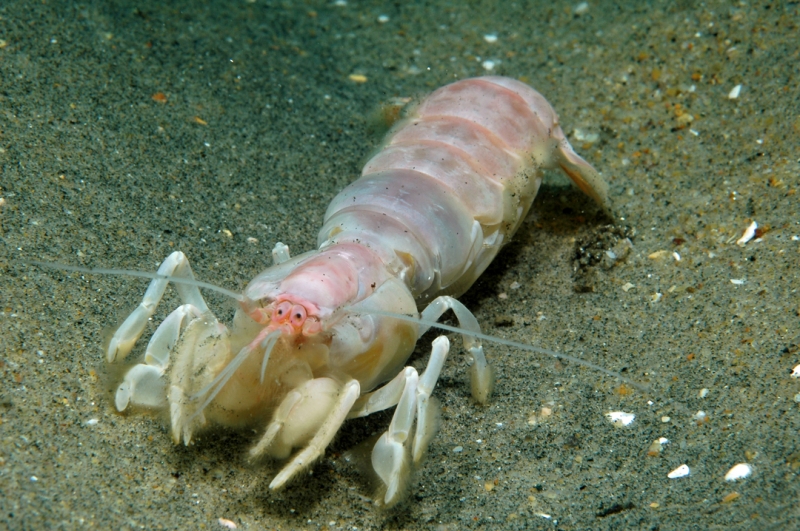
Ghost shrimp have clear bodies that make them hard to see. Their transparency helps them hide from predators. They have long antennae and small claws. These shrimp usually grow up to 1.5 inches long.
Natural Habitat
These shrimp live in fresh water around the world. They prefer slow-moving rivers and streams. Soft mud or sandy bottoms are their favorite places to stay. They thrive in clean water with plenty of plants.
Behavior Patterns
Ghost shrimp are active mostly during the day. They scavenge for food on the tank floor. They help keep the aquarium clean by eating leftover food. They often stay near plants and rocks for shelter.
Setting Up A Tank
Setting up a tank for ghost shrimp creates a safe and healthy home for these tiny creatures. A well-prepared tank helps shrimp feel comfortable and active. It also makes caring for them easier. Proper setup focuses on tank size, water quality, and decorations.
Each factor plays a key role in the shrimp’s life. Attention to detail ensures they thrive and stay healthy.
Tank Size And Environment
A tank of at least 5 gallons suits ghost shrimp well. Bigger tanks help keep water stable. Stability means fewer sudden changes that stress shrimp.
Choose a tank with a secure lid to prevent escapes. Use gentle filters to avoid harming the shrimp. A quiet environment with low light helps shrimp stay calm.
Water Conditions
Ghost shrimp prefer clean, fresh water. Keep the temperature between 72 and 78°F (22-26°C). Maintain a pH level from 6.5 to 8.0 for the best health.
Test water regularly to check ammonia, nitrite, and nitrate levels. Use a gentle water flow to mimic natural habitats. Perform partial water changes weekly to keep conditions ideal.
Suitable Plants And Decorations
Live plants offer hiding spots and improve water quality. Java moss and Anubias are easy and shrimp-friendly plants. Driftwood and smooth rocks give extra shelter and surfaces to explore.
Avoid sharp or rough decorations that may injure shrimp. Provide plenty of small spaces to reduce stress and encourage natural behavior.
Feeding Ghost Shrimp
Feeding ghost shrimp is simple and rewarding. These small creatures thrive on a varied diet that keeps them healthy and active. Understanding their food needs helps maintain a balanced tank environment. Proper feeding supports their natural behavior and growth.
Diet Essentials
Ghost shrimp eat algae, biofilm, and plant matter. They enjoy sinking pellets and flakes made for shrimp or fish. Fresh vegetables like zucchini, spinach, and cucumber are good choices. Avoid processed or oily foods that harm their health. Variety in diet ensures they get enough nutrients.
Feeding Frequency
Feed ghost shrimp once a day or every other day. Small portions prevent leftover food from polluting the tank. Observe their eating habits to adjust feeding times. They graze throughout the day, so small, frequent feedings work well. Avoid feeding just before cleaning the tank.
Avoiding Overfeeding
Overfeeding causes water pollution and health problems. Remove uneaten food within a few hours. Use a feeding schedule and stick to it. Excess food leads to algae growth and oxygen drops. Keep the tank clean and monitor shrimp behavior closely.
Tank Mates For Ghost Shrimp
Choosing the right tank mates for Ghost Shrimp is key to a peaceful aquarium. These tiny creatures are shy and can become easy targets for bigger fish. A well-planned community tank keeps them safe and happy. It also helps maintain a balanced environment where all species thrive together.
Compatible Fish Species
Small, calm fish work best with Ghost Shrimp. Examples include Neon Tetras, Endler’s Livebearers, and small Rasboras. These species usually ignore shrimp and do not see them as food. Snails like Nerite and Mystery Snails also make good tank mates. They share similar water needs and add variety to the tank.
Species To Avoid
Avoid large or aggressive fish. Cichlids, Betta fish, and goldfish often harm or eat Ghost Shrimp. Fish with sharp teeth or fast reflexes can stress the shrimp. Stay away from any fish known to hunt small invertebrates. This helps protect your shrimp and keeps your tank peaceful.
Community Tank Tips
Add plenty of hiding spots using plants, rocks, or decorations. Shrimp feel safer with places to hide from fish. Feed all species properly to reduce competition for food. Keep the water clean and stable to support all tank residents. Regular observation helps spot any signs of stress or aggression early.
Breeding Ghost Shrimp
Breeding ghost shrimp is a rewarding experience for aquarium lovers. These small, transparent shrimp are easy to care for and multiply quickly. Watching the tiny shrimp grow can be fascinating and fun. Understanding their breeding process helps ensure success.
Breeding Conditions
Ghost shrimp need clean water with stable temperature. Keep water temperature between 72 and 78 degrees Fahrenheit. Maintain pH near 7.0 for best results. Provide plenty of hiding spots with plants or decorations. Use a well-filtered tank to keep water clear. Avoid strong water currents to protect the shrimp.
Egg Care
Female ghost shrimp carry eggs under their tails. Eggs are small and greenish in color. Avoid disturbing the female during this time. Keep water clean and oxygen-rich to help eggs develop. The eggs hatch in about 2 to 3 weeks. Remove any dead eggs to prevent water pollution.
Raising The Fry
Baby shrimp, called fry, are tiny and fragile. Feed them finely crushed fish food or algae. Change water often to keep it fresh. Provide small hiding places to protect fry from other tank mates. Avoid strong light as it stresses the young shrimp. With care, the fry will grow healthy and strong.
Common Health Issues
Ghost shrimp are hardy creatures, but they can face health problems. Knowing common health issues helps keep them safe and happy. Watch your shrimp closely to spot any changes early. Early care can prevent serious problems and loss.
Understanding symptoms and causes allows better care and a healthy tank environment. Clean water and proper food play a big role in shrimp health. Learn the signs of illness, preventive steps, and treatment options.
Signs Of Illness
Look for slow movement or hiding more than usual. Cloudy or faded shell color can signal sickness. Shrimp may stop eating or lose balance. White spots or unusual growths on the body are warning signs. Watch for lethargy and weak legs too.
Preventive Measures
Keep the tank clean by changing water regularly. Avoid overfeeding to reduce waste and pollution. Maintain stable water temperature and pH levels. Quarantine new shrimp before adding them to the tank. Use a good filter to keep water clear and healthy.
Treatment Options
Isolate sick shrimp to stop disease spread. Use aquarium salt carefully to treat minor infections. Perform partial water changes often during treatment. Add medications designed for shrimp if needed. Always follow instructions on any treatment product used.
Benefits Of Keeping Ghost Shrimp
Ghost shrimp are popular pets for many aquarium lovers. They bring many benefits to the tank environment. These small creatures help keep the aquarium clean and healthy. They also offer a chance to learn about aquatic life.
Keeping ghost shrimp is simple and rewarding. Their natural behavior supports a balanced tank ecosystem. Here are some key benefits of having ghost shrimp in your aquarium.
Algae Control
Ghost shrimp eat algae that grow on tank surfaces. This helps prevent algae overgrowth. Algae can make the tank look dirty and harm fish health. Ghost shrimp clean the aquarium naturally. This reduces the need for chemical cleaners. Their algae-eating habit keeps water clear and bright.
Aquarium Clean-up
Ghost shrimp scavenge leftover food and debris. This stops waste buildup in the tank. Waste can pollute water and stress fish. Shrimp pick up small particles from the substrate and plants. Their cleaning helps maintain good water quality. It also lowers tank maintenance time for the owner.
Educational Value
Ghost shrimp are excellent for learning about aquatic life. They show interesting behaviors like molting and foraging. Observing them teaches about shrimp biology and tank ecosystems. Children and beginners can learn responsibility through care. Ghost shrimp encourage curiosity and respect for nature.
Credit: coasttocactus.sdnhm.org

Credit: www.reddit.com
How Smart Pets Lover Can Help You with Ghost Shrimp
Learning Through the World of Ghost Shrimp
Diving into the care of ghost shrimp offers more than just a chance to admire these translucent little creatures—it opens up a wonderful opportunity for practical learning. By setting up a tank thoughtfully, you gain hands-on experience in creating a balanced aquatic environment, while feeding routines teach the importance of nutrition tailored to specific species. Observing their interactions with tank mates also provides insights into aquatic social dynamics and compatibility.
At Smart Pets Lover, we believe every pet journey is a story worth sharing, and ghost shrimp are no exception. Their care encourages patience, attention to detail, and a deeper appreciation for aquatic life’s delicate balance. If you ever need guidance or want to share your experiences, connecting with a community of fellow pet parents can be invaluable. Feel free to reach out to Smart Pets Lover for trusted advice and support as you nurture your underwater friends.
Frequently Asked Questions
What Do Ghost Shrimp Eat In Aquariums?
Ghost shrimp primarily eat algae, detritus, and leftover fish food. They also scavenge for tiny organic particles. Their diet helps keep aquariums clean and balanced, making them useful for tank maintenance.
How Long Do Ghost Shrimp Typically Live?
Ghost shrimp usually live about 1 to 2 years in captivity. Their lifespan depends on water quality, diet, and tank conditions. Proper care extends their healthy life significantly.
Are Ghost Shrimp Safe With Other Fish?
Ghost shrimp are peaceful and generally safe with small, non-aggressive fish. Avoid housing them with large or aggressive species that may prey on them. They thrive best in community tanks with gentle tank mates.
Can Ghost Shrimp Breed In Home Aquariums?
Yes, ghost shrimp can breed in home tanks under optimal conditions. They need stable water parameters, hiding places, and sufficient food. Breeding helps maintain shrimp populations naturally in the aquarium.
Conclusion
Ghost shrimp make great pets for small aquariums. They help keep tanks clean by eating leftover food. These shrimp are easy to care for and fun to watch. Their transparent bodies add a unique touch to any tank. Many beginners enjoy raising ghost shrimp because they learn about aquatic life.
Remember to provide a safe and stable environment for them. This helps them stay healthy and active. Ghost shrimp are simple creatures that bring life and interest to your aquarium.