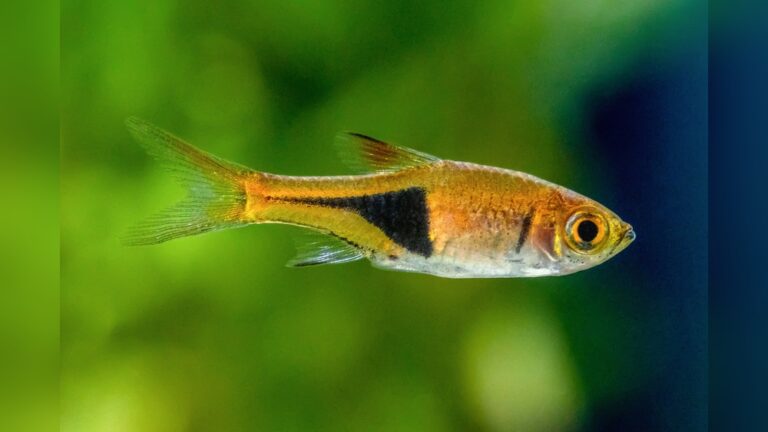
German Blue Ram
If you’re looking to add a splash of vibrant color and peaceful charm to your aquarium, the German Blue Ram might be just what you need. This small, stunning fish is known for its bright blue hues and calm nature, making it a favorite among both beginners and experienced fishkeepers.
But there’s more to the German Blue Ram than meets the eye. You’ll discover everything you need to know to keep your fish happy and healthy, from tank setup to diet and care tips. Ready to transform your aquarium into a lively underwater paradise?
Let’s dive in!
Origin And History
The German Blue Ram is a popular freshwater fish known for its bright colors and peaceful nature. Its origin and history reveal interesting details about how this fish came to be loved by aquarists worldwide.
This small cichlid species has roots that trace back to South America. It was first discovered in the Orinoco River basin, which runs through Venezuela and Colombia. Over time, breeders worked on developing the German Blue Ram to enhance its vibrant blue and yellow colors.
Natural Habitat And Early Discovery
German Blue Rams live in slow-moving waters with dense vegetation. They prefer warm, soft, and slightly acidic water conditions. These habitats provide shelter and food sources, helping the species thrive in the wild. Early explorers and scientists documented this fish in the 1900s during expeditions in South America.
Development Of The German Blue Ram Breed
In the 1950s, German breeders began to selectively breed these fish. Their goal was to create a stronger, more colorful variety. They focused on improving the blue hues and fin shapes. This selective breeding led to the German Blue Ram known today, which is brighter and more resilient than its wild ancestors.
Popularity In The Aquarium Trade
The German Blue Ram quickly gained popularity among aquarium enthusiasts. Its peaceful behavior and striking colors made it a favorite for community tanks. Today, it is one of the most common cichlids found in pet stores worldwide. Breeders continue to refine its appearance and health through careful breeding programs.

Credit: aquadiction.world
Physical Characteristics
The German Blue Ram is a popular freshwater fish known for its beauty and unique look. Its physical traits make it stand out in any aquarium. These features also help it adapt well to home tanks. Understanding these traits can help you care for it better.
Color Variations
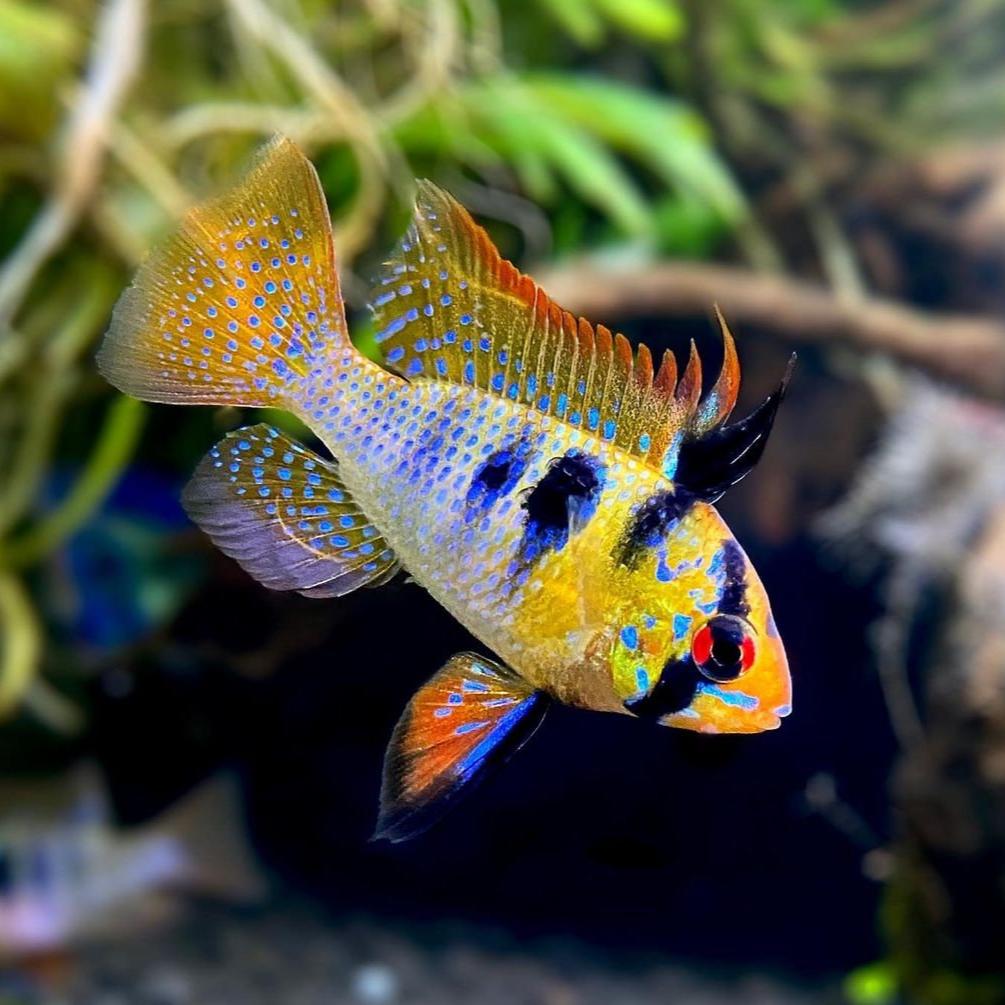
The German Blue Ram shows bright colors. Its body usually has blue and yellow shades. Some have red spots near their eyes. The colors can change slightly with mood and health. These variations make each fish special.
Size And Shape
This fish grows up to 2.5 inches long. It has a round, compact body shape. The fins are long and flow gracefully. Its small size makes it good for community tanks. The shape helps it swim quickly and easily.
Distinctive Features
The German Blue Ram has a black spot on its side. Its face has a gentle, smiling look. The fins have black edges with a blue shine. These features give the fish a calm, elegant appearance. They help identify it among other fish.
Habitat And Natural Environment
The German Blue Ram is a small, colorful fish known for its peaceful nature. It lives in specific natural habitats that shape its behavior and needs. Understanding these environments helps keep the fish healthy in home aquariums.
This fish comes from warm, slow-moving waters where plants grow thick. It enjoys calm places with plenty of hiding spots and soft, sandy bottoms. Water quality and temperature in its habitat are very important.
Native Regions Of The German Blue Ram
German Blue Rams originate from South America. They are found mainly in the Orinoco River Basin. This area includes parts of Venezuela and Colombia. The rivers here have gentle currents and clear water.
Water Conditions And Quality
These fish prefer warm water between 78 and 85 degrees Fahrenheit. The water is usually soft and slightly acidic. Clean water with low minerals suits their health best. Natural water contains few pollutants or chemicals.
Plant Life And Shelter
The habitat has many aquatic plants. Plants provide cover and places to lay eggs. Roots and leaves offer protection from predators. This environment helps the fish feel safe and secure.
Tank Setup Inspired By Natural Habitat
Replicating the natural habitat in an aquarium helps German Blue Rams thrive. Use fine sand as the substrate. Add live plants and driftwood for hiding spots. Maintain warm, soft, and clean water for best results.
Tank Setup
Setting up the right tank is key for a healthy German Blue Ram. This fish needs a calm and stable environment. The tank should mimic its natural habitat to keep it happy and active.
Careful planning helps the fish feel safe. Good water quality and a peaceful space reduce stress and illness. Let’s explore the main points of tank setup.
Tank Size
A tank of at least 20 gallons works well for German Blue Rams. They need space to swim freely. Small tanks can cause stress and health problems. A larger tank also helps keep water stable.
Water Conditions
The ideal water temperature is between 78 and 85°F (25-29°C). Keep the pH slightly acidic, around 6.0 to 7.0. Soft water with low hardness is best. Regular water changes keep the tank clean and safe.
Plants And Decorations
Live plants create a natural look and improve water quality. Use plants like Java fern or Anubias. Add hiding spots with smooth rocks and driftwood. Avoid sharp decorations that could hurt the fish.
Diet And Feeding
The German Blue Ram is a small, colorful fish that needs a balanced diet to stay healthy. Feeding it properly helps it show bright colors and stay active. This fish enjoys a variety of foods, both natural and prepared. Understanding its diet keeps it strong and happy in your aquarium.
Preferred Foods
German Blue Rams eat small live or frozen foods. They like brine shrimp, daphnia, and bloodworms. These foods provide protein that helps growth and health. High-quality flakes and pellets work well too. Make sure the flakes are small enough for their tiny mouths.
Feeding Frequency
Feed German Blue Rams two to three times a day. Give only what they can eat in two minutes. Overfeeding causes water problems and fish stress. Young fish may eat more often but in smaller amounts. Keep a regular feeding schedule for best results.
Behavior And Temperament
The German Blue Ram is a small, colorful fish known for its calm and friendly nature. This fish displays interesting behavior that makes it a favorite among aquarium hobbyists. Understanding its temperament helps in creating a peaceful tank environment.
Social Behavior
German Blue Rams are peaceful and enjoy company. They like to swim in pairs or small groups. These fish show curiosity and often explore their surroundings. They rarely show aggression unless defending their territory. Males may display brighter colors to attract mates. Their gentle nature makes them easy to handle in community tanks.
Compatibility With Other Fish
This fish coexists well with other peaceful species. Avoid housing them with large or aggressive fish. Small tetras, corydoras, and other calm fish are good tank mates. German Blue Rams thrive in stable, calm environments. Keep water quality high to reduce stress and aggression. Their friendly temperament makes them a great addition to many community tanks.
Breeding Tips
Breeding German Blue Rams can be a rewarding experience for hobbyists. They show beautiful colors and interesting behaviors during breeding. Proper care and environment are important for success. Small details can make a big difference in the results.
Understanding their needs helps create a safe and comfortable space. Healthy parents lead to healthy babies. Patience and attention to water quality, temperature, and diet improve chances of spawning.
Spawning Conditions
Keep the water temperature between 78°F and 85°F (25°C to 29°C). Soft, slightly acidic water with a pH around 6.0 to 6.5 works best. Use a separate tank to reduce stress from other fish. Add flat rocks or broad leaves for eggs to stick on.
Dim lighting helps the pair feel secure. Avoid sudden changes in light or water. Feed the breeding pair a diet rich in live or frozen foods. This increases their energy and readiness to spawn.
Raising Fry
Once the eggs hatch, remove the parents to avoid eating the fry. Keep the water clean and well-oxygenated. Feed the fry infusoria or liquid fry food for the first few days. Gradually add baby brine shrimp or finely crushed flakes.
Change water gently every day to keep the environment healthy. Avoid strong currents that can sweep the fry away. Watch the fry closely for signs of growth and health issues. Proper care during this stage ensures strong and vibrant fish.
Credit: tropicflow.com
Common Health Issues
The German Blue Ram is a beautiful and delicate fish. It needs good care to stay healthy. Like many fish, it can get some common health problems. These problems affect its color, behavior, and life span. Knowing these issues helps keep your fish safe and happy.
Some common health problems include swim bladder disease, ich, and fin rot. Swim bladder disease causes trouble swimming. Ich is a white spot disease that irritates the fish. Fin rot damages the fins and makes the fish weak. These problems need early attention to avoid serious harm.
Disease Prevention
Keep the tank clean and stable in temperature. Regular water changes reduce harmful bacteria and toxins. Avoid overcrowding to lower stress and illness risk. Feed high-quality food for good nutrition. Quarantine new fish before adding them to the tank. Watch the fish daily for signs of sickness. Early action stops many health problems from spreading.
Treatment Options
Use medicine designed for aquarium fish if sickness appears. Isolate sick fish to protect others in the tank. Treat the whole tank if the disease is contagious. Follow the medicine instructions carefully for best results. Increase aeration in the tank during treatment. Keep water clean and warm to help healing. Consult a vet or fish expert if unsure about treatment.
Care Tips For Beginners
German Blue Rams are beautiful and peaceful fish. They bring bright colors to any aquarium. Beginners can keep them healthy with simple care. Small steps make a big difference. Understanding their needs helps them thrive.
Here are easy care tips for new fish keepers. Follow these to create a happy home for your Rams.
Tank Setup And Size
Choose a tank of at least 20 gallons. Rams need space to swim and hide. Use plants and decorations to create hiding spots. Soft lighting helps them feel safe. A gentle filter keeps water clean without strong currents.
Water Conditions
Keep water temperature between 78°F and 85°F. Maintain a pH level of 6.0 to 7.0. Test water weekly to ensure quality. Change 25% of water every week. Clean water prevents illness and stress.
Feeding Routine
Feed small amounts twice a day. Use high-quality flakes or pellets. Add frozen or live foods like brine shrimp. Avoid overfeeding to keep water clean. Remove leftover food after feeding.
Tank Mates
Pick peaceful fish that do not bully Rams. Avoid large or aggressive species. Good companions include tetras, corydoras, and small gouramis. Watch for signs of stress or fighting. Separate fish if needed.
Health Monitoring
Observe your Rams daily for changes. Look for faded colors or unusual behavior. Treat common diseases quickly. Keep quarantine tank ready for sick fish. Healthy fish live longer and look vibrant.
:strip_icc()/german-blue-ram-fish-profile-5088724-hero-5bedd8067f0f40fc8e9fc696ec4a0e8b.jpg)
Credit: www.thesprucepets.com
How Smart Pets Lover Can Help You with German Blue Ram
Learning Through Caring for Your German Blue Ram
Understanding the delicate nature of the German Blue Ram opens up wonderful opportunities for hands-on learning about freshwater fish care. As you set up their tank, consider how their natural habitat influences water parameters—soft, slightly acidic water is key. This not only enriches your knowledge of aquatic environments but also sharpens your skills in maintaining stable tank conditions.
Feeding your German Blue Ram offers another practical lesson in nutrition and observation. Watching their behavior during feeding times helps you recognize signs of health or stress, linking back to the common health issues discussed earlier. These experiences build a deeper connection and confidence in your role as a pet parent.
- Track water quality regularly to mimic their natural environment.
- Observe social interactions to understand their temperament better.
- Note breeding behaviors if you choose to explore that rewarding aspect of care.
At Smart Pets Lover, we believe every pet journey is a story worth sharing and learning from. If you ever feel stuck or curious, reaching out to local aquarium communities or pet care experts can provide valuable support—because caring for a German Blue Ram is as much about growing together as it is about keeping them healthy.
Frequently Asked Questions
What Is A German Blue Ram Fish?
The German Blue Ram is a small, colorful freshwater fish. It is popular in home aquariums due to its vibrant blue and yellow colors and peaceful nature.
How To Care For German Blue Ram Fish?
Provide a well-maintained tank with clean, warm water (78-85°F). Use a pH of 5. 5-7. 0, and offer a balanced diet of flakes, pellets, and live food.
Are German Blue Rams Good For Community Tanks?
Yes, they are peaceful and compatible with other non-aggressive fish. Avoid housing them with large or aggressive species to prevent stress and injury.
What Is The Ideal Tank Size For German Blue Ram?
A minimum of 20 gallons is recommended for a pair. This space allows swimming room and stable water conditions for their health.
Conclusion
The German Blue Ram is a colorful and peaceful fish. It fits well in small community tanks. Caring for it is simple with proper water and food. This fish adds beauty and calm to any aquarium. Enjoy watching its bright colors and lively behavior.
A great choice for both new and experienced fish keepers.