Garibaldi Fish
Have you ever seen a fish that looks like a burst of orange sunshine swimming in the ocean? That’s the Garibaldi fish—a vibrant and fascinating creature that catches your eye the moment you spot it.
If you’re curious about colorful marine life or want to learn what makes this fish so special, you’re in the right place. Keep reading to discover surprising facts, where to find Garibaldi fish, and why they’re worth knowing about. Your next favorite underwater wonder is just a few lines away!

Credit: capitolmuseum.ca.gov
Garibaldi Fish Profile
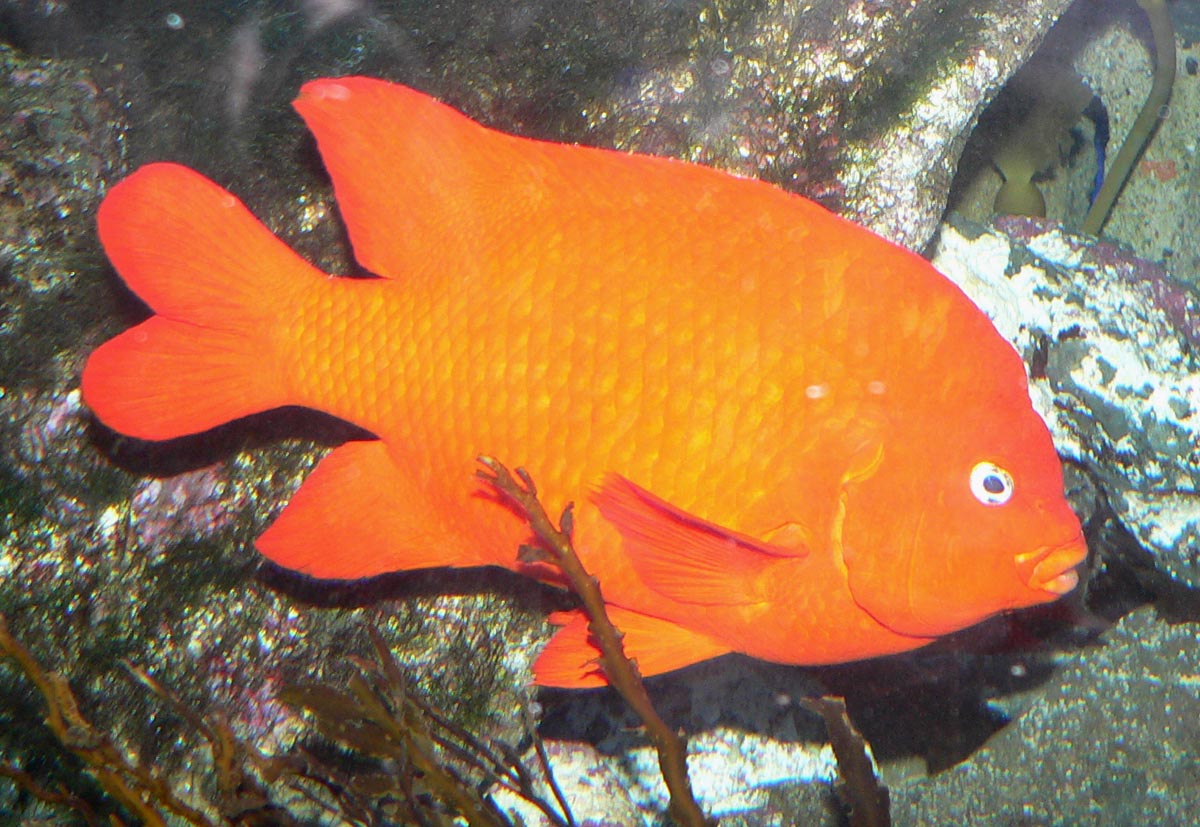
The Garibaldi fish is a bright and eye-catching species. It stands out with its vivid orange color. This fish is often called the “golden damselfish.”
It is a popular species in the coastal waters of the Pacific Ocean. Many divers and snorkelers enjoy spotting this fish. Its unique look and lively behavior make it special.
Physical Features
The Garibaldi fish grows up to 12 inches long. Its body is oval-shaped and laterally flat. The bright orange color covers its entire body. Males often have blue spots on their bodies. These spots become more visible during mating season. The fish has strong fins that help in quick swimming.
Habitat And Range
Garibaldi fish live along the Pacific coast of North America. They prefer rocky reefs and kelp forests. The water is usually shallow, up to 30 meters deep. They favor warmer waters near California and Baja California. These areas offer many hiding spots and food sources. The fish often stay close to their chosen home area.
Behavior Patterns
The Garibaldi fish is known for its territorial nature. Males guard their territory fiercely. They protect nests and chase away intruders. These fish are active during the day. They feed on small invertebrates and algae. Garibaldi fish also show interesting courtship behaviors. Males build nests and care for the eggs until they hatch.

Credit: www.aquariumofpacific.org
Diet And Feeding Habits
The Garibaldi fish has a unique diet that supports its vibrant life along the rocky reefs. Understanding what this bright orange fish eats gives insight into its role in the ocean ecosystem. Its feeding habits show how it survives and thrives in its natural habitat.
Preferred Food Sources
Garibaldi fish mainly eat small animals and plants. They like to eat algae, which grows on rocks. This algae provides important nutrients. The fish also hunt tiny animals like sponges, small crustaceans, and worms. These foods help the Garibaldi get energy and grow strong.
Foraging Techniques
Garibaldi fish search for food by swimming near rocks and crevices. They use their sharp teeth to scrape algae off surfaces. Sometimes, they pick small animals from cracks in the reef. Their bright color helps them stay visible to other Garibaldi while they feed. They are active during the day and rest at night, focusing on feeding in daylight.
Reproduction And Life Cycle
The Garibaldi fish has a fascinating reproduction process. Its life cycle is unique among marine fish. Understanding this helps us appreciate their role in the ocean.
These bright orange fish live near rocky reefs. They have a special way of finding mates and protecting their young. Their life cycle starts with careful mating rituals and ends with the growth of new fish in the sea.
Mating Rituals
Male Garibaldi fish prepare a nest on rocky surfaces. They clear away debris to create a safe spot. Bright orange males attract females with displays of color and movement.
Once a female chooses a male, she lays eggs in the nest. The male then fertilizes the eggs. This courtship can last several days. Males fiercely guard their nests from intruders.
Egg Care And Development
The male watches over the eggs until they hatch. He fans the eggs with his fins to keep them clean and oxygenated. This care helps prevent fungus and predators from harming the eggs.
Eggs usually hatch after about two weeks. Tiny larvae swim away to find shelter among seaweed. As they grow, they join other Garibaldi fish near the reef. The cycle then begins again.
Credit: en.wikipedia.org
Ecological Role
The Garibaldi fish plays a key role in the ocean’s ecosystem. This bright orange fish helps keep the balance in coastal waters. It interacts with many plants and animals, affecting the health of its home environment.
Its habits and diet influence the growth of algae and small sea creatures. The Garibaldi also creates safe spaces for other marine life. Understanding its role helps us see why protecting this fish is important.
Impact On Marine Ecosystem
Garibaldi fish feed on small invertebrates and algae. This feeding controls algae growth on rocks and reefs. Without this control, algae could cover coral and harm other animals. Their activity helps maintain clean and healthy reefs.
They also build nests by moving small rocks and shells. These nests offer shelter for eggs and young fish. This behavior supports the survival of many marine species. Their presence encourages biodiversity in coastal waters.
Predators And Threats
Natural predators of the Garibaldi include larger fish and seabirds. These predators help control the Garibaldi population. Human activities like fishing and pollution pose greater threats. Coastal development can destroy their habitat and nesting areas.
Protecting the Garibaldi means protecting the whole marine ecosystem. This fish acts as a sign of ocean health. Their decline could signal problems in the environment that affect many species.
Conservation Status
The Garibaldi fish is a bright orange fish found along the Pacific coast. It is known for its beauty and importance in the marine ecosystem. Protecting this fish is important because it faces threats from human activities and environmental changes. Understanding its conservation status helps us know how well it is protected and what problems it still faces.
Current Protection Measures
The Garibaldi fish is protected by law in many areas. It is the official marine fish of California. Fishing or harming this fish is illegal in protected zones. Marine reserves and parks help keep its habitat safe. These areas limit human activities that can damage coral and rocks. Education programs teach people about the fish’s role in the ocean.
Challenges In Conservation
Despite protections, the Garibaldi fish faces several challenges. Pollution harms the water quality and the fish’s home. Coastal development destroys parts of the rocky reefs it needs. Climate change affects water temperature and food availability. Illegal fishing still occurs in some places. Protecting the Garibaldi requires ongoing effort and awareness from everyone.
Garibaldi Fish In Popular Culture
The Garibaldi fish is not only famous for its bright orange color but also holds a special place in popular culture. This vibrant fish has inspired many stories, artworks, and symbols. Its unique appearance and behavior make it a favorite subject for artists and storytellers alike.
People often see the Garibaldi as a symbol of beauty and protection. It appears in various forms of media and art, showing its cultural importance beyond the ocean.
Symbolism And Significance
The Garibaldi fish symbolizes courage and strength. Its bold color stands out, representing confidence and bravery. Many coastal communities view it as a protector of their waters. The fish’s territorial nature makes it a symbol of guarding one’s home. It also represents the vibrant life found in the sea.
Presence In Media And Art
Garibaldi fish often appear in paintings and photography. Artists capture its bright color and lively movement. The fish also features in children’s books and cartoons. Its friendly look makes it popular among young audiences. Documentaries about ocean life highlight the Garibaldi’s role in marine ecosystems. This presence helps raise awareness about ocean conservation.
How Smart Pets Lover Can Help You with Garibaldi Fish
Exploring Garibaldi Fish: A Hands-On Learning Adventure
Getting to know the Garibaldi Fish beyond its vibrant orange hue opens up a wonderful world of practical learning. Understanding its diet and feeding habits offers a glimpse into marine ecosystems and how this species fits into its ecological role. Observing its reproduction and life cycle can also teach us about the delicate balance required for sustaining ocean biodiversity.
For pet parents and animal lovers curious about aquatic life, these insights provide a valuable foundation. At Smart Pets Lover, we believe that every interaction with animals, whether furry or finned, deepens our connection and responsibility towards them. If you’re inspired to learn more or even care for marine species, consider reaching out to local marine biology centers or aquariums, where hands-on experiences bring these lessons to life.
Remember, embracing knowledge about creatures like the Garibaldi Fish enriches our appreciation for nature’s stories, helping us become more informed and compassionate guardians of all pets and wildlife alike.
Frequently Asked Questions
What Is A Garibaldi Fish?
The Garibaldi fish is a bright orange marine species native to the Pacific Ocean. It is California’s official marine fish, known for its vibrant color and territorial behavior. Garibaldi typically inhabit rocky reefs and kelp forests along the coast.
Where Can You Find Garibaldi Fish?
Garibaldi fish live along the western coast of North America. They are commonly found from Southern California to Baja California in Mexico. They prefer shallow waters, especially near rocky reefs and kelp forests, at depths up to 30 meters.
What Does Garibaldi Fish Eat?
Garibaldi fish primarily feed on small invertebrates. Their diet includes sponges, amphipods, and other tiny crustaceans. They actively forage around rocky reefs, helping maintain the ecosystem by controlling invertebrate populations.
How Big Does A Garibaldi Fish Grow?
Garibaldi fish can grow up to 15 inches (38 cm) in length. Females are usually larger than males. Their bright orange color makes them easy to spot even at this moderate size.
Conclusion
Garibaldi fish are bright and easy to spot in the ocean. They live near the California coast and add color to the sea. These fish protect their homes with strong care. People enjoy watching them in the wild. Their bright orange color makes them special and unique.
Protecting Garibaldi helps keep ocean life healthy. Next time you visit the coast, try to see one. They remind us how beautiful and lively the ocean can be.