Freshwater Shrimp
Are you curious about adding something small but fascinating to your aquarium? Freshwater shrimp might be exactly what your tank needs.
These tiny creatures bring vibrant colors, interesting behavior, and natural cleaning power to your underwater world. If you want to learn how to care for them, choose the right types, and enjoy their unique charm, keep reading. Your aquarium will never be the same once you discover the magic of freshwater shrimp.
Credit: tropicflow.com
Types Of Freshwater Shrimp
Freshwater shrimp are small, fascinating creatures found in rivers, lakes, and ponds. They play a key role in keeping aquatic environments clean. Different types of freshwater shrimp vary in appearance and behavior. Knowing these types helps hobbyists choose the right shrimp for their tanks.
These shrimp come in many species, colors, and sizes. Each type has unique traits that make it special. Let’s explore the popular species, their color variations, and size differences.
Popular Species
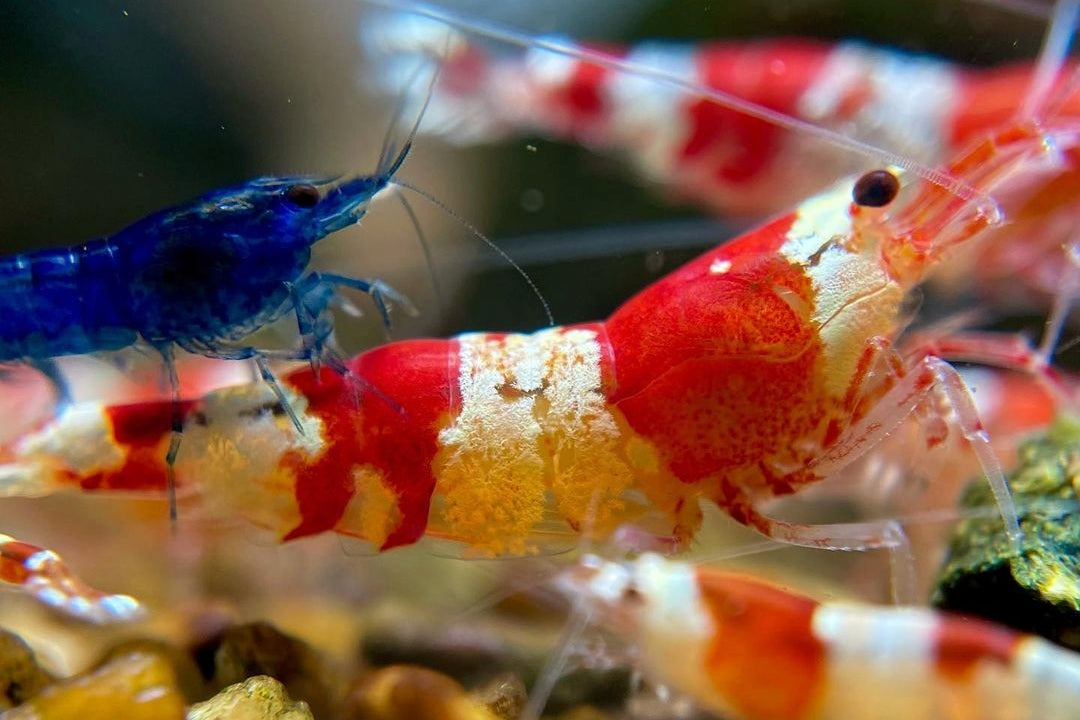
The most common freshwater shrimp are the Cherry Shrimp, Amano Shrimp, and Crystal Red Shrimp. Cherry Shrimp are easy to care for and breed quickly. Amano Shrimp are larger and excellent algae eaters. Crystal Red Shrimp are prized for their striking patterns and colors.
Color Variations
Freshwater shrimp display a wide range of colors. Cherry Shrimp can be bright red or pale pink. Crystal Red Shrimp show red and white stripes. Some species have blue, green, or yellow shades. These colors depend on genetics and water conditions.
Size Differences
Shrimp sizes range from very small to medium. Cherry Shrimp grow up to 1.5 inches long. Amano Shrimp can reach about 2 inches. Size affects their space needs and tank mates. Small shrimp need more hiding spots to feel safe.

Credit: www.reddit.com
Habitat And Distribution
Freshwater shrimp thrive in specific habitats and regions. Understanding their natural homes helps in caring for them and appreciating their role in the ecosystem. Their habitat and distribution depend on water type, temperature, and geography.
Natural Environments
Freshwater shrimp live in rivers, streams, lakes, and ponds. They prefer places with plenty of plants and rocks. These provide shelter and food. Many species hide under leaves and stones to avoid predators. They also scavenge on decaying plants and small animals.
Geographic Range
Freshwater shrimp are found worldwide. Most species live in tropical and subtropical regions. Asia and South America have the highest variety. Some species also live in North America and Europe. Their distribution depends on clean, fresh water bodies.
Water Conditions
Freshwater shrimp need clean water with stable conditions. They prefer temperatures between 68°F and 82°F (20°C to 28°C). The water should have a neutral to slightly acidic pH. Oxygen levels must be high for their survival. They avoid polluted or salty water. Proper water conditions support their growth and reproduction.
Diet And Feeding Habits
Freshwater shrimp have simple but important diet and feeding habits. Their eating patterns help keep their environment clean. Understanding what they eat helps in caring for them well. This section explains their natural diet, feeding in aquariums, and nutritional needs.
Natural Diet
Freshwater shrimp eat algae, plants, and small bits of dead animals. They scavenge the bottom of rivers and lakes. Tiny particles in the water also serve as food. This diet helps keep water clean and clear. They use their small claws to pick food carefully.
Feeding In Aquariums
In aquariums, freshwater shrimp eat special shrimp pellets or flakes. Vegetables like spinach and zucchini work well too. Feed small amounts to avoid leftover food. Too much food causes water pollution. Shrimp like to graze all day, so feed often but little.
Nutritional Needs
Shrimp need protein for growth and energy. They also require fiber to aid digestion. Minerals help build their shells strong. Balanced food keeps shrimp healthy and active. A mix of natural and prepared foods meets these needs well.
Breeding Freshwater Shrimp
Breeding freshwater shrimp can be a rewarding experience for hobbyists. It helps maintain a healthy tank and adds life to your aquarium. Understanding their breeding habits ensures better success in raising shrimp.
Breeding Conditions
Freshwater shrimp need stable water parameters to breed well. Keep the temperature between 72°F and 78°F. Maintain pH levels around 6.5 to 7.5. Provide plenty of hiding spots using plants or decorations. Clean water with gentle flow is essential. Avoid sudden changes in water conditions.
Egg Development
Female shrimp carry eggs under their tails. Eggs are small, round, and dark in color. Development takes about 3 to 4 weeks. During this time, females need calm water and good nutrition. Avoid disturbing the shrimp to reduce stress. Eggs will hatch into tiny shrimp called larvae.
Raising Juveniles
Juvenile shrimp are very small and fragile. Provide fine food like powdered shrimp pellets or algae. Use sponge filters to avoid sucking up babies. Keep water clean and stable for healthy growth. Offer plenty of hiding places to protect juveniles from adults. Regular feeding helps them grow fast and strong.
Aquarium Setup
Setting up an aquarium for freshwater shrimp needs care and the right tools. The environment must be safe and comfortable for the shrimp to thrive. This means choosing the right tank size, water conditions, and decorations. These factors help keep shrimp healthy and happy.
Below are key points to consider for a perfect freshwater shrimp aquarium setup.
Tank Size And Equipment
A small tank of 5 to 10 gallons works well for most shrimp species. Larger tanks hold more stable water conditions. Use a gentle filter to avoid strong currents. Sponge filters are best because they do not suck shrimp inside. A heater might be needed to keep water temperature steady. Shrimp prefer temperatures between 72°F and 78°F.
Water Parameters
Freshwater shrimp need clean, soft water with low minerals. The pH should stay between 6.5 and 7.5. Keep ammonia and nitrites at zero because they are toxic. Nitrates should remain under 20 ppm. Change 10-20% of the water weekly to keep it fresh. Test water often to catch problems early.
Plant And Decor Choices
Live plants improve water quality and provide hiding spots. Mosses, Java fern, and Anubias work well with shrimp. Add smooth rocks and driftwood for natural shelter. Avoid sharp decorations that can harm shrimp. Plants also give shrimp surfaces to graze algae and biofilm. This helps keep them fed and active.
Credit: seaturtles.org
Common Diseases And Prevention
Freshwater shrimp are popular pets for many aquarium lovers. Keeping them healthy is important for their survival and growth. Diseases can harm shrimp quickly, so knowing common problems helps you act fast. Prevention is better than cure in shrimp care.
Signs Of Illness
Look for changes in shrimp behavior. Slow movement or hiding can mean sickness. White spots or patches on their shells often show infection. Shrimp that lose color or have damaged shells may be ill. Watch for lack of appetite and unusual swimming patterns.
Preventive Measures
Keep the tank clean by changing water regularly. Test water quality to maintain proper pH and temperature. Avoid overfeeding to prevent water pollution. Quarantine new shrimp before adding them to the main tank. Use good filtration and avoid overcrowding to reduce stress.
Treatment Options
Remove sick shrimp to prevent spreading. Use aquarium salt or medicine designed for shrimp diseases. Follow dosage instructions carefully to avoid harm. Improve water quality to help shrimp recover faster. Seek advice from experts or vets for serious infections.
Benefits Of Keeping Freshwater Shrimp
Freshwater shrimp offer many benefits for aquarium owners. They are small creatures that bring big value to any tank. These shrimp help keep the water clean and add beauty to the setup. Many hobbyists enjoy their peaceful nature and easy care needs. Here are some key benefits of keeping freshwater shrimp.
Ecosystem Role
Freshwater shrimp act as natural cleaners. They eat leftover food, algae, and dead plants. This helps keep the tank water clean. Their activity reduces harmful bacteria buildup. Shrimp also stir the substrate, preventing harmful gas pockets. This keeps the aquarium environment healthy for fish and plants.
Aesthetic Appeal
These shrimp come in many bright colors and patterns. Their small size and graceful movements add charm to any aquarium. Watching shrimp explore and feed is relaxing and fun. They create a lively, natural look that enhances the tank’s beauty. Their presence makes the aquarium more interesting to observe.
Low Maintenance
Freshwater shrimp need little care and attention. They do not require special food or complex tank setups. Shrimp adapt well to many water conditions. They reproduce easily, helping maintain their population naturally. Their small size means less waste and easier tank cleaning. They fit well in beginner and experienced aquariums alike.
How Smart Pets Lover Can Help You with Freshwater Shrimp
Exploring Freshwater Shrimp: A Hands-On Learning Experience
Getting to know freshwater shrimp goes beyond just admiring their delicate beauty. It’s a wonderful opportunity to dive into practical learning—whether you’re fascinated by their diverse types and habitats or curious about the best practices for breeding and aquarium setup. Observing their feeding habits up close can teach patience and attention to detail, while managing their environment nurtures responsibility and care.
At Smart Pets Lover, we believe every pet journey enriches your bond and understanding of nature’s little wonders. By carefully setting up a shrimp-friendly aquarium and monitoring their health, you develop a deeper connection and confidence in pet care. Remember, each shrimp’s behavior tells a story—one that invites you to learn, adapt, and appreciate the delicate balance of aquatic life.
If you ever need guidance or want to share your experiences, feel free to reach out to us. Together, we can make every wag, purr, and chirp—or in this case, gentle shrimp movement—a meaningful story.
Frequently Asked Questions
What Are Freshwater Shrimp Commonly Used For?
Freshwater shrimp are popular in aquariums for algae control. They are also used as live food for fish. Many species are kept for their unique colors and behaviors, making them a favorite among hobbyists.
How Do Freshwater Shrimp Contribute To Aquarium Health?
Freshwater shrimp help keep tanks clean by eating algae and detritus. They reduce waste buildup, improving water quality. Their scavenging behavior supports a balanced ecosystem in freshwater aquariums.
What Is The Ideal Water Condition For Freshwater Shrimp?
Freshwater shrimp thrive in clean, well-oxygenated water with stable temperature. The pH should be neutral to slightly alkaline, around 6. 5 to 8. 0. Regular water changes and low ammonia levels are essential for their health.
Are Freshwater Shrimp Easy To Breed In Captivity?
Yes, many freshwater shrimp species breed readily in home aquariums. They require stable water conditions and ample hiding spots for juveniles. Breeding success depends on species and proper care, making it achievable for beginners and experts.
Conclusion
Freshwater shrimp add life and color to any aquarium. They help keep tanks clean by eating algae and leftovers. These small creatures are easy to care for, making them perfect for beginners. Watching their behavior can be relaxing and fun.
Choosing the right shrimp species suits your tank’s needs. Healthy shrimp mean a healthy tank environment. Enjoy the beauty and benefits freshwater shrimp bring to your underwater world.